How to Install a Kitchen Range Hood Wall Vent: Easy Step-by-Step Guide
Are you tired of cooking smells lingering in your kitchen? Installing a kitchen range hood wall vent can be the perfect solution.
It helps remove smoke, grease, and odors, keeping your kitchen fresh and clean. But if you think this is a job only professionals can handle, think again. With the right tools and clear steps, you can install your range hood vent yourself.
In this guide, you’ll discover exactly how to do it, saving time and money while improving your kitchen’s air quality. Ready to get started? Let’s dive in.

Credit: prolinerangehoods.com
Choosing The Right Range Hood
Choosing the right range hood is crucial for both the functionality and style of your kitchen. It affects how well your kitchen stays free of smoke, odors, and grease. Before you install a wall vent range hood, you need to consider several factors to find the perfect match for your cooking space.
Types Of Range Hoods
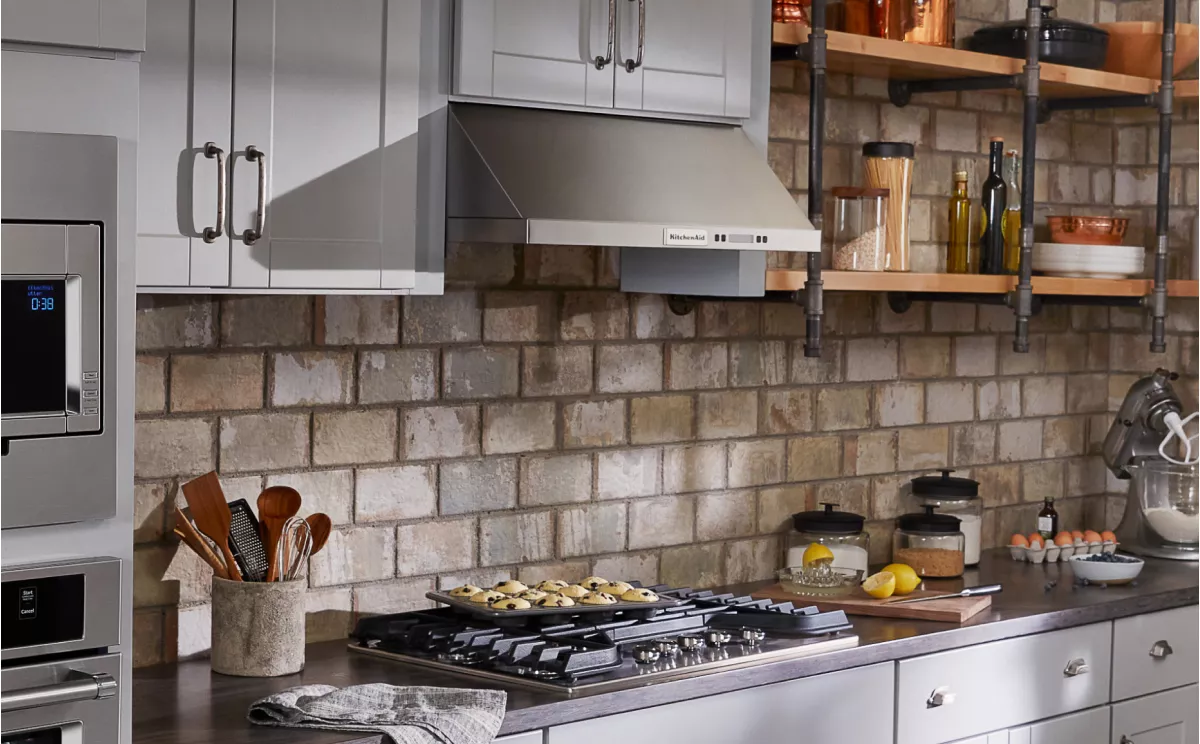
Range hoods come in various styles designed to fit different kitchen layouts and ventilation needs. Wall-mounted hoods attach directly to the wall above your stove, making them ideal for kitchens with a clear wall space.
Other types include under-cabinet hoods, which fit beneath your cabinets, and island hoods designed for cooktops in the middle of your kitchen. Choosing the right type depends on your kitchen’s design and where your stove is located.
Measuring Your Kitchen Space
Accurate measurements are key to ensuring your new range hood fits perfectly. Measure the width of your cooking surface and the available wall space where you plan to mount the hood.
Remember to leave enough clearance between the stove and the hood, usually 24 to 30 inches, to maximize efficiency without interfering with your cooking. Have you checked the height of your ceiling? It can influence which model will work best.
Selecting Venting Options
Ventilation options impact how effectively your range hood removes air and odors. Ducted range hoods vent air outside, which is the most efficient method to keep your kitchen fresh.
If venting outside isn’t possible, consider a ductless range hood with filters that clean the air before recirculating it. Ask yourself, can you create a vent path to the outside, or will you need a ductless system?
Credit: avorenovations.co.uk
Gathering Tools And Materials
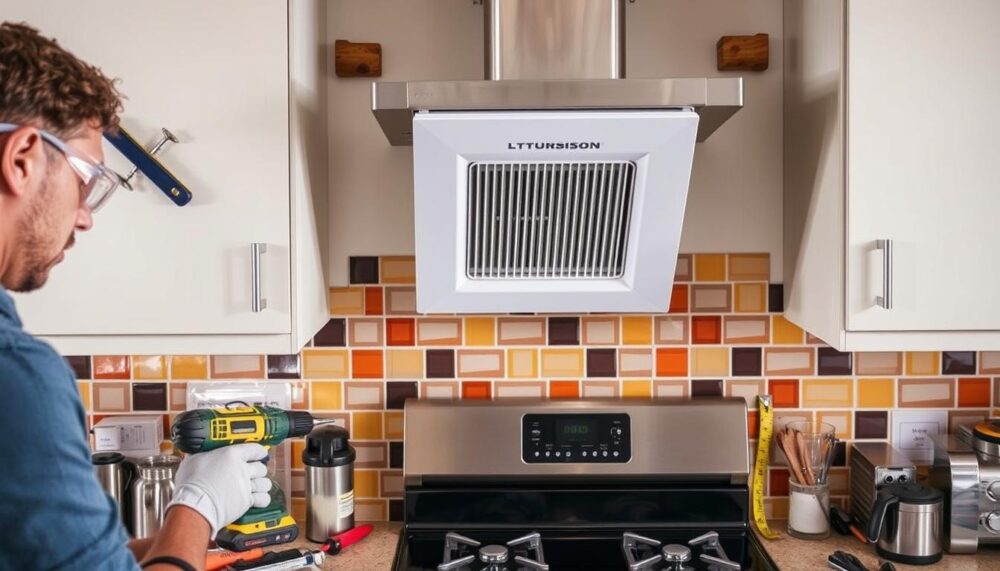
Before you start installing your kitchen range hood wall vent, gathering the right tools and materials is key to a smooth process. Having everything ready saves time and reduces frustration. It also helps you avoid unnecessary trips to the hardware store mid-project.
Essential Tools Needed
- Drill:A cordless drill is perfect for making holes and securing screws quickly.
- Screwdrivers:Both Phillips and flathead screwdrivers come in handy for various screws.
- Stud Finder:Locate wall studs to anchor the vent securely.
- Measuring Tape:Accurate measurements ensure the vent fits perfectly.
- Level:Keep the range hood straight to avoid installation issues.
- Jigsaw or Hole Saw:Needed if you must cut holes for the vent duct.
- Utility Knife:Useful for trimming and cutting materials.
When I first installed a range hood, missing a level caused the hood to hang unevenly. It was a small mistake but made the whole kitchen look off-balance. Don’t skip on the basics; your future self will thank you.
Materials And Components
- Range Hood Unit:Choose one that matches your kitchen size and style.
- Ducting:Aluminum or galvanized steel ducts for venting air outside.
- Wall Cap:The vent cover that fits on the exterior wall.
- Screws and Anchors:Ensure they are suitable for your wall type.
- Foil Tape:Seal duct joints to prevent leaks.
- Electrical Wiring:Check compatibility with your home’s power supply.
Choosing the right duct size matters more than you think. Too small, and your hood won’t vent efficiently; too large, and you waste space and money. Have you checked your kitchen’s layout to pick the best duct length and diameter?
Safety Gear Checklist
- Safety Glasses:Protect your eyes from dust and debris.
- Work Gloves:Prevent cuts and provide better grip.
- Dust Mask:Avoid inhaling particles when cutting or drilling.
- Ear Protection:Useful if you’re using loud power tools.
- Non-slip Shoes:Keep you stable on ladders or slick surfaces.
Ignoring safety gear can turn a simple install into a trip to the emergency room. I once skipped gloves and ended up with a nasty paper cut from duct edges. It’s a small thing, but discomfort like that can slow you down fast. What safety gear do you already have ready?
Preparing The Installation Area
Preparing the installation area is a vital step for a smooth kitchen range hood wall vent setup. This phase ensures safety and accuracy. Clear workspaces prevent accidents. Marking correct positions helps with proper vent alignment.
Locating Wall Studs
Use a stud finder to locate the wall studs behind the drywall. Studs provide strong support for the range hood. Mark the edges of each stud with a pencil. Verify stud positions to avoid drilling into pipes or wires. Confirm spacing between studs to match the vent bracket.
Marking Vent Placement
Measure the height for the range hood according to your stove size. Mark the center point on the wall where the vent will go. Use a level to draw straight horizontal and vertical lines. These lines guide the vent’s exact placement. Double-check measurements before drilling or cutting.
Clearing And Protecting Workspace
Remove any objects near the installation area. Cover countertops and floors with drop cloths or old sheets. This protects surfaces from dust and damage. Keep tools organized and within reach. Good workspace preparation saves time and reduces stress.
Installing The Wall Vent
Installing the wall vent is a key part of setting up your kitchen range hood. It allows smoke, steam, and odors to leave your kitchen efficiently. Proper installation ensures good airflow and keeps your kitchen fresh. Follow clear steps to cut the vent hole, secure the duct, and seal everything tightly.
Cutting The Vent Hole
Mark the vent location on the wall carefully. Use a level to keep the mark straight. Choose the right size hole for your vent duct. Drill pilot holes at the corners of the marked area. Cut out the hole with a saw, following the marks closely. Remove any rough edges for a clean finish. Check that the hole fits the vent duct snugly.
Securing The Vent Duct
Insert the vent duct through the hole in the wall. Align it so it connects well with the range hood outlet. Use metal screws or brackets to hold the duct firmly in place. Avoid gaps or loose fittings that can cause leaks. Make sure the duct runs straight to the outside. Avoid sharp bends that can block airflow.
Sealing And Insulating The Duct
Seal all joints with aluminum foil tape to prevent air leaks. Avoid using duct tape as it can degrade over time. Apply a weatherproof sealant on the outside where the duct meets the wall. Wrap the duct with insulation to reduce heat loss and noise. Check that insulation is snug but does not block airflow. Proper sealing and insulation improve your vent’s efficiency.
Mounting The Range Hood
Mounting the range hood on your kitchen wall is a crucial step that ensures proper ventilation and safety. It requires careful attention to detail and a steady hand. The goal is to secure the hood firmly while preparing it for electrical connections.
Attaching Mounting Bracket
Start by locating the studs in your wall using a stud finder. The mounting bracket must be secured directly into these studs to support the hood’s weight.
Use a level to make sure the bracket is perfectly horizontal. Screw it tightly into place using the provided hardware.
Missing a stud here can lead to a wobbly installation. Have you checked twice to confirm your bracket is solidly anchored?
Lifting And Securing The Hood
With the bracket in place, it’s time to lift the range hood onto it. This step is easier with help—ask a friend to hold the hood while you fasten it.
Align the hood’s mounting slots with the bracket hooks, then gently lower it into position. Secure it with screws to prevent any movement.
Think about the last time you installed something heavy—did you have enough support? This moment demands the same care to avoid accidents or damage.
Connecting Electrical Wiring
Before connecting wires, make sure the power is off at your circuit breaker. Safety first.
Open the hood’s wiring compartment and match the wires by color—black to black (live), white to white (neutral), and green or bare copper to ground.
Use wire nuts to join the wires securely, then tuck them neatly inside the compartment. Double-check your connections before restoring power.
If you’re unsure about wiring, consult a professional. A small mistake here can cause big problems later.
Testing And Final Adjustments
After installing your kitchen range hood wall vent, it’s crucial to test its functionality and make final adjustments. This ensures your hood works efficiently, removing smoke and odors effectively while fitting perfectly in your kitchen space.
Checking Ventilation Flow
Turn on your range hood to the highest setting and place your hand near the vent outlet. Can you feel a strong, steady airflow? If the airflow feels weak or inconsistent, double-check for any blockages in the duct or incorrect vent size.
Using a smoke test can also help: light an incense stick and see if the smoke quickly draws toward the vent. If it doesn’t, the vent might need repositioning or the ductwork may require cleaning.
Adjusting Hood Position
Is your hood perfectly aligned with your cooktop? Small shifts can improve both appearance and performance. Loosen the mounting brackets slightly and nudge the hood left, right, or up and down until it’s centered and flush against the wall.
Pay attention to clearance height too. Too low, and it can block your view; too high, and it won’t capture smoke effectively. Aim for about 24 to 30 inches above your stove for optimal results.
Cleaning Up The Area
Installation can leave dust, screws, or packaging bits around your kitchen. Take time to sweep or vacuum the area thoroughly to avoid any hazards or dirt settling on your newly installed hood.
Wipe down the hood’s surfaces with a damp cloth to remove fingerprints or smudges. This simple step keeps your kitchen looking fresh and ready for your next cooking adventure.
Troubleshooting Common Issues
Troubleshooting common problems with your kitchen range hood wall vent can save time and stress. Many issues are easy to fix with some guidance. Understanding the cause helps find the right solution quickly.
Dealing With Poor Ventilation
Poor ventilation is a frequent issue. Check if the vent duct is blocked or crushed. Clean any dust or grease buildup inside the duct. Ensure the vent cap outside is not blocked by debris or nests.
Verify the duct size matches the range hood’s specifications. Smaller ducts reduce airflow. Also, make sure the vent path is as straight and short as possible. Long, twisted ducts limit air movement.
Fixing Electrical Problems
Electrical issues can stop the fan or lights from working. Check the power supply first. Make sure the range hood is plugged in and the circuit breaker is on.
Inspect the wiring connections inside the hood. Loose or damaged wires cause failures. Replace any faulty wires or connectors. Use a voltage tester for safety before touching wires.
Handling Installation Errors
Incorrect installation affects performance and safety. Confirm the range hood is mounted at the right height above the stove. Too high or low lowers efficiency.
Check that all screws and brackets are tight. Loose mounting can cause noise and vibration. Make sure the duct connects securely to the hood and wall vent. Gaps cause air leaks and reduce suction.

Credit: www.create-enjoy.com
Frequently Asked Questions
What Tools Are Needed To Install A Kitchen Range Hood Vent?
You need a drill, screwdriver, measuring tape, level, pencil, and duct tape. These tools help secure and align the vent properly. Safety gloves and goggles are also recommended for protection during installation.
How Do I Choose The Right Size Range Hood Vent?
Select a range hood vent at least as wide as your cooktop. Proper sizing ensures effective smoke and odor removal. Check your cooktop dimensions before purchasing the vent to ensure a perfect fit.
Can I Install A Range Hood Vent Myself?
Yes, with basic DIY skills and proper tools, you can install it. Follow the manufacturer’s instructions carefully and ensure proper venting to the outside. If unsure, consult a professional to avoid mistakes.
How High Should A Kitchen Range Hood Be Installed?
Install the range hood 24 to 30 inches above the cooktop. This height optimizes ventilation while preventing smoke and grease buildup. Adjust based on your model’s specifications and kitchen layout.
Conclusion
Installing a kitchen range hood wall vent is quite manageable. Follow the steps patiently and ensure safety at each stage. You’ll improve kitchen ventilation, keeping it fresh and odor-free. A well-installed vent not only enhances functionality but also adds value to your home.
Remember, taking accurate measurements is crucial. Use appropriate tools and materials for the best results. Seek help if needed to ensure everything fits perfectly. With careful planning, your kitchen will function better and feel more comfortable. Enjoy the improved air quality and a more pleasant cooking experience.
Happy cooking!

Sophia Martinez is a culinary lifestyle writer and product reviewer for DiningGadgets.com. Passionate about blending style with functionality, she explores the latest dining essentials, kitchen décor, and cleaning hacks that transform everyday cooking spaces. With a background in home organization and design, Sophia brings readers expert advice on creating beautiful, practical kitchens that truly feel like the heart of the home.