Outdoor Dinnerware Features That Actually Matter
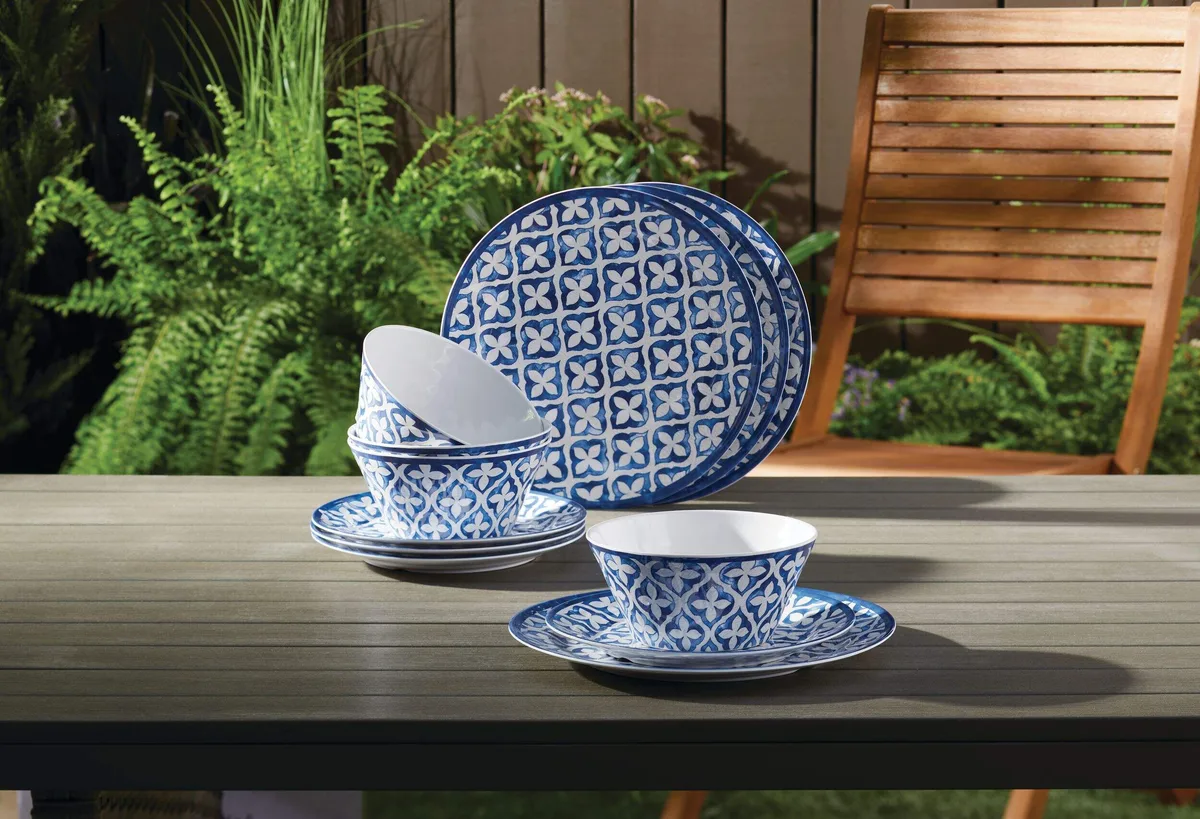
Image source: Bing (Web (fair-use with source credit))
Choosing the right outdoor dinnerware can feel overwhelming when you're faced with dozens of materials, styles, and price points. Our research into outdoor dining products reveals that the best set depends entirely on your lifestyle, from casual patio meals to serious backcountry trips. Before you buy, focus on these core outdoor dinnerware features to look for: shatter resistance, dishwasher safety, weight, and how well the pieces nest together for storage.
Getting these details right means fewer broken plates and more relaxed gatherings.
The truth is, a plate that survives a drop on a stone patio is worth far more than its glossy appearance. Per FDA food-contact material guidelines, any dishware used outdoors should meet specific safety standards for leaching and durability. Aggregate reviews from verified buyers consistently highlight that lightweight yet tough materials like melamine and stainless steel win for everyday outdoor use.
Let's break down exactly what matters so you can choose with confidence.
Quick Answer
When selecting outdoor dinnerware features to look for, prioritize shatter resistance, dishwasher safety, lightweight design, and stackable nesting. Melamine offers the best balance of durability and affordability for most backyard users. Stainless steel excels in extreme durability for backpacking. Collapsible silicone maximizes packable storage.
Porcelain provides aesthetic appeal but requires careful handling.
Why Choosing the Right Outdoor Dinnerware Actually Matters
The Hidden Costs of Getting It Wrong
Opting for the wrong dinnerware leads to wasted money and frustration. Cheap, brittle plates crack after a single drop. Poorly designed sets take up valuable trunk space because they don't stack efficiently.
Using non-food-safe plastics can introduce harmful chemicals when exposed to heat or acidic foods.
Manufacturers' material certifications provide clarity. High-quality outdoor sets withstand temperature swings and physical impact without degrading. Investing in the correct features upfront prevents the cycle of buying disposable replacements.
Breaking Down the Main Options: Melamine, Stainless Steel, Collapsible Silicone, and Porcelain
Melamine: The Everyday Outdoor Champion
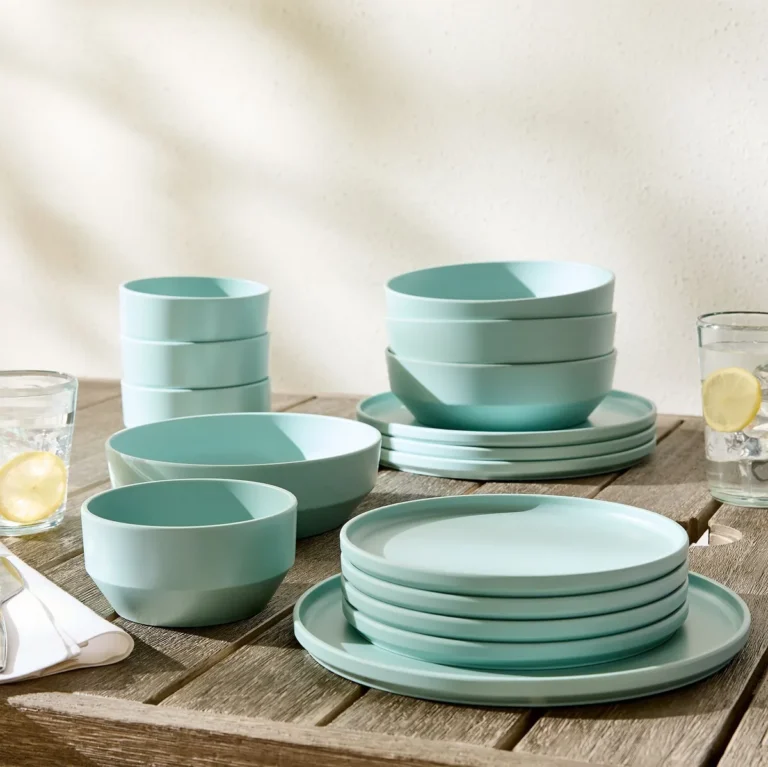
Melamine is the workhorse of outdoor dining. It's lightweight, genuinely shatter-resistant, and available in countless colors and patterns. Most melamine plates weigh between 4 and 6 ounces, making them easy to carry.
They're also affordable, typically ranging from $25 to $60 for a four-person set.
However, melamine has clear limits. It cannot go in the microwave. Prolonged exposure to high-heat dishwashers can cause warping or fading.
Look for sets labeled dishwasher safe on the top rack and BPA-free to ensure longevity and safety. For frequent backyard hosting, melamine delivers exceptional value and performance.
Stainless Steel: Built for Hardcore Adventures
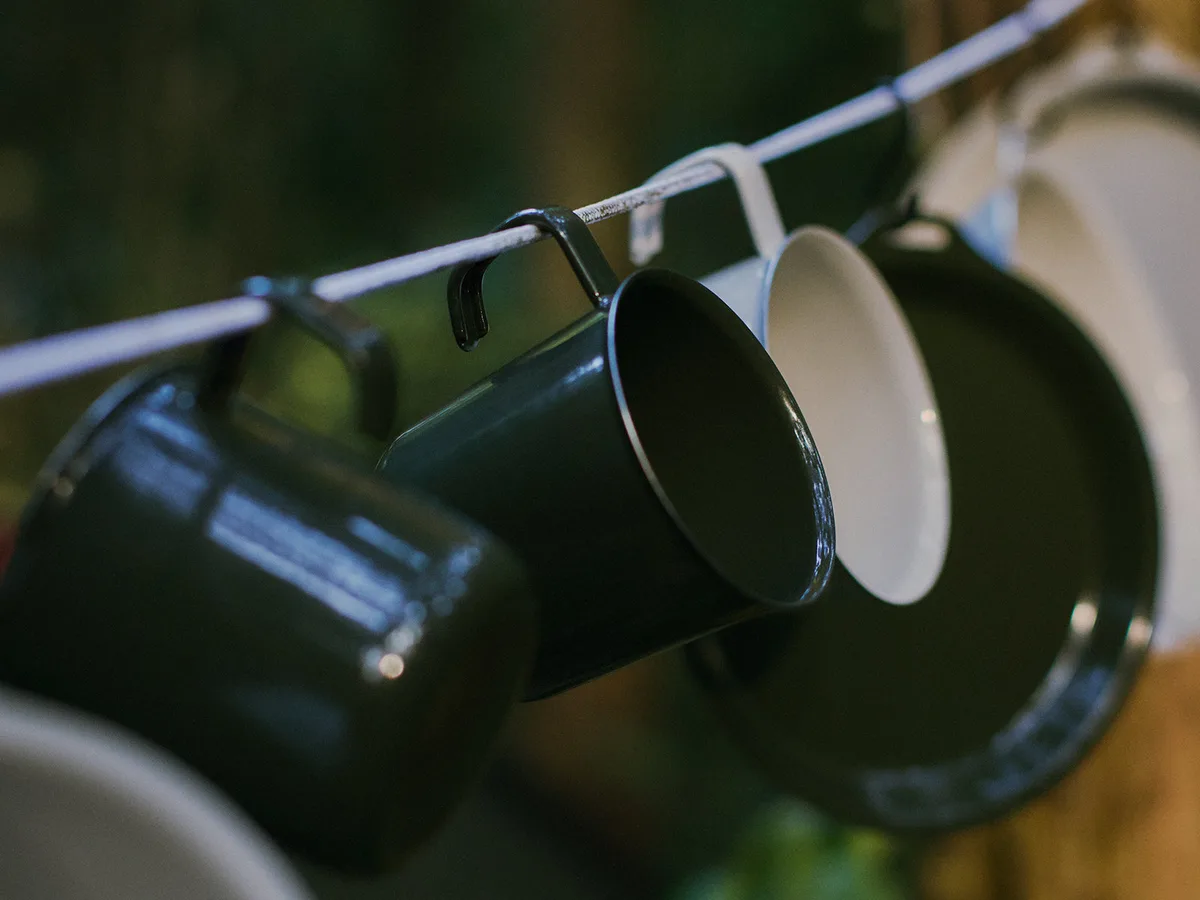
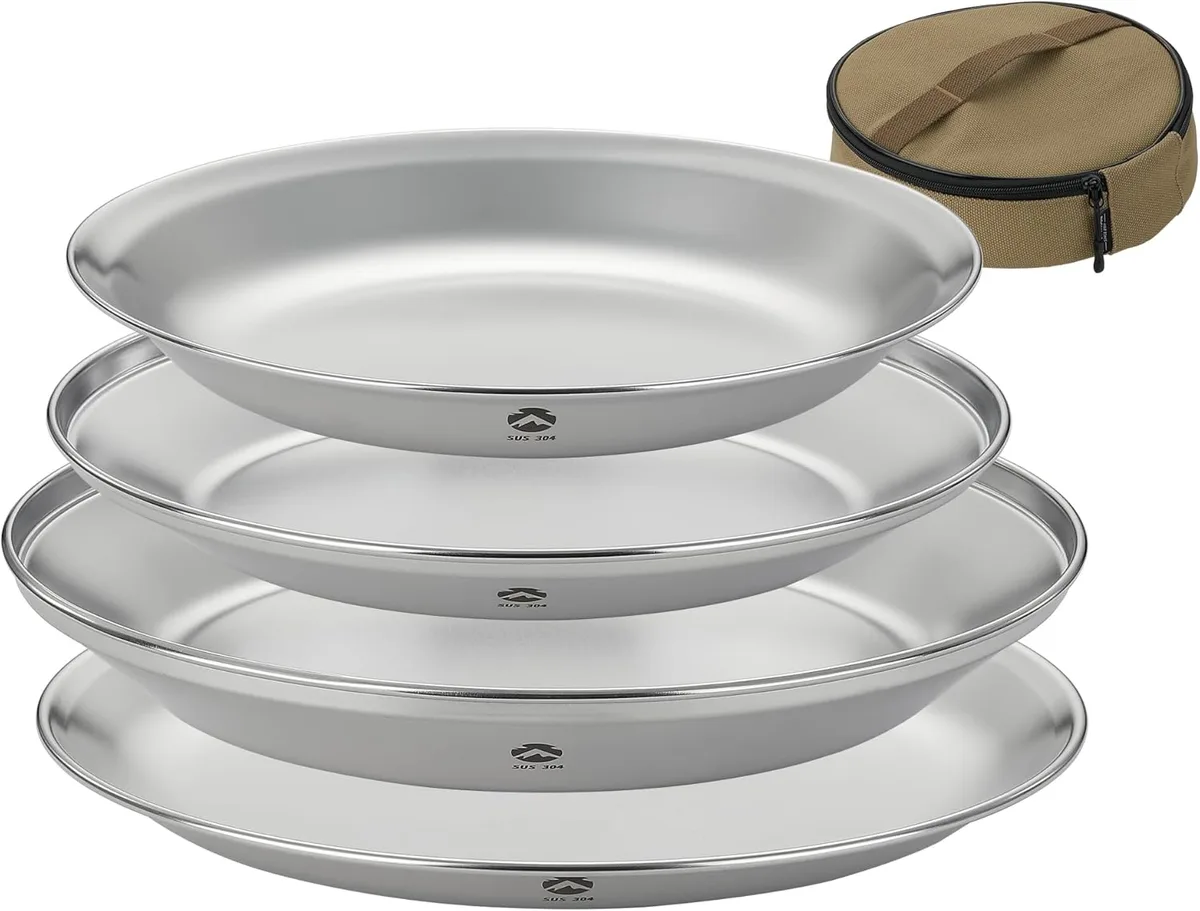
If you need gear that lasts a decade, stainless steel is the answer. It is virtually unbreakable, handles extreme temperatures, and is fully dishwasher safe. The trade-off is weight.
A single stainless steel plate can weigh 8 to 12 ounces. This makes it ideal for car camping, base camps, or institutional use where portability matters less than indestructibility.
Stainless steel sets cost more upfront, generally $40 to $120 for four people. They also lack the warm ceramic-like feel of other materials. But for rough outdoor conditions, its durability is unmatched.
Collapsible Silicone: The Minimalist's Dream
Collapsible silicone dishes are a game-changer for backpackers and van-lifers. When not in use, they fold flat into a tiny pouch, saving enormous space. They're extremely light, often under 3 ounces per piece.
Most varieties are also microwave and freezer safe.
The downside is that silicone is soft and prone to punctures from sharp utensils. Cleaning can be tricky since crevices may trap food particles. It's also less rigid, so stacking multiple pieces for a full meal can feel flimsy.
For ultralight travel where every ounce counts, collapsible silicone remains hard to beat.
Porcelain & Ceramic: Aesthetic-First With Caveats
Porcelain brings the elegance of indoor dining outdoors. If you're hosting a formal garden party or want beautiful table settings, glazed ceramic plates are stunning. They're microwave and dishwasher safe.
They also don't leach chemicals.
The major caveat is fragility. Porcelain chips and cracks easily on hard surfaces. These sets are heavy and bulky, requiring careful packing to prevent breakage.
Prices range from $50 to over $150 for a four-person set. Use them in controlled settings like a covered patio where drops are unlikely.
Side‐by‐Side Comparison: Key Features Ranked for Real‐World Use
| Feature | Melamine | Stainless Steel | Collapsible Silicone | Porcelain/Ceramic |
|---|---|---|---|---|
| Breakability | Shatter‐resistant | Virtually unbreakable | Soft, dents easily | Breaks/shatters |
| Weight (per plate) | Light (~4–6 oz) | Heavy (~8–12 oz) | Very light (~2–4 oz) | Medium–heavy |
| Dishwasher safe? | Top rack only (low heat) | Yes, any temperature | Usually hand‐wash only | Yes, but fragile |
| Microwave safe? | No | No | Varies by brand | Yes |
| Nestable/stackable? | Excellent | Fair (flat) | Excellent (flattens) | Good |
| Heat resistance | Moderate (warps above 160°F) | High | Low (melts/deforms) | High |
| Lifespan | 2–5 years | 10+ years | 1–3 years | 5–10 years |
| Price range (4‐person set) | $25–$60 | $40–$120 | $20–$50 | $50–$150 |
This table distills the core differences. Melamine dominates in versatility and cost. Stainless steel wins on pure durability.
Silicone takes the prize for minimal pack size. Porcelain offers unmatched style at the expense of resilience. Your priority, whether it's survival, convenience, or aesthetics, should dictate your choice.
Best Use Cases for Each Material Type
Backyard Patio and Frequent Entertaining: Melamine
For regular patio dinners, pool parties, and family get-togethers, melamine is the standout choice. It handles spills, sun exposure, and occasional drops without complaint. Its variety of designs lets you match any outdoor décor.
You can also find matching serving bowls and trays to complete the set.
Car Camping and Overlanding: Stainless Steel
When you're packing a vehicle for multi-day trips and weight isn't a primary concern, stainless steel shines. It tolerates campfire heat, dirty water washing, and rough handling. You can cook directly in stainless steel pans if needed.
Many heavy-duty outdoor kitchen essentials emphasize ruggedness, and stainless steel dinnerware fits that bill perfectly.
Backpacking and Ultralight Travel: Collapsible Silicone
Every ounce matters on a long hike. Collapsible silicone dishes shave grams off your pack while providing necessary eating tools. Their flat profile slides into any stuff sack.
Just remember to clean them thoroughly after each use to prevent odor retention.
Pool Parties and Beach Days: Melamine or Stainless
At the beach or by the pool, sand and sun are constant threats. Melamine resists staining from sunscreen and salt water better than most plastics. Stainless steel won't rust if properly coated and dries instantly.
Both materials handle the abrasive environment better than porcelain or delicate ceramics.
RV and Van Life: Stackable Melamine or Silicone
Space in an RV is premium real estate. Stackable melamine sets nest tightly, freeing up cupboard space. Alternatively, collapsible silicone folds completely flat for drawer storage.
Choose based on whether you prefer rigid dishes for stability or flexible ones for ultimate compactness.
Formal Outdoor Dinners: Porcelain
When hosting guests for a sophisticated al fresco dinner, nothing beats the look of fine porcelain. Use sturdy tray tables to minimize drop risks. Limit the set to essential pieces and place them away from high-traffic areas.
The aesthetic payoff is significant.
Common Mistakes to Avoid When Buying Outdoor Dinnerware
Mistake 1: Putting Melamine in a Hot Dishwasher
Melamine can warp or discolor if exposed to high heat. Always place it on the top rack of your dishwasher, away from the heating element. For hand-washing, use warm water with mild soap and a soft sponge.
Never soak melamine for extended periods.
Mistake 2: Choosing Heavy Plates for Backpacking
Packing standard ceramic or thick melamine plates on a trail hike is a classic error. The added weight slows you down and increases fatigue. Opt for silicone or thin-walled titanium alternatives instead.
Mistake 3: Ignoring Lid Compatibility
Many outdoor cooks want to store leftovers or transport sauces. If you buy separate plates and bowls, ensure they have compatible lids or stack securely. Mismatched shapes lead to spills and wasted space.
Check product dimensions before purchasing individual pieces.
Mistake 4: Assuming Dishwasher Safe Means Indestructible
Dishwasher safe refers to heat tolerance, not structural integrity. Aggressive detergents and high-pressure sprays can still degrade finishes over time. Hand-washing gentle surfaces preserves color and gloss longer.
Reserve dishwashers for truly rugged materials like stainless steel.
Mistake 5: Forgetting UV Fade Resistance
Even under a roof, UV rays penetrate glass and reflect off surfaces. Some cheaper plastics fade quickly in direct sunlight. Look for UV-stabilized materials, especially for frequently exposed sets.
This keeps colors vibrant season after season.
Mistake 6: Buying Sets Without Matching Storage Bags
Loose plates rattle and chip during transport. Many quality brands offer custom canvas or nylon bags that hold each piece securely. Investing in proper storage protects your investment and simplifies setup anywhere.
How to Care for Your Outdoor Dishes So They Last
Washing and Drying Best Practices
Proper cleaning extends the life of any outdoor dinnerware significantly. For melamine, use warm water with mild soap and a soft sponge. Avoid abrasive scrubbers that scratch the surface and create bacteria traps.
Never soak melamine for extended periods.
Stainless steel is far more forgiving. You can use any detergent and even steel wool for stubborn residue. Rinse thoroughly and dry with a soft cloth to prevent water spots.
For silicone, turn pieces inside out after washing to expose hidden crevices. A thin brush works well for removing trapped food particles from folded edges.
Porcelain requires gentler handling. Hand-washing is ideal to preserve glaze integrity. Use non-abrasive cleansers only.
Dry immediately after washing to prevent mineral deposits. This practice helps maintain the quality expected from best gold flatware sets and similar premium pieces.
Storage Tips to Prevent Scratches and Loss
Organization matters as much as cleaning. Store melamine sets nested with a paper towel between each piece to prevent scratching. Keep lids stacked separately using rubber bands or dedicated organizers.
Stainless steel benefits from compartmentalized storage bins. Stack plates vertically rather than horizontally to save space and reduce edge damage. Silicone pieces store best when flipped right-side out and placed in their original packaging or ziplock bags.
This prevents odor absorption from nearby strong-smelling items.
For porcelain, wrap each piece individually in bubble wrap or acid-free tissue paper. Store in a sturdy cabinet away from high-traffic areas.
When to Replace and Why It Matters for Safety
Wear and tear eventually catch up with even the best dinnerware. Replace melamine pieces showing deep scratches, discoloration, or warping. These signs indicate surface breakdown that can harbor bacteria or leach chemicals into food.
Per FDA guidelines, compromised food-contact surfaces should not be used.
Stainless steel rarely needs replacement unless dented severely enough to affect stability. Inspect welding points on handles for cracks. Replace any piece with sharp edges that could cause injury.
Silicone should be swapped when you notice persistent odors that washing won't remove. Replace it also when tears appear from knife cuts. Porcelain pieces with chips around the rim pose a cutting hazard and should be discarded immediately.
FAQs About Outdoor Dinnerware Features
Is melamine really BPA-free?
Yes, most modern melamine dinnerware is BPA-free. Reputable manufacturers explicitly label their products as such. Always verify this claim by checking product descriptions or contacting the maker directly.
Avoid vintage or unbranded melamine pieces, as older formulations may contain BPA or other questionable compounds.
Can I use stainless steel plates for hot foods?
Absolutely. Stainless steel handles boiling liquids and oven temperatures without issue. It won't warp, melt, or release chemicals when exposed to heat.
Just remember that the metal gets hot quickly. Use trivets or towels when handling served dishes.
What's the lightest dinnerware under 3 ounces per piece?
Collapsible silicone dishes consistently win this category. Many brands offer plates and bowls weighing between 1.5 and 2.8 ounces each. Some ultralight titanium options exist but cost considerably more.
Silicone remains the most accessible choice for weight-conscious backpackers.
Are collapsible dishes safe for kids?
They can be, with supervision. Silicone is soft and unlikely to cause injury if dropped. However, small collapsible pieces pose choking hazards for toddlers.
Older children handle them fine. Many families appreciate the easy cleanup factor.
How do I know if porcelain is lead-free?
Purchase from established brands that guarantee lead-free glazes. Reputable manufacturers test their products and display certifications prominently. Avoid thrift store finds or unknown importers where lead content cannot be verified.
Contact the seller for documentation before buying when uncertain.
Do I need a separate set for serving versus eating?
Not necessarily, but it helps for larger gatherings. Individual place settings make self-service easier. Dedicated serving pieces keep the main set organized and reduce cross-contamination.
For casual meals, one versatile set works perfectly. For formal events, consider complementary 100 guest disposable dinnerware for bulk entertaining.
Final Recommendation: How to Pick Your Set
If You Value Durability and Longevity: Stainless Steel
Choose stainless steel when you want gear that survives decades of use. It handles rough treatment, extreme temperatures, and frequent dishwashing without degradation. The higher upfront cost pays off through years of reliable service.
This matches the quality standards seen in 1847 Rogers Bros flatware patterns known for lasting power.
If You Want Lightweight and Affordable: Melamine
Melamine delivers exceptional value for casual outdoor entertaining. It costs less than most alternatives while offering solid durability. The variety of colors and styles lets you express personal taste.
Its lightweight nature makes transport effortless for picnics and parties.
If Space Is at a Premium: Collapsible Silicone
Backpackers, van-livers, and minimalist campers should prioritize collapsible silicone. Its ability to flatten completely maximizes every cubic inch of storage. The low weight reduces pack burden on long treks.
Accept the trade-off of reduced rigidity for maximum portability.
If Looks Matter More Than Utility: Porcelain Used Carefully
Porcelain suits controlled environments where aesthetics take priority. Use it on covered patios or in garden settings where drops are unlikely. Pair it with best place to sell crystal glassware insights when refreshing your collection.
Handle with care, and reserve it for special occasions rather than daily rough use.
Your ideal outdoor dinnerware depends on where and how you dine al fresco. Match the material to your actual lifestyle, not an aspirational one. Then enjoy meals outside without worrying about broken plates or cramped storage.

Sophia Martinez is a culinary lifestyle writer and product reviewer for DiningGadgets.com. Passionate about blending style with functionality, she explores the latest dining essentials, kitchen décor, and cleaning hacks that transform everyday cooking spaces. With a background in home organization and design, Sophia brings readers expert advice on creating beautiful, practical kitchens that truly feel like the heart of the home.