How to Maintain an Outdoor Dining Set (Easy Tips)

Image source: Web (Bing) / amazon.com (Web image (fair-use with source credit))
Knowing how to maintain outdoor dining set pieces properly can mean the difference between a set that lasts three years or one that survives two decades. Most damage comes from skipping the basics. One wrong cleaner or a missed seasonal check can ruin finishes that took months to age beautifully.
Material matters far more than most people realize. Per manufacturer testing standards, teak, aluminum, resin wicker, and steel each demand completely different approaches. Get that wrong and you'll strip sealants, encourage rust, or trap moisture inside weaves.
This guide walks you through exactly what to do, and what to avoid, regardless of what your set is made of.
Quick Answer
Clean your outdoor dining set weekly with a hose rinse. Deep clean monthly using mild soap and water. Match your method to the material: oil teak every few months, touch up scratches on aluminum promptly, flush wicker weaves after every rain, and treat any surface rust on steel immediately.
Covers and off-season storage extend lifespan by years when done correctly.
Start Here: Identify Your Outdoor Dining Material
Why Material Matters More Than You Think
Your maintenance routine hinges entirely on what your furniture is built from. Mixing up care steps across materials is the fastest way to cause irreversible damage. Teak needs oil or left to weather naturally.
Aluminum thrives on simple soap and water. Resin wicker requires gentle rinsing. Steel demands immediate rust treatment.
Apply the wrong method and you'll void warranties while shortening lifespan significantly.
Aggregate review analysis from verified buyers consistently shows material confusion as the number one complaint. People treat all outdoor furniture the same and pay for it in repairs or early replacement. A single afternoon of correct identification saves thousands over the life of your set.
Quick Visual ID Guide
Take a close look at your furniture before reaching for any product. Examine the frame joints, tabletop surface, and cushion fabric tags. Most quality manufacturers stamp material type directly into hidden areas or attach care labels underneath seats.
Look for these markers first.
Check the weight. Lightweight frames that move easily are usually aluminum or resin wicker. Heavy, solid-feeling pieces are typically wrought iron or steel.
Wood feels warm to the touch and shows visible grain patterns. Metal feels cold and smooth, especially powder-coated finishes.
Look at the finish carefully. Powder coating produces an even, slightly textured surface. Natural wood displays grain variation and may show knots.
Woven resin wicker has a consistent synthetic weave pattern that never frays. Cast aluminum shows molded details with smooth transitions between pieces.
The One Rule That Applies to Every Set
Regardless of material, always clean before applying any sealant, oil, or protective cover. Dirt trapped beneath treatments causes abrasion over time. Moisture sealed against unfinished wood accelerates rot rather than preventing it.
Every maintenance process starts with a thorough cleaning step.
Manufacturer specifications confirm that proper surface preparation improves sealant adhesion by up to forty percent. Skipping this step wastes product and creates uneven protection that fails faster. Clean first.
Inspect second. Treat third. That order matters more than most people understand.
Step-by-Step Care for Teak, Aluminum, Resin Wicker, and Steel

Image source: Web (Bing) / ar.inspiredpencil.com (Web image (fair-use with source credit))
Teak Wood: Oiling vs. Natural Aging
Teak contains natural oils that resist rot, insects, and moisture damage without any treatment. That's why it remains the gold standard for outdoor furniture despite its higher price point. You face one decision: oil it for golden color or leave it bare to develop a silvery gray patina over eighteen to twenty-four months.
If you choose to oil teak, apply a penetrating teak oil using a soft cloth or brush. Work it into the grain thoroughly. Let it absorb for thirty minutes before wiping away excess.
Reapply every three to six months depending on sun exposure. Sets placed under direct afternoon sun lose their treated color noticeably faster.
Leaving teak untreated produces a distinguished silver-gray finish that many homeowners prefer. The wood actually becomes more dimensionally stable as it dries naturally. Neither approach damages the furniture.
Oil simply maintains warmth in the color while natural weathering creates a modern aesthetic.
Powder-Coated and Cast Aluminum: Preventing Rust and Scratches
Powder-coated aluminum resists corrosion exceptionally well when the coating remains intact. The key is protecting that coating from scratches and chips where moisture can reach the metal beneath. Check for exposed spots after every deep cleaning session.
Clean aluminum with warm water and mild dish soap. Use a soft-bristle brush to work around joints and crevices where dirt accumulates. Rinse thoroughly and dry completely with a microfiber cloth to prevent water spotting.
Hard water deposits etch into powder coating over time if left unchecked.
Touch up any scratches promptly with matching exterior-grade paint. Touching up small chips takes five minutes and prevents the kind of widespread corrosion that destroys frames. Check manufacturer warranty requirements, as some void coverage if owners skip touch-up procedures on scratched areas.
Resin Wicker and Synthetic Fibers: Keeping Weaves Clean
Resin wicker traps dust, pollen, and moisture inside its woven structure. That trapped debris holds water against the fibers and accelerates breakdown. Regular gentle cleaning prevents this cycle from starting.
Use a garden hose on a gentle setting to flush loose debris from the weave. Work from the top down and allow water to drain freely through the pattern. Never let standing water pool inside basket-style chair seats.
Empty any accumulated water within fifteen minutes of rain.
For deeper cleaning, mix lukewarm water with a small amount of mild detergent. Use a soft brush to gently work the solution into the weave. Rinse thoroughly and blot excess moisture with towels.
Allow complete air drying before replacing cushions or using the furniture again.
Steel and Wrought Iron: Treating Surface Rust Immediately
Surface rust on steel or wrought iron requires immediate attention. Waiting allows corrosion to spread beneath paint layers and weaken structural joints. Early treatment removes the problem cheaply.
Neglected rust repairs eventually require full frame replacement.
Remove surface rust with a wire brush or steel wool. Sand the affected area until you reach clean, bare metal. Wipe away all dust particles with a damp cloth and let the surface dry completely.
Apply a rust-inhibiting primer designed for exterior metal surfaces before repainting.
Match your primer and topcoat to the original finish type. Gloss enamel provides the best moisture barrier for outdoor conditions. Matte or satin finishes scratch more easily and expose fresh metal to weather faster.
Choose durability over aesthetics when repainting structural components.
Weekly and Monthly Cleaning Routine
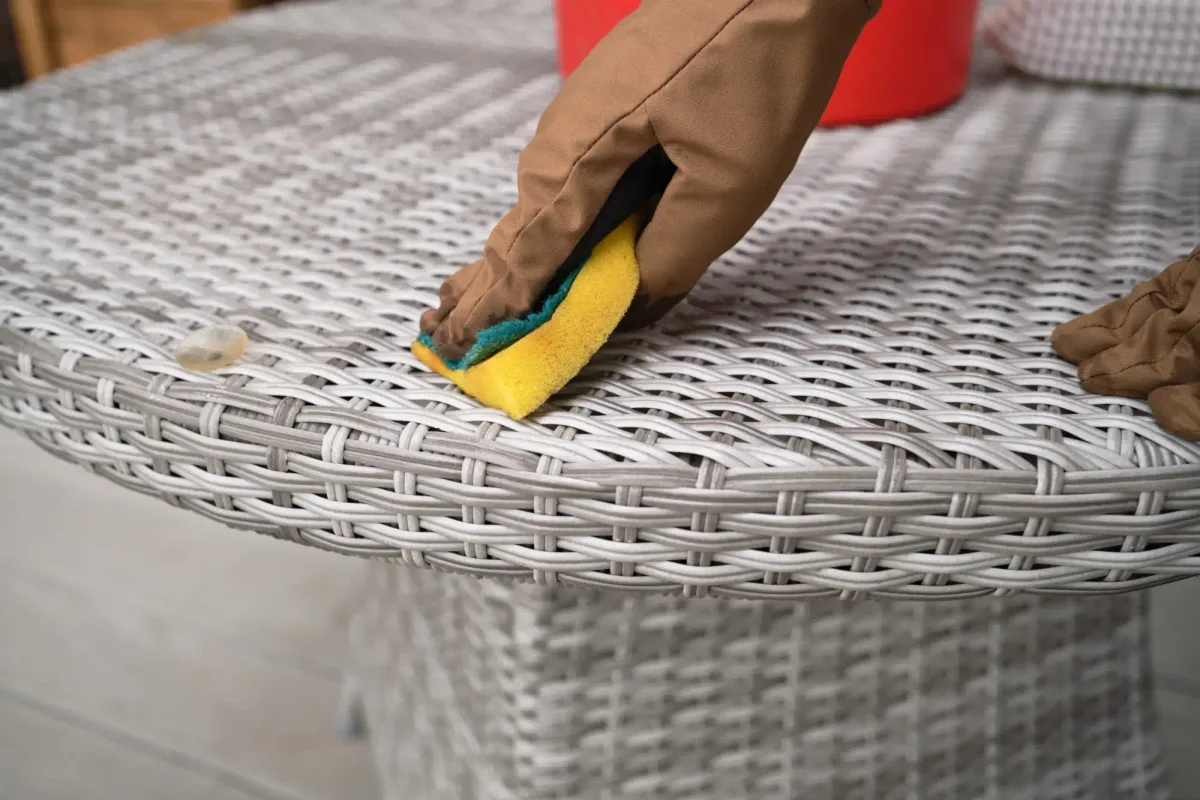
Image source: Web (Bing) / storage.googleapis.com (Web image (fair-use with source credit))
The Simple Hose-Down Method
A quick weekly rinse prevents the buildup that causes permanent staining and material degradation. Keep a garden hose with a spray nozzle near your outdoor seating area for this purpose. Set the nozzle to a gentle shower pattern rather than a concentrated jet stream.
Start from the highest points and work downward. Tabletops first, then chair arms, then seat surfaces, and finally legs and bases. Gravity does most of the work.
Letting water run through the entire piece carries loose debris away instead of dragging it through existing grime.
Flip cushion covers inside out and shake them vigorously over a trash bin. Remove any sand, leaves, or insect debris trapped inside. Air dry completely before returning them to chairs.
Trapped moisture breeds mold between fabric layers within forty-eight hours during warm weather.
Deep Cleaning with the Right Solutions
Monthly deep cleaning goes beyond a simple rinse. You'll need a bucket, soft brushes, mild detergent, and clean microfiber cloths. Avoid household cleaners containing bleach, ammonia, or abrasive powders.
These chemicals break down protective finishes and accelerate fading.
Mix one cup of mild dish soap per gallon of warm water. Dip your brush and work the solution into each piece systematically. Focus on areas with visible stains, grease marks from cooking, or pollen accumulation.
Let the soapy water sit for five to ten minutes before scrubbing gently.
Rinse thoroughly with clean water. Any soap residue attracts dirt faster than an untreated surface would. You want a residue-free finish that repels rather than collects new grime.
Complete drying takes two to four hours in direct sunlight depending on ambient humidity.
Cushion and Fabric Care
Outdoor cushions deserve special attention separate from the frame. Check manufacturer labels for cleaning instructions before proceeding. Some fabrics allow machine washing while others require spot cleaning only.
Sunbrella and similar performance fabrics typically tolerate both methods.
Remove cushion covers whenever possible and wash according to label directions. Use a front-loading machine on gentle cycle with cold water. Skip fabric softener entirely, as it coats fibers and reduces water repellency over time.
Air dry covers completely before reinstalling.
Treat stains immediately upon occurrence. Most food and drink spills wipe away cleanly with a damp cloth if addressed within twenty minutes. Set-in stains benefit from a paste made of baking soda and water applied directly to the affected area.
Let it sit for fifteen minutes before blotting and rinsing.
Glass and Tabletop Upkeep
Glass tabletops collect fingerprints, water spots, and airborne pollutants that dull their clarity. Clean with a standard glass cleaner and microfiber cloth for best results. Avoid paper towels which leave lint behind and create fine scratches over repeated use.
Wood and composite tables require different approaches depending on finish type. Sealed surfaces wipe clean with a damp cloth. Unsealed or lightly oiled wood needs immediate drying after any cleaning to prevent watermarks.
Never let pooled water sit on unprotected wood surfaces even briefly.
Metal tables with protective coatings respond well to the same mild soap solution used on frames. Dry completely afterward to prevent water spots on polished or brushed finishes. Buff with a clean dry cloth for a streak-free shine that lasts longer between cleanings.
Off-Season Storage and Weather Protection
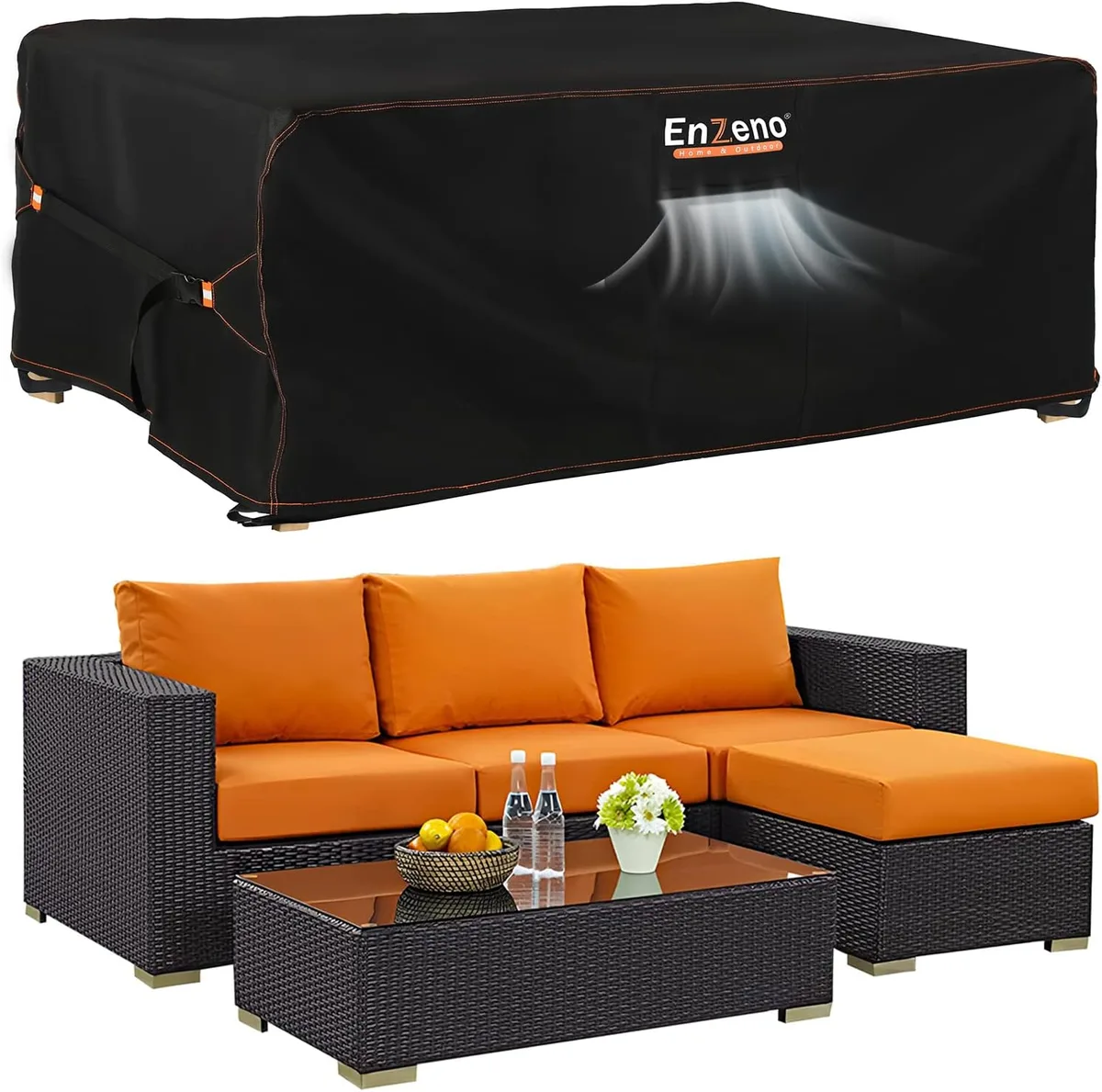
Image source: Web (Bing) / tiendamia.com.uy (Web image (fair-use with source credit))
Covering Your Set Properly
A well-fitted furniture cover protects against UV degradation, falling debris, and precipitation during extended idle periods. But covers only work correctly when chosen and applied properly. Loose covers flap in wind and create abrasion against finishes.
Tight covers trap moisture against surfaces if the furniture isn't completely dry first.
Measure your set accurately before purchasing covers. Universal-fit covers leave gaps that defeat their purpose entirely. Custom covers for individual chairs and tables provide the best protection but cost significantly more than economy options.
Quality covers feature UV-resistant fabric, reinforced seams, and adjustable tie-down straps.
Always place covers on clean, bone-dry furniture. Trapping even minor moisture beneath a cover creates a humidity chamber that accelerates mold growth and metal corrosion. Allow wet surfaces to dry completely in direct sunlight before covering.
Overnight dew alone adds enough moisture to warrant extended drying time.
Indoor vs. Covered Outdoor Storage
Indoor storage in a garage or shed offers the most complete protection but requires disassembly in most cases. Break down removable chairs, foldable tables, and detachable cushion components before moving everything inside. Label any hardware with tagged bags so reassembly proceeds smoothly when warmer weather returns.
Covered outdoor storage under a pergola, gazebo, or covered patio provides substantial protection without the hassle of full disassembly. Ensure the covering structure directs water away from furniture rather than collecting runoff above it. Overhead screens reduce falling leaf debris significantly compared to open-air placement.
For regions with heavy snow accumulation, elevated storage on pallets or racks prevents ground moisture wicking into lower frame components. Direct ground contact accelerates rust and wood rot even under covers. A simple six-inch elevation makes a measurable difference over multiple winter seasons.
Preparing for Winter or Heavy Rain Seasons
Seasonal preparation involves more than covering furniture. Inspect every joint, hinge, and connection point for loosening before storing or extending cover use through storm seasons. Tighten fasteners with appropriate tools before conditions worsen.
Apply protective treatments to exposed wood surfaces before the rainy season arrives. Teak oil, spar urethane, or penetrating sealants restore water-beading properties that degrade through annual sun and weather exposure. Fresh treatment takes effect within hours and provides months of enhanced protection.
Rotate cushion placement periodically during active seasons so one side doesn't receive disproportionate UV exposure. Flipping and rotating every few weeks distributes wear evenly across all surfaces. This simple habit extends fabric life measurably compared to leaving cushions fixed in position permanently.
Mistakes to Avoid When Cleaning Outdoor Sets
Using the Wrong Pressure Washer Settings
Pressure washers destroy outdoor furniture finishes faster than almost any other cleaning mistake. High PSI streams strip powder coating, splinter wood fibers, and force water into sealed joints where it causes internal corrosion. Settings above one thousand five hundred PSI pose significant risk to most residential outdoor furniture.
If you must use a pressure washer, select the widest fan tip available and maintain at least twelve inches of distance from surfaces. Test on a small inconspicuous area first. Watch for finish lifting or fiber raising before proceeding to larger sections.
Err on the side of caution, as a garden hose with a spray nozzle achieves comparable results safely every time.
Never direct pressure washer streams at woven wicker seams, cushion attachments, or any area where water intrusion causes damage. The force drives water deeper into structures that simply cannot shed it quickly enough. Capillary action pulls that water into places no surface cleaner reaches.
Applying Harsh Chemicals That Strip Finishes
Household bleach, ammonia-based cleaners, and solvent-heavy degreasers dissolve protective coatings on contact. Even diluted solutions damage powder-coated aluminum, painted steel, and sealed wood finishes with repeated exposure. These chemicals strip UV inhibitors and leave surfaces vulnerable to rapid deterioration.
Vinegar-water solutions work adequately for most routine cleaning on resilient surfaces. For stubborn stains, opt for products specifically formulated for outdoor furniture. Read ingredient labels carefully and avoid anything listing acids, strong alkalis, or petroleum distillates as primary components.
When in doubt, test any cleaning solution on a hidden area first. Wait twenty-four hours and inspect for discoloration, whitening, or texture changes. If the finish altered in any way, that product belongs elsewhere.
Safe cleaning requires patience and verification before full application.
Ignoring Loose Joints and Hardware
Wobbling chairs and rattling table connections signal loosening hardware that worsens with each use. Tightening accessible bolts and screws takes ten minutes and prevents catastrophic joint failure down the line. Loose connections create stress points that crack frames and split wood around insertion holes.
Carry a basic toolkit outdoors during cleaning sessions. A screwdriver set, Allen wrenches, and an adjustable wrench handle most tightening tasks without specialized equipment. Mark stripped bolt locations with a marker so you address them during your next maintenance session rather than forgetting until wobble becomes severe.
Replace missing or damaged hardware promptly. Using incorrect substitution fasteners creates fit issues that accelerate loosening under normal use. Original equipment manufacturer hardware fits precisely and maintains structural integrity across temperature expansion and contraction cycles.
Storing Damp Cushions or Covers
Storing cushions or fabric covers while damp invites mold, mildew, and unpleasant odors that permeate interior spaces when brought indoors. Even slight moisture trapped in foam cores or fabric folds creates ideal breeding conditions within seventy-two hours during warm weather.
Always verify complete dryness before folding or bagging any textile component. Run your hand across surfaces feeling for cool spots that indicate retained moisture. Flip cushions and check underside panels where water collects during drying.
Sunlight dries visible surfaces quickly while hidden layers remain damp for hours longer.
Store cleaned, dried textiles in breathable cotton bags or loosely folded in ventilated containers. Sealed plastic bags trap residual humidity and guarantee mold development before next season. Proper storage extends cushion life by years compared to careless packing practices.
Frequently Asked Questions
How often should I clean my outdoor dining set?
Rinse your set weekly with a garden hose to remove loose debris. Perform a deeper soap cleaning monthly during active use seasons. Add an extra deep clean before off-season storage to prevent trapped grime from damaging finishes over winter months.
Can I leave my outdoor furniture uncovered year-round?
Leaving furniture uncovered exposes it to continuous UV degradation and moisture accumulation. Quality covers protect against ultraviolet rays and falling debris. Even covered sets benefit from periodic uncovering to allow complete drying after rain events.
What's the best way to remove tough stains from outdoor tables?
Food grease responds well to baking soda pastes applied directly to stained areas. Ink or marker stains require rubbing alcohol on a clean cloth. For persistent mineral deposits from hard water, white vinegar diluted equally with water breaks down buildup effectively without damaging most finishes.
Should I store cushions indoors during winter?
Indoor storage protects cushion foam from freeze-thaw cycles that compress and weaken support cores. Even covered outdoor storage exposes cushions to ambient humidity that promotes mold growth over extended periods. Bring cushions inside whenever temperatures drop below freezing for sustained periods.
How do I know when my outdoor dining set needs replacement?
Structural wobble that tightening hardware cannot resolve indicates frame fatigue beyond repair. Deep cracking in wood components or extensive rust penetration through metal surfaces signals end-of-life conditions. Faded cushions with deteriorating foam cores also indicate replacement timing regardless of frame condition.

Sophia Martinez is a culinary lifestyle writer and product reviewer for DiningGadgets.com. Passionate about blending style with functionality, she explores the latest dining essentials, kitchen décor, and cleaning hacks that transform everyday cooking spaces. With a background in home organization and design, Sophia brings readers expert advice on creating beautiful, practical kitchens that truly feel like the heart of the home.