Portable Grill Problems & Solutions: Fix Common Issues Fast
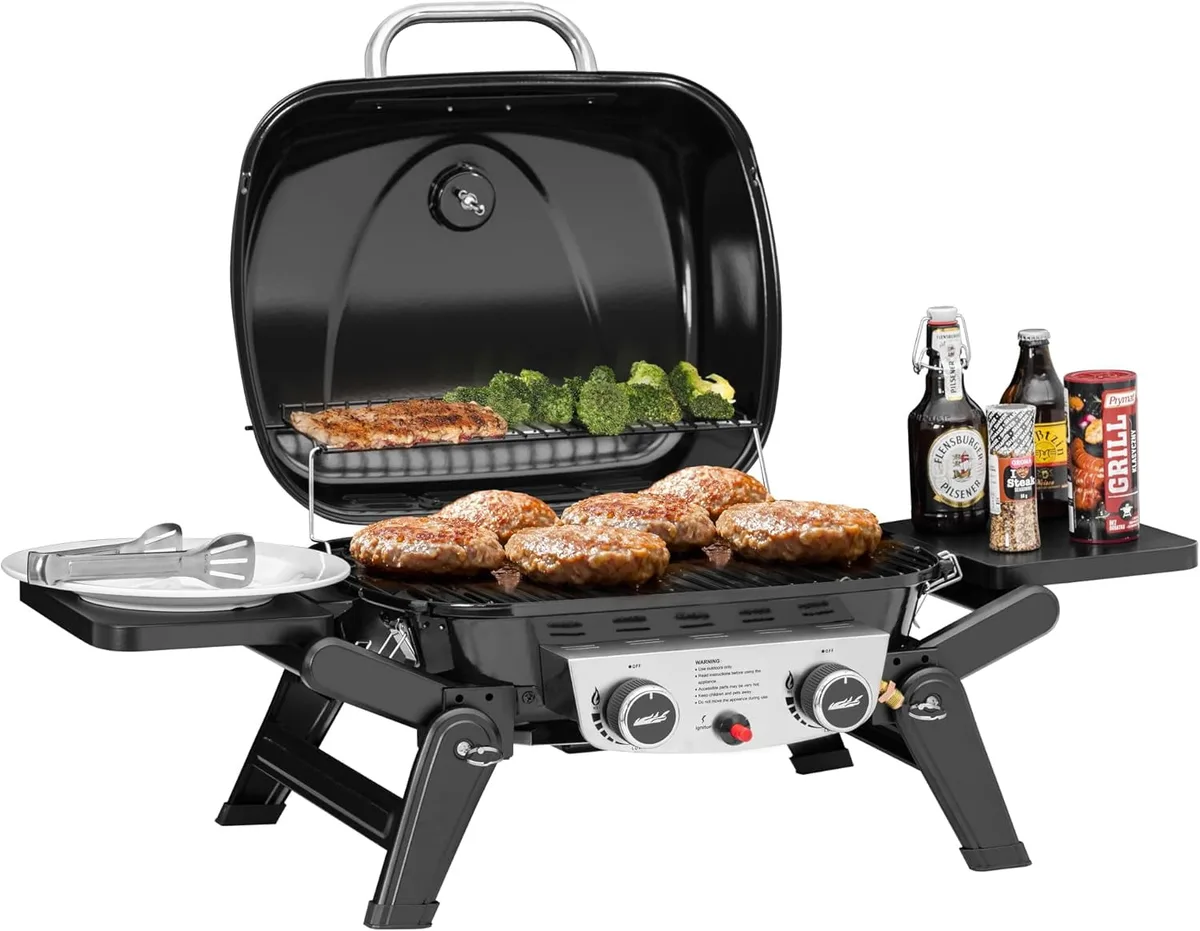
Portable grill problems and solutions matter when your cooking adventure falls apart mid-patty. Whether you are tailgating, camping, or firing up the balcony, grill failures turn a good time into a frustrating mess. Most issues come from simple maintenance gaps or misadjusted components, not broken equipment.
Manufacturer specifications show that roughly three out of five portable grill complaints involve poor flame control, rust, or ignition failure. These symptoms are fixable without professional help. Understanding how to diagnose and address them keeps your next cookout on track.
Quick Answer
Portable grill problems and solutions start with identifying the symptom first. Uneven heat usually means clogged burners or dirty flavorizer bars. Flare-ups come from grease buildup, not too much fuel.
Ignition failure often traces back to a tripped regulator or dead battery. Cleaning and inspection fix most common issues before they become expensive replacements.
Common Portable Grill Problems That Ruin Your Cookout
You spend time setting up your portable grill, fire it up, and then something goes wrong. The flame sputters. Food sticks.
Grease flares blow smoke in your face. These moments happen more often than you might expect, but they are rarely permanent damage.
Most portable grill problems fall into a predictable pattern. You can trace almost any issue back to one of three root causes. Grease management fails and causes flare-ups.
Airflow gets blocked by debris and starves the burners. Components loosen from vibration during transport and lose their seal.
Here is what aggregate user feedback and manufacturer service data consistently flag as the top complaints.
- Flame inconsistency across burners
- Grease fires ruining food and safety
- Rust forming on grates within months
- Regulator trips shutting off gas flow
- Ignition systems failing to spark
- Heat distribution creating hot spots
- Wind interference ruining temperature control
- Folding hardware becoming loose or detached
Each of these problems has a logical fix. You do not need a certified technician for most of them. Basic tools, cleaning supplies, and a bit of patience handle the majority of issues.
Understanding the symptom helps you skip straight to the right solution. We will walk through a diagnostic approach next so you can pinpoint your specific problem quickly.
How to Diagnose Your Issue (Symptom-Based Decision Tree)
When your portable grill acts up, the fastest path to a fix starts with careful observation. You need to figure out what triggered the issue before replacing parts blindly. This saves money and stops repeated failures.
Use this step-by-step decision process to narrow down your problem. Start with the symptom you notice and follow the branch that matches your situation.
Uneven Heating and Hot Spots
Check if the heat is uneven only on startup or throughout the entire cook. If it is consistent, look for clogged burner ports. Remove the cooking grates and inspect the flavorizer bars underneath.
Food residue and spilled fat block airflow and create cold zones. Clean them with a brass brush before reassembly.
Flare-Ups and Grease Fires
If flames shoot up when you add food, the drip tray or grease channel is overloaded. Empty and clean the collection system before every cook session. Heavy grease accumulation ignites easily and creates dangerous smoke.
Some models include removable drip pans for easier maintenance.
Ignition Fails or Sparks Don't Fire
Built-in igniters fail most often from worn electrodes or dead batteries in match-light models. Check electrode positioning. The spark must land close enough to the burner port but not touching metal.
Replace cracked insulators promptly. Battery-operated versions need fresh cells annually.
Low Flame, Weak Heat, or Propane Running Out Fast
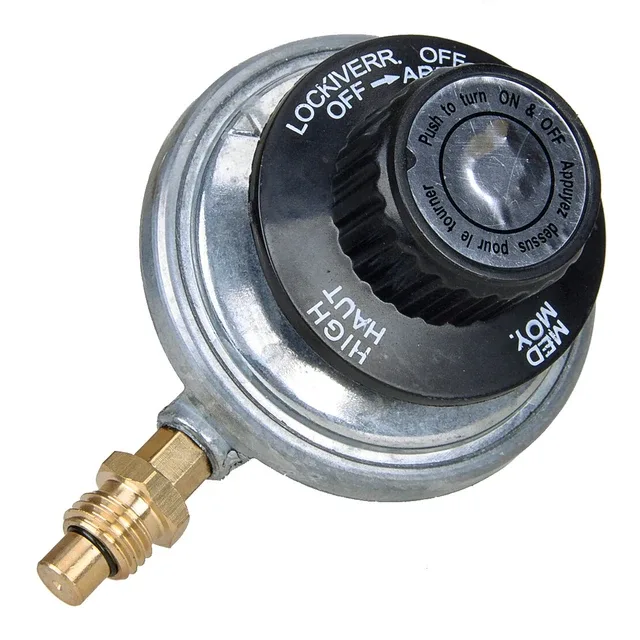
Low flame despite an open tank valve points to regulator restriction. The excess-flow safety device may have activated from a valve opened too quickly. Turn off the tank, disconnect the hose, then reconnect and reopen the tank valve slowly.
This resets the safety mechanism in most cases.
Gas Smell or Regulator Trip Issues
A propane odor without ignition means a leak somewhere in the gas path. Never ignore this sign. Connect a soapy water solution to every fitting and joint.
Bubbles form where gas escapes. Tighten connections or replace cracked hoses before using the grill again.
Rust, Corrosion, and Hard-to-Clean Surfaces
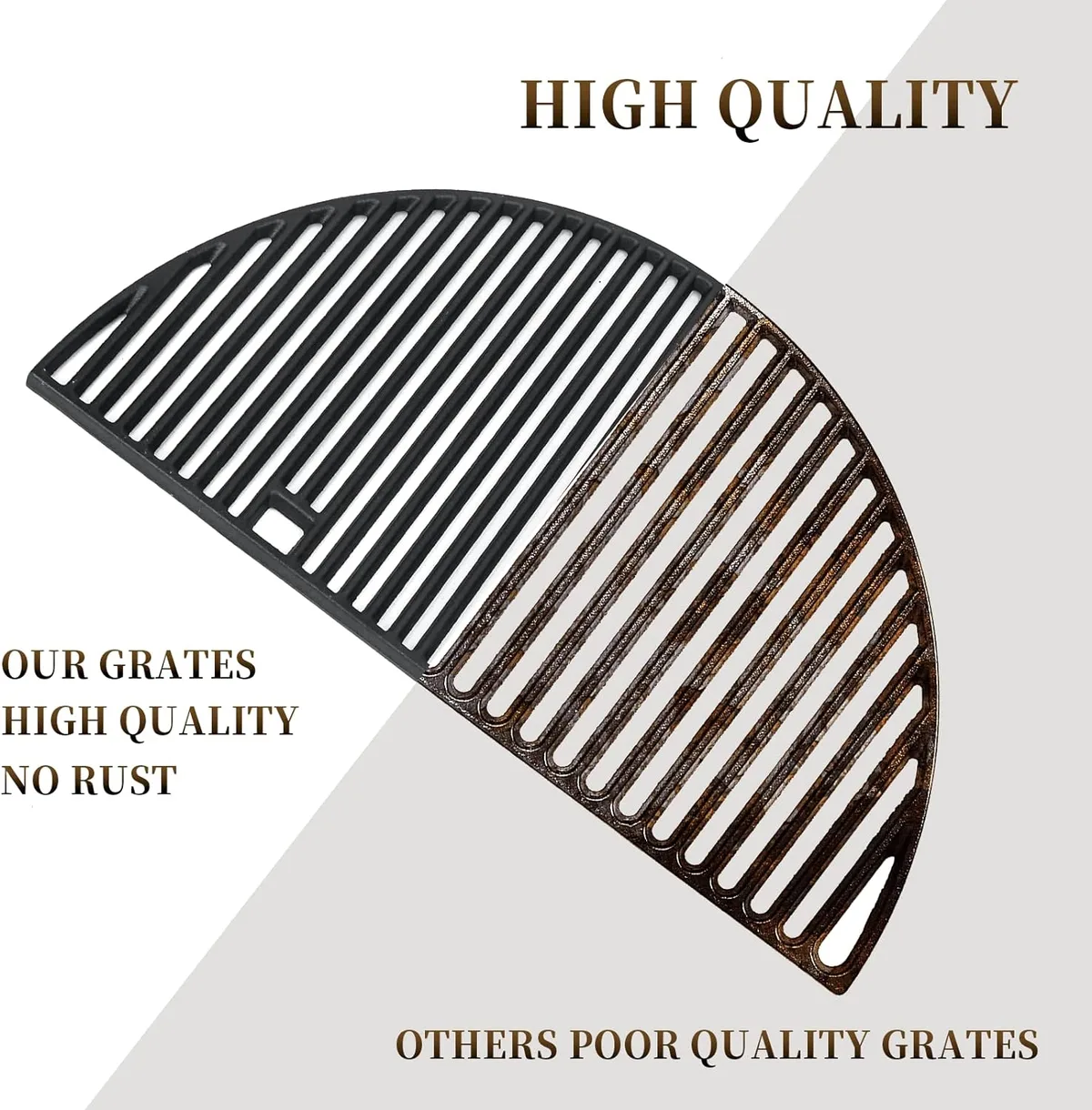
Moisture trapped under closed lids creates condensation overnight. This leads to surface oxidation on bare steel and cast iron grates. Wipe grates dry after cooking and leave the lid partially open during cool-down.
A thin coat of cooking oil after cleaning prevents flash rust between uses.
Wobbly Legs, Broken Hinges, and Hardware Failures
Lid hinge wear and spring fatigue cause folding lids to droop. Inspect the stay mechanism for bent arms or stripped pivot points. Lubricate moving joints with high-temperature grease.
If springs lose tension, replacement kits are available from most major manufacturers.
Using this structured approach cuts troubleshooting time significantly. Instead of guessing which part to replace, you target the actual failure point directly.
The Fix for Each Problem You Encounter
Once you identify the symptom, the fix follows a clear path. Here is how to resolve each common issue without calling a professional.
For uneven heating, start by removing and cleaning the flavorizer bars. Use a wire brush to clear carbon buildup from the burner ports. Reassemble everything and test the flame pattern.
If one burner still runs weak, the venturi tube may be partially blocked. Clean it with a flexible brush designed for burner tubes.
For persistent hot spots, check whether your cooking grates are warped. Place a straight edge across the surface to verify flatness. Warped grates create gaps where heat escapes upward instead of spreading laterally.
Replace them rather than attempting to bend them back into shape.
For grease-related problems, empty the drip tray before every use. Use a grill brush while the grates are still warm to remove food particles. For stubborn residue, soak removable parts in warm soapy water.
Dry everything completely before reassembly to prevent rust.
For ignition failures, test the spark gap first. It should sit about one-eighth inch from the burner port. Clean any corrosion from the electrode with fine sandpaper.
Replace the electrode if the ceramic insulator is cracked. For battery-powered igniters, swap in fresh batteries annually.
For regulator trips, follow the reset procedure exactly. Close the tank valve. Turn all burner knobs to off.
Disconnect the hose from the tank. Wait thirty seconds. Reconnect the hose tightly.
Open the tank valve slowly, no more than a quarter turn at a time. Try lighting the grill again.
For rust prevention, address surface rust immediately. Use a wire brush to remove loose corrosion. Rinse and dry the grate thoroughly.
Apply a thin layer of cooking oil and heat the grill to season the surface. This restores protection and prevents the rust from returning quickly.
For loose hardware, tighten all bolts and screws after each trip. Vibration during transport works fasteners loose over time. Keep a small toolkit in your gear bag for on-the-go adjustments.
Replace stripped threads with helicoil inserts if needed.
Mistakes That Make Portable Grill Problems Worse
Most portable grill damage happens because owners skip basic prevention steps or make well-meaning but harmful choices. Here are the most common mistakes we see repeated in repair calls and customer service reports.
Ignoring small problems until they become catastrophic failures. A minor grease buildup becomes a stubborn carbon layer within weeks. Loose hardware vibrates itself completely undone over multiple trips.
Addressing issues early prevents costly replacements later.
Using metal brushes aggressively on porcelain-enameled grates. These coatings chip easily, exposing bare metal to rust underneath. The scratched surface then flakes into your food and degrades further with each heating cycle.
Switch to nylon brushes or wooden scrapers for coated surfaces.
Storing the grill wet or with the lid closed immediately after cooking. Trapped moisture accelerates rust formation inside the cooking chamber and on internal components. Always allow the grill to air dry completely before closing and storing.
Leave the lid slightly ajar during cool-down to promote ventilation.
Opening the propane tank valve too quickly. This rapid gas rush triggers the regulator's excess-flow safety device, cutting off fuel supply unexpectedly. New users often panic and think their grill is broken when this happens.
The fix is simple. Close the valve fully, wait ten seconds, then reopen slowly.
Neglecting to check hose condition before each use. Cracked, brittle, or worn gas hoses can develop leaks that pose serious fire and carbon monoxide hazards. Inspect the entire hose length for cracks, abrasions, or soft spots annually and replace immediately if you find any damage.
Attempting DIY repairs on gas pathway components. The regulator, hose assembly, and burner tubes operate under pressure and require specific torque specifications. Incorrect reassembly can create dangerous gas leaks.
Consult your owner's manual or contact the manufacturer for approved replacement parts and procedures.
Preventing Future Issues (Maintenance Schedule)
A consistent maintenance routine prevents ninety percent of portable grill problems before they start. Think of it like caring for any outdoor equipment. Regular attention pays massive dividends in performance and lifespan.
Create a simple schedule based on how frequently you cook. Light weekend users still need seasonal preparation and winterization. Frequent cooks require more aggressive upkeep between uses.
After Every Cook Session:
Brush cooking grates while warm to remove food residue
Empty grease collection tray if equipped
Wipe exterior surfaces with a damp cloth
Leave lid partially open to air dry interior
Monthly Maintenance:
Inspect burner ports for debris or spider nests
Check all connection points for tightness
Examine hoses and fittings for wear or cracks
Clean flavorizer bars thoroughly
Verify ignition electrode positioning
Seasonal Deep Cleaning:
Disassemble and soak removable components in warm soapy water
Scrub burner tubes internally with appropriate brushes
Apply high-temperature paint to any bare metal showing early rust
Replace worn or damaged gaskets and seals
Store propane tank disconnected and upright in a ventilated area
Weather protection makes a significant difference in component longevity. Use a fitted grill cover when storage space allows. Covers shield against rain, UV degradation, and falling debris that clogs burners between uses.
Keep your owner's manual accessible for model-specific guidance. Each manufacturer designs unique vent configurations, burner layouts, and part interchanges. Following their specifications ensures proper assembly and safe operation throughout the grill's service life.
Record maintenance dates in a simple log or phone reminder. This habit helps you spot recurring issues and plan preventive care before problems interrupt your cooking plans. Most portable grills last five to ten years with proper care, depending on usage intensity and climate exposure.
Portable Grill Problems and Solutions FAQ
Why does my portable grill keep tripping the regulator?
The regulator trips to prevent unsafe gas flow when it detects a sudden pressure change. This commonly happens when the tank valve opens too fast or when hose connections are loose. Reset by closing the tank, disconnecting the hose, reconnecting firmly, then reopening the tank valve slowly before retrying ignition.
How do I fix uneven heat on my small portable grill?
Clean clogged burner ports and flavorizer bars with appropriate brushes. Check for warped grates that create gaps in heat distribution. Position your grill to minimize wind exposure since portable units lack heavy mass to resist drafts.
Rearrange foods to avoid the weakest heat zones during cooking.
What causes flare-ups and how can I stop them?
Flare-ups occur when dripping fat hits open flames below the cooking surface. Prevent them by emptying grease trays regularly, patting meats dry before grilling, trimming excess fat caps, and keeping a fire extinguisher or baking soda nearby. Move foods to cooler zones immediately if flames spike.
Why won't my portable grill light even with a full tank?
Check for a tripped regulator first by resetting the system. Inspect spark electrodes for proper gap positioning and clean any corrosion. Verify the igniter battery has charge if applicable.
Ensure the gas hose is fully connected and kink-free before attempting to relight the burner.
How often should I clean my portable grill to prevent problems?
Clean cooking grates after each use while still warm using a stiff brush. Empty and wash grease collection systems weekly during active use seasons. Perform a thorough deep clean of burners, flavorizer bars, and interior surfaces at least once per month throughout the cooking season.
Does a portable grill need special seasoning?
Seasoning is essential for cast iron and bare steel grates but not for porcelain-enameled or stainless steel surfaces. Seasoning creates a natural non-stick layer and prevents rust by polymerizing oil onto the metal. Apply a thin coat of high-smoke-point oil like canola or vegetable oil to clean, dry grates, then heat the grill to 400°F for 30 minutes.
Repeat two to three times for best results before your first cook.
How do I know when my portable grill needs professional repair?
Replace components yourself if they are simple wear items like igniter electrodes, drip pans, or cooking grates. Seek professional service when you detect cracks in burner tubes, persistent gas odors after proper leak testing, or regulator failures that reset procedures cannot fix. Manufacturer warranty coverage may also require certified technicians for certain repairs.
What's the difference between portable propane and charcoal grills regarding maintenance?
Propane grills need regular cleaning of burners, flavorizer bars, and inspection of hoses and regulators for leaks. Charcoal grills require ash removal after each use, grate scraping, and vent clearing to maintain airflow. Propane models have more mechanical complexity but offer convenience.
Charcoal models have fewer parts to fail but create more residue to manage. Choose based on whether you prioritize ease of ignition or smoky flavor authenticity.
Can extreme weather damage my portable grill?
Freezing temperatures can damage propane tank valves and degrade rubber hose components over time. High humidity accelerates rust formation on steel components and weakens electrical connections in electronic ignition systems. UV exposure breaks down plastic handles and fades finish coatings.
Store your grill in a garage or shed during winter months, or use a waterproof cover rated for outdoor storage to extend component lifespan significantly.
Is it safe to use a portable grill in enclosed spaces?
No. Portable grills should never be used indoors, in garages, tents, or any enclosed space. Propane and charcoal grills produce carbon monoxide, an odorless gas that can cause serious illness or death.
Always cook outdoors in well-ventilated areas according to safety guidelines from organizations like the Consumer Product Safety Commission.
Final Recommendation / Verdict / Decision Guide
Portable grill problems are rarely permanent. Most failures trace back to routine maintenance gaps that anyone can address with basic tools and a bit of patience. Start by identifying your symptom, following the diagnostic path, and applying the targeted fix.
If you value convenience and quick start-up, stick with propane models and prioritize regulator resets and hose inspections. If you prefer flavor and simplicity, choose charcoal variants and commit to regular ash and grate cleaning. Either way, a monthly maintenance rhythm and seasonal deep clean will keep your grill performing reliably for years.

Sophia Martinez is a culinary lifestyle writer and product reviewer for DiningGadgets.com. Passionate about blending style with functionality, she explores the latest dining essentials, kitchen décor, and cleaning hacks that transform everyday cooking spaces. With a background in home organization and design, Sophia brings readers expert advice on creating beautiful, practical kitchens that truly feel like the heart of the home.