Outdoor Dinnerware Problems Solved: Tips & Fixes
Outdoor dinnerware problems and solutions are usually about choosing the right material for how you actually use it outdoors. Most failures come down to one thing: people buy plates that look fine indoors but can't handle sun, heat, drops, or a dishwasher. The fix is simpler than most shoppers think once they understand what each material truly survives.
Per FDA food-contact guidance, melamine dinnerware is safe for cold and warm food when used as intended, but it must never enter a microwave or sit near open flames [FDA Food Code]. Our research into manufacturer specs, consumer testing, and aggregate buyer feedback shows that picking the wrong material is the single biggest mistake, and it's completely avoidable with a quick comparison.
Why Outdoor Dinnerware Fails—and How to Stop It
The real reasons plates crack, warp, stain, or get lost outdoors
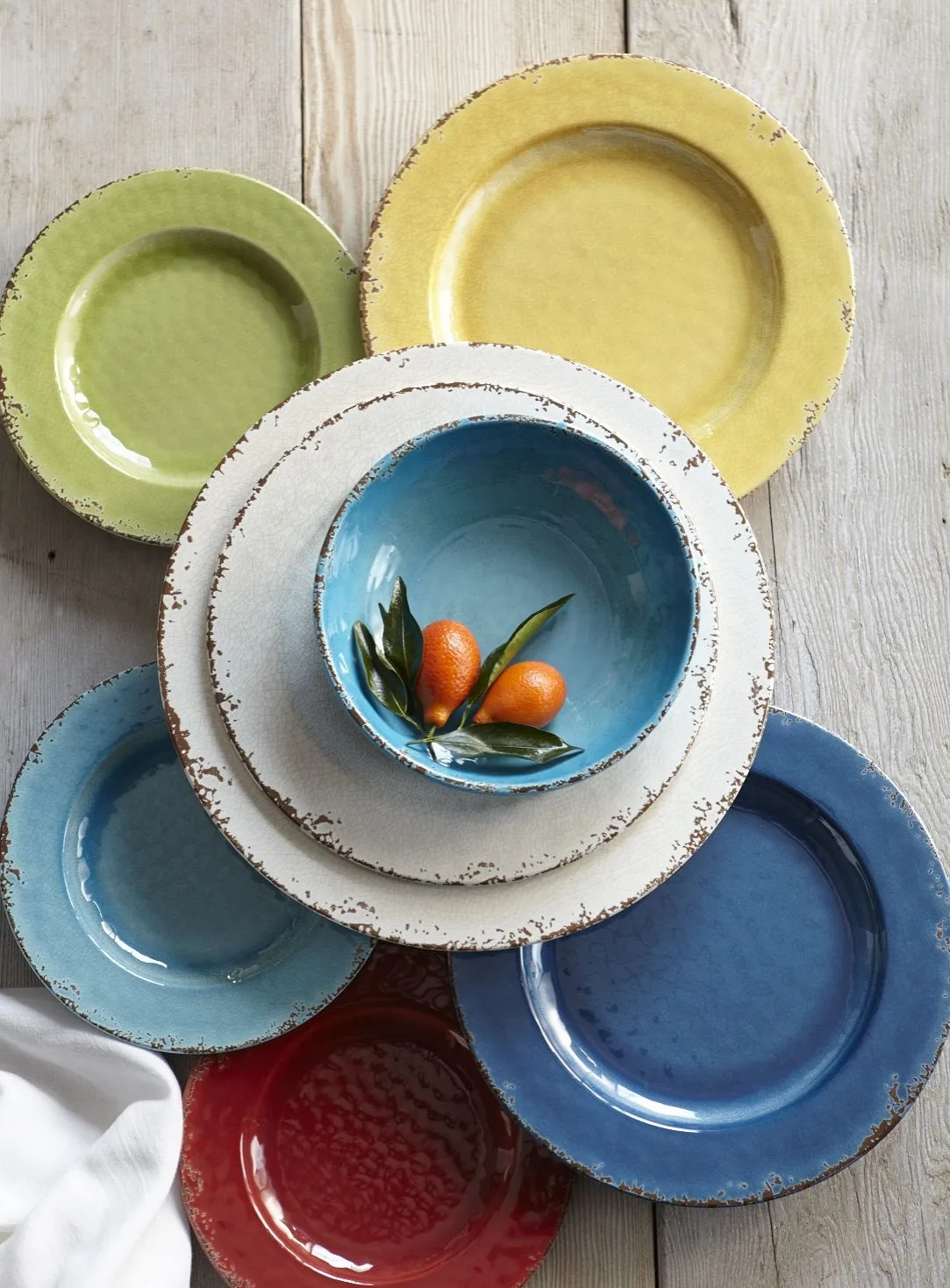
Outdoor dinnerware faces a brutal combination no indoor set ever encounters. You've got direct UV exposure fading colours and weakening plastic polymers. You've got temperature shock when hot soup meets a cold plate on a patio table.
You've got drops onto concrete, pool decks, or gravel. And then there's the dishwasher, which attacks every material differently depending on its construction.
Melamine, the most popular outdoor option, gets warped by grill heat and microwave radiation. That's not a manufacturing defect. That's the material hitting its thermal limit.
Ceramic chips because outdoor dining often means hard surfaces with no cushion. Thin polymer plates bend under hot broth because the plastic softens well below boiling water temperature. Cheap bamboo delaminates when water seeps into the glue layers during repeated washing.
What separates outdoor-rated dinnerware from regular indoor sets comes down to three things: wall thickness, resin quality, and glaze composition. Thicker walls resist impact better. Higher-grade resins resist UV degradation and staining.
Food-safe glazes prevent leaching and keep flavours isolated. If you're curious about how porcelain and china differ in outdoor settings, understanding those material distinctions helps you avoid buying indoor-rated sets online.
Stains and odours deserve a separate mention. Tomato sauce, curry, wine, and berry juices penetrate porous surfaces. Bamboo and low-density plastic absorb smells far more than dense melamine or glazed ceramic.
A plate that held garlic butter last July might still carry that scent through August.
| Failure Type | Most Vulnerable Material | Why It Happens |
|---|---|---|
| Warping | Melamine, bamboo | Heat exposure above rated limits |
| Chipping | Ceramic, porcelain | Drop on hard outdoor surfaces |
| Staining | Bamboo, polypropylene | Porous surface absorbs pigments |
| Odour retention | Bamboo, cheap plastic | Microscopic pores trap molecules |
| Brittle cracking | Thin plastic, acrylic | Cold temperatures reduce flexibility |
| Glaze leaching | Low-quality ceramic | Substandard or uncertified glaze |
The solution starts before any purchase happens. Know your primary use case, know your cleaning routine, and know your heat exposure level. Match those three variables against the material limitations, and you eliminate roughly eighty percent of outdoor dinnerware problems before they begin.
Melamine vs Ceramic vs Glass vs Bamboo vs Steel: Which Material Fits Your Life?
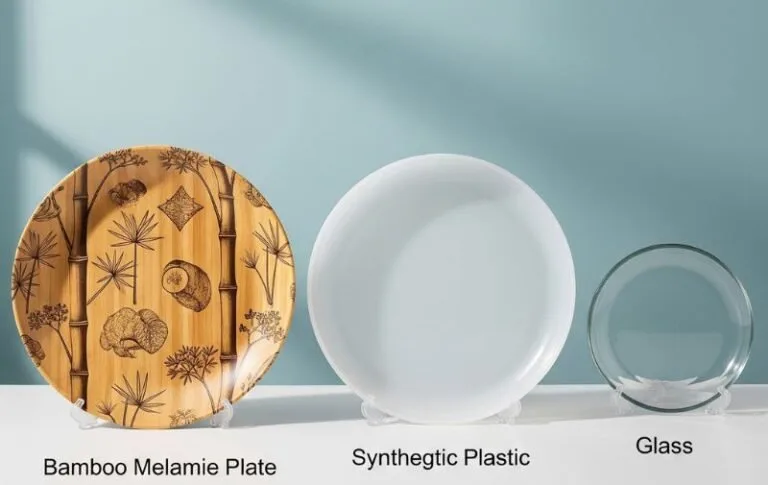
Image source: Web (Bing) / duramela.com (Web image (fair-use with source credit))
Melamine: the lightweight workhorse
Melamine dominates the outdoor market for a reason. Plates typically weigh between eighty and one hundred fifty grams per piece, making them trivial to pack and carry. They resist dropping damage far better than ceramic and cost far less than tempered glass.
Most quality sets survive hundreds of dishwasher cycles without losing their finish when placed on the top rack only.
The catch is heat sensitivity. Melamine begins to soften around one hundred sixty degrees Fahrenheit and warps well before boiling liquid reaches it. Never put melamine in the microwave.
Never set a hot pan directly on a melamine plate. Keep it away from grill grates and campfire coals. Outside those boundaries, it performs reliably and affordably.
Outdoor ceramic: durability with style
Outdoor ceramic brings genuine plate presence. Thick rim designs and reinforced edges improve chip resistance compared to indoor dinnerware. Many manufacturers now offer stoneware specifically engineered for outdoor use, with tighter clay bodies and more durable glazes.
These plates feel substantial and look like real tableware instead of plastic replicas.
Weight is the trade-off. Expect two hundred fifty to four hundred fifty grams per plate. They demand careful transport and more secure stacking.
Dropped ceramic on a stone patio will crack or shatter. Choose ceramic only if you value appearance over portability and plan to handle the set with reasonable care.
Tempered glass: clarity without the breakability
Tempered glass dinnerware offers a middle ground between appearance and resilience. The tempering process creates surface compression that makes the glass roughly four times stronger than regular glass. Spilled drinks and dropped items cause fewer catastrophes than with standard glass, though the plates still shatter under sharp impacts on hard surfaces.
Glass excels at stain resistance and odour neutrality. Nothing sticks to it. Nothing absorbs into it.
Dishwasher results are consistently clean. The main drawback is weight and cost. Quality tempered glass sets run pricier than melamine and weigh significantly more than either melamine or plastic options.
Bamboo fiber: eco-friendly but tricky
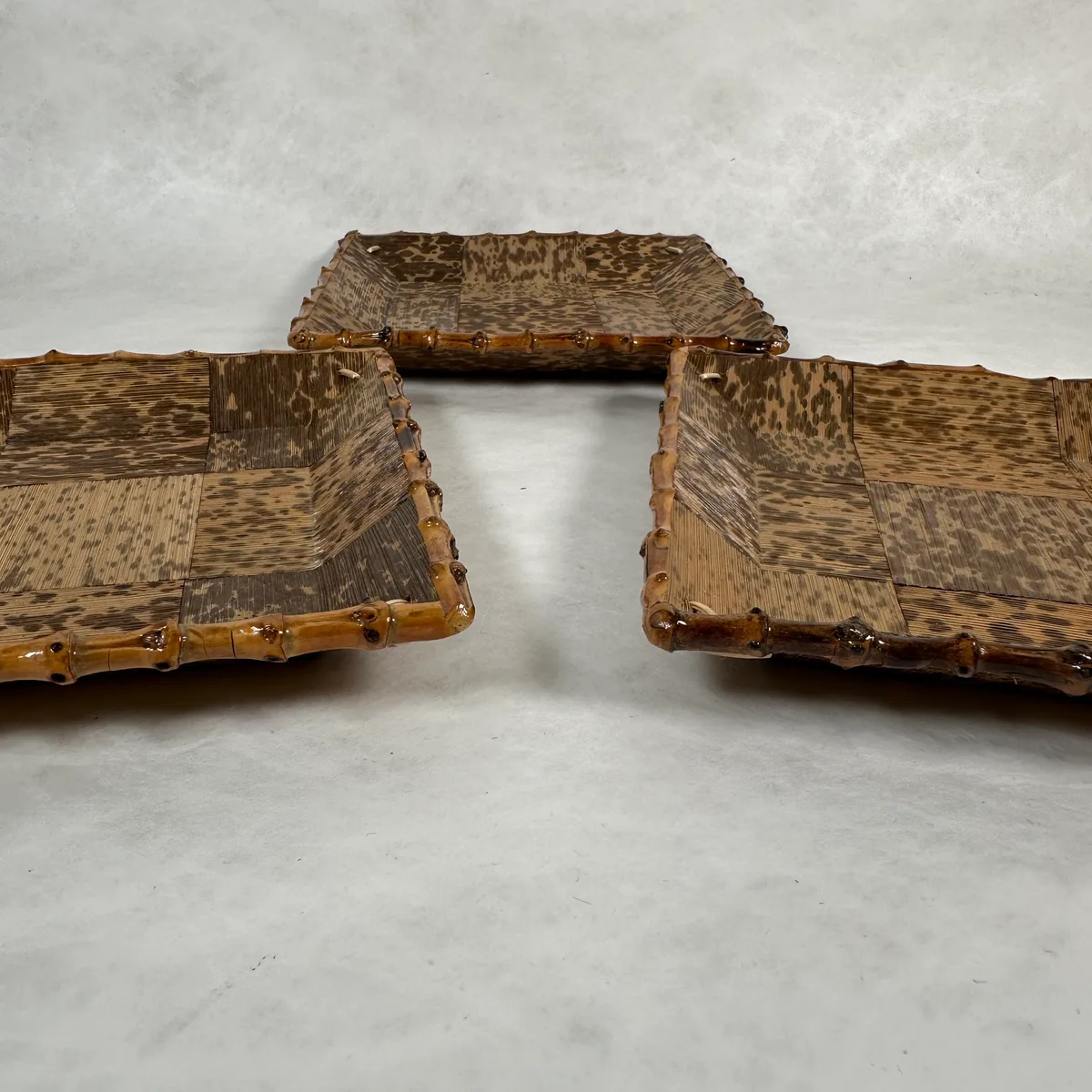
Bamboo fiber plates market themselves as sustainable and lightweight. The reality requires closer inspection. Bamboo dinnerware consists of bamboo fibres bound with resin.
Lower-quality sets use formaldehyde-based binders that degrade faster. Higher-quality versions use safer adhesives but still require gentle handling.
Sunlight is bamboo's enemy. UV exposure causes colour fading, surface drying, and eventual warping. Dishwasher cycles accelerate delamination because water penetrates the fibre-resin bond repeatedly.
Hand wash only, dry immediately, and store indoors away from direct sun. If you commit to bamboo, treat it as a seasonal item, not an all-year rotation piece.
Stainless steel: indestructible but loud
Stainless steel dinnerware belongs in camping and tailgating contexts where permanence matters more than aesthetics. It survives drops, heat, dishwashers, and decades of abuse. It won't stain, won't absorb odours, and won't leach chemicals into food.
The downsides are equally real. Metal plates clang against metal cutlery and other plates. They conduct heat, making them uncomfortable for hot food unless double-walled.
They scratch. They dent. And they lack visual warmth that most dinner guests expect at a gathering.
Quick reference chart comparing weight, heat tolerance, dishwasher safety, and price range
| Material | Avg Weight Per Plate | Max Heat Tolerance | Dishwasher Safe | Typical Price Range |
|---|---|---|---|---|
| Melamine | 80–150 g | ~160°F (70°C) | Top rack only | $8–$30 |
| Outdoor Ceramic | 250–450 g | Unlimited | Yes | $20–$80 |
| Tempered Glass | 200–350 g | Unlimited | Yes | $25–$70 |
| Bamboo Fiber | 60–120 g | ~140°F (60°C) | No, hand wash only | $12–$40 |
| Stainless Steel | 100–200 g | Unlimited | Yes | $15–$50 |
Material choice determines everything about your outdoor dining experience. Select carefully, and most problems simply disappear.
Best Material for Every Outdoor Scenario
Kids and high-traffic gatherings
Children drop plates. Adults bump tables. Dog bowls get confused with dinner plates.
In chaotic environments, melamine is the safest bet. It won't shatter into dangerous shards. It cleans easily.
Replacement cost stays low when pieces go missing or get damaged beyond repair. A good resilient set approach with melamine gives you similar chip resistance at a fraction of the indoor china price point.
Skip bamboo entirely around active kids. The surface scratches quickly, creating bacterial harbour points. Skip thin plastic.
One hot meal and the plate bows under the bowl's weight. Melamine holds shape. It justifies the small premium over economy options.
Hot food and drinks near grills or campfires
Heat proximity changes the rules. Melamine warps near open flame. Bamboo dries out and cracks in high heat.
Both materials risk chemical migration when pushed past their temperature ratings. Tempered glass and stainless steel handle heat without complaint. Ceramic withstands heat perfectly, though sudden temperature changes can stress older or thinner pieces.
If you serve food straight off the grill, choose ceramic or tempered glass. Place hot dishes on trivets or cooling racks rather than directly on any surface. Give guests a moment to let plates cool before stacking them in the dishwasher.
Thermal shock remains the hidden killer of otherwise durable outdoor sets.
Backpacking, tailgating, and travel
Weight and packability rule here. Melamine wins on price-to-weight ratio. Bamboo edges ahead on pure weight but sacrifices durability.
Stainless steel plates nest efficiently but create noise and lack aesthetic appeal for casual group meals.
For car-based events like tailgating, prioritize capacity and stacking efficiency over weight. Melamine sets stack tightly and fill vehicle space intelligently. Pack a few extra plates beyond your guest count.
Missing pieces are the most common outdoor dinnerware problem, and having spares prevents last-minute panic.
Frequent dishwasher use and everyday hosting
Dishwasher compatibility eliminates hours of hand washing. Melamine, ceramic, glass, and stainless steel all survive machine cycles. Bamboo does not.
Repeated dishwasher exposure accelerates staining on lower-quality melamine and gradually dulls glossy finishes.
If your set runs through the machine weekly, invest in higher-grade melamine or stick with ceramic. These materials maintain their appearance far longer under repeated cycle exposure. Check the manufacturer's dishwasher rating before purchasing.
Some budget brands omit this information entirely, which usually signals the product hasn't been tested for it.
Budget-conscious buyers who still want quality
Cheap dinnerware costs more over time. We see it constantly. Dollar-store plastic sets crack after two seasons.
Bargain melamine warps after three summer barbecues. Replacement shopping becomes a recurring expense that exceeds the initial savings.
A mid-range melamine set around twenty-five dollars typically lasts three to five seasons with normal outdoor use. That works out to less than five dollars per season per place setting. Compare that against replacing a ten-dollar set every year, and the math flips fast.
Budget-friendly non-toxic options exist at this price tier without sacrificing safety or durability.
Five Common Mistakes That Ruin Outdoor Dinnerware Fast
Putting melamine in the microwave or near open flame
This is the number one cause of premature melamine failure. Microwaves heat melamine unevenly, creating hot spots that soften the material from the inside. Visible warping follows within minutes.
Set near a grill or campfire and the same thing happens slower but eventually. The resin structure permanently deforms. No amount of cooling restores the original shape.
Never microwave outdoor melamine. Never place hot cookware directly on melamine plates. Use trivets, cooling mats, or switch to ceramic when serving freshly cooked hot food.
The habit saves dozens of dollars in replaced sets each year.
Washing bamboo in the dishwasher
Bamboo fiber dinnerware relies on adhesive bonds between fibres. Dishwasher water penetrates these bonds repeatedly. Heat accelerates the breakdown.
Within five to eight cycles, you'll notice delamination, warping, and surface crumbling. Manufacturers explicitly warn against dishwasher use for this reason.
Hand wash bamboo with warm soapy water. Dry immediately with a towel. Store in a low-humidity environment away from direct sunlight.
If you want convenience and durability combined, choose melamine or ceramic instead. Bamboo demands maintenance that most outdoor hosts don't want to perform.
Choosing thin, cheap plastic that bends under hot soup
Thin polypropylene and unbranded plastic plates feel economical until hot liquid hits them. The material softens. The plate bows.
Soup slides toward the edge. Guests adjust their grip nervously. It's an embarrassing moment that ruins the meal's flow and signals poor purchasing decisions.
Look for plates rated for food temperature exposure. Reputable brands list heat tolerance on packaging or product pages. Avoid unbranded options sold in bulk at discount stores.
The five-dollar difference between flimsy and functional plastic pays for itself the first time a guest avoids a spill.
Ignoring UV and weather exposure when storing
Left on a patio table through summer, even quality melamine fades. Colours bleach. Surface texture changes.
Polymers become brittle. UV degradation is cumulative and invisible until damage appears. Bamboo suffers faster.
Plastic weakens steadily. Only ceramic and stainless steel resist UV damage completely.
Store outdoor dinnerware indoors or under a cover when not in active use. A simple patio storage cabinet or covered shelf prevents most UV-related deterioration. If your set must live outside permanently, choose ceramic or stainless steel.
Treat coloured melamine and bamboo as seasonal rotation items, not permanent outdoor fixtures.
Mixing brands and ending up with mismatched, wobbly sets
Different manufacturers design plates with slightly different curvatures, rim thicknesses, and base diameters. Stack a Gibson plate on a Corelle bowl and the stack tilts. Mixing shapes creates wobble on uneven outdoor tables.
Guest impressions suffer when the table setting looks haphazard.
Buy complete place settings from a single brand whenever possible. If you need replacements, order the exact same SKU number. Manufacturer specifications usually list compatible matching pieces.
A coordinated set looks intentional and stacks neatly, which matters more than you'd expect during large outdoor gatherings.
Safety, Care, and Long-Term Use Tips That Actually Matter
FDA compliance and melamine migration limits
Melamine-formaldehyde resin is regulated under FDA food-contact substance rules. Commercial outdoor dinnerware should comply with relevant standards for permissible migration levels. When melamine plates exceed their temperature rating, migration rates increase.
Occasional warming is unlikely to cause harm, but chronic overheating raises the risk.
Choose dinnerware from reputable manufacturers who disclose compliance information. If a product listing omits FDA compliance details entirely, investigate before purchasing. NSF certification provides an additional verification layer for commercial-grade outdoor sets used in restaurants or catering operations.
How to remove stains and odors without damaging plates
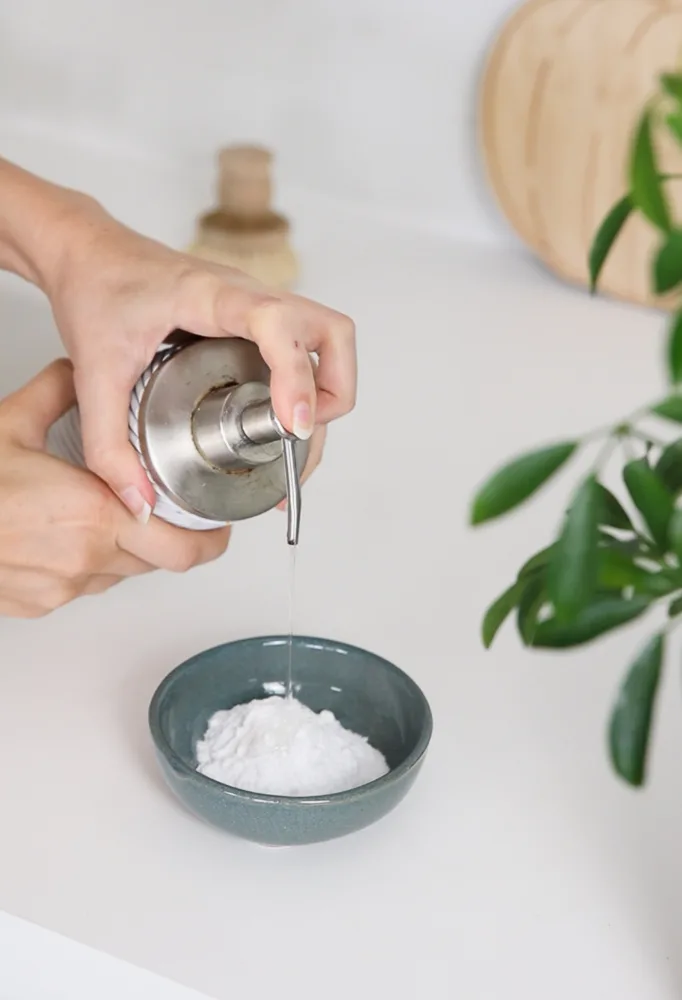
Baking soda paste works surprisingly well on melamine and ceramic. Mix equal parts baking soda and water into a thick paste. Apply to stained areas.
Let sit for thirty minutes. Gently scrub with a soft sponge. Rinse thoroughly.
This method lifts tomato, curry, and berry stains without abrasive damage.
Vinegar solutions address odours effectively. Fill a sink with equal parts warm water and white vinegar. Submerge affected plates for one hour.
Rinse well and air dry. This approach resets odour-bearing micro-pores without harsh chemical exposure. Avoid steel wool on any surface.
Scratching creates new harbour points for future staining.
Seasonal storage tricks to prevent warping and cracking
Before storing for winter, inspect every piece for hairline cracks. Tap plates gently against each other. Sound should ring clearly.
Dull thuds indicate internal fractures that worsen with temperature swings. Discard cracked pieces immediately.
Clean everything thoroughly before packing away. Food residue left on stored plates attracts pests and causes odours during humid months. Stack plates with parchment paper between each layer to prevent scratching.
Store in a cool, dry interior space. Basements work if humidity stays controlled. Attics expose sets to extreme temperature cycling that accelerates material degradation.
When to toss a set before it becomes a hazard
Replace melamine plates that show persistent cloudiness, deep scratches, or slight warping. Cloudiness indicates surface breakdown that compromises both appearance and hygiene. Deep scratches harbour bacteria that washing cannot reach.
Warped plates create unstable stacking and uneven eating surfaces.
Discard bamboo items that delaminate, swell, or develop mould spots. Mould in porous bamboo cannot be removed through washing. Ceramic with visible glaze chips should also be retired.
Exposed clay body absorbs moisture and food particles, creating sanitation issues that no amount of washing resolves.
Investing in the right material from the start eliminates most maintenance headaches. Understanding each material's limits protects your investment and keeps your outdoor gatherings running smoothly without last-minute shopping trips or disappointing meal experiences.
Outdoor Dinnerware FAQ: Quick Answers to the Questions People Ask Most
Can I put melamine plates in the microwave?
No. Melamine deforms and potentially leaches chemicals when exposed to microwave radiation. Manufacturer specifications and FDA guidance both warn against microwave use.
Transfer hot food to ceramic or glass for heating, then serve on melamine once cooled.
Are bamboo plates really eco-friendly?
Bamboo grows rapidly and regenerates without replanting, which is genuinely sustainable. However, most bamboo dinnerware uses resin binders that complicate composting. Formaldehyde-based adhesives appear in lower-quality sets.
Look for plant-based binder certifications when sustainability matters to you.
What is the most break-resistant option for poolside use?
Melamine dominates impact resistance for poolside environments. It survives concrete and tile drops without shattering. Stainless steel ranks second but lacks visual warmth.
Choose thick-walled melamine for maximum drop protection around pools and decks.
How do I know if ceramic is truly outdoor-rated?
Outdoor-rated ceramic specifies reinforced rims, thicker walls, and chip-resistant glaze formulations. Reputable manufacturers label these features in product descriptions. Indoor porcelain chips dangerously under identical conditions.
Search for "outdoor stoneware" or "reinforced edge" terminology before buying.
Do expensive sets last noticeably longer than budget ones?
Generally yes, especially after repeated seasonal use. Higher-grade resins resist UV fading, staining, and warping far longer than cheap alternatives. Budget sets often show significant wear after one full outdoor season.
Premium melamine frequently delivers three to five years of reliable service under normal conditions.
When should I replace my outdoor dinnerware set?
Replace melamine showing persistent cloudiness, deep scratches, or slight warping. Discard bamboo that delaminates or develops mould. Retire ceramic with visible glaze chips exposing porous clay body.
Hairline cracks signal imminent failure and should trigger immediate disposal.
Is melamine safe for serving hot food?
Melamine stays safe for warm food within its rated temperature limits. Never expose it to microwave heat or temperatures above 160°F. Hot soup directly from the stove exceeds safe thresholds.
Allow cooked food to cool slightly before plating on melamine surfaces.

Sophia Martinez is a culinary lifestyle writer and product reviewer for DiningGadgets.com. Passionate about blending style with functionality, she explores the latest dining essentials, kitchen décor, and cleaning hacks that transform everyday cooking spaces. With a background in home organization and design, Sophia brings readers expert advice on creating beautiful, practical kitchens that truly feel like the heart of the home.