Common Outdoor Dining Set Problems (and How to Fix Them)
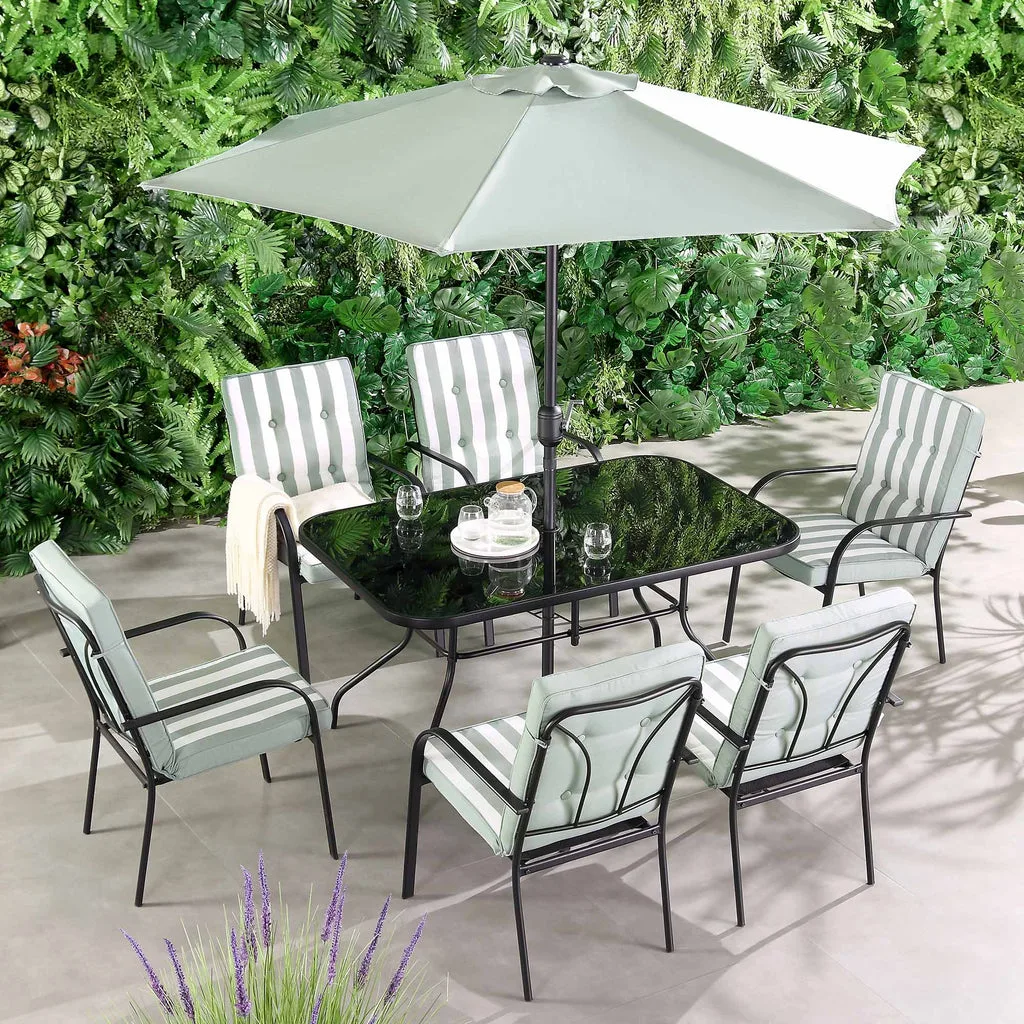
Image source: Web (Bing) / daals.co.uk (Web image (fair-use with source credit))
Most outdoor dining sets arrive home looking perfect. Then one harsh summer reveals every design flaw. Wobbly joints, cracked resin wicker, rusted steel frames, and mildewed cushions turn your patio into a money pit if you don't know what to watch for.
These failures follow predictable patterns. Manufacturer specifications and aggregate buyer reports consistently point to five failure categories: frame corrosion, fabric degradation, joint loosening, glass stress fractures, and structural warp. Understanding which problem hits hardest in your climate stops most buyer's remorse before it starts.
Per ASTM F2151 outdoor furniture durability standards, frame corrosion alone accounts for the largest volume of replacement claims each season. Here is exactly what goes wrong, how to prevent it, and which materials survive longest in real weather conditions.
Quick Answer
Outdoor dining set problems and solutions boil down to three categories: material failure, hardware loosening, and environmental damage. The fastest fixes involve tightening joints, applying touch-up paint, and replacing worn cushions. The best long-term solutions start with choosing powder-coated aluminum or solid teak for your climate zone.
Common Outdoor Dining Set Problems (And Why They Happen)
The real failure points we see every season
Wobbly tables and chairs represent the single most reported complaint across aggregate buyer reviews. Loose joints, warped frames, and uneven feet combine to create an annoying shake that gets worse with each meal. Temperature swings cause metal and wood to expand and contract at different rates.
This movement gradually backs out screws and weakens dowel connections.
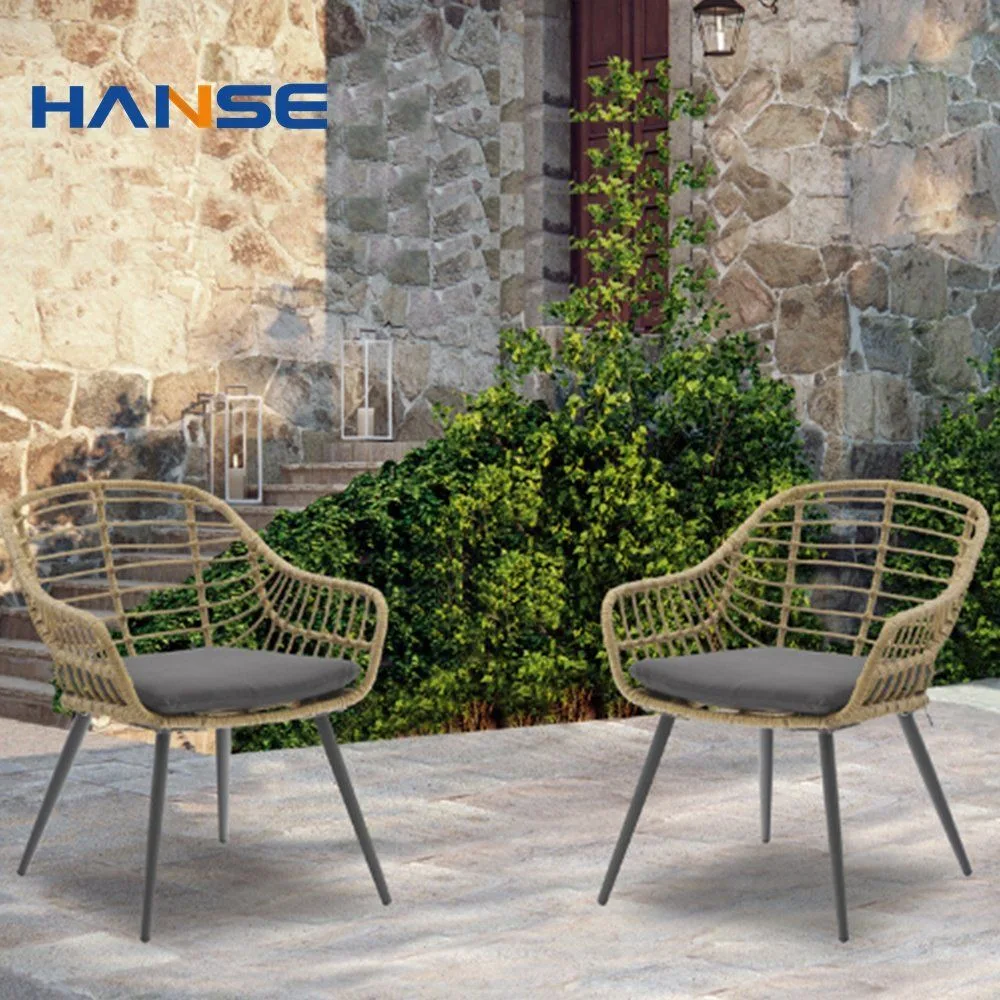
Resin wicker deterioration follows a similar pattern driven by UV exposure. Cheap synthetic resin becomes brittle after one intense summer. The weave cracks along stress points near armrests and seat edges.
Quality brands using solution-dyed acrylic fibers resist this breakdown significantly longer. Always check the fade warranty before purchasing.
Cushion fabric mildew thrives in humid climates where moisture gets trapped between layers. Polyester fabrics without antimicrobial treatment develop permanent odors within two seasons. Solution-dyed acrylic options shed water faster and resist staining.
Look for quick-dry foam cores and removable covers with zipper closures.
Source: Bing (Web (fair-use with source credit))
Powder-coated steel frames deliver strong value but surrender quickly once the coating scratches through. Bare metal exposed to rain develops surface rust within weeks. Touch-up paint markers work for small chips.
Larger scratches require sanding and repainting to stop the spread. This is why checking the coating thickness during purchase matters more than you might think.
Tempered glass tops crack from thermal shock when direct sunlight heats one section while shade cools another. Impact damage from dropped items creates spiderweb fractures that weaken the entire panel. Most manufacturers specify maximum temperature differential limits.
Avoid placing hot cookware directly on glass surfaces. Use trivets and coasters consistently.
Umbrella holes widen in thin-gauge cast aluminum tables over time. The repeated insertion and removal of umbrella poles stretches the mount. Cracks radiate outward from the hole edge.
Tabletop replacement becomes necessary once cracks exceed half an inch. Some buyers reinforce the area with clear silicone sealant as a temporary fix.
Natural rattan and cane materials rot rapidly in humid environments. These organic fibers absorb moisture and swell. Mold spreads inside the weave where cleaning never reaches.
Reserve natural rattan for covered patios only. Synthetic alternatives replicate the look without the biological vulnerability.
Sling chairs sag as bungee cords lose tension from constant weight and sun exposure. The fabric droops into an uncomfortable hammock shape. Replacement bungee kits cost roughly ten dollars.
Replacing worn cords extends chair life by five years or more. Most chair frames support standard bungee sizes. Check measurements before ordering replacements.
Material Showdown: Aluminum, Steel, Teak, Resin Wicker & More
Side-by-side breakdown of what lasts, what fails, and why
Powder-coated aluminum dominates the mid-range market for good reason. The material resists rust completely while staying light enough for easy seasonal rearrangement. Frame weights typically range from forty to eighty pounds per table.
This makes relocation simple for cleaning or winter storage. Powder coating thickness should measure at least two mils for adequate scratch protection.
Stainless steel options command premium prices but deliver the highest corrosion resistance available. Marine-grade 316 stainless withstands salt air indefinitely. Standard 304 grade handles inland humidity well.
Expect to pay two to three times more than aluminum equivalents. The heavy weight provides stability but complicates moving during seasonal transitions.
Powder-coated steel occupies the budget tier with decent performance when maintained properly. Coating defects appear frequently in lower-priced models. Scratches expose bare steel to rapid oxidation.
Regular touch-up application prevents the rust cycle from starting. Steel sets often include weight for wind stability, which eliminates tip-over concerns on deck surfaces.
Solid teak offers exceptional longevity with minimal intervention. Natural oils within the wood resist rot, insects, and moisture absorption. Untreated teak silver patinas over twelve to eighteen months.
Applying teak sealant preserves the original honey color instead. Expect premium pricing but twenty-plus year service lives with proper care.
Acacia and eucalyptus woods provide budget-friendly teak alternatives at half the cost. Both species contain natural oils but require more frequent sealing than genuine teak. Annual oil treatment prevents checking and warping.
Skipping maintenance accelerates grain raising and surface roughness significantly.
Synthetic resin wicker delivers the classic patio aesthetic without organic vulnerabilities. Quality strands resist fading, cracking, and moisture damage for eight to ten years. Cheaper formulations degrade faster under intense UV exposure.
Solution-dyed fibers maintain color longer than coated alternatives. Always verify UV resistance ratings before purchasing a full set.
Natural rattan and cane look beautiful but belong primarily indoors. Outdoors, these materials absorb ambient humidity and develop mold within months. Covered porch placement extends usable life somewhat.
Even then, the material requires protective sealants reapplied every single season to remain viable outdoors.
Tempered glass tabletops present easy cleaning advantages alongside shatter risk from thermal stress. Impact-resistant laminated glass offers an alternative but costs substantially more. Round glass tops distribute thermal stress more evenly than rectangular designs with concentrated corner stress points.
How to Choose the Right Set for Your Space & Climate
Practical guidance that prevents buyer's remorse before you order
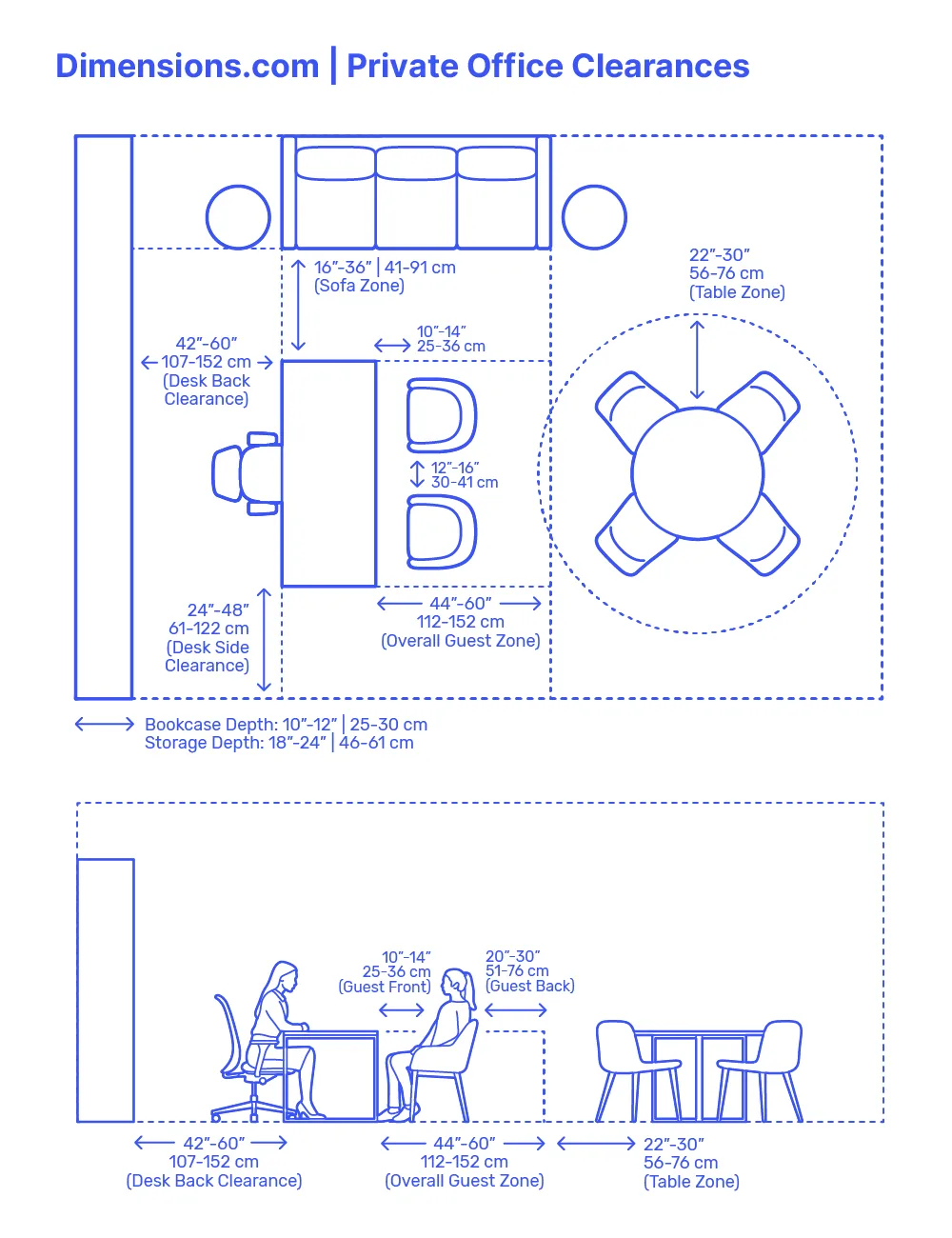
Measuring your outdoor area accurately prevents most selection mistakes. Record length, width, and any fixed obstacles like pillars, planters, or pool edges. Leave minimum clearance of thirty-six inches around the table perimeter for comfortable walking.
Pull-out chair space requires additional forty-eight inches behind each seat position.
Source: Web (Bing) / dimensions.com (Web image (fair-use with source credit))
Climate matching determines long-term satisfaction more than style preferences ever will. Coastal regions demand aluminum or stainless steel construction exclusively. Salt spray accelerates corrosion on any exposed steel within months.
Inland humid climates tolerate wider material choices but still penalize natural fibers severely. High-UV desert zones favor fade-resistant solution-dyed fabrics and UV-stable powder coatings above all else. Freeze-thaw regions require drainage-friendly designs that shed water rather than trap it inside weave channels.
Table shape selection hinges on your entertainment style and available square footage. Round tables promote conversation and fit awkward corners efficiently. Rectangular configurations maximize seating capacity for formal gatherings.
Square tables suit compact balconies where footprint matters most. Extendable rectangular tables offer flexibility between casual daily meals and holiday hosting periods.
Fixed versus modular configuration represents a strategic decision many buyers overlook. Complete matching sets often discount nicely but lock you into single-source replacement parts. Mixing table and chair purchases separately lets you replace damaged pieces independently later.
Brand consistency across mismatched items creates visual harmony without sacrificing repair flexibility.
Storage considerations influence material choice and furniture weight significantly. Foldable or stackable chair designs free valuable patio space during winter months. Heavy cast aluminum or wrought iron sets resist theft but complicate seasonal repositioning.
Lightweight resin wicker arrangements slide easily across deck surfaces for thorough cleaning underneath.
Style preferences should never override maintenance willingness when finalizing selection. Minimal-maintenance aluminum sets paired with quick-dry cushions suit busy homeowners perfectly. Teak and wood selections demand annual oiling commitments that many purchasers underestimate initially.
Honest assessment of your actual upkeep habits prevents impulse buys you regret immediately after installation.
Fixing & Maintaining Your Outdoor Dining Set
Simple steps to extend the life of your investment
Seasonal tightening of bolts and screws prevents the wobble epidemic affecting so many sets. Temperature cycling loosens fasteners gradually over twelve to eighteen months. Carry a basic socket wrench set outdoors each spring for quick adjustments.
Identify loose joints by rocking the table gently and listening for clicking sounds.
Source: Web (Bing) / mysmartserve.com (Web image (fair-use with source credit))
Cleaning resin wicker requires gentle methods that preserve fiber integrity. Mix warm water with mild dish soap and agitate using a soft-bristle brush. Rinse thoroughly with a garden hose on low pressure setting.
Never power wash synthetic wicker, as the intense stream forces water into internal channels where drying becomes impossible.
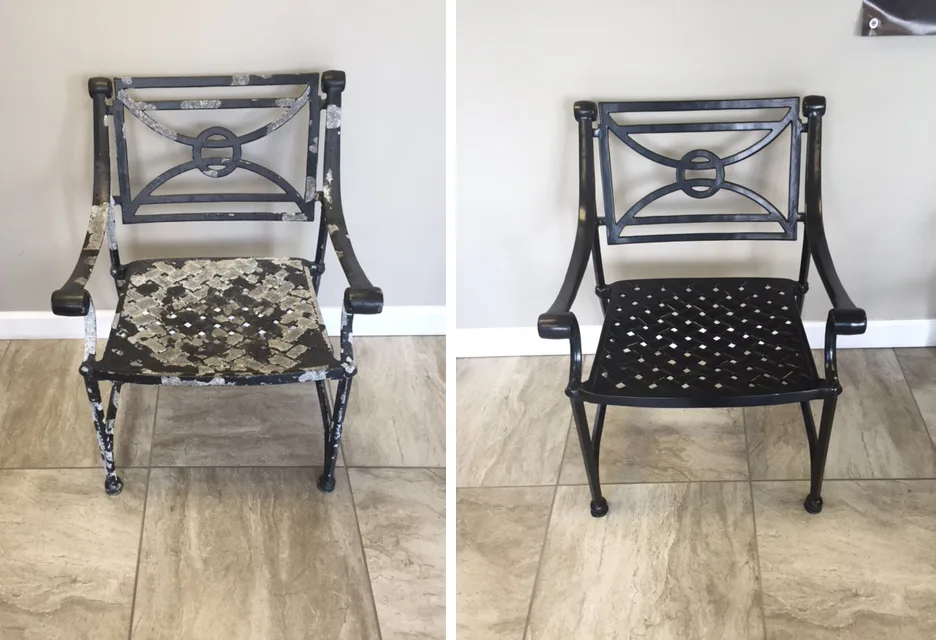
Touch-up painting addresses scratches before rust claims the underlying metal. Clean the affected area completely, apply primer compatible with your frame material, then finish with matching enamel paint. Automotive touch-up pens work adequately for small defects on powder-coated surfaces.
Larger damage demands proper sanding and layered paint application for lasting protection.
Bungee cord replacement restores sagging sling chair seats affordably. Measure the old cord length precisely before ordering replacements. Standard diameters range from quarter-inch to three-eighths inch depending on manufacturer specifications.
Most hardware stores carry universal replacement cords in bulk spools for economical repairs.
Teak surface preparation involves sanding lightly with one hundred twenty grit paper before applying fresh oil or sealant. Remove any gray weathered grain to expose fresh wood below. Allow the surface to dry completely for twenty-four hours before treatment.
Apply oil using clean rags following grain direction for even absorption and appearance.
Cushion storage during harsh weather months dramatically extends fabric lifespan. Invest in breathable, fitted covers rated specifically for your cushion dimensions. Store removed cushions in a dry garage or basement location when possible.
Leaving cushions exposed to persistent rainfall guarantees mildew development regardless of fabric quality claims.
Winterization protocols vary by regional climate severity. Cold-zone residents should remove and store furniture entirely indoors whenever temperatures drop below freezing consistently. Warm-climate owners can leave quality sets exposed year-round with appropriate covers secured against wind uplift throughout storm seasons.
Cost Breakdown: What to Expect at Every Price Point
Realistic budget ranges so you know exactly what you're getting
Budget outdoor dining sets typically fall between two hundred and six hundred dollars. These collections usually feature lighter gauge aluminum frames with basic polyester cushion fabrics. Expect shorter fade warranties around one to two years maximum.
Build quality remains adequate for casual seasonal use but rarely survives intense daily exposure beyond three to four years comfortably.
Mid-range options occupy the six hundred to fifteen hundred dollar bracket effectively. Powder-coated aluminum frames dominate this segment with heavier gauge construction. Solution-dyed acrylic cushions become standard rather than optional upgrades.
Five-year frame warranties and limited fade coverage distinguish reliable mid-tier products from economy offerings.
Premium collections exceed fifteen hundred dollars and reach four thousand or more comfortably. Solid teak construction commands top pricing alongside marine-grade stainless steel frames. Full-extension dining tables with integrated umbrella mounts appear frequently in this tier.
Lifetime frame warranties signal manufacturer confidence in material durability and build quality consistently.
Hidden expenses frequently surprise first-time outdoor furniture buyers. Umbrella bases costing two hundred to four hundred dollars extra stabilize market umbrellas properly. Additional cushion sets run eighty to one hundred fifty dollars per pair when original upholstery fades prematurely.
Protective cover investments range from fifty to two hundred fifty dollars depending on size and weather resistance ratings claimed by manufacturers.
Replacement part availability varies dramatically across price tiers and brand reputations. Budget manufacturers often discontinue matching components within two model years. Premium brands maintain spare part inventories longer but charge proportionally higher prices per individual piece.
Checking parts availability before committing to any purchase prevents stranded furniture situations later.
Warranty terms deserve careful comparison across competing product lines. Frame coverage spanning five years indicates substantially better build quality than one-year limited guarantees. Fade warranty duration correlates directly with fabric quality investment choices made during manufacturing.
Verify whether warranties cover normal weather exposure or require indoor storage during extreme conditions explicitly.
Final Verdict: Our Top Picks by Category & Climate
Clear recommendations based on what actually holds up in real life
Powder-coated aluminum frames paired with solution-dyed acrylic cushions deliver the strongest all-around value for most homeowners. This combination balances weather resistance, manageable weight, and reasonable pricing effectively. Sets in the eight hundred to one thousand five hundred dollar range typically hit this sweet spot reliably.
Look for frames at least two mils thick for optimal scratch durability over time.
Coastal or salt-air environments demand marine-grade stainless steel or heavy-gauge aluminum construction exclusively. Standard powder-coated steel fails rapidly when exposed to salt spray consistently. Budget extra for corrosion-resistant hardware and fasteners throughout the entire set.
Avoid any wood components unless you commit to rigorous annual sealing and maintenance schedules.
High-humidity regions benefit most from synthetic resin wicker construction with aluminum frames underneath. Natural fibers absorb ambient moisture and develop mold quickly in these conditions unfortunately. Quick-drainage cushion fabrics prevent water retention between seat surfaces and foam cores entirely.
Choose furniture with elevated legs allowing air circulation beneath the frame structure properly.
Dry desert climates favor UV-stable materials resistant to intense sun exposure without degradation. Matte finishes hide dust better while gloss coatings show every water spot prominently. Solution-dyed acrylic fabrics resist fading significantly longer than standard polyester alternatives here.
Consider retractable awnings or pergolas to extend cushion lifespan beyond ten years consistently.
Small balconies and compact patios require foldable or stackable chair designs maximizing usable floor space. Narrow walkways demand slim-profile armless chairs sliding completely under tables when not occupied. Round tables often fit tighter corners more efficiently than rectangular configurations do generally.
Measure your exact dimensions carefully before selecting any oversized dining set for limited areas.
Low-maintenance households should prioritize powder-coated aluminum or synthetic wicker constructions avoiding natural materials entirely. These options require only seasonal cleaning and occasional tightening rather than annual oiling treatments. Skip solid teak unless you enjoy woodworking maintenance tasks regularly throughout the year.
Quick-dry foam cushions eliminate frequent removal and storage burdens during unpredictable rainstorms reliably.
Extensive entertainers hosting large gatherings regularly benefit from extendable rectangular tables seating eight to ten guests comfortably. Matching umbrella mounts integrated into table bases prevent separate base purchases altogether. Heavy cast aluminum constructions stay planted firmly during windy outdoor dinner parties consistently.
Storage considerations matter less if you host frequently enough to justify permanent patio placement year-round.
Frequently Asked Questions
Can I leave my outdoor dining set out year-round?
You can leave quality powder-coated aluminum or teak sets exposed year-round in mild climates. Humid or freeze-thaw regions require covering or indoor storage during harsh seasons. Cheap resin wicker degrades quickly under persistent UV exposure regardless of coverage.
Always use breathable fitted covers rated specifically for outdoor furniture protection requirements.
How do I fix a wobbly patio table without replacing it?
Tighten all visible bolts and screws first using appropriate socket wrench tools. Replace worn plastic glide caps on chair legs matching original diameter sizes exactly. Add adjustable foot caps designed for uneven ground stabilization purposes effectively.
Sand warped wooden tabletops flat again rather than attempting permanent structural repairs yourself.
Are outdoor cushions worth the extra cost?
Quality cushions dramatically improve dining comfort compared to hard resin or metal seats directly. Solution-dyed acrylic fabrics resist fading and mildew far better than basic polyester alternatives. Look for quick-dry foam cores preventing moisture trapping inside cushion interiors permanently.
Removable zipper covers simplify cleaning and extend fabric lifespan considerably over time realistically.
What's the difference between resin wicker and natural rattan?
Synthetic resin wicker resists moisture, UV damage, and mold growth indefinitely outdoors. Natural rattan absorbs humidity rapidly developing mold and structural weakness within months exposed. Resin wicker costs slightly more initially but lasts significantly longer without maintenance requirements.
Reserve genuine rattan for covered porches only where weather protection remains consistent always.
How do I prevent rust on metal outdoor furniture?
Apply touch-up paint immediately after discovering any scratch exposing bare metal underneath coating. Store furniture under cover whenever possible during prolonged rainy weather periods consistently. Clean surfaces regularly removing dirt and salt residue accelerating corrosion progression faster naturally.
Invest in heavier powder-coating thickness ratings buying furniture originally rather than repairing damage later.
Is tempered glass safe for outdoor dining tables?
Tempered glass shatters into small blunt pieces instead of sharp dangerous shards when broken properly. Thermal stress from direct sunlight heating one area while shade cools another causes cracking failures. Use trivets under hot cookware preventing direct temperature contact with glass surface areas completely.
Choose laminated glass options offering additional safety protection against impact damage during accidental falls.
How often should I seal or oil a teak dining table?
Apply teak sealer annually maintaining original golden honey color appearance effectively throughout lifetime. Raw untreated teak develops silver-gray patina naturally without requiring any protective treatments whatsoever. Sand lightly before resealing removing any raised grain texture becoming rough to touch unpleasantly.
Allow dried wood to absorb oil completely for twenty-four hours minimum before regular daily use commences.

Sophia Martinez is a culinary lifestyle writer and product reviewer for DiningGadgets.com. Passionate about blending style with functionality, she explores the latest dining essentials, kitchen décor, and cleaning hacks that transform everyday cooking spaces. With a background in home organization and design, Sophia brings readers expert advice on creating beautiful, practical kitchens that truly feel like the heart of the home.