Must-Have Outdoor Dining Set Features to Look For
Finding the right outdoor dining set features to look for can save you hundreds of dollars and years of frustration. Most buyers pick a set that looks great online but falls apart after one season. The difference between a winner and a regret usually comes down to climate matching and material choice.
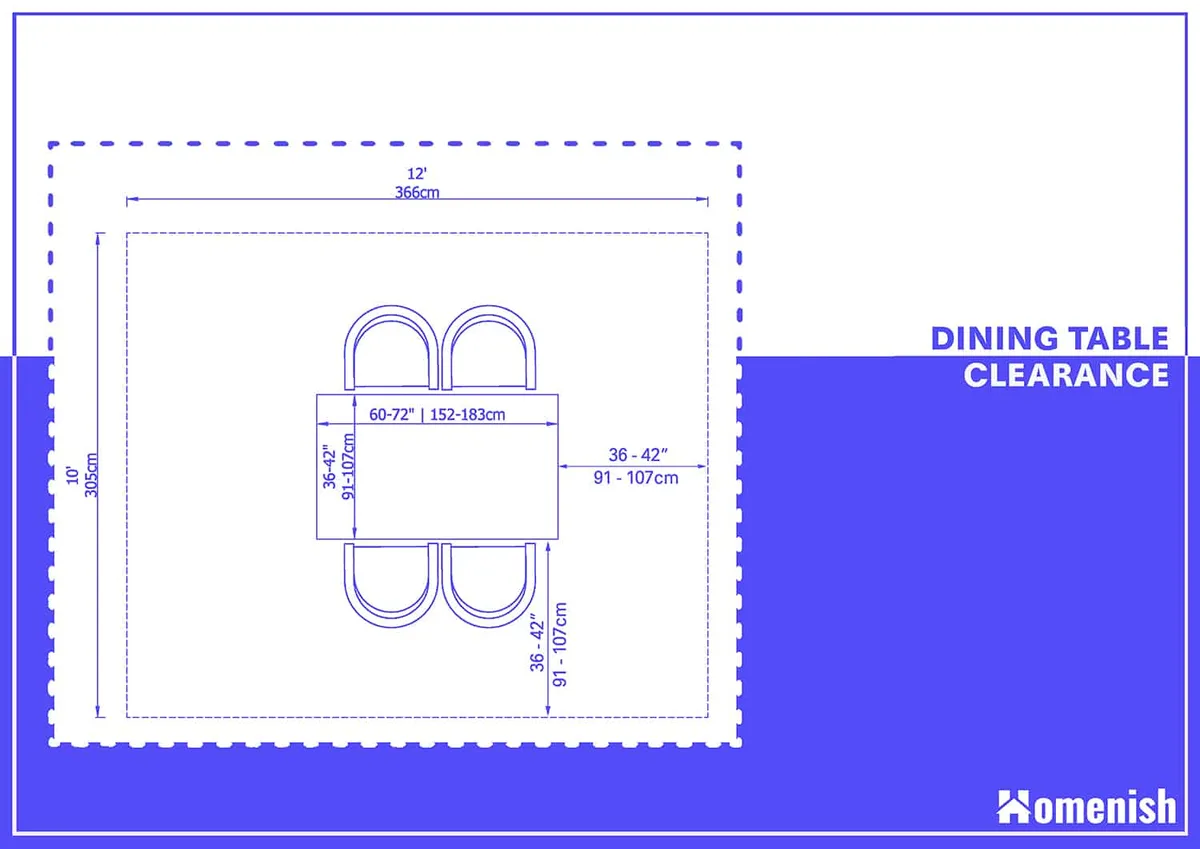
Our research shows that table clearance of at least 36 inches around all sides prevents the most common complaints. Manufacturer specifications confirm that powder-coated aluminum frames resist rust far better than standard steel. Let us walk through how to match every feature to your actual situation.
Climate, Space, and Lifestyle: Your Starting Point
What's your climate like?
Coastal areas demand salt-resistant materials like marine-grade aluminum or teak. Humid regions require mold-resistant cushion fabrics and quick-draining table surfaces. Freeze-thaw zones need materials that won't crack when temperatures swing daily.
Dry southwestern climates prioritize UV-resistant finishes over everything else.
How much usable patio, deck, or balcony space do you have?
Measure your entire available area before shopping. You need at least 36 inches of clearance behind every chair for comfortable pull-out space. Add another 12 to 18 inches if people will walk behind seated guests.
A standard 6-person rectangular table needs roughly 96 by 60 inches of clear floor space minimum.
Small balconies work best with bistro sets or foldable chairs. Large decks can accommodate sectional dining configurations. Always mark your space with painter's tape or cardboard cutouts before visiting a store.
This simple step reveals problems that measurements alone miss.
How many people do you regularly seat, and how often entertain?
If you host weekly dinners for six or more, prioritize a sturdy rectangular table with matching chairs. Extension leaves add flexibility without taking up permanent space. Casual couples who dine outdoors occasionally should consider a compact round table that seats four comfortably.
Families with children benefit from stain-resistant surfaces and rounded table edges. Empty nesters might prefer lighter chairs that are easy to rearrange for different gatherings. Your hosting frequency directly influences how much durability and adjustment range you actually need.
Do you plan to leave the set out year-round or bring it inside?
Sets staying outside all year require maximum weather resistance across every component. Umbrella holes, drain gaps, and sealed joints prevent water pooling and freeze damage. Seasonal sets offer more material choices since you control the storage environment.
Indoor storage lets you choose beautiful but delicate options like untreated wood or fabric cushions. Permanent outdoor placement narrows your choices to proven weather-resistant materials. Be honest about your maintenance habits before committing to a permanent installation.
Material Breakdown: Durability, Maintenance, and Cost
Teak and solid hardwoods
Teak contains natural oils that resist rot, insects, and moisture without any treatment. Properly maintained teak lasts 20 to 30 years outdoors. It develops a silver-gray patina over time unless you apply teak sealer annually.
Expect to spend $1,500 to $4,000 for a quality teak dining set.
Other hardwoods like acacia and eucalyptus cost less but require regular oiling. Untreated softwoods degrade quickly in wet conditions. All wood sets need seasonal maintenance to prevent cracking and warping.
Aluminum and powder-coated steel
Powder-coated aluminum stays lightweight while resisting rust completely. It works well in coastal areas where salt accelerates corrosion on other metals. Quality powder coats last 10 to 15 years before chipping becomes noticeable.
Aluminum sets typically run from $400 to $2,000.
Wrought iron offers unmatched strength but rusts if the coating scratches. Powder-coated steel provides similar durability at lower cost. Both metal types require touch-up paint for any exposed bare spots.
Resin wicker and synthetic textiles
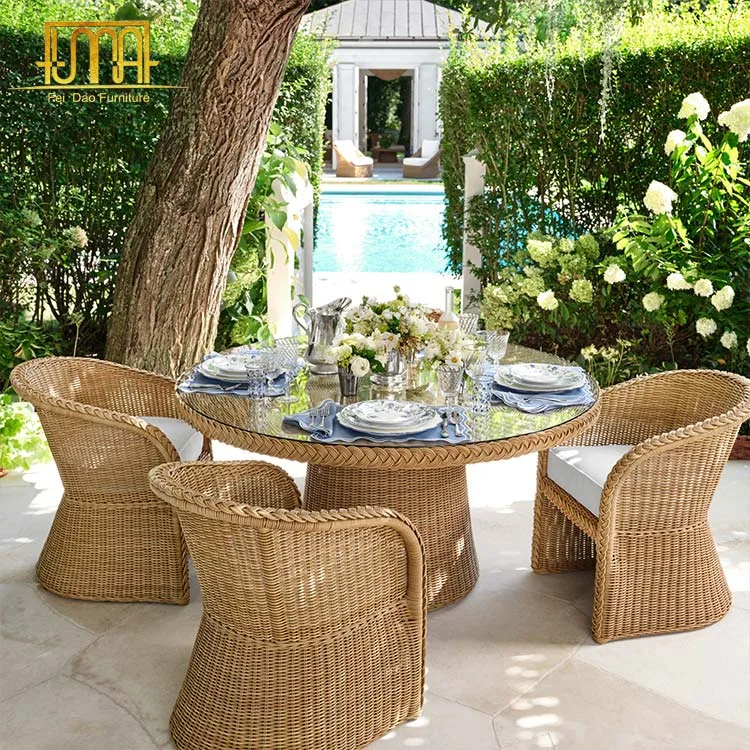
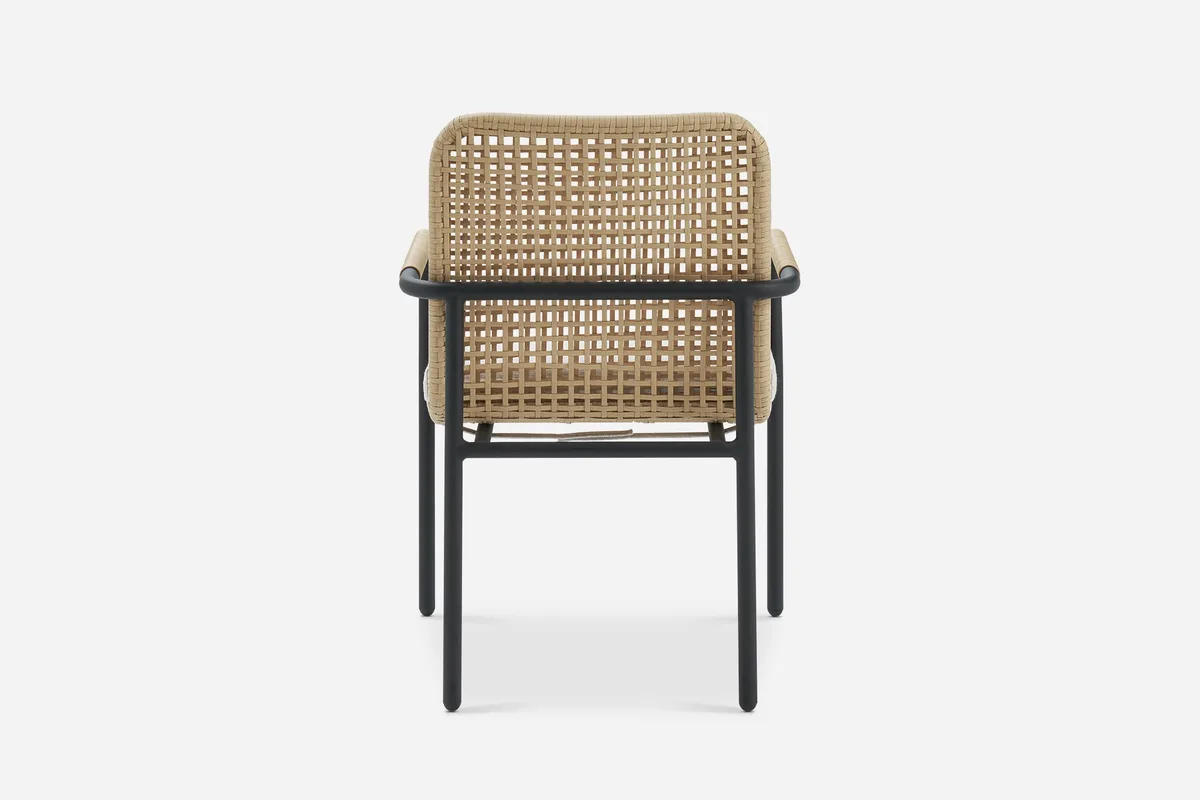
Resin wicker wraps around aluminum frames for a classic look that weathers beautifully. It resists fading, cracking, and moisture damage for 10 to 15 years. Pair it with quick-dry foam cushions featuring zippered covers for easy washing.
Synthetic textiles like Sunbrella fade significantly slower than standard fabrics.
This combination delivers the highest visual appeal with minimal ongoing care. Budget resin wicker sets start around $600 and reach $2,500 for premium configurations.
Hardware quality and fastener protection
Hidden stainless steel fasteners prevent rust stains and extend frame life. Exposed carbon steel screws create orange streaks that ruin table surfaces. Check product descriptions for terms like "marine-grade hardware" or "corrosion-resistant fittings."
Quality manufacturers use rivets or concealed bolts instead of visible screw heads. This detail separates $500 bargain bins from sets that genuinely last decades.
Table Design and Layout Fit
Rectangular, round, square, and extendable table shapes
Rectangular tables seat the most people efficiently and suit formal dining arrangements. Round tables encourage conversation since everyone faces each other directly. Square tables work well for small spaces but only seat four comfortably.
Extendable tables provide daily flexibility for different gathering sizes. A 60-inch rectangle that expands to 78 inches handles most family needs. Mechanisms add cost and potential failure points, so test extensions in person when possible.
Pedestal, trestle, and cross-base stability in wind
Pedestal bases eliminate wobble and free up legroom under the entire table. They also prevent knee collisions when guests shift positions. Cross-base designs offer similar benefits with slightly less center stability on uneven ground.
Four-legged tables rock more on patios with subtle slopes. They also restrict seating along the long sides when legs block chair placement. Choose pedestal or cross-base designs for anything beyond casual backyard use.
Table height standards and chair pairing
Standard dining height sits at 29 to 31 inches above ground level. Counter height measures 34 to 36 inches and pairs with bar stools. Bar height reaches 45 to 47 inches and suits outdoor kitchen islands.
Mismatches between table and chair heights cause discomfort faster than any other design flaw. Verify the exact dimensions before assuming a set works together. Outdoor furniture dimensions sometimes differ from indoor standards.
Clearances and walkway space for comfortable seating flow
Thirty-six inches minimum behind each chair allows comfortable sitting and standing. Forty-eight inches between tables creates proper walkways for servers and traffic. Leave 24 inches between table edges and walls or plantings for safe passage.
These measurements assume standard chair widths of 18 to 20 inches. Narrow chairs reduce clearance needs slightly but look cramped in larger settings. Plan your layout on paper before buying individual pieces.
Chair Comfort, Style, and Configuration
Seat depth, back height, and armrest considerations
Seat depths between 18 and 20 inches support most adult body types comfortably. Shallower seats feel informal but strain longer dining sessions. Deeper seats may not fit shorter guests without added foot support.
Back heights of 18 to 20 inches provide adequate lumbar support for most users. Higher backs offer full spine support but can feel confining. Armrests add comfort but increase the chair width requirement by 2 to 3 inches per side.
Stackable, foldable, swivel, and modular chair types
Stackable chairs maximize storage flexibility for seasonal users. Foldable designs save significant space when not in use. Swivel chairs enable easier conversation but require extra floor space for the turning radius.
Modular systems let you reconfigure seating as needs change throughout the year. These pieces cost more individually but adapt to evolving situations without replacement. Consider your future hosting patterns before choosing fixed configurations.
Weight capacity and frame reinforcement for long-term use
Standard chairs support 250 to 300 pounds per seat according to manufacturer ratings. Heavier users should seek reinforced frames with cross-bracing or thicker gauge materials. Weight capacity decreases noticeably as chair age increases and joints loosen.
Always check the listed capacity before purchasing for larger guests. Chairs failing under normal use void most warranties immediately.
Outdoor cushion fabrics, fills, and washable cover options
Quick-dry foam cores prevent water absorption that leads to mildew growth. Removable zippered covers simplify cleaning and extend cushion lifespan. Standard polyfill cushions compress faster than high-resilience foam alternatives.
Look for fabrics rated for 1,000+ rub counts on the Martindale scale. Higher rub counts indicate better abrasion resistance for frequent use. UV-resistant treatments slow fading but cannot stop color change entirely over multiple seasons.
Assembly, Weather Protection, and Long-Term Care
Tool requirements, instruction clarity, and hardware checks
Most outdoor dining sets require only basic wrenches and screwdrivers for assembly. Premium sets include all necessary hardware and clear pictorial instructions. Budget models often skip essential tools and use vague step sequences.
Inspect every bolt and washer before beginning construction. Missing or damaged hardware causes instability that worsens over time. Take photos during assembly to help with future troubleshooting and reassembly.
Seasonal cleaning routine and stain prevention
Monthly washing with mild soap and water removes accumulated dirt and pollutants. Immediate wiping of food spills prevents stubborn staining on porous surfaces. Avoid pressure washers above 1,500 PSI as they damage protective coatings.
Cushions need weekly shaking and monthly washing according to manufacturer instructions. Store cushions indoors during heavy rain periods whenever possible.
Sealant application, oiling schedules, and wood care
Teak oil applications every three to six months maintain the original golden color. Skipping oil allows natural graying without affecting structural integrity. Wood sealants provide moisture barriers but require complete surface drying before application.
Always clean wood surfaces thoroughly before applying any treatment. Trapped moisture beneath sealant causes rot that remains hidden until severe damage occurs.
Umbrella anchoring, wind safety, and protective cover use
Umbrella bases must weigh at least 50 pounds for standard 9-foot cantilever models. Sand-filled bases provide superior stability compared to water-filled alternatives. Secure umbrellas during wind speeds exceeding 25 miles per hour.
Protective covers extend set lifespan in harsh climates but trap moisture if applied to damp surfaces. Always ensure furniture is completely dry before covering for extended storage periods.
Common Buying Mistakes to Avoid
Choosing without measuring your actual space creates immediate regret and wasted spending. Buyers regularly select attractive sets that block walkways or leave zero room for chair movement. Always measure your outdoor area and subtract 36 inches per side before making any purchase decision.
Prioritizing style over climate-appropriate materials guarantees premature failure and costly replacements. Coastal residents who choose wrought iron instead of aluminum face rust repairs within two seasons. Match your local weather conditions to material properties before considering aesthetics.
Overlooking mold risk in humid environments leads to constant cushion replacement expenses. Cheap fabric cushions absorb moisture rapidly and develop mildew within months of exposure. Always select quick-dry foam cores with removable zippered covers for humid climates regardless of initial price.
Ignoring base wobble and uneven ground problems wastes money on unstable furniture that damages flooring. Test set stability on your actual patio surface before finalizing any purchase decision. Adjustable levelers solve most wobble problems cheaply compared to replacement costs.
Skipping warranty coverage verification and replacement part availability creates long-term ownership headaches. Quality manufacturers guarantee frames for five years or more and supply replacement components. Verify warranty terms directly with manufacturers before purchasing to ensure comprehensive protection exists.
Price Ranges and Value Indicators
Budget selections between $200 and $500 typically use thin aluminum frames and basic resin wicker construction. These sets serve occasional use but show visible wear within two to three seasons. Expect limited warranty coverage and reduced weight capacities in this lowest price tier.
Mid-range selections from $500 to $1,500 offer reliable powder-coated aluminum and quality cushion systems. These sets handle regular family use and withstand typical weather exposure for five years or more. Five-year frame warranties become standard protection in this competitive segment.
Premium choices above $1,500 feature thick-gauge aluminum, genuine teak construction, and designer cushion collections. Ten-year warranties and lifetime frame guarantees appear frequently at this elevated price level. The investment pays dividends through reduced replacement frequency and sustained visual appeal.
Warranty length and frame versus cushion coverage differences matter significantly for long-term satisfaction. Some warranties exclude cushion fabric from coverage while others include both components equally. Read fine print carefully before assuming comprehensive protection exists for every component.
Quality indicators include thick powder coating measured in microns, concealed hardware construction, and reinforced corner joints. Thin coating thickness and exposed fasteners signal budget manufacturing priorities over longevity expectations. Invest time examining these details before committing to any purchase decision.
Final Decision Checklist: What to Verify Before You Buy
Climate suitability matched to material and finish ensures your investment survives local weather conditions permanently. Coastal residents should verify marine-grade aluminum or teak construction explicitly before purchasing. Humid climate buyers must prioritize mold-resistant cushion fabrics and quick-drainage table designs.
Space measurements allow proper clearance and movement around the entire dining area. Thirty-six inch minimum clearances behind every chair position prevent the most common complaint about outdoor dining discomfort. Walkway space of 48 inches between tables enables comfortable server movement during gatherings.
Seating capacity aligns with your regular hosting needs rather than idealized occasional gatherings. Purchase for your typical dinner party size plus one guest consistently. This approach avoids constant overcrowding while preventing oversized sets from dominating smaller spaces unnecessarily.
Maintenance requirements fit your willingness to care for the set throughout its expected lifespan completely. Budget sets demand more frequent maintenance to achieve comparable longevity to premium options. Honest self-assessment about maintenance commitment prevents premature disappointment and extended frustration.
Warranty terms and replacement part availability provide peace of mind for long-term ownership satisfaction. Contact manufacturers directly about part availability for popular replacement items like cushions and armrest pads. Verify whether warranty covers both parts and labor or parts only before finalizing purchase.
Frequently Asked Questions
What's the most weather-resistant outdoor dining material?
Marine-grade aluminum and naturally oily teak resist weather damage better than any other common materials. Both withstand moisture, UV exposure, and temperature swings without structural degradation. Powder-coated steel provides good resistance at lower cost but requires immediate touch-ups for any scratches.
How do I choose between a pedestal and leg-based table?
Pedestal tables eliminate wobble and provide unrestricted legroom across the entire table surface. Four-legged tables offer simpler construction but rock more on uneven surfaces and restrict seating along long sides. Choose pedestal bases for formal dining and four-legged styles for casual occasional use.
Are outdoor dining cushions worth the extra cost?
Quick-dry foam cushions with removable covers justify their price through extended lifespan and comfort improvement. Standard fabric cushions absorb moisture rapidly and develop mildew in humid climates within months. The replacement cost of cheap cushions often exceeds the initial savings within two years.
How often should I clean and maintain my outdoor dining set?
Monthly cleaning with mild soap prevents accumulated dirt from damaging finishes permanently. Wood oiling occurs every three to six months depending on climate exposure severity. Cushion washing happens weekly during heavy use seasons and monthly during light use periods.
What size outdoor dining set fits a small patio or balcony?
Bistro sets measuring 30 to 36 inches in diameter seat two people comfortably on small spaces. Foldable chairs and stackable designs maximize flexibility when floor space measures under 50 square feet. Avoid fixed configurations on balconies where weight limits and fire codes restrict permanent installations.
Can I leave my outdoor dining set out all winter?
Sets designed for permanent outdoor placement survive harsh winters without damage when properly maintained. Remove and store cushions indoors during freezing conditions regardless of frame durability. Apply protective covers only after furniture dries completely to prevent moisture trapping underneath.

Sophia Martinez is a culinary lifestyle writer and product reviewer for DiningGadgets.com. Passionate about blending style with functionality, she explores the latest dining essentials, kitchen décor, and cleaning hacks that transform everyday cooking spaces. With a background in home organization and design, Sophia brings readers expert advice on creating beautiful, practical kitchens that truly feel like the heart of the home.