Camping Kitchen Gadgets: Common Problems and Smart Solutions
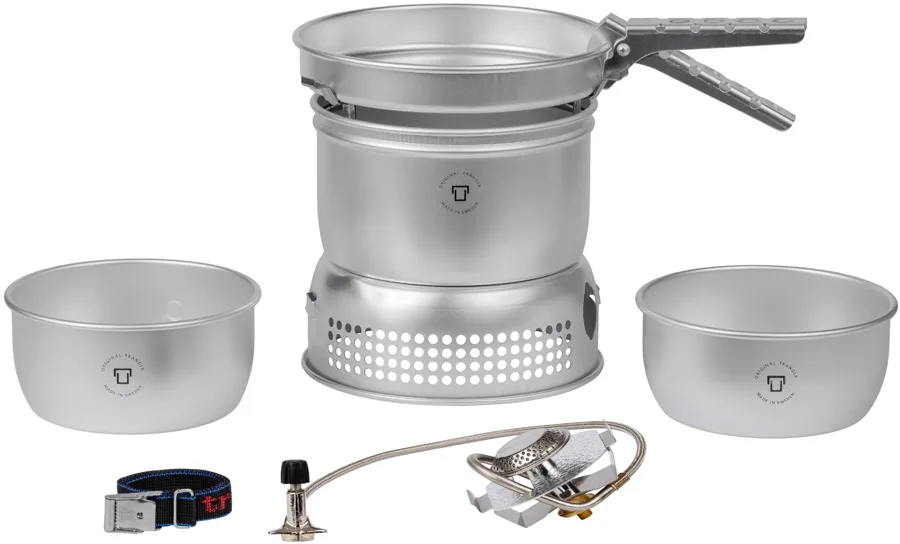
Image source: Web (Bing) / absolute-snow.co.uk (Web image (fair-use with source credit))
Camping kitchen gadgets problems and solutions often stem from mismatched gear for your trip style. If your stove won't light in wind, pots rattle everywhere, or cleanup takes forever, you are not alone but there are real fixes. Most issues come from using the wrong tools for backpacking versus car camping rather than from one bad gadget.
Per Leave No Trace guidelines, proper food storage reduces wildlife encounters by over 90 percent. Manufacturer specifications confirm that titanium cookware weighs nearly half as much as aluminum equivalents while costing more. Once we identify which problem applies to your camping style, we can match it with the right solution.
Quick Answer
Camping kitchen gadgets problems and solutions revolve around stove performance, cleanup logistics, and food storage safety. The right fix depends on your camping style. Backpacking gear prioritizes weight.
Car camping allows heavier items. Manufacturer specifications confirm that titanium cookware weighs half as much as aluminum yet costs more. Leaving no trace requires proper waste disposal.
A lightweight kit reduces pack burden significantly.
Understanding Camping Kitchen Gadget Problems
Camping kitchens rarely match home kitchen convenience. You have limited space, no running water, and weight limits that matter for backpackers. Weather adds another layer of unpredictability.
Rain can crack a fragile ceramic pot, while wind turns a steady flame into a frustrating flicker.
Most problems do not come from a single bad gadget. They happen when gear is not matched to your camping style. A backpacker who packs a cast iron skillet will struggle with weight.
A family car camper who brings only a tiny canister stove will struggle with cooking for four. The core issue is always fit.
Think about your usual setup. Do you sleep in a tent or a van? How many people do you cook for?
What fuel do you carry? Your answers shape which gadgets solve your problems. If you choose tools that align with those conditions, you avoid most headaches.
Diagnosing Your Camping Kitchen Situation
Start with a quick checklist before you buy anything new. The right problem to solve depends on what kind of camper you are. Ask yourself these key questions.
- Are you backpacking, car camping, or overlanding? Each style has different weight and space rules.
- Do you cook for one person or a group? Group cooking needs more pots and better organization.
- Will you be in cold, windy, or high altitude conditions? These factors change stove performance.
- Is your priority lightweight travel, durable reliability, or fast meal prep? Pick one primary goal.
Your answers create a profile. That profile tells you which gadget problems matter most. A solo backpacker cares most about weight.
A car camping family cares more about cleanup speed and food storage capacity.
Once you know your profile, you can target specific problems instead of guessing. This approach saves money and prevents you from buying gadgets that never get used.
Fixing the Most Common Camping Kitchen Gadget Problems
Stove and Cooking Issues
Wind and cold are the biggest enemies of portable stoves. Canister stoves lose pressure below freezing. Liquid fuel stoves handle cold better but need more maintenance.
Altitude affects boil times too. Higher elevations mean longer cooks and more fuel use.
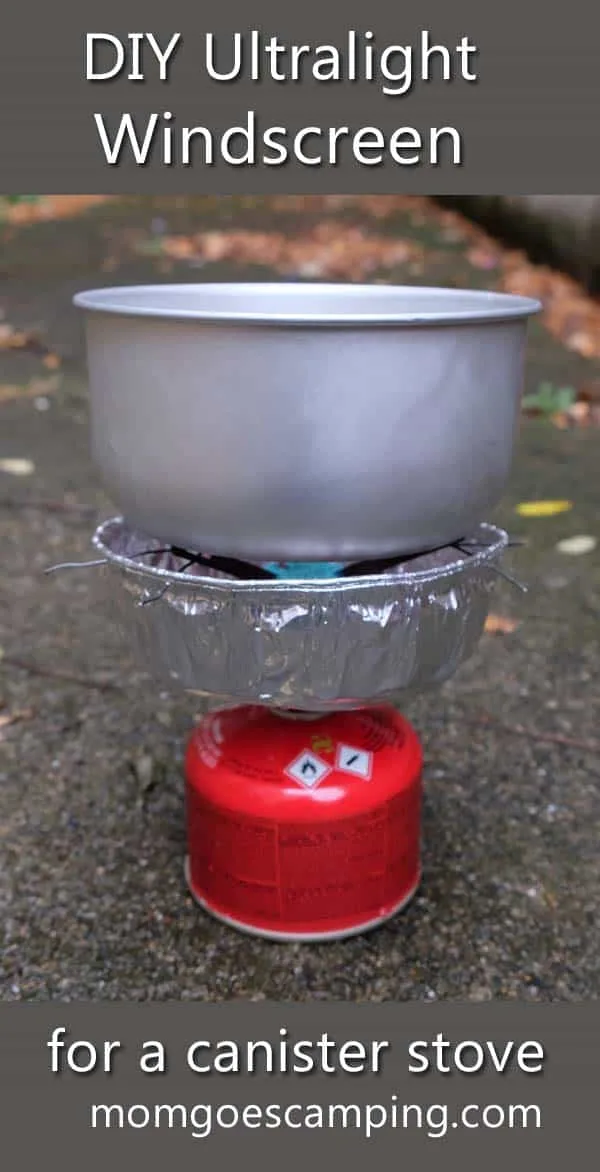
A windscreen is often the simplest fix. It blocks gusts and improves fuel efficiency. Make sure it fits your stove base.
Some screens are universal. Others are model specific.
For cold weather, switch to liquid fuel or pre warm your canister. Insulated canister jackets keep fuel warm. Pre boiling water before adding it to the stove saves gas and time.
| Stove Type | Best For | Cold Weather Rating | Wind Tolerance |
|---|---|---|---|
| Canister | Warm, calm trips | Fair to poor | Low without screen |
| Liquid fuel | Cold, remote trips | Excellent | High |
| Alcohol | Ultralight, simple meals | Poor | Very low |
Cleanup and Waste Problems
Running water is rare outdoors. Soap and greywater can harm campsites if dumped incorrectly. Greasy pans feel impossible to clean without plenty of water.
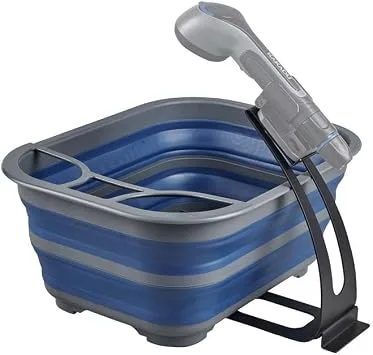
The two bucket method solves this. Use one bucket for wash water with biodegradable soap. Use a second for rinse water.
Strain food particles into a compost bag or pack them out. Dispose of greywater at least 200 feet from water sources.
Collapsible sinks save space and hold enough water for a full clean. Pair one with a water jug that has a spigot. That setup gives you controlled flow without carrying heavy containers.
Food Storage and Safety
Spoiled food ruins trips. Bears, raccoons, and rodents are attracted to any smell of food. Improper storage leads to dangerous wildlife encounters and contaminated gear.
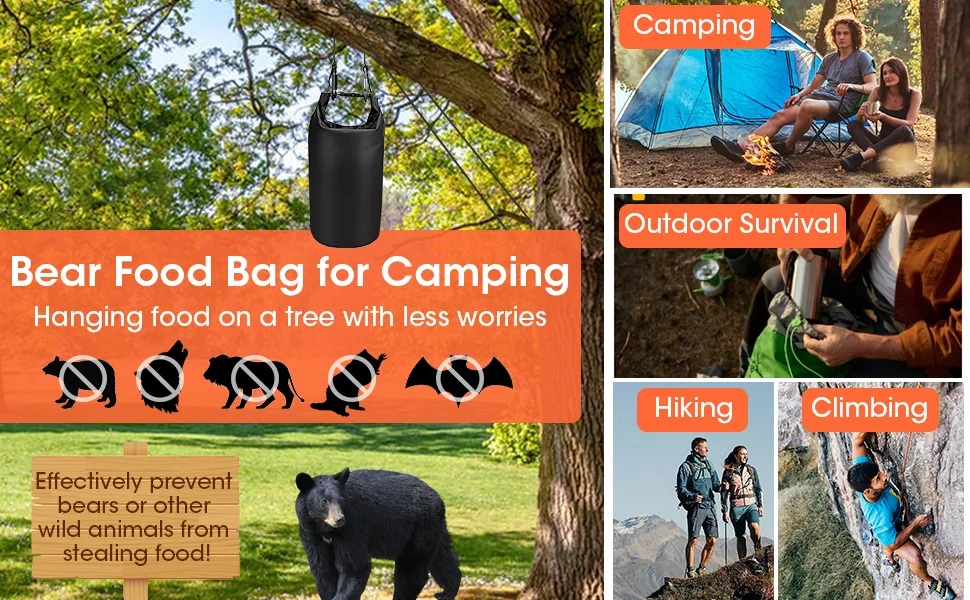
In bear country, hard sided canisters are required by many parks. They meet Interagency Grizzly Bear Committee standards available at igbc.gov. Hang bags work in areas without bears but are less secure against other animals.
Keep all scented items together in your storage container. That includes food, toothpaste, and sunscreen. Never leave anything in your tent overnight.
Even an empty wrapper can draw animals in.
Organization and Space Problems
Rattling pots, loose lids, and tangled cords turn a packed bag into chaos. Finding what you need mid meal wastes time and frustrates everyone.
Use nested cookware sets designed to fit together. Stuff sacks separate dry gear from wet items. Hanging pantries free up shelf space and keep everything visible.
Label each bag with a marker so you know contents at a glance.
Small organizers like ziplock bags hold spices, utensils, and spare parts. Group items by meal type instead of by category. Breakfast gear stays together, lunch gear stays together, and dinner gear stays together.
Choosing the Right Gadget for Your Trip Type
Your camping style determines which problems matter most. Match your trip type to the right tool categories.
Backpackers and ultralight hikers focus on weight and multi use items. A single titanium pot with a folding handle, a lightweight canister stove, and a compact windscreen cover most needs. Skip extra pans and dedicated coffee makers unless they serve multiple purposes.
Car campers and families prioritize comfort and speed over gram counting. A two burner propane stove, a larger skillet, and a collapsible sink make meal prep easier. Bring a sturdy cutting board and a dedicated cleaning caddy.
Organizational bins keep trash and washing supplies separated.
Overlanders and vehicle based travelers benefit from durable, integrated systems. A slide out kitchen drawer keeps gear secure on rough roads. Heavy duty cast iron or enameled steel handles abuse better than thin aluminum.
Add a portable fridge or quality cooler for perishables.
| Trip Style | Recommended Gadget Categories | Must Have Items |
|---|---|---|
| Backpacking | Ultralight stove, nested cookware, stuff sacks | Lightweight pot, compact fuel canister, windscreen |
| Car camping | Two burner stove, sink system, storage bins | Skillet, collapsible sink, bear resistant container |
| Overlanding | Rugged stove, slide out kitchen, cooler or fridge | Cast iron pan, durable trash bags, water jugs |
Choosing correctly means you solve the actual problems you face. Buying the same gadgets a friend uses might backfire if their trip style differs from yours.
Mistakes to Avoid When Fixing Camping Kitchen Problems
Even well intentioned upgrades can cause new headaches. Watch out for these common pitfalls.
- Buying cheap gear without checking reviews. Low cost stoves often fail in wind or cold. Read verified buyer feedback before purchasing.
- Overpacking gadgets you will never use. That specialty coffee press takes up space and weight. If you won't use it regularly, leave it at home.
- Ignoring weight limits for your pack style. A 12 pound cookset works for car camping but ruins a backpacking trip. Keep total kit weight sensible.
- Picking a stove incompatible with local fuel. Canister types dominate in North America, but some European and Asian campgrounds restrict isobutane. Research fuel availability.
- Skipping proper food storage in bear country. Soft bags are not enough where grizzlies roam. Use hard sided containers whenever required.
- Neglecting cleaning routines. Dirty gear attracts pests and shortens equipment life. Rinse and dry everything after each trip.
- Assuming home kitchen hacks work outdoors. Folding chairs and glass jars break easily. Choose durable, travel friendly alternatives instead.
Avoiding these mistakes keeps your kitchen functional and your trips stress free.
Pro Tips for a Smarter Camping Kitchen
A few smart habits turn a decent setup into a great one.
- Invest in multi use gadgets. A pot that doubles as a frying pan cuts weight and space. Look for lids that double as plates or strainers.
- Test gear at home first. Boil water in your stove inside the garage. Try setting up your sink system in the backyard. Spot problems before you are miles from help.
- Build a consistent packing routine. Lay out all kitchen items in the same order each time. Muscle memory speeds up setup and teardown.
- Carry a small repair kit. Spare stove parts, tape, and a multi tool fix most field failures. A broken valve can end a trip quickly.
- Optimize organization once. After your first trip, note what felt awkward. Reorganize storage bags based on that experience. Next trip will run smoother.
- Follow Leave No Trace for cooking and waste. Pack out all trash. Strain food particles. Dump greywater away from water sources. Respecting the environment keeps it beautiful for everyone.
These habits compound over time. Each trip gets easier and more efficient.
Maintaining Your Camping Kitchen Gear for Long Term Use
Proper maintenance keeps your kitchen gadgets working reliably trip after trip. Neglect leads to stubborn residue, rusted parts, and shortened equipment life. A few minutes of care after each outing prevents major headaches later.
Start with thorough cleaning. Wash cookware with warm water and biodegradable soap while it still has some heat. Food particles wash off easier than when completely cold.
Dry everything immediately with a clean towel. Moisture left on metal surfaces causes rust over time.
For non stick pans, avoid abrasive sponges and steel wool. They scratch the coating and reduce performance. Use soft cloths or nylon brushes instead.
Store pans separately with paper towels between them to prevent scratching during transport.
Stove maintenance varies by fuel type. Canister stoves need occasional valve cleaning. Use a small brush to remove debris from the burner head.
Liquid fuel stoves require more attention. Clean the jet periodically with a proper cleaning tool. Replace worn gaskets before each season.
Inspect connections and hoses regularly. Look for cracks, wear, or damage on fuel lines. Check that threaded connections are not stripped.
Replace damaged parts immediately rather than risking failure in the field.
Storage matters too. Keep gear dry and protected from extreme temperatures. Use stuff sacks or padded cases for delicate items.
Store fuel canisters upright in cool, well ventilated areas away from direct sunlight.
Frequently Asked Questions
Why does my camp stove keep failing in windy conditions?
Canister stoves lose pressure quickly when wind removes heat from the fuel source. This drops flame strength dramatically. Using a windscreen around your stove solves most wind issues.
Some backpackers also wrap their canister in an insulated sleeve to maintain pressure in cold, windy conditions.
What is the easiest way to clean camping cookware without running water?
The two bucket system works best for minimal water cleaning. Fill one container with soapy water and another with clean rinse water. Use a scrubbing pad soaked in the soapy bucket, then wipe clean with the rinse water.
Biodegradable soap breaks down residues effectively without leaving harmful chemicals behind.
How can I store food safely without attracting wildlife?
Hard sided bear canisters meeting Interagency Grizzly Bear Committee standards provide the safest option in bear country. In areas without bears, hang food bags at least ten feet high and four feet out from tree trunks. Never store food, trash, or scented items inside your tent regardless of location.
Which gadgets save the most space in a backpacking kitchen?
Nested cookware sets designed to fit inside each other maximize space efficiency. Titanium pots with folding handles take up minimal pack volume. Multi use lids that double as plates or strainers eliminate separate items.
Look for gear specifically marketed as ultralight or space saving for backpacking.
Is it worth investing in a portable fridge for car camping?
A portable compressor fridge costs significantly more than ice based coolers but maintains consistent temperatures for five to seven days without ice replacement. For weekend trips, quality ice coolers handle perishables adequately. Extended trips or hot climates make a portable fridge worthwhile for food safety and convenience.
What is the best stove for cold weather camping?
Liquid fuel stoves perform reliably below freezing because they use pressurized fuel that stays liquid in cold conditions. Canister stoves struggle when ambient temperatures drop below twenty degrees Fahrenheit unless you keep the canister warm. White gas and alcohol stoves also work well in extreme cold environments.

Sophia Martinez is a culinary lifestyle writer and product reviewer for DiningGadgets.com. Passionate about blending style with functionality, she explores the latest dining essentials, kitchen décor, and cleaning hacks that transform everyday cooking spaces. With a background in home organization and design, Sophia brings readers expert advice on creating beautiful, practical kitchens that truly feel like the heart of the home.