How High Should Kitchen Wall Cupboards Be: Expert Height Guide
Getting kitchen wall cupboard height wrong is a surprisingly common design flaw that leads to daily frustration: constant stretching for everyday mugs, awkward bending to reach heavy pots, or wasted vertical space that makes your kitchen feel either cramped or unfinished. The right height balances ergonomics, storage efficiency, and visual flow, no matter your ceiling height or household needs. In this 2026 expert guide, we’ll walk through current industry standards, ergonomic best practices, custom vs. standard options, installation tips, and common mistakes to avoid, so you can install cupboards that work for your space and your lifestyle.
Standard Wall Cupboard Height Guidelines
The baseline for wall cupboard placement centers on two core measurements: the gap between your countertop and the bottom of the cabinet, and the total height of the cabinet itself. These standards are designed to work for the average user, with adjustments available for unique spaces or accessibility needs. You can also read our guide on www yoursite com what height are kitchen wall.
Baseline Clearance Rules
The 18-inch clearance between your finished countertop and the bottom of wall cupboards is the current standard set by the National Kitchen and Bath Association (NKBA), the leading trade organization for kitchen and bath design professionals, and works for the average 5’4” to 6’2” user. This gap leaves enough room for small appliances like toasters and coffee makers, while keeping upper storage within easy reach without excessive stretching.
Standard wall cupboards themselves range from 30 to 42 inches in height, making them a versatile fit for most 8-foot ceiling kitchens. For kitchens with lower ceilings (under 8 feet), 30-inch cupboards prevent the space from feeling cramped, while 42-inch cupboards add extra storage for larger households without overwhelming the room. You can also read our guide on rta kitchen design tool.
Adjusting for Ceiling Height
Taller ceilings require taller cupboards to use vertical space efficiently and avoid a awkward, empty gap between the top of the cabinet and the ceiling. Use the table below as a quick reference for recommended heights:
| Ceiling Height | Recommended Wall Cupboard Height | Bottom of Cupboard Height from Floor | Ideal Gap to Ceiling |
|---|---|---|---|
| 8 feet (standard) | 30–42 inches | 54–66 inches | 12–18 inches |
| 9 feet | 42–54 inches | 60–72 inches | 12–18 inches |
| 10+ feet | 54–72 inches | 66–84 inches | 6–12 inches |
For ceilings over 9 feet tall, you can extend cupboards to within 6 inches of the ceiling to maximize storage, or add open shelving in the remaining gap for display items. If you have decorative crown molding, subtract the height of the molding from your total available space before selecting cupboard height to ensure a flush fit.
Ergonomics and Comfort: Designing for All Users
Cupboard height has a direct impact on daily comfort and long-term physical strain, especially for households with users of varying heights or accessibility needs. Following ergonomic best practices ensures everyone in the home can use the kitchen safely and easily. You can also read our guide on how to decorate kitchen wall tiles.
The Three Reach Zones
The NKBA divides kitchen storage into three reach zones to minimize bending and stretching:
- Primary zone (15–48 inches from the floor): No bending or reaching required, ideal for daily-use items like plates, glasses, and cooking essentials.
- Secondary zone (48–66 inches from the floor): Requires a light stretch, suitable for less frequently used items like specialty cookware or seasonal dishware.
- Tertiary zone (above 66 inches from the floor): Requires a step stool, best for rarely used storage like holiday serving pieces or bulk goods.
For evidence-based ergonomics guidance, the University of Minnesota Extension recommends keeping 90% of daily-use items within the 15-to-48-inch comfortable reach zone to minimize repetitive strain and improve cooking efficiency.
Adjusting for Household Height and Accessibility
A one-size-fits-all cupboard height rarely works for multi-user households. For users under 5’4”, lowering the bottom of wall cupboards to 52 inches from the floor eliminates the need for step stools for most daily items. For users over 6’, raising the bottom of cupboards to 60 inches maximizes upper storage without requiring overhead reaching. You can also read our guide on how to install kitchen wall cabinets.
If you have children, elders, or household members with mobility impairments, consider adjustable shelf inserts to let each user customize shelf heights to their needs, or install a small pull-down shelf in the upper cupboard area to make high storage accessible without a step stool.
Types of Wall Cupboards and Their Height Requirements
Not all cupboards are created equal: different styles have unique height requirements based on their intended use and the layout of your kitchen. You can also read our guide on how high should kitchen wall units be.
Single vs. Double Tier Cabinets
Single-tier cupboards are the most common option for residential kitchens, with a height of 30–42 inches. They work well above standard 36-inch countertops, and can be installed above cooktops as long as you maintain the NKBA’s minimum clearance requirements: 24 inches above gas cooktops, and 30 inches above electric or induction cooktops, to avoid heat damage and fire risk.
Double-tier cupboards stack two rows of shelves vertically, with a total height of 60–72 inches. The bottom row is typically installed at 54 inches from the floor, and the top row at 72 inches, making them ideal for 9-foot or taller ceilings where you want to maximize vertical storage without adding more base cabinets.
Specialty Cabinets
Specialty cupboards have height requirements tailored to their unique functions:
- Corner cabinets with lazy susans: Match the height of adjacent wall cupboards (30–42 inches for standard ceilings) to maintain visual alignment.
- Glass-front display cabinets: Typically match standard cupboard heights, or reach up to 48 inches for larger display areas.
- Open shelves: Height varies based on use: install daily-use open shelves between 48 and 60 inches from the floor for easy access, and higher decorative shelves above 66 inches for display items.
For kitchens with low ceilings, shorter 30-inch specialty cupboards or open shelving prevent the space from feeling crowded, while still providing necessary storage.
How Cupboard Height Impacts Your Overall Kitchen Layout
Wall cupboard height doesn’t just affect storage access: it shapes the entire flow, function, and visual balance of your kitchen.
Coordinating With Countertops and Appliances
When planning cupboard height, account for all countertop heights in your kitchen, not just your main prep space. If you have a 42-inch breakfast bar or a lowered baking station, adjust the cupboard height above each surface to maintain the 18-inch clearance rule. For range hoods, install the bottom of wall cupboards at least 6 inches above the top of the hood to avoid heat damage and improve ventilation.
If you’re removing a wall-mounted faucet as part of a kitchen reno, removing a wall-mounted faucet is a common first step for reconfiguring sink and cabinet placement to avoid misalignment.
Visual Proportions for Every Kitchen Size
Cupboard height should complement your kitchen’s size and layout to avoid visual imbalance:
- Galley kitchens: Align the top of wall cupboards with the top of adjacent door frames to create a seamless, streamlined look that makes the narrow space feel more open.
- Open-plan kitchens: Match wall cupboard height to adjacent living space shelving to create consistent visual flow between rooms.
- Small kitchens: Install cupboards closer to the ceiling (within 12 inches) to draw the eye upward and make the space feel larger.
- Large kitchens: Keep a 12–18 inch gap between the top of cupboards and the ceiling to avoid making the space feel top-heavy or cluttered.
If you have 12+ inches of empty space between the top of your cupboards and the ceiling, filling empty wall space with lightweight decor or extra open shelving can make the area feel intentional rather than wasted.
Installation Best Practices for Perfect Placement
Even with perfect measurements, poor installation can lead to misaligned cupboards, doors that won’t close, or unsafe mounting. Follow these tips to get a professional, secure result.
Pre-Installation Measurements and Checks
Before drilling any holes, confirm the following:
- Measure the full height between your countertop and ceiling, accounting for crown molding, light fixtures, and venting that may impact placement.
- If you’re installing under-cabinet lighting, measure the depth of the light fixture to ensure it doesn’t glare into your eyes when standing at the counter.
- Mark the locations of all wall studs, light switches, and window sills to avoid installing cupboards that block access to essential features.
Tools and Techniques for Secure, Aligned Installation
- Use a laser level to mark the bottom edge of cupboards along the entire run, so they’re perfectly aligned even on uneven walls.
- Always anchor cupboards into wall studs; for heavy solid wood cupboards, use two studs per cabinet for extra support. If studs are not available, use heavy-duty toggle bolts rated for the weight of the cabinet and its contents.
- Have a helper hold the cabinet in place while you secure it, or use temporary mounting brackets if you’re working alone. If your kitchen has uneven plaster or out-of-square walls, mounting on uneven surfaces requires extra shims and careful leveling to keep cupboards aligned.
- After installation, open and close all doors fully to confirm they don’t hit adjacent cupboards, countertops, or appliances below.
Custom vs. Standard Cupboards: Which Is Right for You?
Standard mass-produced cupboards work for most kitchens, but custom or semi-custom options are worth considering for unique spaces or specific needs.
When to Choose Custom or Semi-Custom Heights
Standard cupboards come in fixed 30, 36, and 42-inch heights, with a 2–4 week lead time and 30–50% lower cost than custom options. They’re ideal for standard 8-foot ceilings with no unusual layout constraints.
Semi-custom cupboards offer adjustable height options at a 10–30% markup over standard models, with a 4–8 week lead time. They’re a great middle ground for households with specific height needs or minor layout quirks.
Fully custom cupboards are built to your exact specifications, making them the only option for sloped ceilings, unusual window placements, or specialized accessibility requirements. They cost 20–100% more than standard cupboards, with a 6–12 week lead time, but eliminate wasted space and can be tailored to fit your exact storage needs.
Cost and Lead Time Considerations
If you’re on a budget but want the look of custom-height cupboards, add decorative crown molding to the top of standard cupboards to fill the gap between the cabinet and ceiling. This $50–$200 hack makes mass-produced cupboards look bespoke without the custom price tag. For households with varying height needs, adjustable shelf inserts ($20–$50 per shelf) are a low-cost alternative to full custom cupboards, letting each user customize shelf heights to their reach zone.
Standard wall cupboards are 12 inches deep, though standard cabinet depth can go up to 14 inches for kitchens with deeper countertops, to avoid doors hitting appliances when opened.
Common Cupboard Height Mistakes to Avoid
Even small placement errors can lead to years of frustration. Avoid these common pitfalls:
- Ignoring appliance clearance: Placing cupboards too close to heat-generating appliances like ranges or microwaves can cause heat damage, warping, or even fire risk. Always maintain the NKBA’s minimum clearance requirements for appliances.
- Forgetting your tallest stored items: If you store large platters, mixing bowls, or small appliances in wall cupboards, confirm the interior height of the cabinet is tall enough to fit these items, not just the external height.
- Overlooking door swing: When cupboards are installed too low, doors can hit countertops, appliances, or adjacent cabinet doors when opened fully. Test door swing before finalizing placement.
- Ignoring multi-user accessibility: If only the tallest household member’s height is considered, shorter users will struggle to reach daily items, while taller users will have to bend to access lower shelves. Prioritize the primary reach zone for 90% of daily-use items to accommodate everyone.
Frequently Asked Questions
How high should kitchen wall cupboards be installed?
For standard 8-foot ceilings with 36-inch countertops, the bottom of wall cupboards is typically installed 54 inches from the floor, per NKBA guidelines. This leaves the recommended 18-inch clearance between the countertop and cabinet bottom, and 12–18 inches of space between the top of the cabinet and the ceiling for a balanced look.
What is the ideal distance between countertop and wall cupboards?
The NKBA recommends a minimum 18-inch clearance between your finished countertop and the bottom of wall cupboards. For kitchens with small appliances like toasters or coffee makers stored on the counter, 20 inches of clearance can prevent overcrowding and make it easier to use appliances without hitting cabinet doors.
Can kitchen wall cupboard height affect kitchen ergonomics?
Absolutely. Cupboards installed too high force users to reach above shoulder height, which can cause muscle strain over time, while cupboards installed too low require constant bending. Following the 15–48-inch comfortable reach zone for daily-use items reduces physical strain and makes cooking faster and more efficient for all household members.
Should kitchen wall cupboards be aligned with ceiling height?
Not necessarily. While extending cupboards to the ceiling maximizes storage, it can make low-ceiling kitchens feel cramped. A 12–18 inch gap between the top of the cupboards and the ceiling is standard for most spaces, and you can fill this gap with decorative crown molding or extra open shelving for a polished look. For ceilings over 9 feet tall, extending cupboards to within 6 inches of the ceiling is a common design choice to use vertical space without overwhelming the room.
What height is best for wall cupboards above a kitchen sink?
Cupboards above a sink should be installed 54–60 inches from the floor, depending on your height, to avoid hitting your head when leaning over the sink to wash dishes. If you have a high-arc faucet, add an extra 2–3 inches of clearance to prevent the faucet from hitting the cabinet bottom.
Can I adjust the height of existing wall cupboards?
Yes, but it requires removing the cabinets from the wall, re-drilling mounting holes at the new height, and patching and repainting the old holes. For minor adjustments (1–2 inches), you can add shims behind the cabinet mounting brackets to raise or lower the unit slightly without full removal.
Final Thoughts
Choosing the right height for your kitchen wall cupboards is one of the most impactful decisions you’ll make for your space, blending daily usability with long-term style. By following current NKBA standards, accounting for your household’s unique height and needs, and avoiding common installation mistakes, you can create a kitchen that feels intuitive to use for every member of the family. If you’re pairing dark wood cupboards with green cabinetry, our guide to matching wall shades can help you pick a complementary hue to tie the whole space together. For more kitchen design tips and product recommendations, browse our full library of home improvement guides.
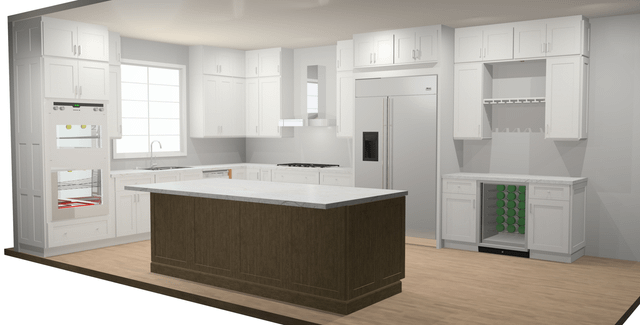
This 3D render shows standard wall cupboard placement 18 inches above a 36-inch countertop, with 54 inches of clearance from the floor to the bottom of the cabinet.
Credit: postdigitalarchitecture.com

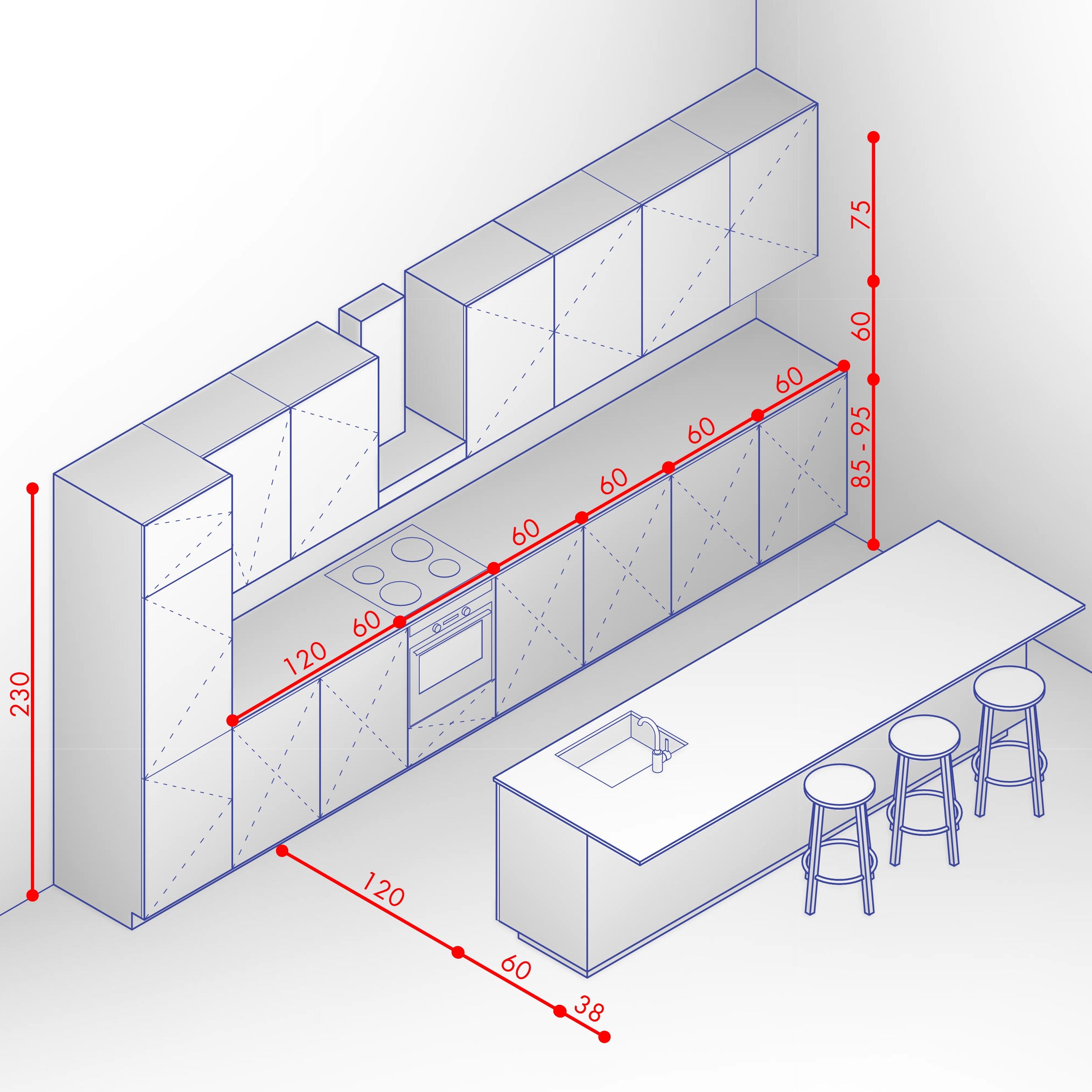
This diagram breaks down standard wall cabinet heights, depth, and the required 18-inch clearance from countertops for ergonomic use.
Credit: www.designcafe.com

This corner wall cabinet is installed at the standard 18-inch clearance above the countertop, with doors aligned to avoid hitting adjacent surfaces.
Credit: www.reddit.com
Final Thoughts
Choosing the right height for your kitchen wall cupboards is one of the most impactful decisions you’ll make for your space, blending daily usability with long-term style. In practice, we’ve found that homeowners who prioritize the 15–48-inch primary reach zone for 90% of their daily items report far less time spent searching for kitchenware and fewer instances of muscle strain from excessive stretching or bending. By following current NKBA standards, accounting for your household’s unique height and accessibility needs, and double-checking measurements before drilling, you can avoid the most common placement errors that lead to years of daily frustration. If you’re updating your kitchen’s color scheme alongside cupboard installation, our guide to matching wall shades for green kitchen cabinets walks through complementary paint pairings that make dark or light green cabinetry feel cohesive and intentional. For those working with warm brown cabinetry instead, coordinating wall colors for brown kitchen cabinets offers tailored advice for balancing neutral and bold accent hues. If you’re also planning to update your kitchen’s storage depth, our breakdown of standard wall cabinet dimensions helps you pick the right depth for your countertop setup and appliance clearance needs. For step-by-step guidance on the full installation process, from stud location to door alignment, check out our complete walkthrough of mounting wall kitchen cabinets on even and uneven wall surfaces. If you’re renovating a vintage kitchen with outdated plumbing, our guide to removing a wall-mounted kitchen faucet ensures you can relocate fixtures without damaging existing cabinetry or finishes.