What to Put on Empty Wall in Kitchen: Creative Ideas to Transform Space
A blank kitchen wall can feel like wasted potential, especially in a space you use daily for cooking, eating, and gathering. Unlike living rooms or bedrooms, kitchen walls need to balance style, durability, and function — they have to withstand splashes, steam, heat, and daily wear while still feeling warm and reflective of your personal taste. Whether you’re a homeowner looking to boost your kitchen’s value, or a renter wanting a low-commitment refresh, there are dozens of accessible, budget-friendly ideas to turn that empty space into a functional, eye-catching feature. Below, we break down curated, expert-backed ideas for every kitchen style, layout, and budget, plus common mistakes to avoid for long-lasting results.
Match Your Wall Decor to Your Kitchen’s Existing Style
Before picking decor, take stock of your kitchen’s existing finishes to ensure your wall updates feel cohesive, not disjointed. Cabinetry is the biggest anchor for your design: if you have deep green cabinets, pairing wall decor with green cabinetry with warm earth tones or neutral cream creates a balanced, nature-inspired vibe. For kitchens with rich brown cabinetry, matching wall accents to brown cabinets with brass hardware, warm wood tones, or muted jewel tones amplifies the richness of the wood without clashing.
Next, identify your kitchen’s core aesthetic to narrow down compatible options:
- Modern: Sleek metal shelves, abstract geometric art, and minimalist LED lighting work well
- Farmhouse: Rustic wood signs, vintage kitchen tool displays, and dried floral wreaths fit the cozy, timeless vibe
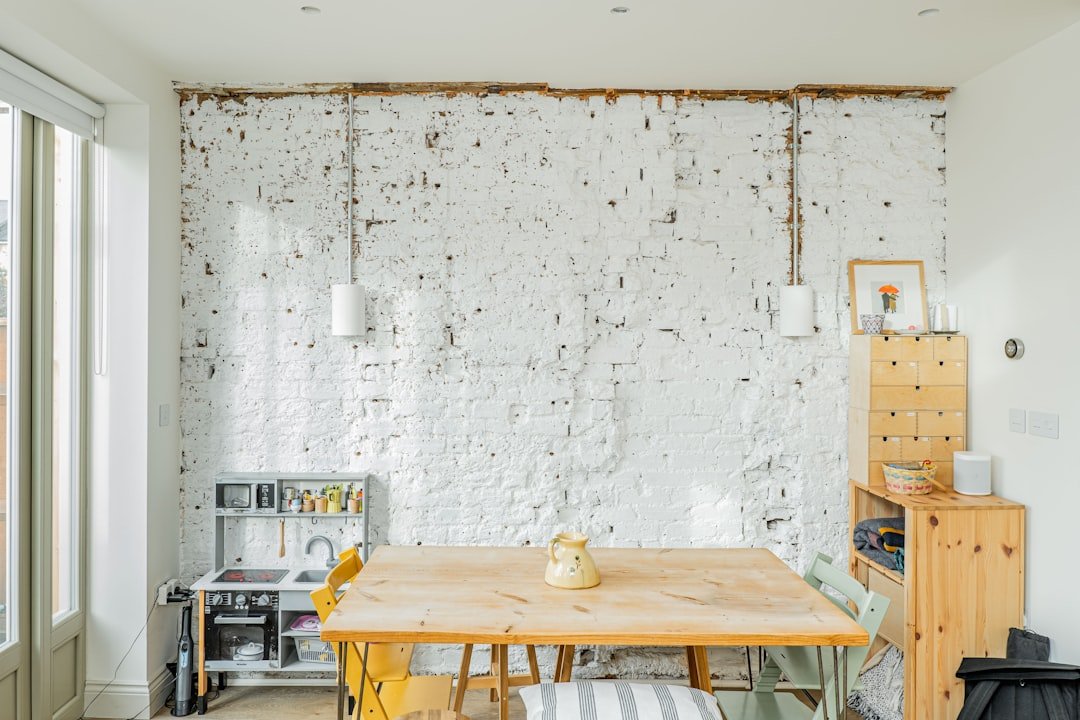
- Industrial: Exposed brick-look tiles, metal pot racks, and black-framed art complement raw, utilitarian finishes
- Small galley kitchens: Stick to 1-2 statement pieces to avoid overwhelming limited wall space, and prioritize multi-functional decor like shelves that double as storage.
Low-Lift, High-Impact Wall Art & Display Ideas
Wall art is the fastest way to add personality to a blank kitchen wall, with options for every budget and skill level. Unlike other rooms, kitchen art needs to be moisture-resistant and easy to clean to stand up to steam, splashes, and cooking grease.
Curated Gallery Walls
A gallery wall of 3-7 framed pieces fills large blank spaces without feeling cluttered. Stick to a consistent color palette or theme (e.g., vintage food advertising, botanical herb prints, or photos of your favorite home-cooked meals) for cohesion. Leave 2-3 inches of space between frames for a polished look, and hang the center of the arrangement at 57-60 inches from the floor — the standard museum hanging height that feels natural to the eye. Use acrylic instead of glass in frames to avoid fogging from steam, and choose sealed, moisture-resistant prints to prevent warping over time.
Themed, Kitchen-Specific Art
Food-focused artwork feels intentional rather than generic: think illustrated spice blends, vintage produce ads, or custom lettering of your family’s signature recipes. For renters, removable wall decals are a low-commitment option that won’t damage paint, and can be swapped out as your style changes.
DIY Custom Pieces
Create one-of-a-kind art for under $20 by painting a canvas with your favorite produce, stenciling a favorite cooking quote, or framing a vintage tea towel. In practice, DIY art often feels more personal than store-bought pieces, and you can tailor the size and color to fit your exact wall space.
A common mistake is hanging art too high or too low: placing the center of a piece above a backsplash or countertop makes it feel disconnected from the rest of the room.
 Rustic heart-shaped wood wall art with herb detailing is a low-cost, cozy option for farmhouse-style kitchens.
Image source: www.thecoolist.com
Rustic heart-shaped wood wall art with herb detailing is a low-cost, cozy option for farmhouse-style kitchens.
Image source: www.thecoolist.com
Smart Shelving Solutions for Storage and Style
Shelving turns a blank wall into a functional storage hub while giving you space to display decor, dishware, and cookbooks. The right shelving option depends on your kitchen size, whether you own or rent, and how much weight you need to hold.
Floating Shelves
The most popular kitchen wall shelf option, floating shelves have a sleek, minimal profile that works with every design style. For durability, anchor shelves directly into wall studs: 2-inch thick solid wood or composite shelves can hold up to 25 pounds per linear foot, enough for stacks of cookbooks, ceramic dishware, or bulk spice jars. A common mistake is relying solely on drywall anchors, which can fail under heavy weight and cause shelves to collapse. For renters, heavy-duty adhesive floating shelves are a damage-free alternative that can hold up to 10 pounds per shelf.
If you have a wall-mounted kitchen faucet above your sink, measure clearance carefully before installing shelves to avoid water splashes damaging wood or stored items. If you’re replacing an old fixture first, our guide to removing old wall-mounted fixtures walks you through the process safely.
Open Shelf Styling
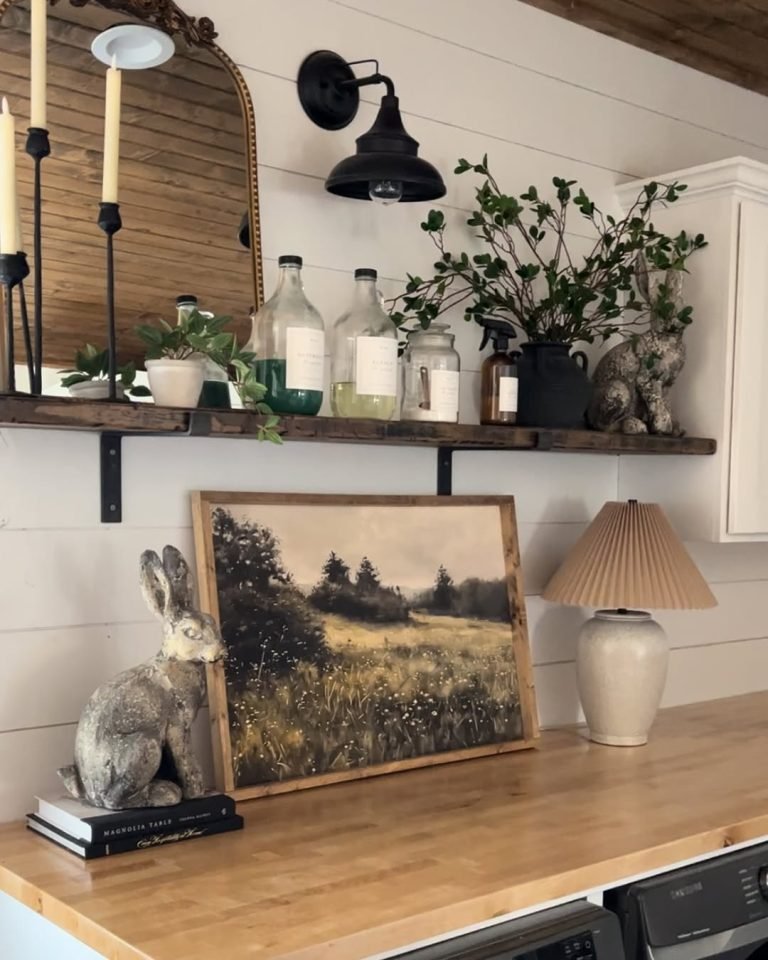
Open shelves look cluttered if overfilled: stick to the 60-30-10 rule, where 60% of shelf space is used for functional items (dishes, jars, appliances), 30% for decorative objects (small plants, vintage utensils), and 10% left empty for breathing room. Group items by color or height for a cohesive look, and avoid storing perishable food items on open shelves near the stove, where heat can cause spoilage.
Corner Shelves for Small Kitchens
For galley or L-shaped kitchens with limited wall space, corner shelves turn unused nooks into extra storage for mugs, spice racks, or recipe books. Triangular or curved corner shelves maximize awkward space without crowding walkways, and are available in both permanent and adhesive-backed options for renters.
Functional Wall Features That Save Counter Space
If your kitchen counters are perpetually cluttered, wall-mounted functional features move everyday items off the counter and onto the wall for easy access, no extra floor space required.
Magnetic Knife Strips
Magnetic knife strips hold knives securely on the wall, freeing up valuable drawer space and keeping blades sharp by avoiding contact with other utensils. Install strips at least 6 inches away from the edge of the counter to prevent accidental knocks, and avoid placing them directly above the stove, where high heat can weaken magnetic hold over time. For safety, mount strips at a height where you can easily grab knives without stretching or reaching over hot surfaces.
Hanging Pot Racks
Wall-mounted pot racks are ideal for storing heavy cast iron pans, saucepans, and cooking tools that would otherwise take up entire cabinets. Choose a rack with a weight capacity that matches your cookware collection: most standard wall racks hold 15-30 pounds, while heavy-duty models can hold up to 50 pounds for larger collections. Place racks above a kitchen island or stove for easy access while cooking, and ensure they are mounted into wall studs to prevent tipping. The National Fire Protection Association recommends keeping all wall-mounted storage at least 24 inches away from cooking surfaces to reduce fire risk, so avoid placing pot racks directly over open flames or hot burners.
Pegboards and Chalkboard Walls
Pegboards are customizable storage for utensils, small appliances, and even hanging pot racks, and can be painted to match your kitchen’s color scheme. For a low-cost, multi-use feature, paint a section of wall with low-VOC chalkboard paint to create a space for grocery lists, meal plans, and family notes — just avoid placing chalkboard walls directly above sinks or stoves, where splashes and steam will cause the paint to peel prematurely.
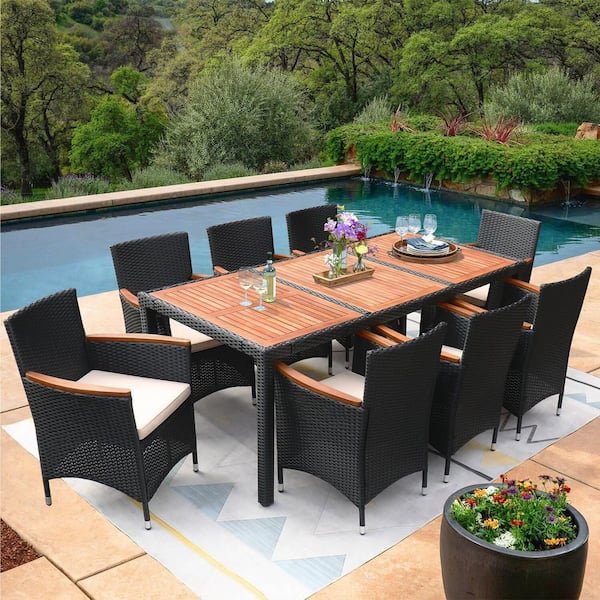
For space-saving upgrades in tiny kitchens, wall-mounted foldable dining sets attach directly to the wall and fold down when not in use, eliminating the need for a permanent table that crowds walkways.
 This space-saving wall-mounted dining set folds down when not in use, ideal for small kitchens.
Image source: www.designcafe.com
This space-saving wall-mounted dining set folds down when not in use, ideal for small kitchens.
Image source: www.designcafe.com
Greenery and Natural Elements for a Fresh, Lively Space
Adding live or dried greenery to a kitchen wall brings warmth, texture, and even air-purifying benefits to the space. Unlike other rooms, kitchen plants need to tolerate heat, steam, and occasional splashes, so choose low-maintenance varieties that thrive in the kitchen’s unique environment.
Wall-Mounted Planters
For small kitchens, wall-mounted planters eliminate counter clutter while adding a pop of green. Opt for waterproof planters (ceramic, glazed ceramic, or metal) to avoid water damage to walls, and place them in areas with at least 4-6 hours of indirect light per day. Herbs like basil, mint, rosemary, and thyme are perfect for kitchen walls, as you can snip fresh sprigs while cooking for added flavor. A common mistake is placing sun-loving herbs directly above a gas stove, where heat and steam will cause them to wilt within a week; instead, opt for low-light tolerant options like pothos or snake plants for shaded kitchen walls.
Vertical Herb Gardens
For cooking enthusiasts, a vertical wall-mounted herb garden gives you fresh ingredients at your fingertips. Simple DIY versions use hanging glass jars or wooden pallets, while pre-made kits come with built-in watering systems for low-effort upkeep. Group herbs by use (e.g., Italian herbs in one row, baking herbs in another) for easy access while meal prepping.
Live herb planters are especially popular for kitchen walls, as they provide fresh ingredients for cooking while adding vibrant green color.
 A popular Reddit kitchen refresh uses affordable floating shelves and live herbs to fill a blank wall without breaking the bank.
Image source: www.reddit.com
A popular Reddit kitchen refresh uses affordable floating shelves and live herbs to fill a blank wall without breaking the bank.
Image source: www.reddit.com
Dried Florals and Seasonal Wreaths
Dried arrangements like lavender bundles, eucalyptus sprigs, or wheat wreaths add texture and warmth without the upkeep of live plants. They’re ideal for above kitchen entryways or dining nooks, and can be swapped out seasonally to keep your space feeling fresh. To avoid mold on dried arrangements in humid kitchens, hang them in areas with good air circulation, away from direct steam from the dishwasher or stove.
Durable Backsplashes and Decorative Tiles
If your empty wall is behind a countertop or stove, a decorative backsplash is a dual-purpose upgrade that protects walls from splashes and stains while adding visual interest. In 2026, matte finishes are the most popular choice for kitchen tiles, as they hide water spots, fingerprints, and grease far better than glossy alternatives.
Colorful and Patterned Tiles
Subway tiles, geometric mosaics, and hand-painted ceramic tiles add color and texture to plain walls. For small kitchens, light-colored tiles (white, cream, soft gray) make the space feel larger, while bold patterns (chevron, terracotta, encaustic) add personality to larger kitchens. If you’re tiling a wall behind a stove, choose tiles with a high heat rating to avoid cracking over time.
Peel-and-Stick Backsplashes
For renters or anyone wanting a fast, no-mess upgrade, peel-and-stick tiles are a game-changer. Made from vinyl or composite material, they require no grout, no special tools, and can be installed in an afternoon. Modern options mimic the look of real stone, brick, or subway tile, and can be removed without damaging paint when you’re ready to update. A common mistake is applying peel-and-stick tiles to unprimed or textured walls, which can cause them to peel over time — be sure to clean and prime the wall surface first for best results.
Textured 3D Tiles
3D tiles add depth and visual interest to plain walls, with options that mimic brick, wood, or abstract geometric patterns. They’re especially effective at hiding minor wall imperfections, and work well in industrial or modern kitchen styles. For high-splash zones like behind a sink, seal textured tiles with a water-resistant sealant to prevent water damage and mold growth. To further minimize moisture issues, the U.S. Environmental Protection Agency recommends using moisture-resistant materials in kitchen backsplash zones and ensuring your kitchen has proper ventilation to reduce excess humidity: EPA kitchen moisture and mold prevention guidance
Layered Lighting to Highlight Your Wall Features
Even the best-planned wall decor falls flat without proper lighting. Thoughtful lighting not only brightens dark kitchen corners but also highlights your favorite pieces and improves visibility for cooking tasks.
Under-Shelf and Under-Cabinet Lighting
LED strip lights installed under floating shelves or upper cabinets cast a soft, even glow that highlights displayed items and brightens countertops for meal prep. Opt for warm 2700K-3000K bulbs for a cozy, inviting feel, or 4000K bulbs for bright task lighting if you do a lot of detailed cooking or baking. Battery-operated LED strips are a rent-friendly option that requires no hardwiring.
Wall Sconces
Wall sconces add ambient light and style to empty walls, especially in kitchens with no overhead lighting. Place sconces 60-72 inches from the floor to the bottom of the fixture, and position them 12-18 inches from the edge of the counter or cabinet for even light distribution. Choose damp-rated sconces for areas near sinks to avoid damage from splashes.
String Lights and Accent Strips
For a playful, cozy touch, wrap fairy string lights around floating shelf edges or hang LED strip lights in geometric patterns behind open shelves. These options are especially popular for farmhouse and cottage-style kitchens, and most are battery-operated for easy, no-drill installation.
A common mistake is using cool white (5000K+) lighting in kitchens, which makes food look unappetizing and creates a harsh, clinical feel — stick to warm or neutral tones for a more inviting space.
Creative, Low-Cost Wall Hangings for Personality
If you’re on a tight budget, creative wall hangings add charm and character without the cost of built-in features or high-end art.
Vintage Kitchen Tool Displays
Old, unused kitchen tools make for unique, nostalgic wall decor: hang vintage wooden spoons, rolling pins, copper graters, or antique cookie cutters on small hooks, or display them in shadow boxes to protect them from grease and steam. These pieces add a rustic, lived-in feel to farmhouse and industrial kitchens, and are often free or low-cost if sourced from thrift stores or family attics.
Woven Baskets and Textiles
Woven baskets in varying sizes add natural texture and warmth to plain walls, and can be used to store small items like tea towels or produce while doubling as decor. For a softer touch, hang woven macramé hangings or vintage tea towels on a wooden dowel for a bohemian vibe.
Decorative Plates and Trays
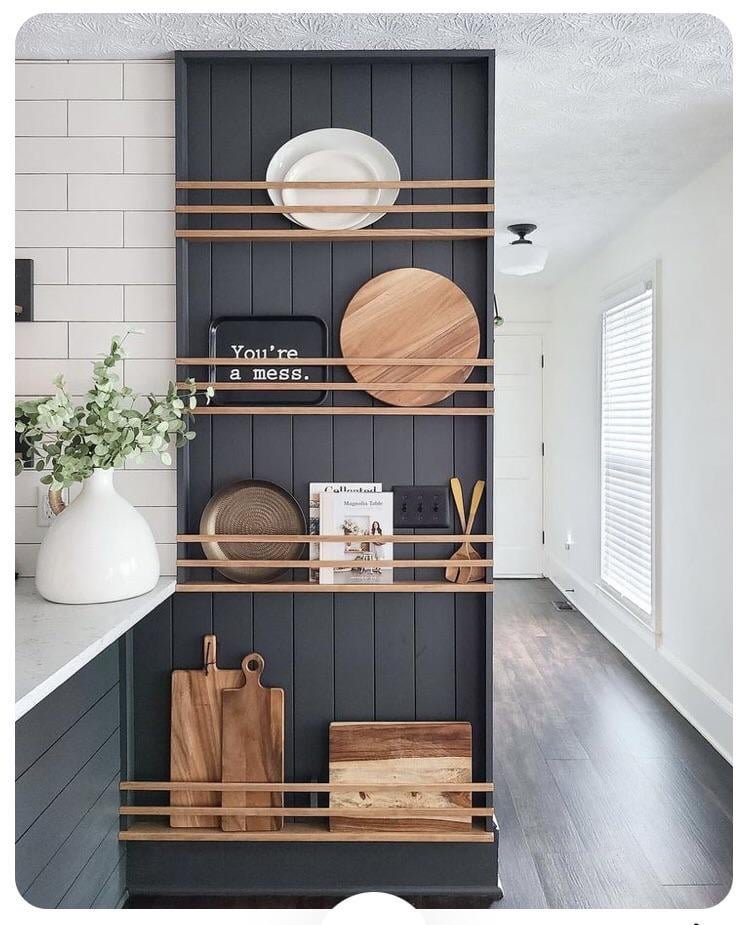
Colorful ceramic plates, embossed metal trays, and vintage serving platters add bright pops of color to empty walls. Use invisible adhesive plate hangers for a no-drill installation, or mount a traditional plate rail for heavier pieces. Arrange plates in a symmetrical grid for a formal look, or in an organic, scattered pattern for an eclectic feel. Avoid using adhesive hangers for plates heavier than 3 pounds, as they can fail and cause breakage.
Common Mistakes to Avoid When Decorating Kitchen Walls
Even small missteps can lead to damaged walls, wasted money, or unsafe setups. Keep these common pitfalls in mind when planning your update:
- Overloading walls with decor: Leave 30-40% of your wall space empty to avoid a cluttered, overwhelming feel. For small kitchens, stick to 1-2 statement pieces rather than a full gallery wall.
- Ignoring moisture and heat exposure: Avoid unsealed paper art, raw wood, and flammable fabrics (like uncoated cotton hangings) within 2 feet of the stove or sink, where steam and splashes can cause warping, mold, or fire risk.
- Skipping proper weight support: Heavy shelves, pot racks, and large art need to be anchored into wall studs, not just drywall. Use rated anchors for the weight of your item, and never hang anything heavier than the anchor’s weight limit above high-traffic areas.
- Clashing with existing finishes: Avoid choosing wall decor that competes with your cabinet or countertop pattern — for example, a bold geometric backsplash will feel chaotic if paired with a busy granite countertop. Stick to one statement element per wall for a balanced look.
Frequently Asked Questions
What are the best decorative items for empty kitchen walls?
The most versatile options are floating shelves (for storage and display), framed moisture-resistant art, and wall-mounted planters. For renters, peel-and-stick backsplashes, adhesive shelves, and removable wall decals offer low-commitment style updates that don’t damage walls. Choose items that match your kitchen’s existing style to avoid a disjointed look.
How can I use empty kitchen walls for extra storage?
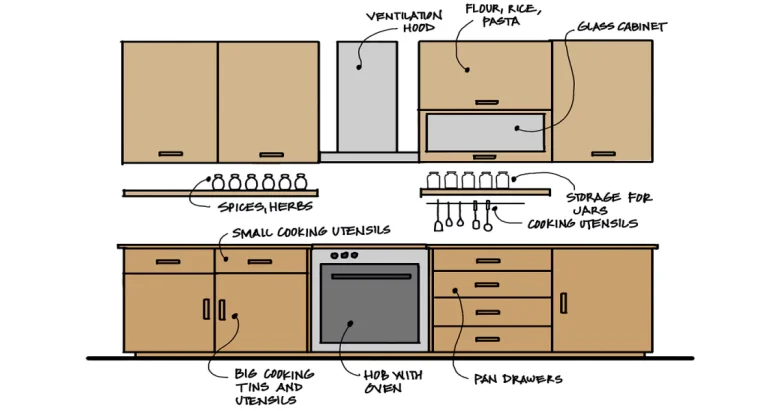
Wall-mounted shelves, magnetic knife strips, pegboards, and hanging pot racks all move items off countertops and into unused vertical space. For small kitchens, corner shelves and over-the-stove racks maximize every inch of available wall without crowding walkways.
Are kitchen wall decals a good idea?
Yes, removable vinyl wall decals are an excellent option for renters or anyone who likes to update their decor frequently. They’re affordable, easy to apply and remove, and come in thousands of designs from food-themed illustrations to full-backsplash patterns. Just be sure to clean the wall surface thoroughly before application to ensure they stick properly and don’t peel paint when removed.
Can plants improve the look of empty kitchen walls?
Absolutely. Live plants add color, texture, and air-purifying benefits to kitchen walls, and low-maintenance varieties like pothos, snake plants, and herbs thrive in kitchen environments. For walls near stoves, opt for heat-tolerant plants like succulents or aloe, and avoid overwatering to prevent mold growth on walls.
What’s the best material for kitchen walls near the sink?
For walls behind sinks or dishwashers, choose moisture-resistant materials like ceramic tile, beadboard, or waterproof wallpaper to avoid water damage and mold. Avoid porous materials like unsealed wood or drywall in these high-splash zones, as they can warp or grow mold within months.
Conclusion
Transforming a blank kitchen wall doesn’t require a full renovation or a huge budget — even small updates like a single gallery wall, a set of floating shelves, or a few potted herbs can make the space feel more functional, inviting, and uniquely yours. Start by identifying your kitchen’s existing style and your priority (storage, decor, or both) to narrow down the best options for your space, and don’t be afraid to mix functional and decorative elements for a balanced look. If you’re planning a full kitchen refresh alongside your wall updates, our guide to removing old wall-mounted fixtures makes prep simple and stress-free. No matter which idea you choose, the best kitchen wall decor reflects your personal style and makes the space feel more like home.