How to Decorate Kitchen Wall: Stunning Ideas to Transform Your Space
Plain kitchen walls can make even a recently renovated space feel unfinished, but you don’t need to hire a contractor or break the bank to transform them. In 2026, the most popular kitchen wall designs blend personality, function, and low-lift updates that work for every layout, from tiny galley kitchens to sprawling open-concept spaces. Whether you’re a renter restricted from drilling into walls or a homeowner looking to refresh a dated space, the ideas below are tested by interior designers to deliver a high-impact, long-lasting result.
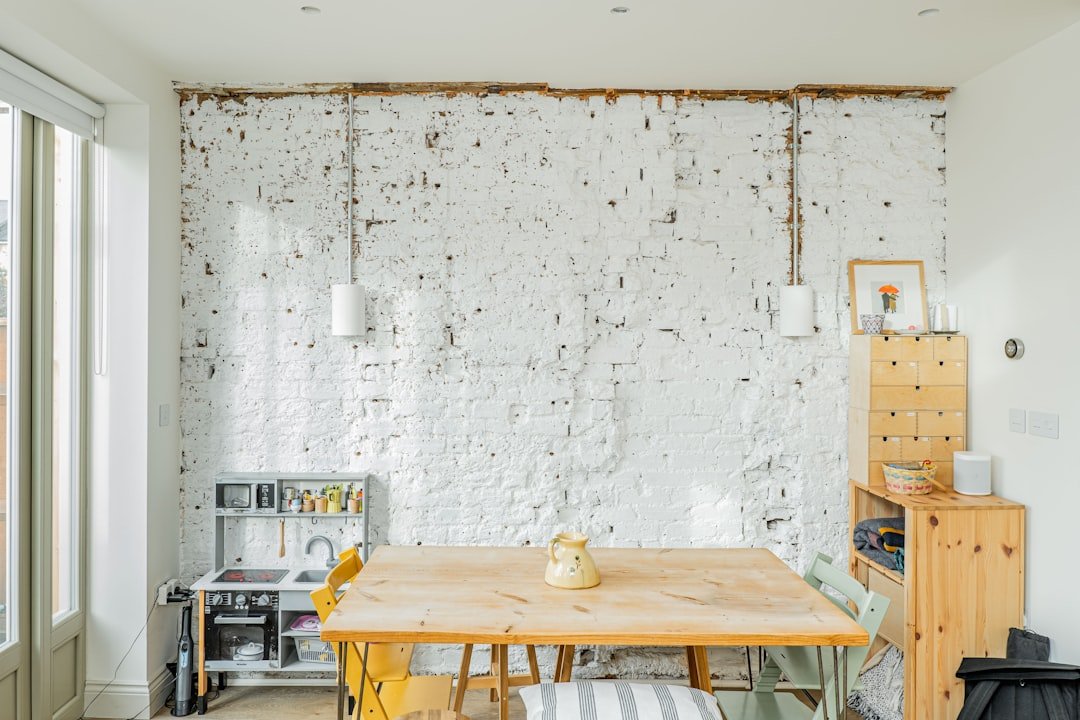
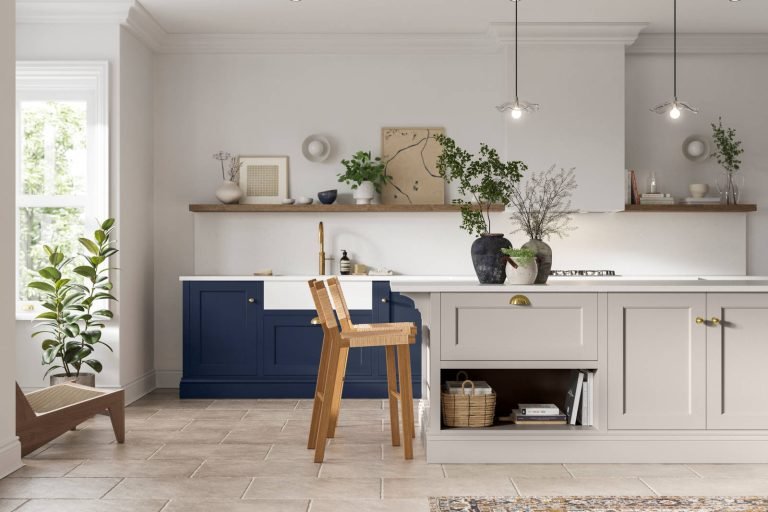
 This warm whitewashed finish works for both small galley kitchens and open-concept spaces, as it reflects light to make the area feel larger.
Credit: www.thecoolist.com
This warm whitewashed finish works for both small galley kitchens and open-concept spaces, as it reflects light to make the area feel larger.
Credit: www.thecoolist.com
First, Assess Your Kitchen’s Unique Needs
Jumping straight into decor without evaluating your space is the most common mistake homeowners make, leading to wasted money and designs that don’t hold up to daily use. Start with these three quick checks to narrow down solutions that fit your lifestyle:
- Map high- and low-traffic zones: The wall directly behind your cooktop and sink is a high-grease, high-moisture zone that needs durable, easy-to-clean finishes. Walls near your dining nook or coffee station are low-traffic, so you can use more delicate materials like framed art or peel-and-stick decals here.
- Note hard constraints: If you rent, avoid permanent installations like nail holes, permanent paint, or glued wood panels. If you have bold existing cabinet finishes (like forest green or deep brown), coordinate your wall decor to avoid visual clutter — our guides to green cabinet wall pairings and brown cabinet wall pairings break down exact shade combinations tested by interior designers.
- Follow space planning standards: Per the National Kitchen + Bath Association’s space planning guidelines, leave at least 36 inches of clearance between wall decor and countertops to avoid snagging items while cooking or prepping.
Choose a Cohesive Color Scheme
Your wall color sets the tone for the entire kitchen, so pick a finish that balances your style preferences with practical needs for the space. In 2026, the most popular palettes lean into warm, inviting tones that feel cozy without feeling dated. For more on this, see our guide on how to decorate a bare kitchen wall.
Bold Accent Walls
A single bold accent wall is one of the easiest ways to add high-impact personality without overwhelming a small space. 2026’s most popular bold shades include terracotta, deep forest green, and matte black, which work especially well as a backdrop behind a range, breakfast nook, or open shelving unit. To avoid a cramped feel, pair the accent wall with neutral paint on the remaining three walls, and tie the look together with matching decor (like terracotta dishware or black hardware) that echoes the accent shade. A common mistake is using a bold accent in a windowless galley kitchen, which can make the space feel even smaller — stick to light, reflective base tones for low-light layouts.
Neutral, Light-Filled Bases
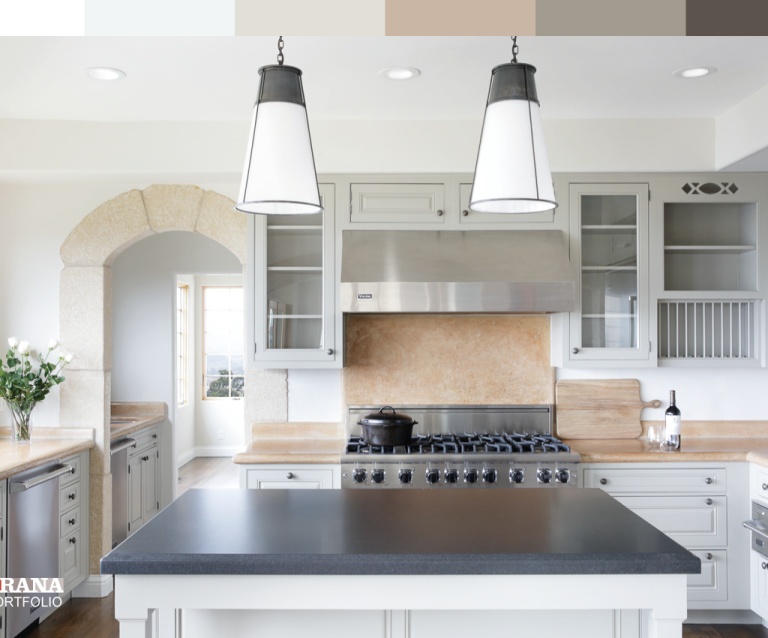
If you prefer a timeless, low-fuss look, neutral wall tones are the best choice for most kitchens. Warm white, soft greige, and pale sage reflect natural light to make small spaces feel larger, and they pair with every cabinet finish from natural wood to glossy white. To avoid a flat, boring look, choose a textured paint finish like limewash or venetian plaster, which adds subtle depth without requiring extra decor. Neutral walls also make it easy to swap out seasonal decor (like holiday wreaths or summer florals) without repainting.
Mixing Patterns and Colors Responsibly
Mixing patterns and colors adds personality to kitchen walls, but overdoing it leads to a chaotic, overwhelming feel. The 2026 trend of tonal layering is a foolproof way to add interest: choose one base hue, then incorporate it in three different finishes (e.g., soft blue paint, blue-and-white geometric tile, and blue linen curtains) for a cohesive, intentional look. If you prefer mixed patterns, stick to the rule of three: max three distinct patterns per wall, with at least one solid neutral tone to balance the look.
 A bold accent wall behind a dining nook creates a defined, cozy zone without overwhelming the rest of the kitchen.
Credit: www.countryliving.com
A bold accent wall behind a dining nook creates a defined, cozy zone without overwhelming the rest of the kitchen.
Credit: www.countryliving.com
Add Functional, Style-Forward Wall Storage
Wall storage eliminates countertop clutter while adding visual interest to your kitchen walls. The best options balance durability with style, so they hold up to daily use without looking out of place.
Open Shelving for Display and Daily Use
Open shelves are a favorite of 2026 kitchen designs, as they turn everyday dishware into decor while keeping essentials within reach. For stability, opt for shelves with a depth of 8–10 inches for mugs and small dishware, and 12 inches for cookbooks and larger items. A common mistake is overloading shelves with excess decor and dishware, which not only looks cluttered but can become a hazard in areas prone to seismic activity. Stick to a 60/30/10 rule: 60% functional items you use daily, 30% decorative accents, and 10% negative space to let the design breathe.
Floating and Wall-Mounted Racks
Floating shelves are a sleek, space-saving option for small kitchens, as they don’t take up any floor space. For renters, look for adhesive-backed floating shelves rated to hold 15 lbs or more, which can be removed without damaging walls when you move out. Wall-mounted pot racks are another functional addition: opt for ceiling-mounted racks if you store heavy cast iron cookware, and wall-mounted rails for lighter stainless steel pans. Matte black rails pair with modern kitchens, while wrought iron options complement farmhouse and rustic styles.
Hook and Rail Systems for Cookware
Simple hook and rail systems installed on an empty wall near your stove cut down on cabinet clutter significantly, keeping your most-used pots, pans, and utensils within arm’s reach while cooking. Look for rails with integrated hooks for utensils and pot holders to keep the look cohesive. For a polished finish, match the rail finish to your cabinet hardware (e.g., brass rails with brass cabinet pulls).
Install Durable, Eye-Catching Wall Finishes
For high-traffic kitchen zones like backsplashes, durable wall finishes protect your walls from grease, water, and stains while adding major visual appeal.
Classic and On-Trend Tile Options
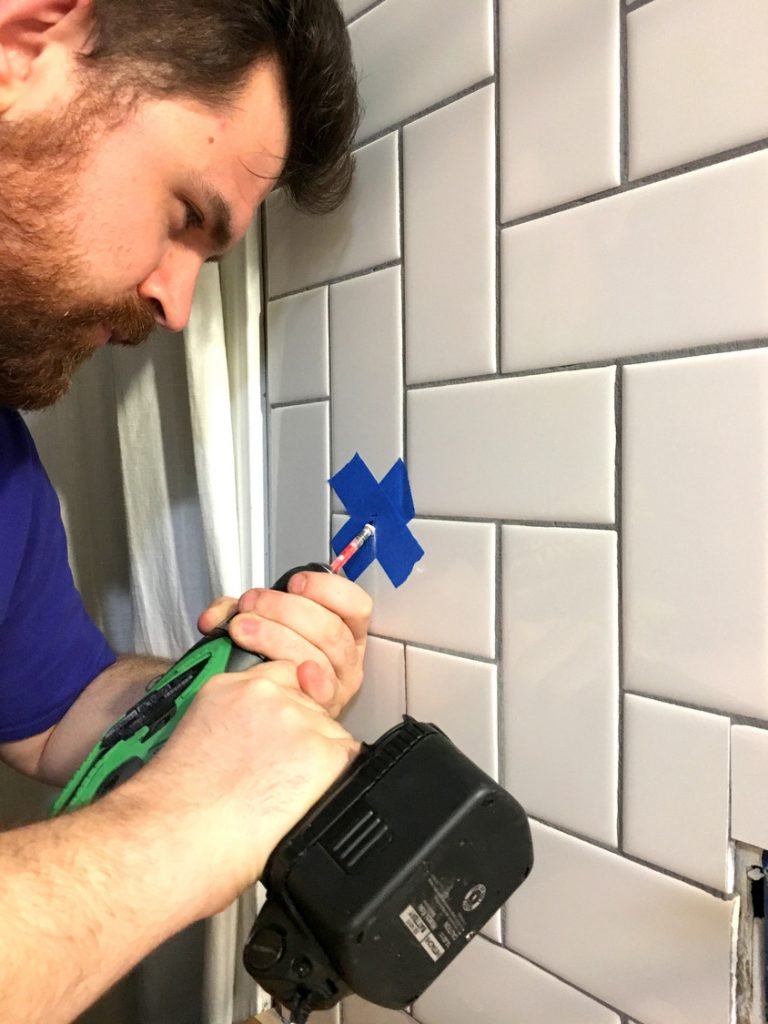
Subway tile remains a timeless choice, but 2026 trends have updated the classic look with handmade zellige tile (with irregular, organic edges) and 2×6 sizes instead of the standard 3×6. For a subtle pattern, arrange subway tile in a herringbone or vertical layout instead of the traditional horizontal row. Patterned and colorful tiles (Moroccan-inspired encaustic tile, hand-painted Spanish tile) work well as a focal point behind the range or sink, but avoid using them on an entire wall in small kitchens, as they can overwhelm the space. A common mistake is using porous natural stone tile (like marble or travertine) in the cooking zone without sealing it first, which leads to permanent grease and water stains.
Budget-Friendly Peel-and-Stick Solutions
Peel-and-stick tiles are the best rental-friendly option for a quick, low-cost wall refresh, as they require no grout, special tools, or permanent adhesive. 2026 options include waterproof, grease-resistant designs perfect for use behind stoves and sinks, as well as faux wood and metallic finishes for accent walls. Note that peel-and-stick products only adhere to smooth, primed walls — they will not stick to textured drywall or existing wallpaper, so smooth out any bumps on your wall before application to avoid peeling.
Wood and Shiplap Accent Walls
For a warm, rustic vibe, moisture-resistant wood or shiplap accent walls are a popular 2026 trend that works for every kitchen style. Use sealed cedar or MDF panels to avoid warping from kitchen humidity, and paint or stain them to match your existing cabinet finish. Shiplap works especially well in open-concept kitchens to define the cooking zone without adding full walls.
Decorate with Wall Art and Personal Touches
Wall art adds personality and warmth to your kitchen, turning a plain wall into a space that reflects your tastes and lifestyle.
Curated Framed Prints and Gallery Walls
Framed prints are a quick, low-lift way to add color and personality to kitchen walls. 2026’s most popular kitchen art themes include vintage produce illustrations, local restaurant prints, and custom family recipe art. For a gallery wall, hang the center of the arrangement at 57 inches from the floor (per NKBA guidelines) to keep proportions balanced. Mix frame styles for a playful, eclectic look, or stick to matching frames for a polished, minimalist vibe. To avoid a cluttered feel, leave 2–3 inches of space between each frame.
Writable Wall Surfaces
Writable walls are equal parts functional and decorative, perfect for grocery lists, meal prep notes, and kids’ drawings. Chalkboard paint now comes in matte neutrals like charcoal and cream that don’t look like a classroom, while glass backsplashes paired with dry-erase markers offer a sleeker, more modern look. For best results, apply writable paint only to low-grease zones like the wall next to your coffee station, not directly behind the cooktop.
DIY and Sentimental Decor
Handmade decor adds a unique, personal touch to your kitchen walls that no store-bought item can match. Upcycle old cutting boards, vintage plates, or even family recipe cards into framed art, or involve kids in handprint tile projects for a sentimental keepsake. For a low-cost refresh, swap out framed art seasonally to match your kitchen’s vibe.
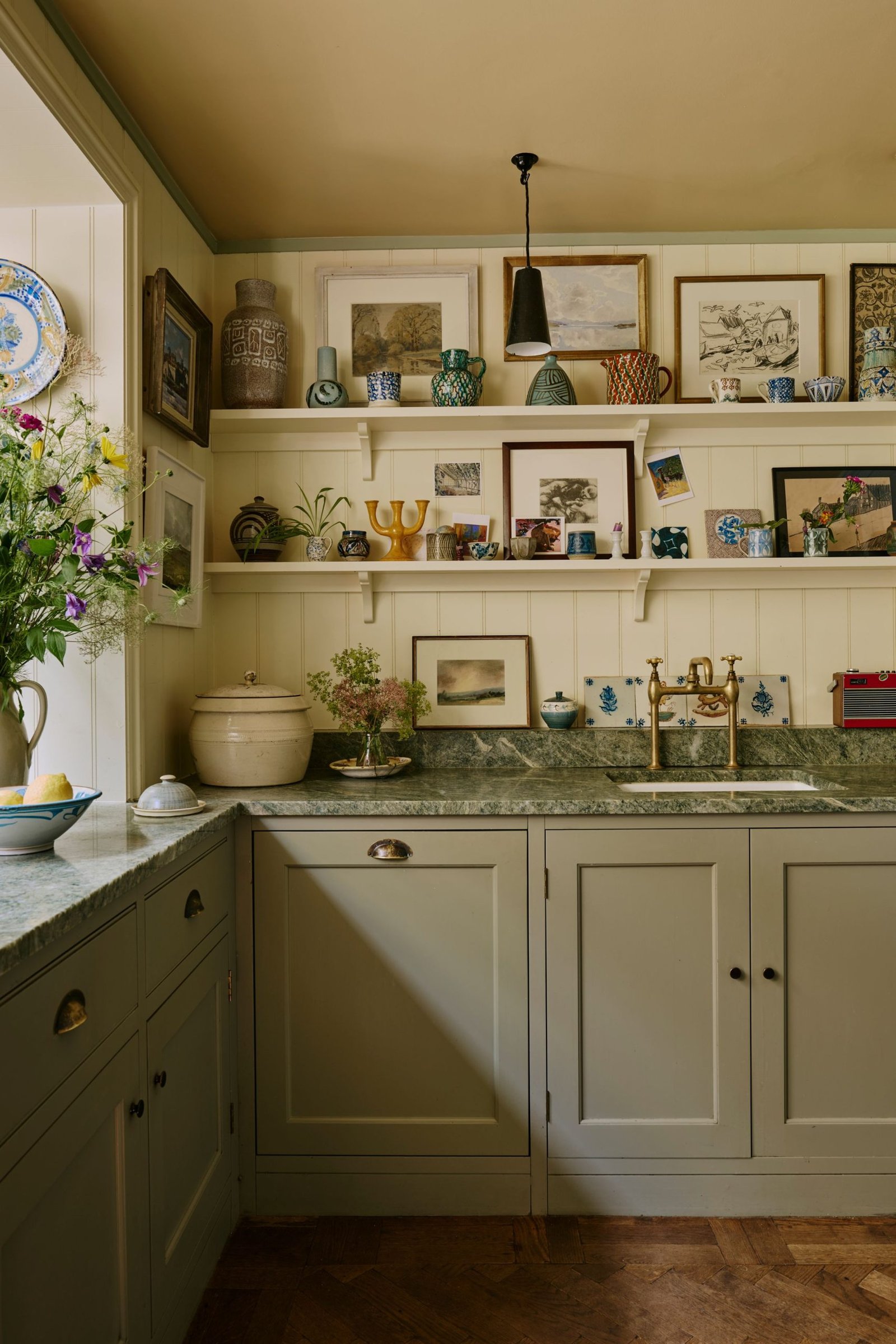
 A curated gallery wall of food art and functional open shelves blends personality and practicality for a lived-in feel.
Credit: www.myselfmonart.com
A curated gallery wall of food art and functional open shelves blends personality and practicality for a lived-in feel.
Credit: www.myselfmonart.com
Add Natural Elements for Warmness and Air Quality
Natural decor brings life and texture to kitchen walls while improving indoor air quality, making your space feel calmer and more inviting.
Wall-Mounted Planters
Wall-mounted planters add vertical greenery without taking up precious counter space, and they come in every style from minimalist ceramic to rustic wood. For kitchen conditions, choose low-maintenance, low-shed plants like pothos, succulents, or snake plants that tolerate low light and infrequent watering. Avoid plants that drop leaves or petals (like ferns or flowering annuals) near food prep areas to keep surfaces clean. Arrange multiple small planters in a grid pattern for a living wall effect, or hang a single large planter as a statement piece.
Living Herb Gardens
A wall-mounted herb garden combines decor and function, giving you fresh, aromatic herbs for cooking at your fingertips. Install a tiered wooden rack near a south-facing window to grow basil, mint, rosemary, and thyme, and harvest stems as needed for meals. To avoid mold growth on walls, use self-watering planters and avoid overwatering — most kitchen herbs only need water once a week.
Dried Florals and Seasonal Wreaths
Dried flowers and wreaths add rustic charm to kitchen walls with zero maintenance, making them perfect for busy households. Lavender bundles double as natural pest control, deterring fruit flies near fruit bowls and compost bins, while dried eucalyptus or citrus wreaths can be swapped seasonally for a low-effort refresh. Hang wreaths on empty walls, cabinet doors, or above your kitchen sink for a cozy, welcoming touch.
Layer in Lighting to Highlight Your Wall Decor
The right lighting elevates your kitchen wall decor from nice to stunning, eliminating harsh shadows and highlighting your favorite design elements. In 2026, layered lighting is the gold standard for kitchen design, combining task, accent, and ambient light to serve both practical and aesthetic needs.
Task Lighting for Cooking Zones
Under-cabinet LED lighting is a must for cooking zones, as it eliminates shadows on countertops while you prep food and cook. Look for LED strips with a Color Rendering Index (CRI) of 90 or higher, which makes food colors look true and helps you spot spoilage or undercooked meat easily. Dimmable under-cabinet lights let you switch from bright task lighting for meal prep to a soft, warm glow for evening dining.
Accent Lighting for Focal Points
Accent lighting draws attention to your kitchen’s best features, whether that’s a gallery wall, textured tile backsplash, or open shelving. Install thin wall sconces on either side of art or shelves to eliminate harsh overhead shadows, or use directional spotlights to highlight patterned tile or wood paneling. Choose warm 2700K bulbs for a cozy, inviting glow that flatters skin tones and food.
Decorative Ambient Lighting
String lights aren’t just for holidays — they add a whimsical, cozy vibe to kitchen walls year-round. Drape warm white fairy lights along the top of open shelves, around a breakfast nook, or above a kitchen window for a soft, relaxing glow. For a more polished look, tuck rope lights along the top edge of a backsplash to highlight tile patterns without drawing attention to the fixture itself.
Frequently Asked Questions
What are the best materials for kitchen wall decoration?
The most durable, low-maintenance materials for kitchen walls are moisture-resistant tile, washable paint, peel-and-stick wallpaper, and sealed wood panels. Stainless steel sheets are a high-end option for modern kitchens, as they are completely grease-proof and scratch-resistant, but they can show fingerprints and require frequent wiping to maintain their shine.
How can I make small kitchen walls look bigger?
To make small kitchen walls feel larger, stick to light, cool-toned paint (soft white, pale blue, light greige) that reflects natural light. Add glossy tile backsplashes or a small mirrored accent to bounce light around the room. Vertical shiplap or open shelving draws the eye upward, creating the illusion of higher ceilings. Avoid overcrowding walls with large decor or bulky shelves, which can make the space feel cramped.
What kitchen wall decor suits a modern style?
Modern kitchen wall decor leans into clean lines and uncluttered layouts: think minimalist framed prints, thin metal wall sculptures, and geometric-patterned tile or wallpaper. Stick to a neutral base (white, gray, black) with one or two bold accent colors to keep the space feeling intentional, not busy. Avoid rustic or ornate decor that clashes with sleek, modern cabinet hardware and appliances.
How do I protect kitchen walls from grease and stains?
To protect kitchen walls from grease and stains, apply a washable, semi-gloss paint to all walls, and install a tile, glass, or stainless steel backsplash that extends at least 18 inches above the cooktop and 4 inches behind the sink. Wipe down walls and backsplashes weekly with a gentle degreaser to prevent buildup, and touch up paint as needed to avoid permanent stains. For cooking zones, opt for low-VOC, washable paint to reduce indoor air pollutants — the EPA’s low-VOC paint guidelines outline safe, durable options for high-moisture kitchen spaces.
Can I decorate kitchen walls if I’m renting?
Absolutely. Stick to renter-friendly solutions that don’t damage walls: peel-and-stick wallpaper and tiles, adhesive-backed floating shelves, command hooks for hanging art and cookware, and removable wall decals. Avoid permanent installations like nail holes, permanent paint, or glued wood panels, and be sure to remove all decor carefully when you move out to avoid residue or wall damage.
Conclusion
Transforming your kitchen walls doesn’t require a full remodel or a huge budget — small, intentional updates can make the space feel more personal, functional, and inviting for years to come. Start by assessing your kitchen’s unique layout, lighting, and any constraints (like rental rules or existing cabinet finishes) to choose solutions that work for your space. Whether you opt for a bold accent wall, functional open shelving, or a living herb garden, the key is to balance personality with practicality to create a kitchen you love spending time in. Ready to tie your new wall decor to your existing cabinet style? Check out our guides to green cabinet wall pairings and brown cabinet wall pairings for designer-approved shade combinations that feel cohesive and fresh.