How Much to Paint Kitchen Walls: Ultimate Cost Guide 2025
Painting your kitchen walls is one of the most cost-effective ways to transform the space, but unlike other rooms, kitchen walls face unique stress from cooking grease, steam, and daily scrubbing. This means standard interior paint often won’t hold up, and hidden costs like surface prep or lead testing can quickly blow your budget if you don’t plan ahead.
This guide breaks down 2025-2026 accurate pricing for both DIY and professional projects, with concrete examples, cost-saving tips, and guidance to avoid common mistakes that lead to wasted money and a poor finish. Whether you’re tackling the job yourself or hiring a pro, you’ll find everything you need to set a realistic budget and get a long-lasting, professional-looking result. For more on this, see our guide on how much does it cost to paint kitchen.
Key Factors That Drive Kitchen Wall Painting Costs
Before diving into exact numbers, it’s critical to understand what impacts your total project cost. These variables will shift your budget by hundreds of dollars, so accounting for them early prevents surprise expenses.
Kitchen Size and Layout
Square footage is the single biggest cost driver: a small 6×8 kitchenette will need 2-3 gallons of paint total, while a large open-concept kitchen with 12ft ceilings can require 10+ gallons. Open-plan layouts also add cost if you have extra crown molding, chair rails, or half-walls to paint, as these require more precise cutting-in work and extra paint. For more on this, see our guide on how much to paint a kitchen walls and.
Paint Quality and Finish
Paint prices range from $15 per gallon for basic budget brands to $70+ per gallon for premium, stain-resistant formulations. Finish also impacts cost and durability: flat/matte finishes are the cheapest but least durable for kitchens, while satin and semi-gloss finishes cost 10-20% more but resist grease, moisture, and scrubbing far longer.
Surface Preparation Needs
Skipping prep is the most common cause of premature paint failure in kitchens. Cracks, holes, water stains, and peeling old paint all need to be patched, sanded, and primed before painting, which adds $100-$300 in labor (if hiring a pro) or 2-4 hours of DIY work. For homes built before 1978, you may also need to factor in lead paint testing and abatement costs (see below).
Lead Paint Testing for Pre-1978 Homes
If your home was built before 1978, lead paint may be present under existing layers of paint. Professional lead testing costs $150-$300, and if lead is found, certified abatement can add $500-$1,500 to your project, depending on the scope of work. For safety, always follow the EPA’s lead paint safety guidelines when renovating older homes to avoid hazardous lead dust exposure.
Labor Rates and Regional Differences
If you hire a professional, labor costs will make up 60-70% of your total budget. Rates vary widely by location: painters in coastal urban areas like New York City or San Francisco charge 20-30% more than those in rural Midwest regions, due to higher cost of living and demand. Expect to pay $25-$60 per hour for experienced, insured painters.
Add-On Projects
Most homeowners choose to paint kitchen trim, ceilings, or cabinets at the same time as walls to create a cohesive look. Painting trim and ceilings adds 10-20% to your total cost, while painting cabinets can double or triple your budget, depending on the number of cabinets and finish selected.
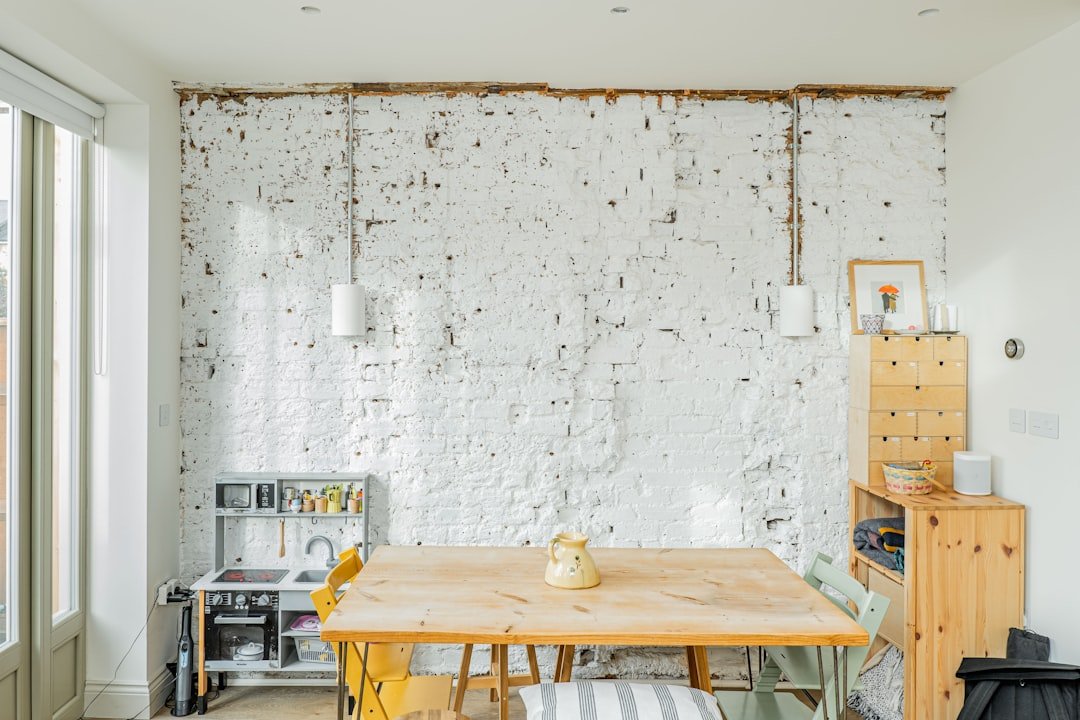
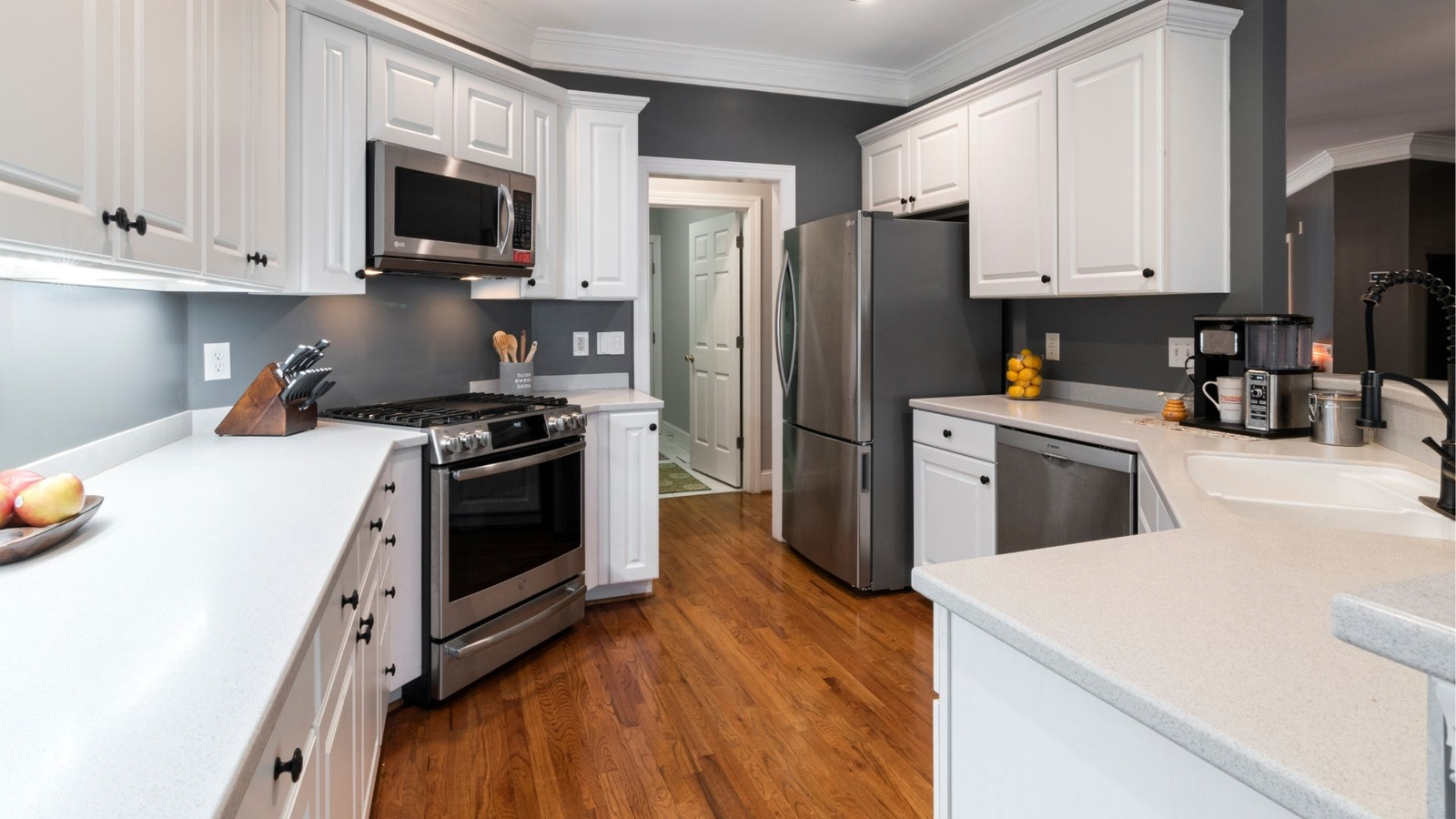
 Example of a warm off-white kitchen wall paint paired with natural oak cabinetry for a neutral, inviting look
Credit: www.reddit.com
Example of a warm off-white kitchen wall paint paired with natural oak cabinetry for a neutral, inviting look
Credit: www.reddit.com
2025 Average Cost Breakdown
Costs vary drastically based on the factors above, but the following ranges reflect 2025-2026 national average pricing for standard kitchen wall painting projects.
| Kitchen Size (Wall Square Footage) | DIY Total Cost | Professional Total Cost | Notes |
|---|---|---|---|
| Small (<100 sq ft) | $75–$200 | $300–$600 | Includes basic supplies, no major prep work |
| Medium (100–250 sq ft) | $150–$400 | $600–$1,200 | Includes 2 coats of paint, basic patching |
| Large (>250 sq ft) | $300–$700 | $1,200–$2,500+ | Includes premium paint, extensive prep, add-ons like trim/ceilings |
Cost Per Square Foot
Professional painters typically charge $1.50–$4.00 per square foot for wall painting only, and $2.00–$5.50 per square foot if the quote includes trim and ceilings. Textured walls, popcorn ceilings, or intricate crown molding will push you to the higher end of this range, as they require more paint and labor to cover evenly.
Paint and Supply Costs
If you DIY, you’ll need to budget for the following supplies:
- Paint: $15–$70 per gallon (2+ gallons for most kitchens)
- Primer: $15–$30 per gallon (required for bare drywall, dark color changes, or stained walls)
- Painter’s tape, drop cloths, and edging tools: $30–$60
- Brushes, rollers, and paint trays: $20–$40
- Wall repair materials (spackle, sandpaper, putty): $15–$30
Total supply costs for a medium kitchen run $100–$200 for DIY projects.
Labor Cost Breakdown
For professional jobs, labor costs cover surface prep, painting, and cleanup. A standard medium kitchen takes 4–8 hours of labor to complete, so expect to pay $200–$500 in labor fees alone for this size space. If your walls need extensive patching, sanding, or lead abatement, add 2–4 hours of labor time to the quote.
DIY vs. Professional Painting: Cost, Timeline, and Results
Choosing between DIY and hiring a pro depends on your budget, timeline, and skill level. Below is a full breakdown of the tradeoffs to help you decide.
Pros and Cons of DIY
Painting your own kitchen walls can cut your total project cost by 40–60%, and you can work on your own schedule to avoid disrupting your daily routine. Many homeowners also find the process satisfying, especially when they see the final result.
That said, DIY painting has significant downsides: a medium kitchen will take 8–16 hours of labor spread over 2-3 days (including drying time between coats), and mistakes like uneven cutting-in, roller lap marks, or splatters can be difficult and expensive to fix. You’ll also need to buy or rent tools like ladders, extension poles, or paint sprayers, which add $100–$200 to your total cost. A common mistake DIYers make is skipping the sanding step after patching wall holes, which leaves bumpy spots that are obvious once paint is applied — even a light hand-sand with 120-grit paper makes a drastic difference in the final finish.
When to Hire a Professional
Professional painters are worth the extra cost if you have limited time, want a flawless, consistent finish, or have complex prep work like lead paint removal, water damage repair, or textured walls. Pros also handle all cleanup, move and replace appliances if requested, and typically offer a 1–2 year warranty on their work, so if the paint peels or fades prematurely, they’ll fix it for free. For homes with intricate trim, high ceilings, or large open layouts, hiring a pro will also save you from the physical strain and risk of injury from working on ladders.
Side-by-Side Cost Comparison
| Factor | DIY | Professional |
|---|---|---|
| Total cost (medium kitchen) | $150–$400 | $600–$1,200 |
| Time commitment | 8–16 hours over 2–3 days | 1–2 days total, no homeowner time needed |
| Finish quality | Variable, depends on skill | Consistent, professional |
| Warranty | None | 1–2 years most providers |
| Cleanup | Homeowner responsibility | Included in quote |
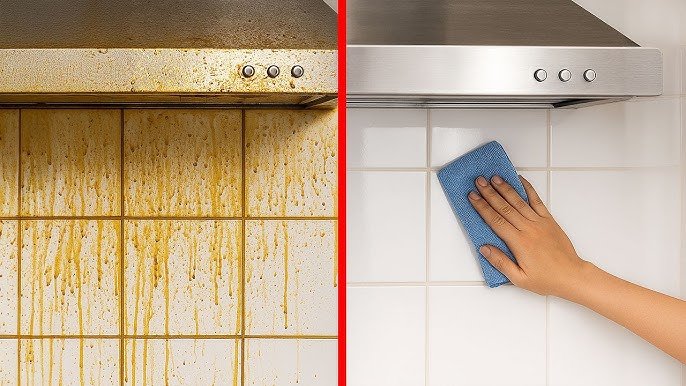
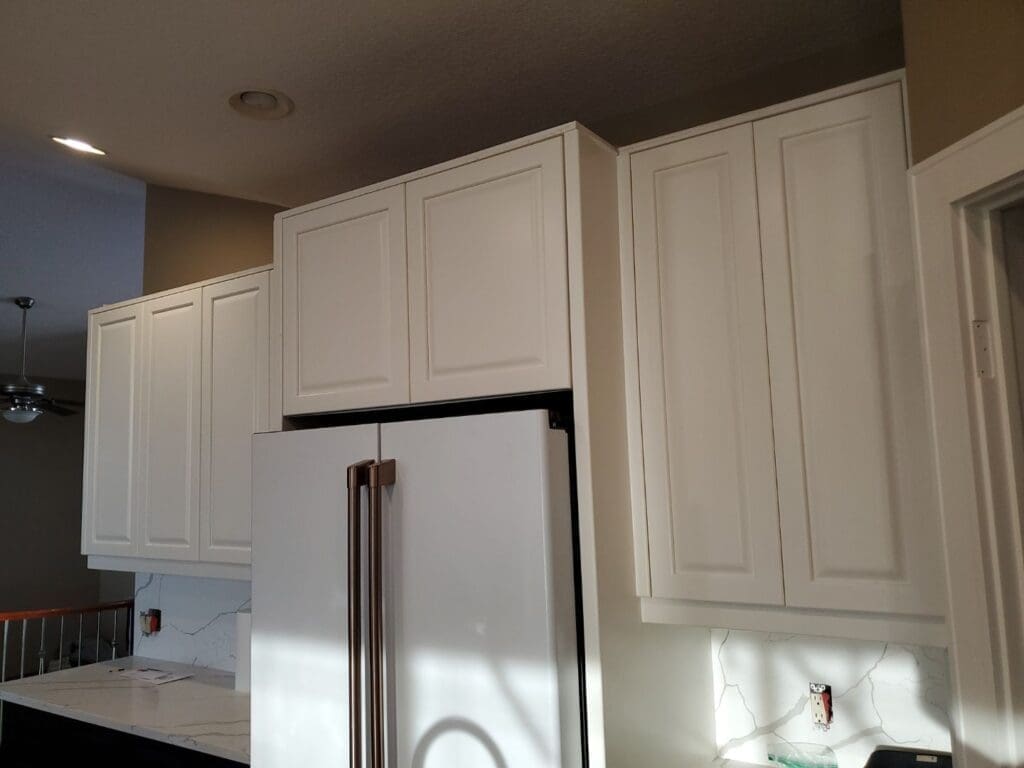 Semi-gloss finish is ideal for kitchen walls near cooking areas due to its moisture and grease resistance
Credit: cabinetpainter.ca
Semi-gloss finish is ideal for kitchen walls near cooking areas due to its moisture and grease resistance
Credit: cabinetpainter.ca
How to Choose the Right Paint for Kitchen Walls
The original article mentioned finishes briefly but didn’t explain how to select the right product for your kitchen’s unique needs. The right paint will resist grease, moisture, and daily wear, so it lasts 2–3 times longer than standard interior paint.
Best Finishes for High-Traffic Kitchen Zones
- Semi-gloss: The most durable option, ideal for walls near stoves, sinks, and high-traffic areas. It resists grease splatters, moisture, and scrubbing, and can be wiped clean with soap and water without fading. It has a subtle sheen that brightens dark kitchens.
- Satin: A middle-ground finish with a soft, low-luster sheen. It resists stains and moisture well, is easier to apply evenly than semi-gloss, and works well for low-to-medium traffic kitchen walls away from cooking zones.
- Matte/Flat: Only recommended for low-moisture, low-traffic areas like breakfast nooks or dining zones attached to the kitchen. It hides wall imperfections well but shows grease, scuffs, and water stains easily, and is difficult to clean without damaging the finish.
Moisture and Mildew Resistance
Kitchens with poor ventilation, recirculating range hoods, or in humid climates need extra protection against mildew and peeling. Per interior paint selection guidance from the University of Minnesota Extension, paints with a minimum 30% pigment volume concentration (PVC) resist moisture absorption and mildew growth without peeling, making them ideal for kitchen spaces. Look for paints labeled "mildew-resistant" or "kitchen and bath" for these high-humidity areas.
Washability and Stain Resistance
If you’re covering dark wall colors, water stains, or grease buildup, opt for a paint with a built-in stain-blocking primer. Premium "washable" and "scrubbable" paints are formulated to hold up to repeated cleaning with soap and water, so they won’t fade or discolor even after years of wiping down splatters and spills.
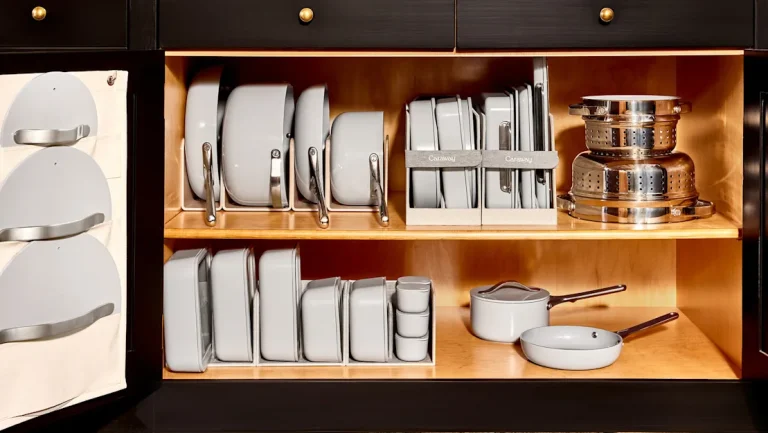
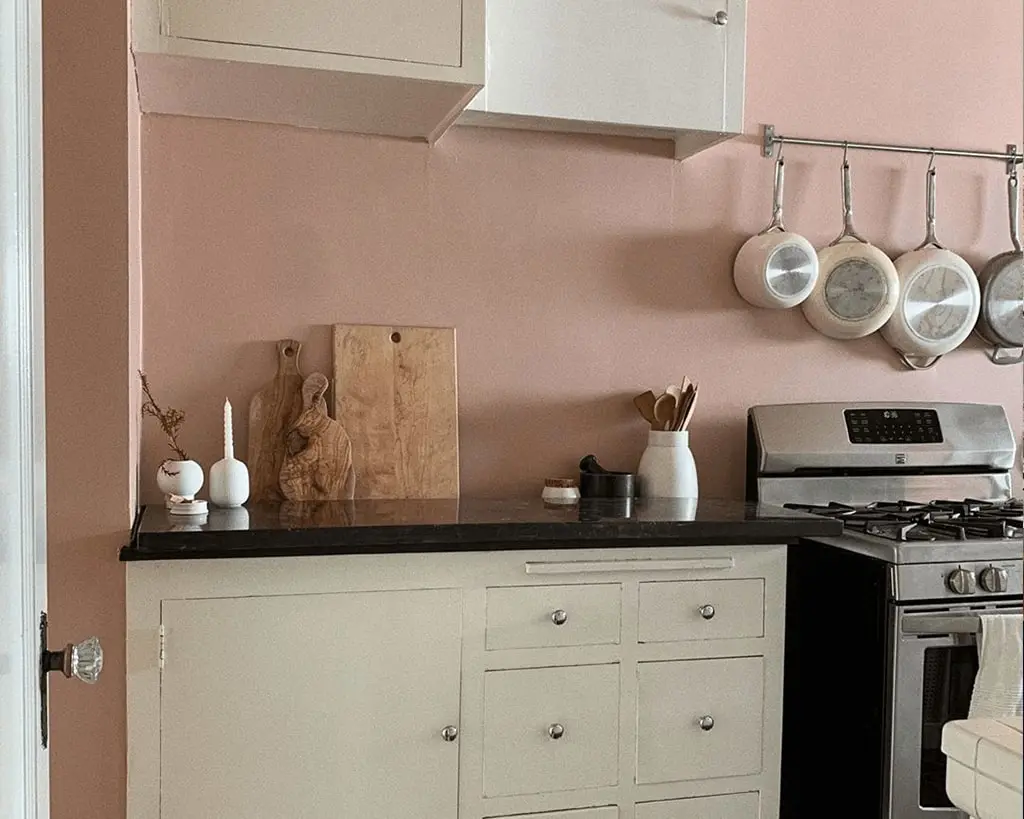 Matte paint works well for low-moisture kitchen zones like breakfast nooks, but avoid it near sinks or stoves
Credit: www.carawayhome.com
Matte paint works well for low-moisture kitchen zones like breakfast nooks, but avoid it near sinks or stoves
Credit: www.carawayhome.com
Proven Ways to Cut Your Painting Costs
You don’t have to break the bank to get a fresh, professional-looking kitchen paint job. These actionable tips will help you save 20–40% on your total project cost without sacrificing quality.
Buy Smart on Paint and Supplies
- Shop for paint during holiday sales (Memorial Day, Labor Day, Black Friday) for 20–30% off retail prices.
- Buy paint in 5-gallon buckets instead of individual gallons for 10–15% savings, especially for large kitchens.
- Opt for generic painter’s tape, drop cloths, and rollers instead of name-brand products — they work just as well for a fraction of the cost.
- Use leftover paint from other home projects for touch-ups to avoid buying extra gallons you won’t use.
Do Prep Work Yourself
Professional prep work (cleaning walls, sanding rough spots, patching small holes, taping trim) costs $30–$50 per hour. Doing this work yourself can cut your labor costs by 30–40% if you’re hiring a pro, or eliminate the need to buy extra supplies if you’re DIYing. Just be sure to clean walls with a TSP substitute first to remove grease and grime, sand patched areas smooth, and use high-quality tape to avoid paint bleed-through.
Time Your Project Strategically
If you’re hiring a pro, book your project during their off-season (late fall to early winter in most regions) for 15–25% lower rates, as demand for painting services drops during colder months. If you’re DIYing, paint on mild, low-humidity days (temperature between 50–85°F) to reduce drying time and the need for extra coats. Avoid painting during peak summer humidity, which can cause paint to dry unevenly and require additional touch-ups.
Step-by-Step: Estimate Your Exact Project Budget
Follow these steps to calculate a realistic budget for your kitchen painting project, with no hidden fees.
Step 1: Calculate Your Total Wall Square Footage
Measure the length and height of each kitchen wall, multiply the two numbers to get the square footage of each wall, then add them together for your total wall area. Subtract the square footage of all windows and doors to get your total paintable surface area.
For example: A 12×12 kitchen with 8ft ceilings has 4 walls of 96 sq ft each (12*8), for a total of 384 sq ft. Subtract 2 standard 3x4ft windows (12 sq ft each) and 1 standard 3x7ft door (21 sq ft) for a total paintable area of 339 sq ft.
Step 2: Calculate Paint and Primer Needs
Most interior paint covers 350–400 sq ft per gallon, and primer covers 300–350 sq ft per gallon. For the 339 sq ft example above, you’ll need 1 gallon of paint per coat, for a total of 2 gallons for 2 coats, and 1 gallon of primer. Add 10% extra to account for touch-ups and waste.
Step 3: Get Accurate Quotes from Professionals
If you’re hiring a pro, request 3 line-item quotes that break down labor, materials, prep work, and any add-ons like appliance moving or trim painting. Ask about their warranty, cleanup policies, and proof of insurance before signing a contract. Red flags to watch for include quotes that are 30%+ lower than competitors (a sign they may cut corners on prep or use low-quality paint), no written contract, or requests for full payment upfront.
Sample Medium Kitchen Budget Breakdown
| Item | DIY Cost | Professional Cost |
|---|---|---|
| 2 gallons mid-range paint | $60–$100 | Included |
| 1 gallon primer | $15–$30 | Included |
| Supplies (tape, rollers, drop cloths) | $50–$80 | Included |
| Labor (6 hours at $35/hr) | $0 | $210 |
| Basic prep work (patching, sanding) | $0 | $100–$200 |
| Total | $125–$210 | $600–$1,100 |
If you’re coordinating your wall paint with new or existing cabinetry, our guides to wall colors for green kitchen cabinets and pairing paint with brown kitchen cabinets take the guesswork out of selecting a complementary shade. If you’re also updating your kitchen faucet as part of your refresh, our step-by-step guide to removing a wall-mounted kitchen faucet will help you avoid splatters and damage to your new paint job.
Frequently Asked Questions
How much does it cost to paint kitchen walls in 2025?
Total costs range from $125 for a small DIY project to $2,500+ for a large professional job with extensive prep work and add-ons. Most homeowners spend $300–$1,200 total for a standard medium-sized kitchen, depending on paint quality and labor.
What factors affect kitchen painting costs the most?
Wall square footage, surface prep needs (patching, lead testing), paint quality, and whether you hire a professional are the biggest cost drivers. Add-ons like painting trim, ceilings, or cabinets add 10–30% to the total project cost.
Can I paint kitchen walls myself to save money?
Yes, DIY saves 40–60% on labor costs, but requires 8–16 hours of work for a medium kitchen. It’s a good option if you have basic painting skills, are working with a tight budget, and don’t mind the time commitment. Just be sure to properly prep walls to avoid a lumpy, uneven finish.
How long does kitchen wall paint last?
With proper cleaning and maintenance, kitchen wall paint lasts 3–7 years in high-traffic areas, and up to 10 years in low-moisture, low-use kitchens. Semi-gloss and satin finishes last longer than flat or matte paints, as they resist scuffs and staining better.
Do I need to prime kitchen walls before painting?
Primer is required if you’re painting over a dark color, stained or grease-covered walls, bare drywall, or if you’re using a significantly lighter paint shade. If you’re using a paint+primer combo and painting over a similar light color, you can often skip priming to save time and money.
Should I paint my kitchen ceilings and trim at the same time?
Yes, painting trim, ceilings, and walls at the same time gives a cohesive, polished finish and saves you from having to tape off edges later. This add-on increases total project costs by 10–20%, but is well worth the small extra expense for a professional-looking result.
Can I paint over wallpaper in my kitchen?
You can paint over non-washable wallpaper if you first apply an oil-based primer to seal the paper and prevent it from peeling. Washable or textured wallpaper should be removed first, as paint will not adhere properly to its surface and will peel over time.
Final Tips for a Flawless Kitchen Paint Job
Painting your kitchen walls is a high-impact, low-cost upgrade that can completely transform the space, but only if you plan correctly. Start by accurately measuring your wall space to calculate paint and supply needs, account for hidden prep costs like lead testing or wall repairs, and choose a durable, moisture-resistant finish suited to your kitchen’s layout and usage.
If you’re hiring a professional, get at least 3 line-item quotes, ask about warranties, and confirm they are insured to avoid liability if they damage your home. If you’re DIYing, invest in high-quality supplies and take your time with prep work to avoid costly mistakes down the line.
Ready to start your kitchen refresh? Measure your wall space today and request 3 quotes from local painters to lock in 2025 pricing before material costs rise further this year.