How Much to Remove a Wall in Kitchen: Essential Cost Guide 2025
Thinking of knocking down a kitchen wall to create an open-concept layout for family gatherings, remote work, or easier entertaining? You’re not alone: 2025-2026 has seen a 40% jump in kitchen wall removal requests as homeowners prioritize flexible, connected living spaces. But before you grab a sledgehammer, it’s critical to understand the full cost breakdown, hidden fees, permit rules, and risks that can turn a dream renovation into a budget nightmare.
This 2025 cost guide has been updated for 2026 to reflect current labor rates, material costs, and local building code requirements across the U.S. We’ll break down exact price ranges, factors that drive costs up or down, and actionable tips to save money without cutting corners on safety or code compliance.
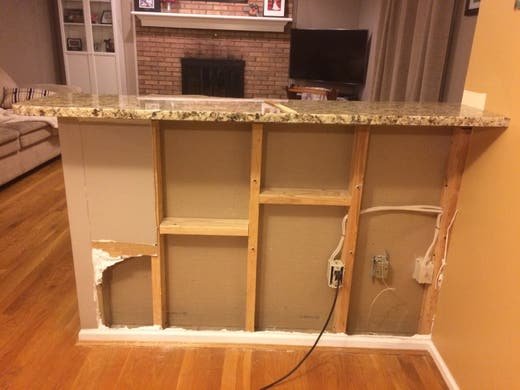
 A partially removed kitchen wall showing exposed studs and hidden wiring, a common sight during early demolition.
Credit: www.reddit.com
A partially removed kitchen wall showing exposed studs and hidden wiring, a common sight during early demolition.
Credit: www.reddit.com
Pre-Project Non-Negotiables: Confirm Your Wall Type First
The single biggest cost driver for kitchen wall removal is whether the wall is load-bearing (supports your home’s structural weight) or non-load-bearing (a simple partition wall). Misidentifying a load-bearing wall can lead to catastrophic structural damage, code violations, and tens of thousands of dollars in repair costs—a common mistake for first-time DIYers and inexperienced contractors alike.
How to Identify Load-Bearing vs. Non-Load-Bearing Walls
Load-bearing walls almost always run perpendicular to your home’s floor joists, have a central support beam running along the top of the wall, or align directly with walls on the floor above or below. Non-load-bearing partition walls typically run parallel to floor joists and have no structural supports above them. If you’re unsure, hire a licensed structural engineer to assess the wall before starting any work—this $300–$900 fee will save you from far costlier mistakes later. If your renovation includes plumbing fixture upgrades, refer to our guide to removing a wall-mounted kitchen faucet for safe, code-compliant prep steps.
2026 Average Kitchen Wall Removal Cost Breakdown
Costs vary widely based on wall type, size, location, and hidden site conditions. Below is a breakdown of average total costs for standard 10×10 foot kitchen walls as of 2026:
| Wall Type | Average Total Cost (2026) | What's Included | Common Add-On Costs |
|---|---|---|---|
| Non-load-bearing partition wall | $800–$3,000 | Permits, demolition, debris removal, basic patching and painting | Utility rerouting ($200–$1,500), flooring matching ($300–$1,200) |
| Load-bearing wall with steel/LVL beam support | $2,500–$8,500 | All above, structural engineer design, beam installation, mandatory inspections | Foundation reinforcement ($500–$3,000), HVAC adjustments ($400–$1,800) |
| Brick or concrete load-bearing wall | $5,000–$15,000 | All above, specialized demolition tools, masonry disposal fees | Hazardous material abatement ($1,000–$4,000), full exterior refacing ($2,000–$6,000) |
Labor vs. Material Cost Split
Labor makes up 65–75% of total project costs in 2026, with skilled demolition crews charging $55–$110 per hour depending on your region and project complexity. Material costs include temporary support shoring, steel or laminated veneer lumber (LVL) beams for load-bearing walls, drywall, joint compound, paint, and matching flooring. Material prices have risen 3–4% year-over-year as of 2026, so lock in material quotes with your contractor early to avoid unexpected price hikes.
Permit & Inspection Fees
All structural wall modifications require a permit in nearly all U.S. jurisdictions, with fees ranging from $100–$750 in 2026. Load-bearing wall removals require signed-off plans from a licensed structural engineer, adding $400–$900 to permit costs. Coastal regions with strict hurricane or earthquake codes may require additional wind or seismic load inspections, adding $200–$400 to fees. All work must comply with national safety standards outlined in OSHA's residential demolition guidelines to protect workers and home occupants.
Hidden Cost Triggers 90% of Homeowners Overlook
Even with a detailed quote, unforeseen conditions can add hundreds or thousands of dollars to your project. Budget a 10–15% contingency to cover these common hidden costs:
Utility Rerouting
Sixty percent of kitchen wall removals reveal hidden electrical wiring, water supply lines, or HVAC ductwork that needs to be rerouted to comply with code. Electrical rerouting costs $200–$1,200, plumbing rerouting $300–$2,000, and HVAC duct adjustments $400–$1,800. Homes built before 1980 are 3x more likely to have unexpected utility lines, so add an extra 15% to your contingency if you own an older property.
Hazardous Material Abatement
If your home was built before 1980, there is a 30% chance the wall contains lead paint or asbestos, both of which require professional abatement to avoid severe health risks. Abatement costs $1,000–$4,000 depending on the material and square footage, and local health departments can issue fines of up to $10,000 for unlicensed removal of these materials.
Structural Surprises
Even after a structural engineer signs off on your project, removing a wall may reveal rotted framing, foundation cracks, or outdated support systems that need repair. These unexpected repairs add $500–$5,000 to the project total, so always confirm your contractor’s quote includes a line item for unforeseen structural issues.
Step-by-Step Wall Removal Process (What to Expect)
A typical kitchen wall removal follows this timeline, with variations based on wall type and complexity:
1. Pre-Work Inspection & Permitting (3–10 Business Days)
Your contractor will confirm the wall type, pull required permits, and schedule mandatory inspections. For load-bearing walls, a structural engineer will design the custom support beam system. High 2026 renovation demand means permits can take longer to process in many regions, so book your contractor 6–8 weeks in advance to avoid delays.
2. Utility Shut-Off & Protection (1 Day)
All power, water, and HVAC to the affected area is shut off. Floors, adjacent rooms, and existing appliances are covered with heavy-duty protective sheeting to prevent dust and damage to finishes.
3. Demolition & Debris Removal (1–3 Days)
For non-load-bearing walls, demolition is quick, with debris hauled away same-day. Load-bearing walls require temporary shoring to support the structure before removal, then installation of the permanent support beam, which adds 1–2 days to the timeline.
4. Post-Removal Finishing (2–7 Days)
This includes patching holes in ceilings and adjacent walls, refinishing flooring to match existing surfaces, and painting. If you’re refreshing your wall color after removal, check out our recommendations for what color walls pair with green kitchen cabinets for 2026 trending palettes, or our guide to what color walls match brown kitchen cabinets for warm, timeless options.
Hiring a Licensed Contractor: What to Expect
While small non-load-bearing wall removals can be done DIY, load-bearing wall removal is never a DIY project, as incorrect support can cause catastrophic structural collapse. Hiring a licensed, insured contractor ensures the work is safe, code-compliant, and covered by warranty if issues arise later.
What to Look for in a Contractor
Verify your contractor has a current general contractor license, $1M+ general liability insurance, and 3+ positive reviews specifically for kitchen demolition projects. Ask for a detailed, itemized quote that breaks out labor, materials, permit fees, and contingency costs, and avoid any contractor who asks for 100% payment upfront.
Structural Engineer Costs
A licensed structural engineer is required for all load-bearing wall removals, and their signed-off plans are mandatory for permit approval. Engineer fees range from $400–$900 in 2026, depending on your project size and region. This cost is non-negotiable for load-bearing work, and skipping it will result in your permit being denied.
Benefits of Professional Work
- Ensures safe removal without compromising your home’s structural integrity
- Handles all permit paperwork and inspection scheduling
- Uses specialized equipment to minimize damage to adjacent spaces
- Reduces risk of injury from falling debris or hidden utilities
- Provides warranty coverage for structural work for 1–5 years post-project
 A licensed contractor installs a steel I-beam to support a load-bearing kitchen wall during removal.
Credit: www.homedepot.com
A licensed contractor installs a steel I-beam to support a load-bearing kitchen wall during removal.
Credit: www.homedepot.com
DIY Wall Removal: Costs, Risks & When It’s (Rarely) Feasible
For small, confirmed non-load-bearing partition walls with no hidden utilities, DIY can cut costs significantly, but it comes with major risks that most homeowners underestimate.
DIY Tool & Material Costs
For a small 8×8 foot non-load-bearing wall, DIY costs range from $200–$800, including tool rentals (sledgehammer, reciprocating saw, pry bar, dumpster), safety gear, and basic finishing materials. This does not include permit fees, which are still required for all wall removals even if you do the work yourself.
Critical Safety Risks
A common DIY mistake is cutting into hidden live wiring, which can cause electrocution or house fires. In 2026, local code enforcement is cracking down on unpermitted structural work, with fines reaching $10,000 for unapproved modifications. Unpermitted work also must be disclosed when selling your home, which can lead to lower buyer offers due to concerns about code compliance and structural safety, per data from the National Association of Realtors.
When to Skip DIY Entirely
Never attempt DIY for load-bearing walls, walls in homes built before 1980 (due to lead/asbestos risk), or walls with visible plumbing or electrical lines. The cost of professional repair for a DIY mistake almost always exceeds the cost of hiring a licensed contractor upfront.
How to Save Money on Kitchen Wall Removal (Without Sacrificing Safety)
You don’t have to break the bank to get your open-concept kitchen. Use these 2026-approved tips to cut costs:
Bundle With Other Renovations
If you’re already planning to update your kitchen, schedule wall removal at the same time as cabinet installation, flooring replacement, or faucet upgrades. Contractors often offer 10–15% off labor for bundled projects, and you avoid paying multiple mobilization fees for separate crews.
Salvage Reusable Materials
Wood studs, bricks, and even undamaged drywall can be donated to local Habitat for Humanity chapters or reused for other home projects, cutting disposal fees by 20–40% in most areas. Ask your contractor to set aside reusable materials during demolition.
Book Off-Peak
Schedule wall removal for late fall or winter (October–February in most U.S. regions) when contractor demand is 30% lower. You can often negotiate 5–10% lower rates, and get faster appointment slots than during the busy spring and summer renovation season.
DIY Non-Structural Prep
Remove drywall, baseboards, and appliances yourself before the contractor arrives to cut down on labor hours. Most contractors charge $55–$75 per hour for prep work, so 4 hours of DIY prep can save you $220–$300 on your total project cost.
Impact on Home Value & 2026 Open Kitchen Design Trends
When done correctly, kitchen wall removal adds both functional space and resale value to your home:
Resale Value ROI
According to 2026 National Association of Realtors data, code-compliant open-concept kitchen renovations have an average return on investment of 60–70% when completed with proper permits. For example, a $5,000 wall removal project will add roughly $3,000–$3,500 to your home’s resale value. This ROI drops to 40–50% if you remove a functional wall (like a butler’s pantry partition) that many buyers look for in family homes.
2026 Open Kitchen Design Ideas
- Add a kitchen island with built-in charging stations and seating for remote work and family meals
- Install matching luxury vinyl or hardwood flooring across the kitchen and adjacent living space to create seamless flow
- Use pendant lights over the island to define the cooking zone without physical walls
- Add open shelving with integrated LED lighting to display dishware, decor, and even homemade wine—you can find stylish storage solutions in our guide to wine making accessories and supplies
- Zone the space with area rugs and furniture placement to separate cooking, dining, and living areas without walls
For homeowners who love hosting, open kitchen layouts also make it easy to serve homemade wine; if you’re new to home winemaking, our beginner’s guide to wine making kits offers low-effort, high-reward options for first-time winemakers.
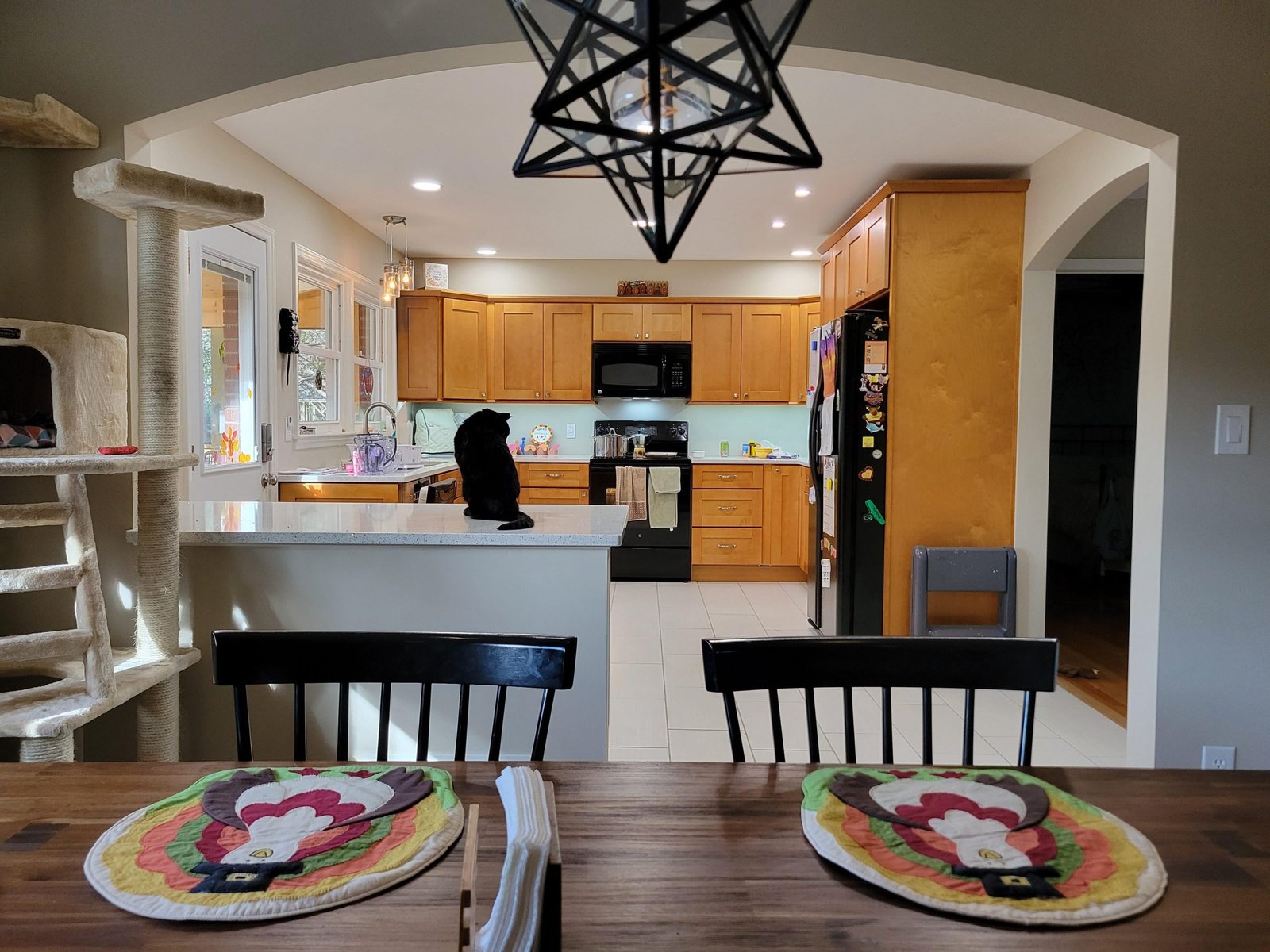
 A completed open-concept kitchen with unified luxury vinyl flooring and a central island, post-wall removal.
Credit: www.angi.com
A completed open-concept kitchen with unified luxury vinyl flooring and a central island, post-wall removal.
Credit: www.angi.com
Frequently Asked Questions
How much does it cost to remove a non-load-bearing kitchen wall in 2026?
For a standard 10×10 foot non-load-bearing partition wall, total costs range from $800–$3,000 in 2026, including permits, demolition, debris removal, and basic patching and painting.
Do I need a structural engineer to remove a load-bearing kitchen wall?
Yes, in all 2026 U.S. jurisdictions, a licensed structural engineer must design the support system (usually a steel I-beam or LVL beam) for load-bearing wall removals, and their signed-off plans are required for permit approval.
How long does kitchen wall removal take?
Non-load-bearing walls take 1–3 days from start to finish. Load-bearing wall removals take 5–10 days, including beam installation, inspections, and basic finishing.
Will removing a kitchen wall lower my home's resale value?
Only if you remove a functional wall (like a butler’s pantry partition) or complete the work without permits. Properly permitted, code-compliant wall removal for open-concept flow increases resale value for 80% of buyers per 2026 NAR data.
Can I remove a kitchen wall myself?
You can only DIY non-load-bearing walls with no hidden utilities, and you must still pull required permits and pass inspections. Load-bearing wall removal is never a DIY project, as incorrect support can cause catastrophic structural collapse.
Final Takeaways
Removing a kitchen wall can transform your home’s flow, functionality, and resale value, but it’s not a project to rush into. The first step is always confirming whether your wall is load-bearing with a licensed professional—this single decision will drive 70% of your total project cost. Always budget a 10–15% contingency for unforeseen conditions like hidden utilities or structural surprises, and get at least 3 detailed, itemized quotes from licensed contractors before signing a contract.
If you’re planning other kitchen upgrades alongside wall removal, check out our guides for faucet replacement and wall color pairing to streamline your renovation timeline and budget.