Which Paint is Good for Kitchen Walls: Top Durable & Stylish Picks
Choosing the right paint for your kitchen walls can feel overwhelming, with dozens of finishes, brands, and color trends competing for your attention. Kitchens face unique stressors that most other rooms don’t: constant steam from cooking, grease splatters, frequent scrubbing, and high humidity that can make low-quality paint peel, stain, or fade in as little as two years. If you’ve ever dealt with unsightly yellowing, stubborn grease marks that won’t wash out, or peeling paint around your sink, you know how frustrating a bad paint choice can be.
This 2026 guide is built on professional painter insights, current material science, and real-world durability testing to help you pick a paint that stays fresh, clean, and stylish for 5+ years with minimal touch-ups. We’ll break down the best paint types and finishes for kitchen use, 2026 color trends that pair with every cabinet style, top durable and budget-friendly brand picks, and pro application tips to ensure your project lasts.
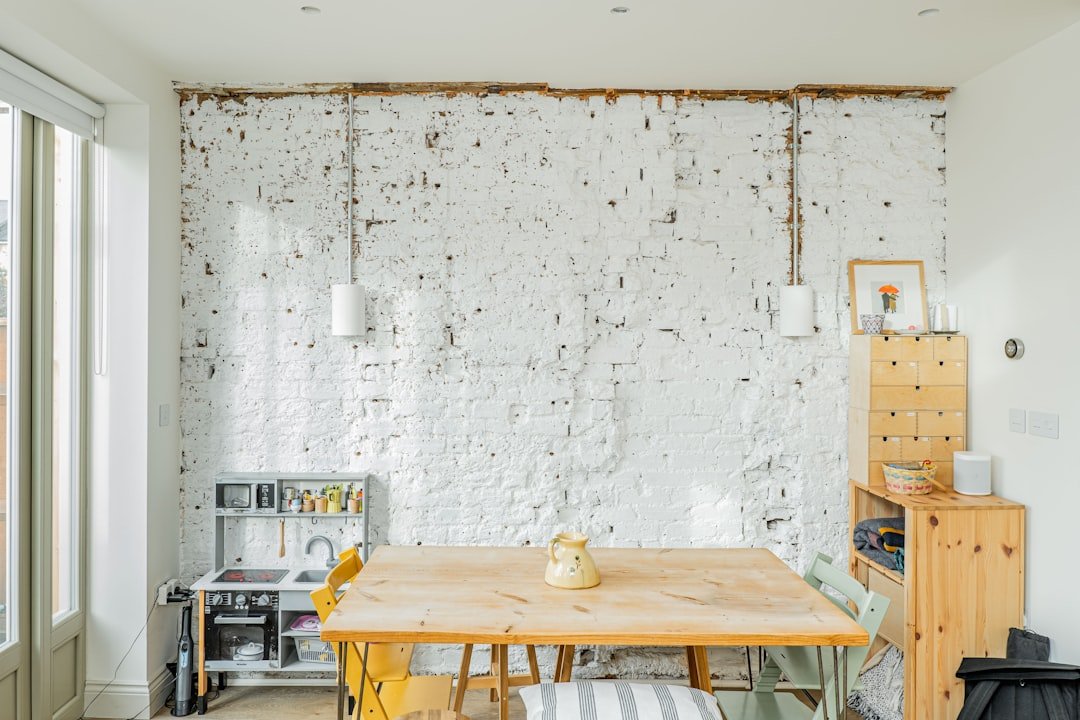
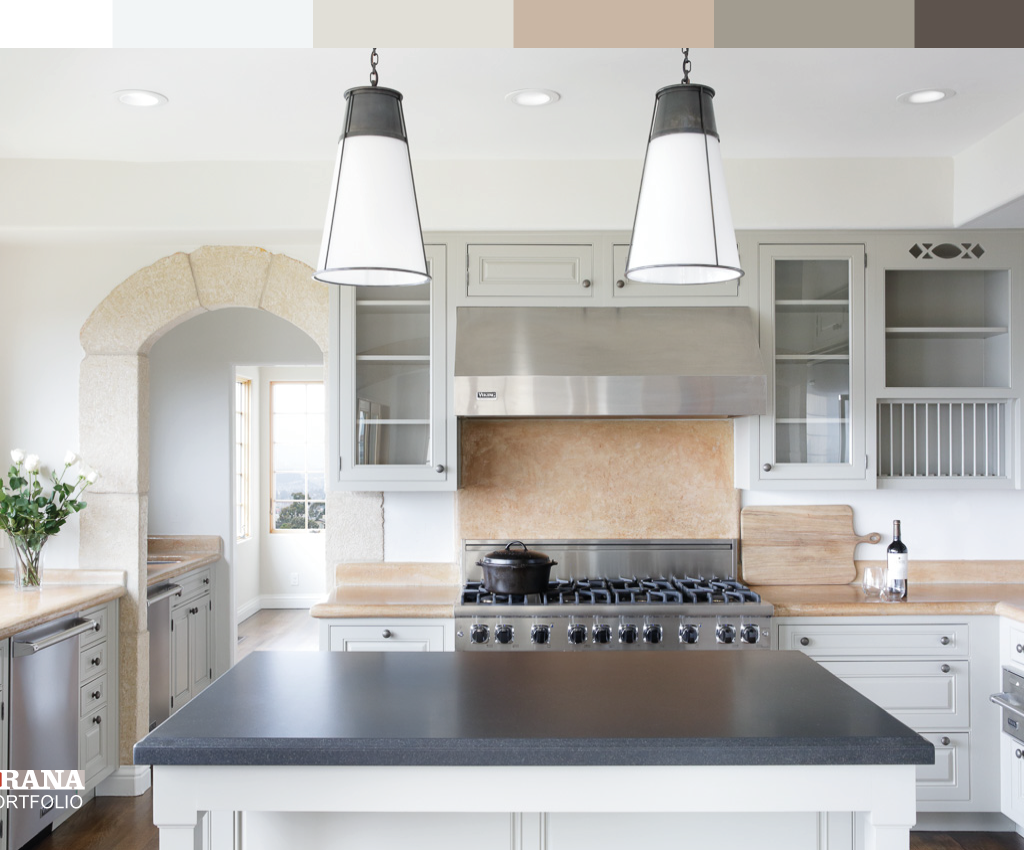 Warm neutral paint tones create a bright, inviting kitchen backdrop that pairs with most cabinet styles.
Why Kitchen Wall Paint Requires Specialized Performance
Beyond matching your aesthetic, kitchen paint must stand up to three unique stressors no other room faces: high humidity from boiling water, dishwashing, and oven use; regular exposure to grease and food splatters; and frequent physical abrasion from cleaning, bumping with grocery bags, and scraping chairs against walls. Standard interior flat paint, designed for low-traffic living rooms, will absorb moisture, trap grease, and peel within months in a busy kitchen.
The U.S. Environmental Protection Agency also recommends low-VOC paints for indoor spaces like kitchens to reduce respiratory irritation and minimize indoor air pollution from chemical fumes. EPA low-VOC paint guidance outlines certification standards to look for when shopping for safe, low-emission products that don’t sacrifice durability.
Paint Types and Finishes: What Works Best for Kitchens
Not all interior paint is built for kitchen conditions. The right formulation and sheen will determine how long your paint job lasts, and how easy it is to clean.
Latex (Water-Based) vs. Oil-Based Paint
In practice, water-based latex paints are the standard for kitchen walls for most homeowners, accounting for the vast majority of residential kitchen paint purchases today. Modern latex dries quickly (1–2 hours between coats), cleans up easily with soap and water, resists yellowing from cooking fumes and UV exposure, and is available in low-VOC formulas. Older latex formulas had lower scratch resistance, but acrylic-enhanced versions fix this gap for most use cases.
Oil-based paints offer an extremely hard, abrasion-resistant finish that can withstand heavy scrubbing, making them a niche pick for high-traffic zones directly around stovetops. However, they have significant downsides: 6–8 hour dry times between coats, strong solvent fumes requiring full ventilation during application, and a tendency to yellow when exposed to sunlight over time. Many jurisdictions have also restricted oil-based indoor paints due to high VOC emissions, so check local codes before purchasing.
Acrylic-Enhanced Latex Paint
Acrylic polymers are added to standard latex to boost flexibility and adhesion, making the paint far more resistant to cracking and peeling as kitchen walls expand and contract with temperature and humidity shifts. In practice, acrylic-enhanced latex holds up to standard scrub testing for residential paints before showing wear, compared to 50–75 cycles for unenhanced latex. It also repels grease and water-based stains far better than standard latex, making it the top pick for 90% of kitchen projects. It has low to zero VOC options widely available, with no harsh fumes during or after application.
Satin vs. Semi-Gloss vs. Eggshell Finishes
The sheen you choose will directly impact durability, cleanability, and how the paint looks in your space:
- Semi-gloss (35–70% sheen): The most durable, scrub-resistant finish available, ideal for high-moisture zones like around sinks, backsplashes, and stovetops. Its reflective surface brightens dim kitchens and makes grease splatters easy to wipe away. The main downside is that it highlights wall imperfections like cracks or uneven drywall, so flawless surface prep is required.
- Satin (25–35% sheen): A soft, velvety sheen that offers good moisture and stain resistance while hiding minor wall flaws far better than semi-gloss. It’s the most popular pick for main kitchen walls away from direct splatter zones, balancing modern aesthetics with low maintenance. It is slightly less scrub-resistant than semi-gloss, so avoid using it directly behind stovetops or sinks.
- Eggshell (10–25% sheen): An ultra-low-sheen finish that hides wall imperfections perfectly and has a gentle, matte appearance. It is only suitable for low-traffic kitchen nooks or butler’s pantries with minimal cooking activity, as its porous surface will absorb grease and stains permanently in busy kitchens.
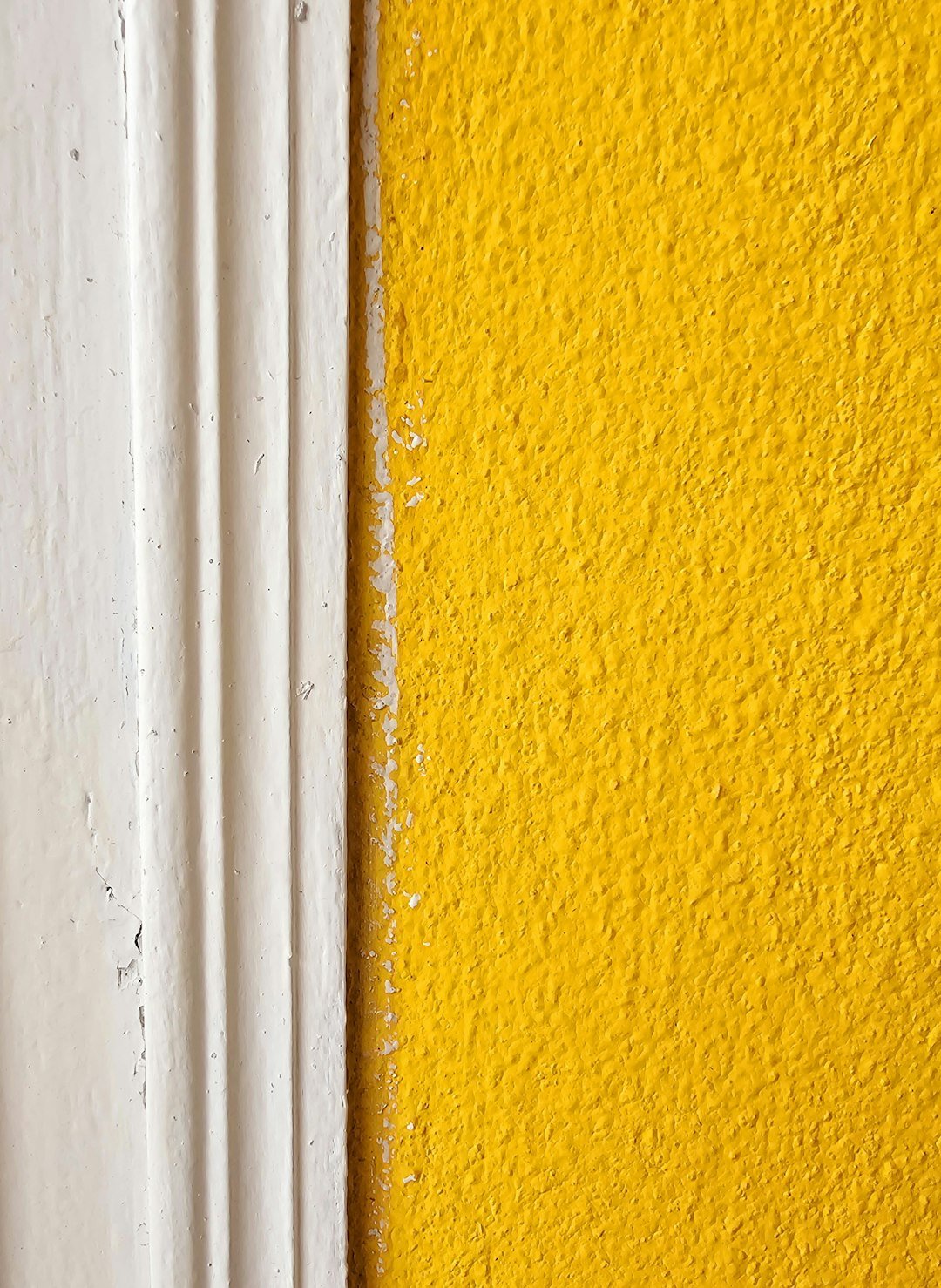
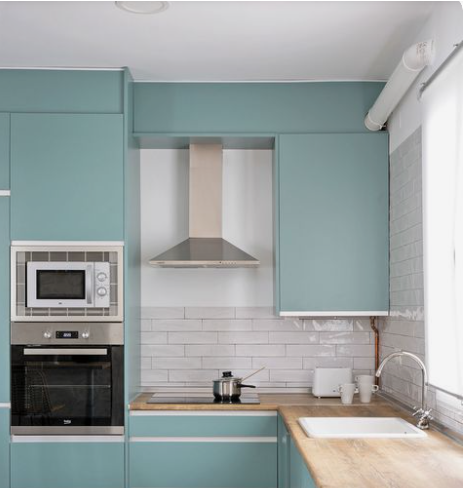 Satin finish paint offers a soft sheen that resists moisture and stains while hiding minor wall imperfections.
Key Durability Factors to Prioritize
When shopping for kitchen paint, look for these performance features to ensure your investment lasts:
Moisture and Mildew Resistance
Regular cooking and cleaning generate significant water vapor that can seep into unprimed drywall, causing peeling, bubbling, and mildew growth. Look for paints with added mildewcides, and pair them with a moisture-resistant primer undercoat. In coastal or high-humidity regions, opt for paints specifically labeled "bath and kitchen" for extra protection against mold and water damage.
Stain and Scrub Resistance
Paints labeled "scrubbable" or "washable" are formulated with cross-linked resins that prevent stains from penetrating the paint film, allowing you to clean away grease and food splatters without fading the color. For homes with young kids or frequent cooking, opt for paints rated for 100+ scrub cycles for the longest lifespan. Avoid flat or matte finishes, which absorb stains permanently.
Longevity in High-Traffic Zones
Kitchens see more physical contact than any other room, from bumping walls with grocery bags to scraping chairs against drywall. Paints with higher resin content are more impact-resistant, reducing chipping and wear over time. For zones within 2 feet of countertops, stovetops, or sinks, use a semi-gloss paint with a stain-blocking primer to cover existing water damage or grease stains before painting. A common mistake homeowners make is skipping primer in these high-traffic zones, leading to stain bleed-through within a year.
2026 Kitchen Wall Color Trends
The right wall color will tie your kitchen together, complement your cabinetry, and set the mood for the space. These are the top trending palettes for 2026, curated to work with every cabinet style:
Timeless Neutral Palettes
Neutrals remain the most popular choice for kitchen walls because they create a calm, clean backdrop that pairs with nearly every countertop and cabinet style, and make small kitchens feel larger and brighter. Top 2026 neutral picks include warm white (like SW Alabaster or BM White Dove) for a cozy, sunlit feel; soft greige (grey-beige blend) for a modern, versatile base; and warm taupe for pairing with natural wood or brown cabinetry. If you’re looking for pairing walls with warm brown cabinet tones, warm taupe and soft cream are top recommended pairings this year. Always test neutral swatches on your wall at 9am, 12pm, and 6pm to account for shifting natural light, which can make warm neutrals look pink or cool neutrals look grey in different lighting.
Bold Statement Walls
Saturated, bold hues are trending for 2026 as accent walls behind open shelving or kitchen islands, adding personality without overwhelming small spaces. Top picks include deep forest green, navy blue, terracotta, and charcoal. For homes with coordinating wall shades for green cabinetry, soft sage or warm cream walls create a balanced, layered look that avoids clashing. Use bold paint only on one accent wall, and pair with neutral cabinets and countertops to keep the design cohesive.
Soft Pastel Accents
Muted pastels are a popular pick for 2026 for homeowners who want a playful but calming kitchen. Top shades include soft butter yellow, dusty blue, muted blush, and light mint. These work especially well with white cabinetry and natural wood accents, creating a cozy, inviting space for cooking and gathering. Test pastel swatches first, as some shades can look washed out in bright kitchens or too intense in dim spaces.
Top Durable Paint Brands for Kitchens (2026 Picks)
These brands offer kitchen-specific lines formulated to stand up to moisture, grease, and heavy cleaning:
Premium High-Performance Picks
- Benjamin Moore Aura Interior Paint: Top pick for high-end renovations, with stain-blocking technology, mildew resistance, and a scrubbable finish that holds up to standard residential scrub testing before showing wear. Available in satin and semi-gloss, with zero-VOC options. Con: premium price point, $65–$80 per gallon.
- Sherwin-Williams Emerald Interior Acrylic Latex: Professional-grade pick with a self-leveling formula that hides brush marks, excellent moisture and grease resistance, and a 5-year fade warranty for kitchen use. Available in all sheens, with zero-VOC options. Con: only sold at Sherwin-Williams stores and authorized dealers, $55–$70 per gallon.
- Behr Premium Plus Ultra: Best mid-tier pick, available at all Home Depot locations, with one-coat hide for most colors, mildew-resistant scrubbable finish, and low-VOC formulas. Con: slightly less durable than premium lines in high-traffic zones, $35–$45 per gallon.
Budget-Friendly Durable Options
- Valspar Signature Paint: Best budget pick for rental properties or quick refreshes, available at Lowe’s, with included stain-blocking primer, scrubbable satin and semi-gloss finishes, and low-VOC formulas. Con: fewer color options than premium brands, $25–$35 per gallon.
- Rust-Oleum Zinsser Bulls Eye 1-2-3: Best for covering existing grease or water stains before painting, with excellent adhesion, 30-minute dry time, and low-VOC formulas. Can be used as a primer or topcoat in low-traffic kitchen nooks. Con: limited sheen options, $20–$30 per gallon.
- Glidden Premium Interior Paint: Good budget option for low-traffic kitchenettes, with a washable finish, low-odor formula, and wide retail availability. Con: not recommended for high-traffic zones or homes with heavy cooking, $20–$30 per gallon.
Low-VOC and Eco-Friendly Picks
For homeowners with sensitivities to chemical fumes, look for paints certified by GREENGUARD Gold, which ensures low VOC emissions that meet strict indoor air quality standards. Top 2026 eco picks include ECOS Paints (zero-VOC, no added VOCs after tinting, made with recycled materials), Clare Paint (low-VOC, plastic-free packaging, pre-mixed colors for fast shipping), and AFM Safecoat (zero-VOC, designed for chemically sensitive individuals, no heavy metals or formaldehyde). Low-VOC kitchen paints are just as durable as standard options when formulated for high-traffic use, so you don’t have to sacrifice performance for sustainability.
 Warm grey paint complements brown and taupe cabinetry for a timeless, cozy kitchen look.
Step-by-Step Application Tips for Long-Lasting Results
Even the highest-quality paint will fail if applied incorrectly. Follow these pro tips to ensure your kitchen paint job lasts 5+ years:
Surface Preparation
Proper prep is the #1 factor in long-term durability, and a common mistake homeowners make is skipping steps to save time, leading to peeling and stain bleed-through within 1–2 years. Follow this workflow:
- Remove all fixtures, outlet covers, and hardware from walls. If you have a wall-mounted faucet to remove before painting, follow this prepping fixed kitchen fixtures before painting guide to avoid damaging plumbing.
- Wash walls with a degreasing cleaner (trisodium phosphate, or TSP, works best for kitchen grease) to remove all food splatters, grime, and residue. Rinse with clean water and let dry completely for 24 hours.
- Fill any cracks, holes, or dents with lightweight spackle, then sand smooth with 120-grit sandpaper once dry.
- Apply a stain-blocking primer to any areas with existing water damage, grease stains, or dark paint colors. For kitchens with heavy moisture, use a mildew-resistant primer for extra protection.
Tools and Materials You’ll Need
- Angled 2-inch sash brush for cutting in edges around trim, outlets, and cabinets
- 3/8-inch nap roller cover for smooth drywall, 1/2-inch nap for textured walls
- Painter’s tape (blue tape for clean edges on trim and cabinets)
- Drop cloths or plastic sheeting to protect floors and countertops
- Paint tray and liner for easy cleanup
- Extension pole for reaching high walls without a ladder
Applying Coats for Maximum Durability
- Cut in edges first with a brush, then roll on paint in a "W" pattern to ensure even, streak-free coverage.
- Apply 2–3 thin coats, allowing 2–4 hours of dry time between coats (follow the paint can’s recommended dry time for your specific product).
- Avoid applying thick coats, which will drip and take longer to cure, leading to uneven texture.
- Let the final coat cure for 72 hours before cleaning walls or hanging items, to ensure the paint film fully hardens.
Maintenance Tips to Keep Kitchen Walls Looking New
Proper care will extend the life of your paint job by 2–3 years, saving you time and money on repaints:
Safe Cleaning Practices
Wait 24 hours after the final coat before cleaning for the first time. For regular cleaning, use a soft microfiber cloth and mild dish soap diluted in warm water. Avoid abrasive scrubbers, bleach, or ammonia-based cleaners, which can break down the paint’s protective sheen over time. For stubborn grease splatters, spray degreaser directly on the cloth, not the wall, to avoid excess moisture seeping into drywall.
Touch-Up Best Practices
Keep a small labeled container of leftover paint in a cool, dark space (like a pantry) for future touch-ups. For small chips or stains, dab a small amount of paint on a touch-up brush, blending gently into the surrounding area to avoid visible patches. For larger damage, repaint the entire wall section to avoid color mismatches from faded original paint.
When to Repaint Your Kitchen
On average, kitchen walls need repainting every 3–5 years in homes with regular cooking, and every 5–7 years in low-use kitchens. Signs it’s time to repaint: visible peeling or cracking, persistent stains that won’t wash out, faded or yellowed paint, or mildew growth that won’t come off with cleaning. To extend the time between repaints, address spills and splatters immediately before they set, and avoid using harsh cleaning products that wear down the paint finish.
Frequently Asked Questions
What type of paint is best for kitchen walls?
For most kitchens, satin or semi-gloss acrylic-enhanced latex paint is the best choice. Semi-gloss is ideal for high-moisture zones like around sinks, backsplashes, and stovetops due to its maximum scrub and moisture resistance. Satin is perfect for main kitchen walls away from direct splatter zones, offering a soft, modern sheen that hides wall imperfections better than semi-gloss. For low-traffic kitchen nooks with minimal cooking, eggshell is a suitable, low-sheen option.
Is washable paint good for kitchens?
Absolutely. Washable paint is specifically formulated with cross-linked resins that prevent stains from penetrating the paint film, allowing you to scrub away grease, food splatters, and grime without damaging the finish or fading the color. Look for paints labeled "scrubbable" or "washable" with a rating of 100+ scrub cycles for the best performance in busy kitchens.
Can I use matte paint in the kitchen?
Matte paint is not recommended for most kitchens, as its porous surface absorbs grease, moisture, and food splatters permanently, making it impossible to clean without damaging the finish. The only exception is low-traffic kitchenettes or butler’s pantries with minimal cooking activity. For all main kitchen walls, opt for satin, semi-gloss, or eggshell finishes for easy maintenance.
How does satin paint perform in humid kitchens?
Satin paint has a moisture-resistant sheen that repels water vapor and resists mildew growth, making it suitable for most kitchens. However, in high-humidity regions (coastal areas, homes with poor ventilation) or zones directly around sinks and dishwashers, semi-gloss paint is a better choice for extra moisture protection.
Do I need a special primer for kitchen walls?
Yes, always use a primer formulated for kitchens or high-moisture areas. Standard primers don’t block grease stains or mildew as effectively, leading to bleed-through and peeling over time. For walls with existing water damage or dark colors, use a stain-blocking primer to ensure even, long-lasting paint coverage.
Conclusion
Choosing the right paint for your kitchen walls doesn’t have to be overwhelming. By prioritizing moisture-resistant, scrubbable acrylic-enhanced latex paint in a satin or semi-gloss finish, you’ll get a surface that holds up to daily cooking messes, frequent cleaning, and humidity for 5+ years. Pair your paint with a coordinating color that matches your cabinetry and personal style – if you’re still unsure about the perfect shade for your space, check out our guides to wall colors for green kitchen cabinets and brown kitchen cabinets for expert, curated recommendations. Ready to start your project? Pick a high-quality paint, follow proper surface prep steps, and you’ll have a fresh, durable kitchen space you’ll love for years to come.