How to Install a Kitchen Extractor Fan Through a Wall: Easy Step-by-Step Guide
Installing a kitchen extractor fan through a wall can feel like a daunting task, but it doesn’t have to be. Imagine cooking your favorite meals without worrying about lingering odors or excess steam.
By learning how to install an extractor fan, you can improve your kitchen’s air quality and enjoy a fresher cooking environment. In this guide, we’ll break down the process into simple steps, making it easy for you to tackle this project with confidence.
Whether you’re a DIY enthusiast or a first-time installer, this guide is tailored to meet your needs. Stick around, and discover how you can transform your kitchen today.
Choosing The Right Extractor Fan
Choosing the right extractor fan is key to keeping your kitchen fresh and free of smoke, steam, and odors. Picking a fan that fits your space and cooking habits can make a big difference in performance and energy use. Let’s look at what options are available and how to find the perfect match for your kitchen.
Types Of Extractor Fans
Extractor fans come in several styles, each designed for different kitchen setups.
- Wall-mounted fans:Installed directly through an exterior wall, these are ideal for venting air outside quickly.
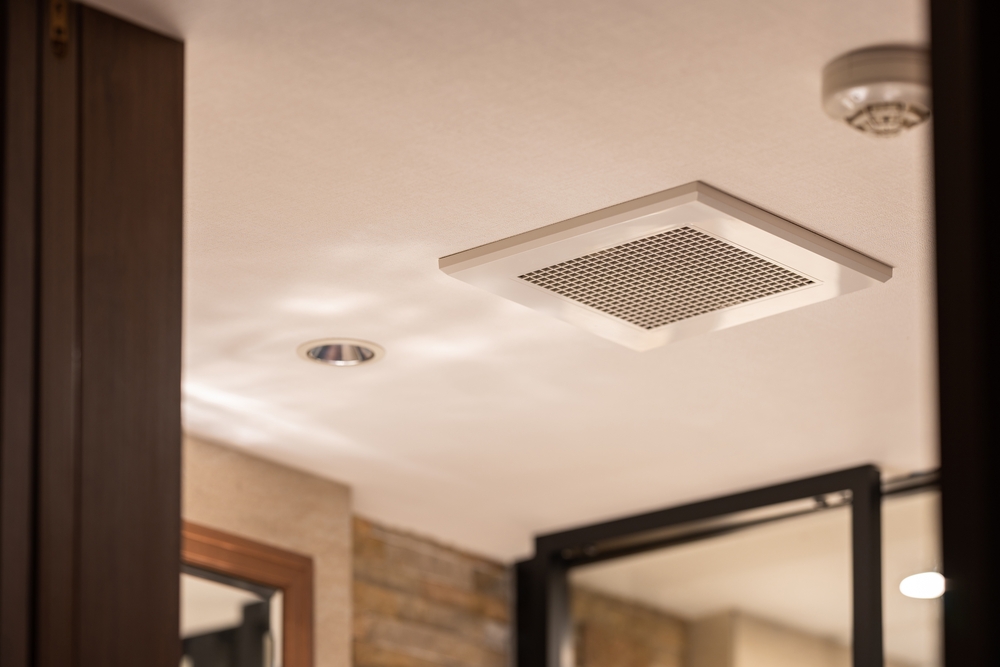
- Ceiling-mounted fans:Fit into the ceiling, often used when wall installation isn’t possible.
- Inline fans:Installed within ductwork, these are quieter and can serve multiple vents.
- Recirculating fans:Filter and clean air before returning it to the kitchen, good if you can’t vent outside.
Think about your kitchen’s layout. Can you create a direct path for air to escape? This will help you decide which type works best for your home.
Sizing Your Fan
Size matters when choosing an extractor fan. A fan too small won’t clear smoke effectively, while an oversized one wastes energy and money.
Calculate the required airflow by multiplying your kitchen’s volume (length x width x height) by a factor between 10 and 15.
| Kitchen Volume (cubic meters) | Recommended Airflow (cubic meters per hour) |
|---|---|
| 20 | 200 – 300 |
| 30 | 300 – 450 |
| 40 | 400 – 600 |
Have you measured your kitchen’s size yet? Getting this right ensures your fan works efficiently without being noisy or overworking.
Energy Efficiency Ratings
Energy efficiency is crucial for reducing utility bills and environmental impact. Look for fans with high efficiency ratings to save money over time.
Check labels like the Energy Star rating or equivalent standards in your region. These indicate that the fan meets strict energy use criteria.
Remember, a more efficient fan might cost a bit more upfront but can pay off through lower electricity bills and longer lifespan.
Would you prefer a quieter fan that uses less power or a more powerful one that works faster? Balancing these needs will help you pick the most suitable model.
Tools And Materials Needed
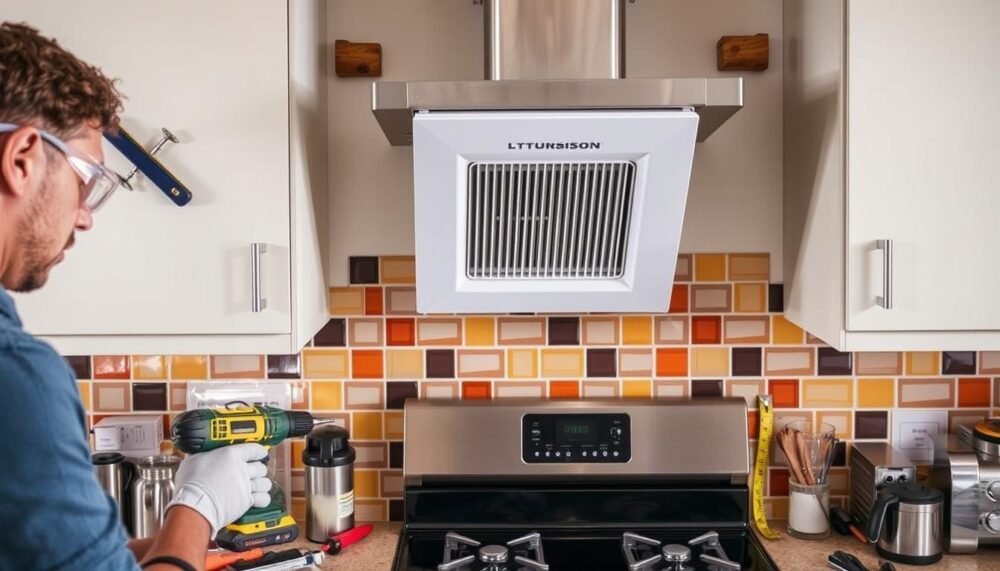
Installing a kitchen extractor fan through a wall requires specific tools and materials. Having the right equipment ensures the job goes smoothly. It saves time and prevents damage.
Gathering all necessary items before starting helps avoid interruptions. Safety is also important. Proper gear protects you from harm during installation.
Essential Tools
- Drill with masonry bits
- Jigsaw or handsaw
- Screwdriver set
- Measuring tape
- Spirit level
- Hammer
- Wire stripper
- Caulking gun
Required Materials
- Kitchen extractor fan unit
- Wall vent cover
- Electrical cables
- Wall plugs and screws
- Silicone sealant
- Insulation tape
- Vent ducting
- Exterior grille
Safety Gear
- Safety goggles
- Dust mask
- Work gloves
- Ear protection
- Sturdy footwear
Preparing The Installation Area
Preparing the area for installing a kitchen extractor fan through a wall is crucial for a smooth and safe setup. This step ensures your fan works efficiently and avoids future problems like damage or poor ventilation. Taking your time now saves you from costly repairs or adjustments later.
Selecting The Wall Location
Choose a wall that leads directly outside. This reduces the duct length and improves airflow. Avoid walls next to noisy areas or rooms where sound could be a disturbance.
Consider the height too. Position the extractor fan where it can capture steam and smoke effectively, usually above the stove or cooking surface. Are you sure the wall you picked won’t interfere with kitchen cabinets or appliances?
Checking For Obstructions
Before cutting into the wall, check for hidden pipes, electrical wires, or studs. You can use a stud finder or wire detector for this task. Finding these obstacles early will prevent accidents and extra work.
Think about insulation or vapor barriers inside the wall. You might need to adjust your plan to maintain proper sealing and prevent moisture issues. Have you checked both sides of the wall to ensure a clear path for the fan?
Measuring And Marking
Measure carefully based on the extractor fan’s size and manufacturer’s instructions. Mark the exact spot on the wall with a pencil. Double-check these measurements to avoid mistakes that could waste materials or damage the wall.
Use a level to make sure your marks are straight. Even small misalignments can affect the fan’s performance and appearance. Have you considered how you will support the fan’s weight during installation?
Cutting The Wall Opening
Cutting the wall opening for your kitchen extractor fan is a key step that requires precision and care. You’ll need to ensure the hole is the right size and shape to fit the fan securely without damaging structural elements. Taking your time here can save you from costly mistakes later on.
Using A Stud Finder
Before you cut, locate the wall studs using a stud finder. This tool helps you avoid cutting into any supporting beams or electrical wiring hidden inside the wall. Move the stud finder slowly across the wall and mark the edges of each stud with a pencil to outline a safe cutting zone.
Remember, cutting through a stud can weaken your wall’s structure and create additional repair work. If you find studs in the way of your planned opening, consider adjusting your placement slightly. Have you checked for pipes or cables too? It’s better to be cautious now than to deal with hazards later.
Drilling Pilot Holes
Once you’ve marked the opening, drill pilot holes at each corner of the outline. These small holes act as guides and make it easier to insert your saw blade. They also help prevent the drywall from cracking or splintering as you cut.
Choose a drill bit that matches the size of your saw blade for a smooth transition. Drill slowly and steadily to maintain control. How often do you see clean, straight cuts made without these starter holes? It’s a simple step that can improve your results significantly.
Cutting Safely
Wear safety goggles and a dust mask before you start cutting to protect yourself from debris. Use a drywall saw or a jigsaw with a fine-toothed blade to follow your pencil marks precisely. Take slow, controlled strokes rather than rushing through the cut.
Support the wall panel on both sides while cutting to avoid unnecessary damage. If your wall has insulation, be prepared for some mess and have a vacuum handy. Have you considered the best way to dispose of the cut material? Planning ahead keeps your workspace clean and safe.
Installing The Extractor Fan
Installing the extractor fan properly is key to effective kitchen ventilation. This process involves fitting the fan unit, securing it firmly, and safely connecting the electrical wiring. Following each step carefully ensures the fan works efficiently and lasts longer.
Fitting The Fan Unit
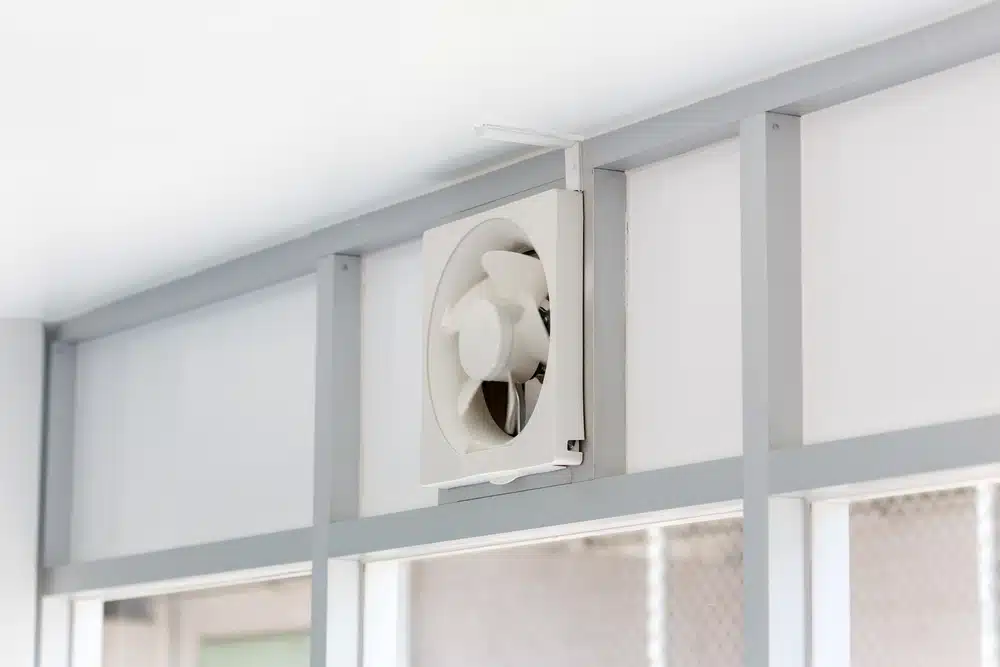
Start by placing the fan unit into the prepared hole in the wall. Align the fan so the airflow direction matches the kitchen layout. Make sure the unit fits snugly without gaps. Check the fan’s front face is flush with the wall surface for a clean look.
Securing The Fan In Place
Use screws and wall plugs to fix the fan securely. Insert screws into the mounting holes provided on the fan frame. Tighten the screws evenly to avoid tilting. Check the fan does not move or rattle after securing it. A stable fit reduces noise and improves performance.
Connecting The Electrical Wiring
Turn off the power at the main switch before starting any electrical work. Connect the fan wires to the power supply using wire connectors or terminal blocks. Match the live, neutral, and earth wires by color code. Ensure all connections are tight and insulated. After wiring, restore power and test the fan’s operation. Proper wiring prevents hazards and ensures safe use.
Credit: www.i-sells.co.uk
Sealing And Weatherproofing
Sealing and weatherproofing the kitchen extractor fan is crucial. It prevents water, dust, and cold air from entering your home. Proper sealing ensures the fan works efficiently and protects the wall structure.
Applying Sealant
Use a high-quality silicone sealant around the fan’s edges. Apply a continuous bead to fill gaps between the fan and wall. Smooth the sealant with a finger or tool to ensure full coverage. This blocks moisture and air leaks effectively.
Installing Exterior Vent Cover
Fit an exterior vent cover over the fan outlet on the wall. Choose a cover with a flap or mesh to keep out rain and pests. Secure it firmly with screws to prevent movement. The cover directs airflow while protecting the opening.
Checking For Air Leaks
Inspect the sealed area for gaps or holes once installation is complete. Use a smoke stick or candle to detect airflow around the edges. Add extra sealant to any spots where air escapes. This step ensures your kitchen stays warm and dry.
Testing The Extractor Fan
Testing the extractor fan is a key step after installation. It ensures the fan works correctly and removes kitchen odors effectively. Proper testing helps avoid future problems and keeps your kitchen fresh and clean.
Powering On
First, connect the fan to the power supply safely. Switch on the fan using the control switch or button. Listen for a smooth, steady sound from the motor. A loud or uneven noise may show a problem. Make sure the fan light turns on if it has one.
Checking Airflow
Stand near the fan’s vent outside the wall. Feel if air flows out strongly and steadily. Use a piece of tissue or paper to check the airflow direction. The paper should move toward the outside, proving the fan pulls air correctly. Weak airflow means the fan might be blocked or installed wrong.
Troubleshooting Common Issues
- If the fan does not start, check the power connection and fuse.
- Noise can mean loose parts or a dirty fan blade. Tighten or clean these parts.
- Low airflow might be due to a blocked duct or incorrect fan size.
- Vibration often happens if the fan is not fixed tightly on the wall.
Credit: www.i-sells.co.uk

Credit: www.familyhandyman.com
Frequently Asked Questions
How Do I Install A Kitchen Extractor Fan Through A Wall?
To install, first select a suitable wall location. Cut an opening matching the fan size. Fix the fan securely and connect electrical wiring. Seal gaps with weatherproofing materials to prevent leaks and drafts.
What Tools Are Needed For Wall Extractor Fan Installation?
You will need a drill, saw, screwdriver, measuring tape, pencil, and safety gear. Electrical tools like wire strippers and connectors are also essential for wiring the fan properly.
Can I Install A Kitchen Extractor Fan Myself?
Yes, if you have basic DIY skills and electrical knowledge, you can install it. Follow safety guidelines, switch off power, and use proper tools. Otherwise, hiring a professional is recommended.
How To Maintain A Kitchen Extractor Fan After Installation?
Clean the fan blades and filters regularly to ensure efficiency. Check for blockages or damage in the ductwork. Replace filters as needed and inspect electrical connections annually.
Conclusion
Installing a kitchen extractor fan through a wall helps keep your kitchen fresh. It removes smoke, steam, and odors quickly. Follow each step carefully for best results. Use the right tools and safety gear to avoid problems. A well-installed fan improves air flow and comfort.
Enjoy a cleaner, healthier cooking space every day. Keep your kitchen fresh and comfortable with this simple upgrade.