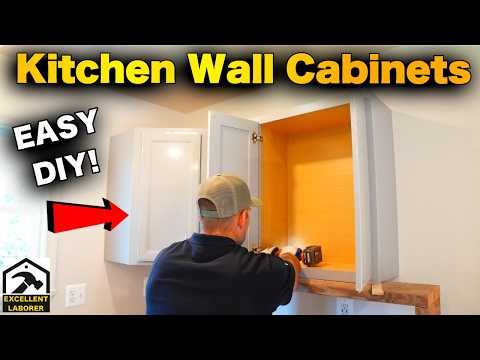
How Do Kitchen Wall Cabinet Brackets Work: Ultimate Guide Revealed
Have you ever wondered how the sturdy kitchen wall cabinets in your home manage to securely hold all those heavy plates and pots? The secret lies in the humble yet powerful kitchen wall cabinet brackets.
These small but mighty components are the unsung heroes of your kitchen, ensuring everything stays in place, even when you reach for that top-shelf item. Understanding how these brackets work not only satisfies your curiosity but also empowers you to make smarter choices when it comes to home improvements or repairs.
In this guide, we’ll unravel the mystery behind kitchen wall cabinet brackets, revealing how they function and why they are essential for the safety and organization of your kitchen. Stick with us to learn how these brackets can transform your kitchen space, offering both practical benefits and peace of mind.
Types Of Kitchen Wall Cabinet Brackets
Choosing the right kitchen wall cabinet brackets can change how secure and stylish your cabinets look. Brackets come in various types, each serving different needs and aesthetics. Understanding these types helps you pick the perfect support for your kitchen setup.
Metal Brackets
Metal brackets are known for their strength and durability. They can hold heavy cabinets without bending or breaking, making them ideal for kitchens with bulky storage. You’ll often find them in stainless steel or powder-coated finishes, which resist rust and match modern kitchen appliances.
Think about the last time you added a heavy cabinet or shelf—metal brackets likely gave you peace of mind. They offer a sleek, minimalist look that fits well with contemporary designs.
Wooden Brackets
Wooden brackets add a warm, natural touch to your kitchen. They blend seamlessly with wooden cabinets and can be stained or painted to match your cabinetry. While not as strong as metal, they are perfect for lighter cabinets or decorative shelving.
If you want a cozy, farmhouse vibe, wooden brackets are a smart choice. They can be custom-carved for unique designs, giving your kitchen a personal touch.
Decorative Brackets
Decorative brackets combine function with style. These brackets often feature intricate patterns or vintage designs that add character to your kitchen walls. They can be made from metal, wood, or resin and serve as both support and decoration.
Have you noticed how some kitchens use brackets as a design focal point? Choosing decorative brackets can elevate your space without extra accessories.
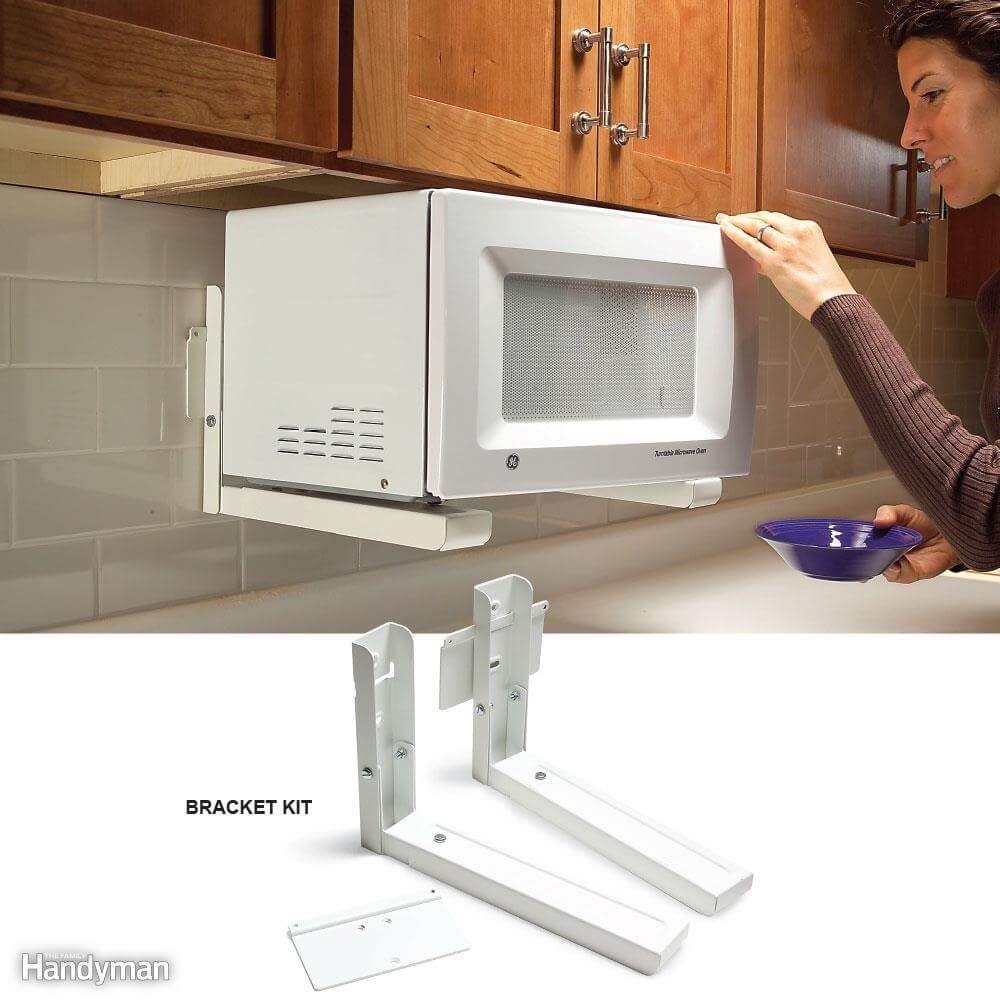
Adjustable Brackets
Adjustable brackets give you flexibility during installation and use. They allow you to change the cabinet’s height or angle to fit uneven walls or customize shelf spacing. This adaptability can save you time and effort in tricky kitchen layouts.
If your kitchen walls aren’t perfectly straight, adjustable brackets ensure your cabinets stay level. They’re a practical choice that keeps your options open for future changes.
Credit: www.familyhandyman.com
Materials And Strength
Understanding the materials and strength of kitchen wall cabinet brackets is essential to ensure your cabinets stay secure and functional. The choice of material directly influences the bracket’s ability to hold weight and resist wear over time. Let’s break down how different materials affect performance and what you should consider when choosing brackets for your kitchen.
Load Capacity
Load capacity refers to the maximum weight a bracket can support without bending or breaking. Steel brackets typically offer high load capacities, often holding over 100 pounds per bracket, making them ideal for heavy cabinets or those storing dishes and pots.
Aluminum brackets are lighter but usually support less weight, suitable for smaller cabinets or lighter contents. Plastic or composite brackets should generally be avoided for heavy kitchen use because their load capacity is quite limited and they wear out faster.
Durability Factors
Durability depends not only on the material but also on the finish and construction quality. Steel brackets with powder-coated finishes resist rust and corrosion better, extending their lifespan in humid kitchen environments.
Brackets made from aluminum resist rust naturally but can dent or bend if overloaded. Keep in mind that cheaper materials may save money upfront but could lead to replacement costs down the line.
Choosing The Right Material
Ask yourself what you plan to store in your cabinets and how often you access them. If you have heavy cookware or glassware, steel brackets are a safer bet.
For decorative cabinets or lighter storage, aluminum can provide a good balance of strength and aesthetics. Always check the manufacturer’s weight recommendations and consider adding extra brackets for peace of mind.
- Consider steel for maximum strength and durability.
- Choose aluminum for moderate loads and corrosion resistance.
- Avoid plastic brackets for anything beyond very light use.
Installation Process
Installing kitchen wall cabinet brackets may seem straightforward, but it requires careful attention to detail to ensure your cabinets stay secure and level. Each step in the process plays a crucial role in the overall stability of your kitchen setup. Let’s break down the key parts of the installation process to help you achieve a professional finish.
Measuring And Marking
Begin by measuring the height where you want your cabinets to hang. Use a level to draw a straight, horizontal line on the wall as your guide. Mark the exact spots where the brackets will attach, making sure they align with wall studs for maximum support.
Accuracy here saves you from uneven cabinets or brackets that can’t hold weight. Have you ever noticed cabinets that slowly tilt over time? That often starts with poor measuring and marking. Take your time and double-check your lines before drilling.
Securing Brackets To Wall
Once your marks are set, it’s time to secure the brackets. Use heavy-duty screws that are suitable for the wall type—whether drywall, plaster, or masonry. Drill pilot holes first to prevent splitting and ensure the screws go in straight.
Don’t rely on anchors alone if you can hit a stud—studs hold much more weight. Tighten each bracket firmly against the wall, but avoid overtightening which could damage the bracket or wall material. Proper attachment here means your cabinets won’t budge.
Mounting Cabinets Safely
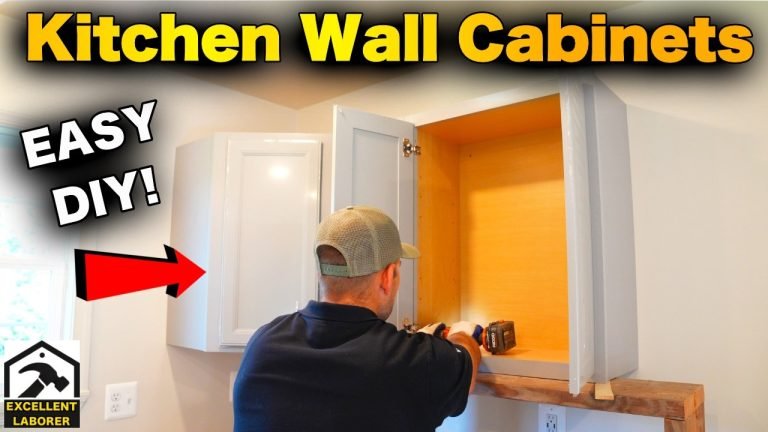
With brackets in place, lift your cabinet carefully and set it on the brackets. It’s best to have a helper during this step to avoid accidents and uneven placement. Check the cabinet’s level once it’s resting on the brackets and adjust if necessary.
Secure the cabinet to the brackets using the screws or fasteners recommended by the manufacturer. This final step locks everything in place. Ask yourself, have you ensured the cabinet feels stable before moving on? If not, take a moment to adjust for safety.

Credit: www.create-enjoy.com
Common Challenges And Solutions
Kitchen wall cabinet brackets help secure cabinets safely to the wall. Some common challenges can make installation tricky. These challenges include uneven walls, heavy cabinets, and potential wall damage. Solutions for each ensure a strong, lasting fit and protect your kitchen walls.
Dealing With Uneven Walls
Uneven walls cause gaps between brackets and the wall. This weakens cabinet support and may cause cabinets to tilt.
Use shims to fill gaps and level brackets. Shims are thin pieces of wood or plastic placed behind brackets. Adjust shims until the bracket sits flush with the wall. This ensures the cabinet hangs straight and stable.
Handling Heavy Cabinets
Heavy cabinets need strong support to avoid falling. Standard brackets might not hold the extra weight.
- Choose heavy-duty brackets made from sturdy metal.
- Attach brackets directly into wall studs for maximum strength.
- Use multiple brackets spaced evenly under the cabinet.
These steps distribute weight and keep cabinets secure.
Preventing Wall Damage
Wall damage happens from improper installation or too much weight on brackets. It can lead to holes, cracks, or even cabinet falls.
- Pre-drill holes to avoid cracking drywall.
- Use anchors if studs are not available.
- Avoid overtightening screws, which can damage wall material.
Proper installation protects your walls and cabinets.
Maintenance Tips
Maintaining kitchen wall cabinet brackets is essential for safety and durability. Proper care helps prevent accidents and keeps cabinets stable. Regular attention extends the life of your brackets and cabinets.
Regular Inspections
Check brackets often to spot any signs of damage or wear. Look for cracks, rust, or bending. Inspect the wall area around brackets for any marks or holes. Early detection prevents bigger problems and costly repairs.
Tightening Loose Brackets
Loose brackets reduce cabinet stability and can cause falls. Use a screwdriver to tighten screws firmly but avoid overtightening. Recheck brackets after a few weeks to ensure they stay secure. Secure brackets keep cabinets safe and aligned.
Cleaning And Care
Keep brackets clean to avoid dirt and grime buildup. Use a soft cloth with mild soap and water for cleaning. Avoid harsh chemicals that may damage the bracket finish. Dry brackets thoroughly to prevent rust and corrosion.
Design And Style Considerations
Design and style play a big role in choosing kitchen wall cabinet brackets. These brackets not only hold cabinets securely but also add to the kitchen’s overall look. Selecting the right design ensures the kitchen feels balanced and attractive. Each bracket style suits different cabinet types and kitchen themes.
Matching Brackets With Cabinets
Brackets should blend well with the cabinet style. For wooden cabinets, wooden or metal brackets with a warm finish work best. Sleek, modern cabinets fit well with simple, metal brackets. Ornate cabinets pair nicely with decorative, carved brackets. Matching colors and materials creates a unified look.
Enhancing Kitchen Aesthetics
Brackets can highlight the kitchen’s character. Visible brackets add charm and detail. Hidden brackets keep the look clean and minimal. Choose bracket shapes that complement other kitchen hardware. Curved brackets soften the space, while straight lines offer a modern touch. Small changes make a big style impact.
Custom Bracket Options
Custom brackets allow unique designs and perfect fits. They can match unusual cabinet shapes or sizes. Custom options include special materials, finishes, and shapes. These brackets can become a focal point or blend in quietly. Custom brackets add personality and can solve tricky installation needs.

Credit: www.reddit.com
Frequently Asked Questions
What Are Kitchen Wall Cabinet Brackets?
Kitchen wall cabinet brackets are metal or wooden supports fixed to walls. They hold cabinets securely, ensuring stability and safety.
How Do Wall Cabinet Brackets Support Weight?
Brackets distribute cabinet weight evenly across the wall. This prevents sagging and keeps cabinets firmly attached for long-term durability.
Can I Install Kitchen Cabinet Brackets Myself?
Yes, with basic tools and skills, you can install brackets. Ensure you use wall studs and proper anchors for safety.
What Materials Are Kitchen Cabinet Brackets Made From?
Brackets are commonly made from steel, aluminum, or wood. Steel offers strength, aluminum resists rust, and wood matches cabinet aesthetics.
Conclusion
Kitchen wall cabinet brackets hold your cabinets safely and firmly. They support the weight and keep cabinets steady. Choosing the right bracket helps avoid accidents and damage. Installing brackets correctly makes cabinets last longer. Knowing how these brackets work helps you make smart decisions.
Simple tools and steps can secure your kitchen storage. Strong brackets mean your cabinets stay in place every day. Trust the brackets to keep your kitchen organized and neat.