How to Get Rid of Ants in Kitchen Walls: Easy, Effective Solutions
Are tiny invaders making themselves at home in your kitchen walls? Ants can be more than just a nuisance; they can disrupt your peace and make meal prep a hassle.
Imagine the relief of finally having a kitchen free from these pesky intruders. It’s not just about eliminating ants; it’s about reclaiming your space and ensuring it stays that way. In this guide, you’ll discover simple, effective strategies to get rid of ants in your kitchen walls for good.
You’ll learn why they’re attracted to your kitchen and the best methods to keep them out. Say goodbye to the frustration and hello to a cleaner, pest-free kitchen. Stick around, and you’ll find the solution you’ve been searching for. Let’s tackle this ant problem together!

Credit: www.yahoo.com
Identify Ant Types
Before you tackle ants in your kitchen walls, it’s crucial to identify the type of ants invading your space. Different ants behave differently and require specific approaches for effective removal. Knowing which ant you’re dealing with can save you time, effort, and frustration.
Recognizing Common Kitchen Ants
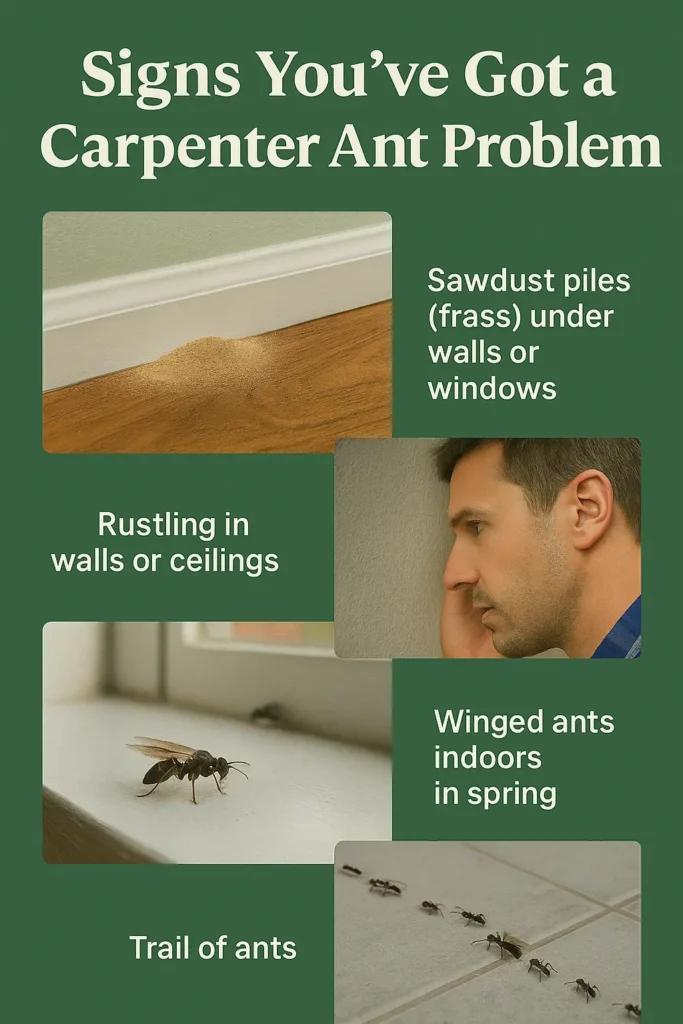
Some ants are more likely to invade kitchens than others. Carpenter ants, for example, are larger and can cause structural damage by boring into wood. Sugar ants, on the other hand, are smaller and attracted to sweet foods.
Look closely at the ants crawling near your countertops or inside walls. Are they tiny and dark, or bigger and reddish? This simple observation can help you narrow down the species.
Signs And Behaviors To Observe
Not all ants leave the same clues. Carpenter ants create smooth tunnels inside wood and often leave sawdust-like debris. Sugar ants tend to follow trails leading to food sources, especially sugary or greasy spots.
Have you noticed small piles of wood shavings or unusual holes in your kitchen walls? These could be signs of carpenter ants. Watching their movement patterns can reveal what attracts them.
Using Identification Tools
You don’t need expert gear to identify ants. A simple magnifying glass and smartphone can help you take clear pictures for comparison. Online guides or apps can assist in matching your photos to known ant species.
Try capturing a few ants safely and examine their size, color, and antenna shape. This hands-on approach makes identification easier and more accurate.
Why Does Identifying Ant Types Matter?
Different ants respond to different treatments. For example, carpenter ants require treatments that target their nests inside wood, while sugar ants respond well to bait stations near food sources.
Have you ever treated ants with a generic spray and seen them return? That’s often because the treatment didn’t match the ant type. Understanding the enemy helps you win the battle faster.
Locate Entry Points
Locating the entry points ants use to invade your kitchen walls is crucial for effective removal. Without finding where they come in, any treatment might just be a temporary fix. You need to spot these tiny openings to block their access and stop the problem at its source.
Look For Small Cracks And Gaps
Ants can squeeze through the smallest cracks in your walls or near window frames. Check around pipes, electrical outlets, and baseboards where gaps often go unnoticed. Shine a flashlight along these spots to catch tiny openings you might otherwise miss.
Follow The Ant Trails
Ants leave a scent trail for others to follow, which can guide you straight to their entry points. Watch where the ants travel and try to trace their path back to where they enter your kitchen walls. This trail often leads to hidden crevices behind cabinets or near plumbing.
Inspect Outside The Kitchen
Sometimes ants enter from outside through cracks in the exterior walls or foundation. Walk around your home’s outside walls, especially near the kitchen, to spot any holes or damaged caulking. Repairing these areas can prevent ants from getting inside in the first place.
Use Water Or Chalk To Test Suspected Areas
If you’re unsure about a spot, sprinkle some chalk or spray a little water near it. If ants cross the area again, that confirms it’s an active entry point. This simple test helps you focus your efforts on the right locations without guesswork.
Clean And Remove Attractants
Cleaning and removing attractants is a crucial step in getting rid of ants in kitchen walls. Ants come inside searching for food and water. Removing these attractants stops them from staying and returning.
Focus on areas where ants find crumbs, spills, and moisture. A clean kitchen means fewer reasons for ants to invade your space.
Clean Food Crumbs And Spills Immediately
Wipe kitchen counters and floors regularly. Use a damp cloth or mop to remove crumbs and spills. Pay special attention to corners and under appliances. Ants can find even small food particles.
Store Food In Airtight Containers
Keep dry foods like sugar, flour, and cereals sealed. Use containers that ants cannot chew through. This prevents ants from smelling and reaching food easily. Store fruits and vegetables in the fridge or covered bowls.
Empty Trash Cans Frequently
Trash attracts ants quickly. Use bins with tight-fitting lids. Take out the garbage daily. Clean the trash cans often to remove residue and odors.
Fix Leaks And Reduce Moisture
Ants need water to survive. Check under sinks and around pipes for leaks. Dry wet areas and fix dripping faucets. Use a dehumidifier if your kitchen is humid.
Remove Pet Food After Feeding
Pet food can attract ants as well. Feed pets at specific times and remove leftover food. Wash pet bowls after every meal to keep ants away.

Credit: www.simplepest.com
Use Natural Remedies
Natural remedies offer a safe and effective way to tackle ants invading your kitchen walls. These solutions minimize exposure to harsh chemicals, making your home healthier for you and your family. Plus, many are easy to prepare with ingredients you probably already have at home.
Vinegar Solutions
Vinegar disrupts the scent trails ants use to navigate, confusing them and keeping them away from your walls. Mix equal parts of white vinegar and water in a spray bottle, then apply it directly to the cracks and areas where ants enter.
Try wiping down your kitchen walls and countertops with this solution regularly. You’ll notice ants avoiding these treated spots, which helps reduce their presence without harmful residues.
Essential Oils
Essential oils like peppermint, tea tree, and eucalyptus are natural ant repellents. Their strong scents overwhelm ants’ senses, making your kitchen walls less inviting.
Drop 10-15 drops of your chosen oil into a spray bottle filled with water. Spray this mixture along baseboards, window sills, and any visible ant trails. You can also soak cotton balls in essential oils and place them in cabinets or corners.
Diatomaceous Earth
Diatomaceous earth (DE) is a fine powder made from fossilized algae that kills ants by damaging their exoskeletons. It’s non-toxic to humans and pets, making it a safe choice for your kitchen walls.
Sprinkle a thin layer of food-grade DE around entry points and along ant pathways. Keep the area dry, as moisture reduces its effectiveness. You’ll see a noticeable drop in ant activity within days.
Apply Chemical Treatments
Applying chemical treatments is one of the most effective ways to get rid of ants in your kitchen walls. These treatments work by targeting the ants directly, disrupting their colonies, or creating barriers to prevent their return. Using the right type of chemical product can save you time and frustration, especially when dealing with stubborn ant infestations.
Ant Baits
Ant baits attract ants by using sweet or protein-rich substances mixed with slow-acting poison. The ants carry the bait back to their colony, which helps eliminate the entire nest over time. Baits are safer for indoor use because they limit exposure to chemicals, especially around food and children.
Place baits near ant trails or entry points on your kitchen walls. Keep in mind that patience is key—results might take a few days to appear. Have you noticed ants disappearing gradually after setting out baits?
Insecticide Sprays
Insecticide sprays provide immediate results by killing ants on contact. They are useful for treating visible ants and their entry points along kitchen walls. Be cautious to avoid spraying directly on food surfaces or where pets can reach.
Choose sprays labeled for indoor use and follow the instructions carefully. Sprays work best when combined with other treatments like baits or dust insecticides. How often do you clean sprayed areas afterward to maintain safety?
Dust Insecticides
Dust insecticides are powders you apply in cracks and crevices inside kitchen walls where ants hide. They stick to the ants’ bodies and are carried back to the nest, affecting the whole colony. This method reaches places sprays and baits might miss.
Apply dust insecticides sparingly and use a duster or brush for precise placement. Avoid over-application to prevent dust from spreading into living spaces. Have you tried dusting wall voids and noticed a significant drop in ant activity?
Seal Cracks And Gaps
Sealing cracks and gaps in kitchen walls stops ants from entering your home. Ants use tiny openings to find food and water. Closing these spaces blocks their path and reduces infestations. A well-sealed kitchen keeps ants away and protects your food.
Identify Cracks And Gaps
Look closely at kitchen walls, corners, and baseboards. Check near pipes, windows, and doors. Use a flashlight to spot small holes and openings. Even tiny cracks can let ants inside.
Choose The Right Sealant
Select a sealant that fits your wall type and crack size. Use silicone caulk for small cracks and gaps. For larger holes, apply expanding foam. Both materials create a strong barrier against ants.
Prepare The Area Before Sealing
Clean the surface around cracks using soap and water. Remove dirt, dust, and grease for better adhesion. Let the area dry completely before applying sealant.
Apply Sealant Properly
Cut the tip of the sealant tube at a 45-degree angle. Squeeze sealant slowly into cracks and gaps. Smooth the sealant with a wet finger or putty knife. Fill all openings completely to block ants.
Inspect And Maintain Sealed Areas
Check sealed cracks regularly for damage or wear. Reapply sealant if you notice gaps or cracks reopening. Keeping seals intact prevents new ant entry points.
Maintain Ant-free Kitchen
Keeping your kitchen free from ants requires constant care. Small habits help stop ants from coming back. Cleanliness and proper storage play key roles. Checking your kitchen often helps catch problems early. Follow these tips to keep ants away from your kitchen walls and counters.
Regular Cleaning Habits
Clean kitchen surfaces every day to remove crumbs and spills. Wipe counters, sinks, and floors with warm soapy water. Empty trash bins often and use tight lids. Avoid leaving dirty dishes in the sink overnight. Clean under appliances where food particles can hide. These actions reduce attractants for ants.
Proper Food Storage
Store food in sealed containers made of glass or plastic. Keep dry goods like flour, sugar, and cereals in airtight jars. Refrigerate fruits and leftovers promptly. Avoid leaving pet food out for long periods. Proper storage blocks ants from finding easy food sources.
Routine Inspections
Check kitchen walls, cabinets, and corners weekly for ant trails. Look for small holes or cracks where ants can enter. Seal any openings with caulk or weather stripping. Inspect behind appliances and under sinks regularly. Early detection stops ants before they build nests inside walls.

Credit: bestlifeonline.com
Frequently Asked Questions
How Do Ants Enter Kitchen Walls?
Ants enter kitchen walls through tiny cracks and gaps. They seek food, water, and shelter inside wall cavities. Sealing entry points helps prevent infestations and protects your kitchen from ants.
What Natural Remedies Remove Ants From Walls?
Natural remedies include vinegar, lemon juice, and peppermint oil sprays. These substances disrupt ant trails and repel them. Regular application near entry points reduces ant presence without harmful chemicals.
Can Bait Traps Eliminate Ants In Walls?
Yes, bait traps attract ants to carry poison back to nests. This method effectively kills entire colonies inside walls. Place traps near ant trails for best results.
How To Prevent Ants From Returning To Kitchen Walls?
Keep kitchen clean and dry, store food in sealed containers. Seal cracks and fix leaks to remove ant entry points. Regularly inspect and maintain your kitchen to deter ants.
Conclusion
Ants in kitchen walls can cause stress and damage. Clean the area well and seal all cracks. Use safe baits or natural remedies to stop ants. Keep your kitchen dry and free of food crumbs. Regular checks help catch ants before they spread.
Small steps make a big difference in keeping ants away. Stay patient and consistent with your efforts. A clean, dry kitchen means fewer ants and less worry.