How to Clean Kitchen Walls And Remove Grease Buildup: Easy Expert Tips
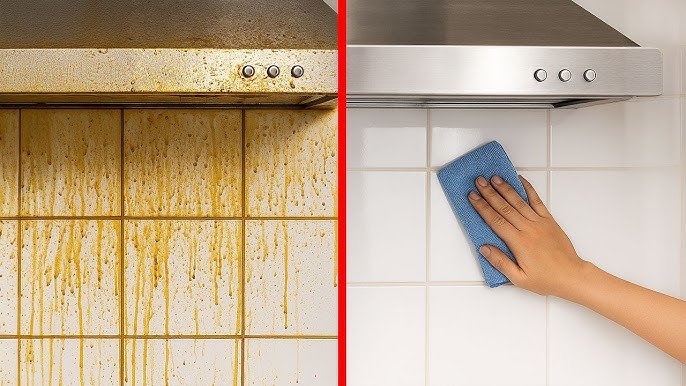
Are you tired of seeing those stubborn grease stains and grime on your kitchen walls? You’re not alone.
The kitchen is the heart of your home, but it often bears the brunt of daily cooking, leaving behind unsightly grease buildup. This not only looks unappealing but can also be a breeding ground for bacteria. If you’re looking for a simple and effective way to restore the sparkle to your kitchen walls, you’ve come to the right place.
Imagine walking into your kitchen, greeted by walls that look as fresh and clean as the day they were painted. It’s not a dream; it’s entirely possible with the right approach. In this guide, we’ll show you how to tackle those greasy walls with ease, using methods that are both affordable and time-efficient. Say goodbye to the endless scrubbing and hello to a pristine kitchen space. Ready to transform your kitchen into a clean and inviting area? Let’s dive in and discover the secrets to a spotless kitchen!

Credit: www.aol.com
Common Causes Of Grease Buildup
Grease buildup on kitchen walls is more than just an eyesore—it can affect your kitchen’s cleanliness and even air quality. Understanding what causes grease to accumulate is key to keeping your walls spotless. Let’s look at the common reasons grease sticks around and where it tends to gather the most.
Cooking Habits That Lead To Grease
Your cooking style plays a major role in how much grease ends up on your walls. Frying foods in oil or butter releases tiny droplets that float and settle on surfaces nearby. The more you fry or sauté, the more grease particles fill the air.
Using high heat often causes oils to smoke and spread more grease. Do you leave pots uncovered or stir vigorously? This can splash grease onto walls. Also, skipping ventilation like range hoods or open windows traps grease and moisture in your kitchen.
Simple changes in your cooking routine can reduce this buildup. For example, lowering the heat slightly or using splatter screens cuts down on airborne grease. Have you noticed that some dishes seem messier than others? Identifying those can help you target cleaning more effectively.
Areas Most Affected In Kitchen Walls
Grease doesn’t spread evenly—it collects in specific spots where cooking activity is highest. The wall behind your stove is usually the worst hit because it faces direct exposure to splashes and smoke. Corners near the stovetop also trap grease in hard-to-reach places.
Walls close to exhaust fans or range hoods may still get greasy if ventilation is weak. Even cabinets and backsplash areas around the cooking zone can show buildup over time. Don’t forget about walls near frying pans or grills used indoors.
Have you checked the ceiling edges or light fixtures near your stove? Grease can travel upward with heat and settle there too. Knowing these hotspots helps you focus your cleaning efforts where they matter most.
Tools And Supplies Needed
Cleaning kitchen walls and removing grease buildup can be a tough task without the right tools and supplies. Having everything prepared before you start makes the process smoother and more effective. Let’s look at what you’ll need to tackle those stubborn grease stains with confidence.
Effective Cleaning Solutions
You don’t need expensive products to clean your kitchen walls well. Simple household items can work wonders. For example, a mix of warm water and dish soap often breaks down grease quickly.
White vinegar is another powerful cleaner that cuts through grease and deodorizes your walls. Combine it with water for a natural and safe solution.
For tough buildup, a baking soda paste made with water provides gentle scrubbing power without damaging the paint. Have you ever tried using lemon juice to tackle grease? Its acidity can help lift stains and leave a fresh scent behind.
Recommended Cleaning Tools
- Soft sponges or microfiber cloths:These are gentle on paint but effective at wiping away grime.
- Spray bottles:Handy for applying cleaning solutions evenly without wasting any product.
- Old toothbrushes:Perfect for scrubbing tight corners and textured surfaces where grease hides.
- Bucket:Use it to mix your cleaning solutions and rinse your tools as needed.
- Rubber gloves:Protect your hands from harsh chemicals and keep them dry.
Have you noticed how using the right tools makes cleaning less of a chore? Preparing these supplies ahead of time turns a messy job into a manageable task you can finish quickly.
Preparation Before Cleaning
Preparation is key before cleaning kitchen walls and removing grease buildup. Proper setup saves time and protects your home. It also ensures safety while handling cleaning products. Taking a few simple steps helps make the cleaning process smooth and effective.
Protecting Surrounding Areas
Cover countertops and appliances with plastic sheets or old towels. Use painter’s tape to secure coverings and prevent slipping. Move small items like utensils and decorations away from the walls. Protect electrical outlets by placing plastic wrap or tape over them. Lay down a drop cloth or newspapers on the floor to catch drips and spills. These steps stop damage and keep your kitchen clean during scrubbing.
Safety Tips For Handling Cleaners
Wear gloves to protect your skin from harsh chemicals. Open windows or turn on the exhaust fan for good ventilation. Avoid mixing different cleaning products; this can cause dangerous fumes. Keep cleaners out of reach of children and pets. Read labels carefully and follow all safety instructions. Use a mask if you feel sensitive to strong smells. These precautions help you stay safe while cleaning effectively.
Credit: www.maid2match.com.au
Step-by-step Cleaning Process
Cleaning kitchen walls and removing grease buildup might seem daunting, but breaking the task into clear steps makes it manageable and even satisfying. Each phase prepares your walls for the next, ensuring a deep clean without damaging the paint or surface. Ready to get those walls sparkling? Let’s dive into the detailed process that will leave your kitchen looking fresh and grease-free.
Initial Dusting And Wiping
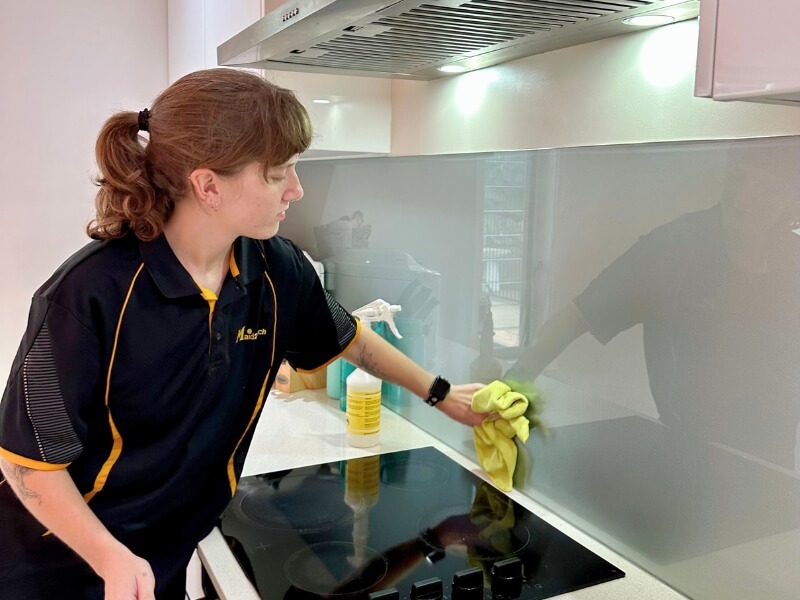
Start by removing loose dust and dirt from your kitchen walls. Use a soft cloth or a microfiber duster to gently wipe the surface. This step prevents dirt from mixing with cleaning solutions and turning into a stubborn grime.
Pay special attention to corners and edges where dust tends to collect. You can also lightly wipe the walls with a damp cloth to lift off surface residues. Have you noticed how much easier the cleaning feels after just this simple preparation?
Applying Degreasers
Choose a degreaser that is safe for your wall type—look for options labeled for kitchen use or make a homemade mix of dish soap and warm water. Spray or apply the degreaser evenly on greasy areas, focusing on spots with visible buildup.
Let the degreaser sit for 5 to 10 minutes to break down the grease effectively. This waiting period is crucial; rushing this step often results in having to scrub harder later. Do you know which degreaser works best for your kitchen walls?
Scrubbing Techniques For Tough Stains
Use a non-abrasive sponge or a soft-bristle brush to scrub the greasy patches gently. Circular motions help lift grease without scratching the surface. For extremely stubborn stains, sprinkle a little baking soda on the sponge for extra scrubbing power.
Always test your scrubbing tool on a small, hidden area first to avoid damage. Notice how the grease starts to come off with consistent, gentle pressure? It’s all about patience and the right technique here.
Rinsing And Drying Walls
After scrubbing, wipe the walls with a clean, damp cloth to remove any leftover degreaser and loosened grease. Rinsing is key to preventing sticky residue that can attract more dirt.
Dry the walls thoroughly using a soft towel or allow them to air dry. Proper drying stops moisture from causing paint damage or mold growth. Have you checked if your walls feel smooth and clean to the touch after drying?
Natural And Eco-friendly Cleaning Options
Natural and eco-friendly cleaning options provide a safe way to clean kitchen walls. These methods avoid harsh chemicals that can harm your health and the environment. Using simple household ingredients can effectively remove grease buildup. These options also leave your kitchen fresh and clean without strong odors.
Using Vinegar And Baking Soda
Vinegar and baking soda work well together to break down grease. Vinegar is acidic and cuts through oily residue easily. Baking soda acts as a mild abrasive that lifts dirt without scratching surfaces.
- Mix equal parts white vinegar and water in a spray bottle.
- Spray the solution on greasy kitchen walls.
- Let it sit for 5 to 10 minutes to loosen grease.
- Sprinkle baking soda on a damp sponge or cloth.
- Gently scrub the wall to remove buildup.
- Wipe with a clean damp cloth to remove residue.
This method is cost-effective and uses ingredients found in most homes.
Essential Oils For Freshness
Essential oils add a pleasant scent and extra cleaning power. Oils like lemon, tea tree, or eucalyptus have natural antibacterial properties. They also help neutralize odors left by grease and cooking.
- Add 10 to 15 drops of essential oil to your vinegar and water mix.
- Shake well before spraying on the walls.
- Use oils to refresh cloths or mop water for a clean smell.
Essential oils make eco-friendly cleaning more enjoyable and effective.
Preventing Future Grease Buildup
Preventing grease buildup on your kitchen walls is key to keeping your space fresh and easy to clean. Once you understand the habits that cause grease to stick, you can make small changes that save you from tough scrubbing later. Let’s look at how regular habits and smart cooking choices help protect your kitchen walls.
Regular Maintenance Tips
Wiping down your kitchen walls regularly can stop grease from settling in. Use a damp cloth with mild dish soap once or twice a week to catch grease before it hardens.
Don’t wait for walls to look dirty. A quick wipe after cooking prevents grease from building up. You might find this simple routine makes your kitchen feel cleaner and more inviting every day.
Have you tried using a mixture of vinegar and water? It’s a natural cleaner that cuts grease without harsh chemicals. Keep a spray bottle handy to freshen walls quickly after cooking.
Ventilation And Cooking Practices
Good airflow is your kitchen’s best defense against grease buildup. Turn on the exhaust fan or open a window every time you cook to reduce airborne grease particles.
Think about how you cook. Frying and grilling release more grease into the air than boiling or steaming. If you love frying, extra ventilation becomes even more important.
Placing a splatter screen over pans helps too. It stops grease from flying onto walls and counters, cutting down on cleanup time.
Have you noticed how much easier cleaning gets when your kitchen air circulates well? Try adjusting your ventilation habits and watch the difference in grease buildup on your walls.
Handling Different Wall Surfaces
Cleaning kitchen walls effectively depends largely on the type of surface you’re dealing with. Different materials react uniquely to cleaning agents and techniques, especially when removing stubborn grease buildup. Understanding how to approach each surface will save your walls from damage and help maintain their appearance longer.
Cleaning Painted Walls
Painted walls are common in kitchens but can be delicate when exposed to harsh scrubbing. Use a soft sponge or cloth with warm water mixed with a few drops of dish soap. Avoid abrasive cleaners that can strip paint or cause discoloration.
If grease is stubborn, try a paste made from baking soda and water. Apply it gently and rinse off with a clean damp cloth. Have you noticed how quickly grease can dull your paint? Regular, gentle cleaning prevents buildup and keeps your walls looking fresh.
Dealing With Tile And Backsplash
Tiles and backsplashes handle moisture and scrubbing better than painted walls. Use a mixture of vinegar and water or a commercial tile cleaner for tough grease spots. A soft-bristled brush helps get into grout lines without scratching the tiles.
For grout, a paste of baking soda and hydrogen peroxide works wonders. Apply it, let it sit for a few minutes, then scrub gently. Don’t let grease linger—tiles can trap oils in grout, causing stains and odors over time.
Care For Wallpapered Walls
Wallpaper requires the most delicate touch when cleaning, especially if it’s textured or vinyl-coated. Use a dry microfiber cloth to dust regularly and a barely damp sponge for spot cleaning. Test any cleaner on a hidden area first to avoid damage.
Steer clear of soaking wallpaper—too much moisture can cause peeling or bubbling. If grease is persistent, a solution of mild dish soap diluted in water can help, applied sparingly. How often do you check your wallpaper for hidden grease spots? Early attention keeps it looking new and prevents costly repairs.
Credit: www.thekitchn.com
Frequently Asked Questions
How Do I Remove Grease From Kitchen Walls Naturally?
Use a mix of warm water, vinegar, and dish soap. Apply with a sponge, scrub gently, then wipe clean. This natural solution effectively breaks down grease without harsh chemicals.
What Is The Best Cleaner For Kitchen Wall Grease?
A degreasing cleaner with citrus or ammonia works best. These cleaners cut through grease quickly, leaving walls clean and residue-free. Always test on a small area first.
How Often Should I Clean Kitchen Walls To Prevent Grease?
Clean your kitchen walls at least once a month. Regular cleaning prevents heavy grease buildup and keeps walls fresh. Increase frequency if you cook daily with oil.
Can Baking Soda Help Remove Kitchen Wall Grease?
Yes, baking soda is mildly abrasive and absorbs grease well. Make a paste with water, scrub gently, then rinse. It’s a safe, affordable cleaning option for kitchen walls.
Conclusion
Cleaning kitchen walls regularly keeps your space fresh and bright. Grease buildup can cause stains and odors over time. Use gentle cleaners and simple tools for best results. Small efforts prevent tough grime from forming. A clean kitchen wall makes cooking more enjoyable.
Try these easy tips often to maintain a healthy kitchen. Your walls will look great and last longer. Simple steps bring big benefits.