What Paint Finish for Kitchen Walls: Ultimate Guide for Durability
Choosing the right paint finish for your kitchen walls can feel like a daunting task. With so many options available, you might find yourself wondering which finish will stand up to the daily hustle and bustle of your kitchen.
You’re not alone in this decision, and the good news is, finding the perfect paint finish can make all the difference in creating a space that’s not only beautiful but practical as well. Imagine walking into a kitchen where the walls gleam just right, standing up to stains and splatters while adding a touch of elegance to your space.
Intrigued? Keep reading, because you’re about to discover which paint finish will transform your kitchen into a place that’s both stunning and durable.
Types Of Paint Finishes
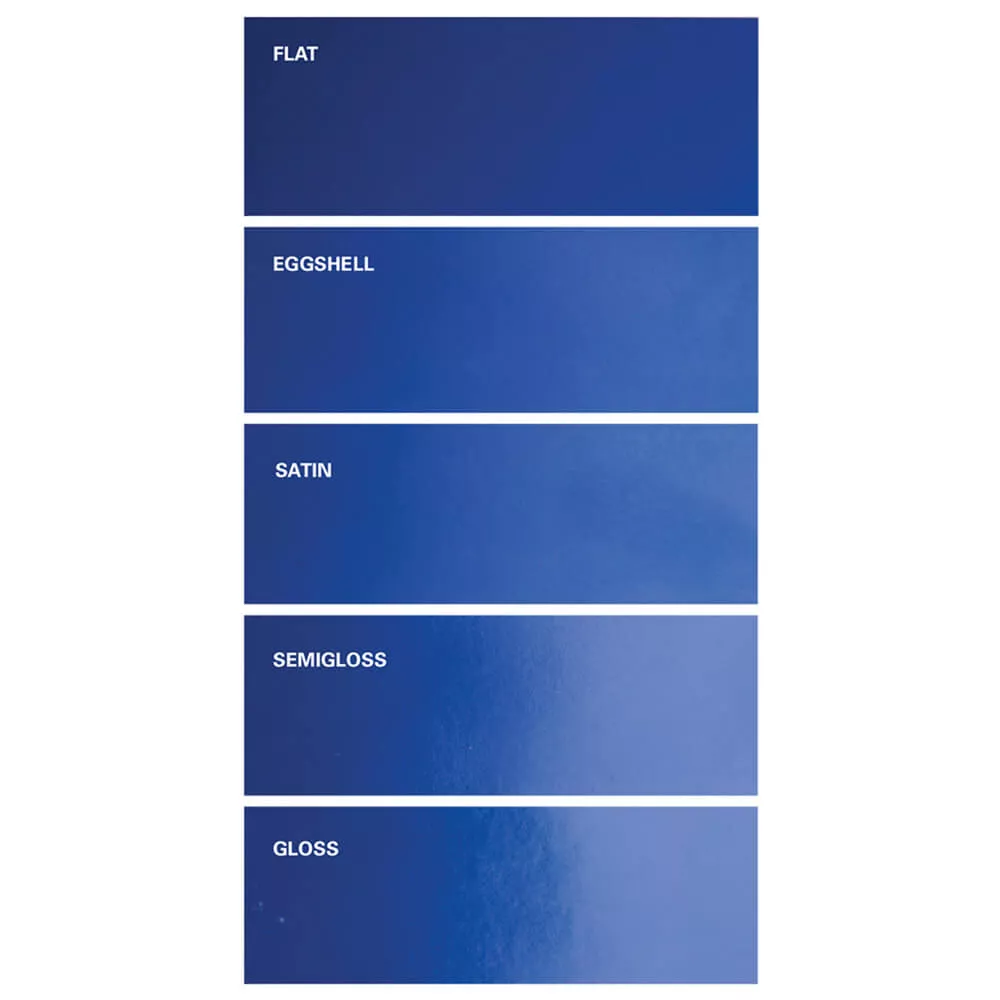
Choosing the right paint finish for kitchen walls affects both look and durability. Paint finishes vary in shine and texture. Each type suits different needs and styles. Understanding these options helps pick the best finish for your kitchen.
Matte Finish
Matte finish has no shine. It hides wall imperfections well. This finish gives a smooth, flat look. It is less washable than other finishes. Best for low-traffic areas or accent walls in kitchens.
Eggshell Finish
Eggshell finish has a soft, slight shine. It offers better durability than matte. It resists dirt and stains better. Easy to clean with a damp cloth. A popular choice for kitchen walls.
Satin Finish
Satin finish has a smooth, pearl-like sheen. It stands up well to moisture and stains. It is easy to clean without losing color. Ideal for busy kitchens with lots of activity.
Semi-gloss Finish
Semi-gloss finish shines noticeably. It is very durable and moisture resistant. Perfect for areas near sinks or cooking spaces. It highlights wall details and trims well. Easy to wipe clean and maintain.
Glossy Finish
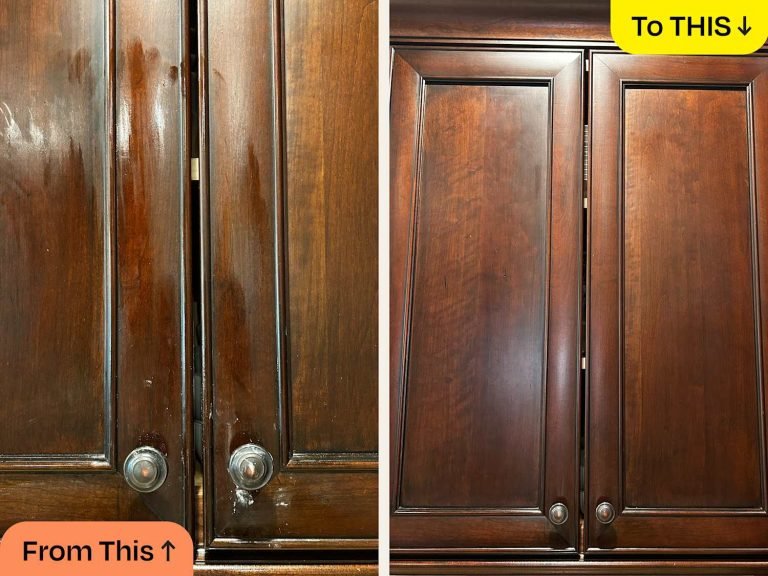
Glossy finish is very shiny and reflective. It offers the highest durability and moisture resistance. Shows every bump and mark on walls. Best for cabinets or trim rather than large wall areas.
Credit: www.jswpaints.in
Factors Affecting Paint Durability
Choosing the right paint finish for kitchen walls depends on many factors that affect paint durability. Understanding these factors helps pick a finish that lasts long and looks good. The kitchen environment is unique, so paint must resist wear and tear effectively.
Moisture And Humidity
Kitchens often have high moisture and humidity from cooking and washing. Moisture can cause paint to peel or bubble over time. Choosing a finish with good water resistance is important to prevent damage. Semi-gloss and satin finishes handle moisture better than flat paints.
Cleaning And Maintenance
Kitchen walls need frequent cleaning to remove grease and stains. Paint must withstand scrubbing without losing color or texture. Durable finishes like satin or semi-gloss allow easy cleaning with a damp cloth. Flat or matte finishes may wear out quickly with regular washing.
Kitchen Activities Impact
Cooking creates heat, steam, and splatters that affect paint durability. Walls near stoves or sinks face more wear and tear. Tough finishes resist stains and discoloration caused by heat and grease. Paint designed for kitchens protects walls and keeps them looking fresh.
Best Paint Finishes For Kitchen Walls
Choosing the best paint finish for kitchen walls affects both style and function. The kitchen faces moisture, heat, and frequent cleaning. A good paint finish stands up to these challenges. It keeps walls looking fresh and easy to maintain. Different finishes offer unique benefits. Understanding these helps pick the right one for your kitchen.
Durability And Washability
Kitchen walls need paint that lasts long and cleans easily. Semi-gloss and satin finishes offer great durability. They resist chipping and peeling under daily wear. These finishes handle scrubbing without losing their shine. Walls stay smooth and vibrant even after multiple washes. Matte finishes look nice but can stain and wear out fast. For durability, choose finishes that balance toughness with easy cleaning.
Resistance To Stains And Scratches
Kitchens are prone to spills and marks. Paint must resist stains and scratches well. Semi-gloss finishes create a smooth, sealed surface that repels stains. Scrubbing stains off does not damage the paint. Satin finishes also resist stains but show scratches less than semi-gloss. Avoid flat or matte finishes if stains and scratches are a concern. A finish that protects against damage keeps kitchen walls looking new longer.
Choosing Paint Based On Kitchen Style
Choosing the right paint finish for your kitchen walls depends a lot on your kitchen’s style. The finish you select can highlight your kitchen’s personality and also handle the wear and tear of daily cooking. Understanding how different finishes work with various kitchen styles helps you make a choice that looks great and lasts long.
Modern Kitchens
Modern kitchens often feature sleek lines and minimalistic designs. A satin or semi-gloss finish works well here because it adds a subtle shine without being too flashy. These finishes are easy to clean, which is perfect for busy, contemporary spaces where spills and splashes happen often.
Think about how light bounces off smooth surfaces in your kitchen. Would a glossier finish make your space feel brighter and more open? Or would a softer sheen keep it calm and understated?
Traditional Kitchens
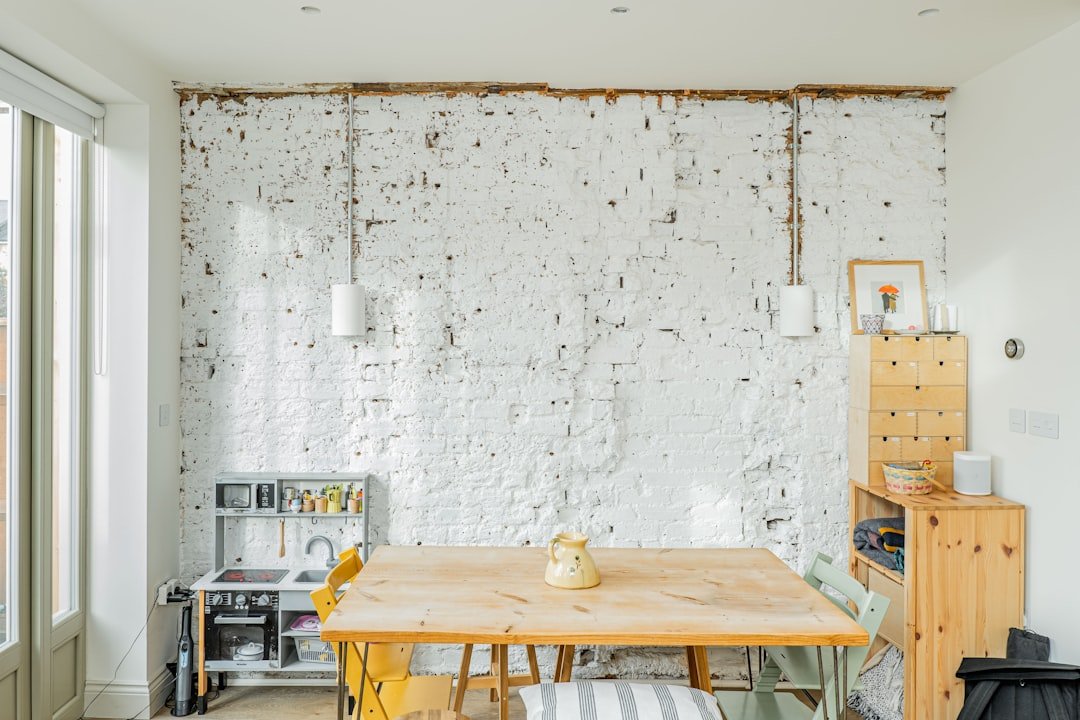
Traditional kitchens usually have warm colors and classic details. An eggshell or matte finish suits these spaces because they offer a soft, elegant look that complements wood cabinets and vintage accents. These finishes hide wall imperfections well, keeping your kitchen looking cozy and inviting.
Consider how much texture you want on your walls. Do you prefer a finish that feels gentle to the eyes or one that subtly reflects light? Your choice can enhance the timeless charm of your kitchen.
Rustic Kitchens
Rustic kitchens celebrate natural materials and a lived-in feel. Flat or matte finishes fit perfectly here because they create a natural, understated backdrop for wood beams and stone surfaces. These finishes don’t reflect much light, which maintains the authentic, earthy vibe of the space.
Ask yourself if you want your walls to stand out or blend into the background. A matte finish lets the focus stay on your rustic features, while still protecting the walls from everyday marks.
Tips For Preparing Kitchen Walls
Preparing kitchen walls properly makes a big difference in how paint looks and lasts. Clean, smooth walls help paint stick better and resist stains. Taking time to prepare walls saves effort later and keeps your kitchen fresh for years.
Cleaning And Priming
Start by removing grease, dirt, and dust. Use warm water mixed with mild soap. Wipe walls with a sponge or cloth. Let the walls dry completely before painting.
Apply a primer made for kitchens or high-moisture areas. Primer helps paint stick and covers stains well. It also creates a smooth surface for your finish coat.
Repairing Wall Imperfections
Check walls for holes, cracks, or dents. Fill small holes and cracks with spackling paste or filler. Use a putty knife to apply and smooth it out. Let the filler dry fully.
Sand patched areas lightly with fine-grit sandpaper. This makes surfaces even and ready for paint. Clean off dust after sanding to avoid bumps in the paint.
Applying Paint For Long-lasting Results
Applying paint on kitchen walls requires care to ensure it lasts long and stays fresh. Proper preparation and the right painting approach protect walls from stains and moisture. These steps help maintain the beauty of your kitchen for years.
Tools And Techniques
Use high-quality brushes and rollers designed for smooth finishes. A good roller covers large areas quickly and evenly. Brushes help reach corners and edges cleanly. Always clean tools before use to avoid streaks or lumps.
Work in small sections to keep the paint wet and smooth. Paint in a “W” or “M” pattern for even coverage. Avoid pressing too hard with the roller to prevent texture marks. Let each coat dry properly before applying the next.
Number Of Coats
Two coats are usually best for kitchen walls. The first coat seals the surface and blocks stains. The second coat adds durability and a richer color. Some paints may need a third coat for full coverage.
Allow enough drying time between coats, usually 2 to 4 hours. Avoid rushing to prevent peeling and uneven spots. Proper layering gives the paint strength to resist kitchen wear and tear.
Maintaining Painted Kitchen Walls
Maintaining painted kitchen walls is key to keeping your space fresh and inviting. Kitchens face constant exposure to moisture, grease, and frequent cleaning, so choosing the right paint finish is just the start. How you care for your walls daily can extend their life and preserve their look.
Cleaning Methods
Regular cleaning prevents stains and grime buildup on your kitchen walls. Use a soft sponge or cloth with warm water and mild dish soap to gently wipe the surface. Avoid harsh chemicals or abrasive scrubbing tools that can damage the paint.
For tougher spots like grease splatters, try a mixture of baking soda and water applied gently with a sponge. Always test any cleaning solution on a small hidden area first to make sure it won’t discolor or peel the paint.
Do you notice streaks or dullness after cleaning? Wipe the wall with a clean damp cloth afterward to remove any soap residue. Keeping your walls dry after cleaning reduces the chance of mold or mildew growth.
Touch-up Tips
Even with careful cleaning, small scuffs or chips can happen. Keep leftover paint from your original project for easy touch-ups. Use a small artist’s brush for precise application in tight spots.
Before touching up, clean the area and let it dry completely. Lightly sand any rough edges with fine-grit sandpaper to help the new paint blend seamlessly. Applying thin layers and allowing each to dry prevents noticeable patches.
If your kitchen walls have a semi-gloss or satin finish, matching the sheen is important to avoid shiny spots. Have you ever touched up paint only to find the patch stands out? Taking these steps will help your fixes look professional and keep your kitchen walls looking great.
Credit: www.blockrenovation.com

Credit: rustoleumcolours.co.uk
Frequently Asked Questions
What Paint Finish Is Best For Kitchen Walls?
Satin or semi-gloss finishes are best for kitchen walls. They resist moisture and are easy to clean. These finishes handle grease and splashes well, keeping walls looking fresh longer.
Can I Use Matte Paint In My Kitchen?
Matte paint can be used but is less durable. It absorbs stains and is harder to clean. For high-traffic kitchens, satin or semi-gloss is a better choice.
How Does Semi-gloss Paint Benefit Kitchen Walls?
Semi-gloss paint offers a shiny, durable surface. It repels moisture and wipes clean easily. This finish helps maintain kitchen walls despite frequent washing and cooking splatters.
Is Satin Finish Good For Kitchen Walls?
Yes, satin finish is ideal for kitchen walls. It balances shine and durability well. Satin finish hides wall imperfections and cleans up easily after cooking messes.
Conclusion
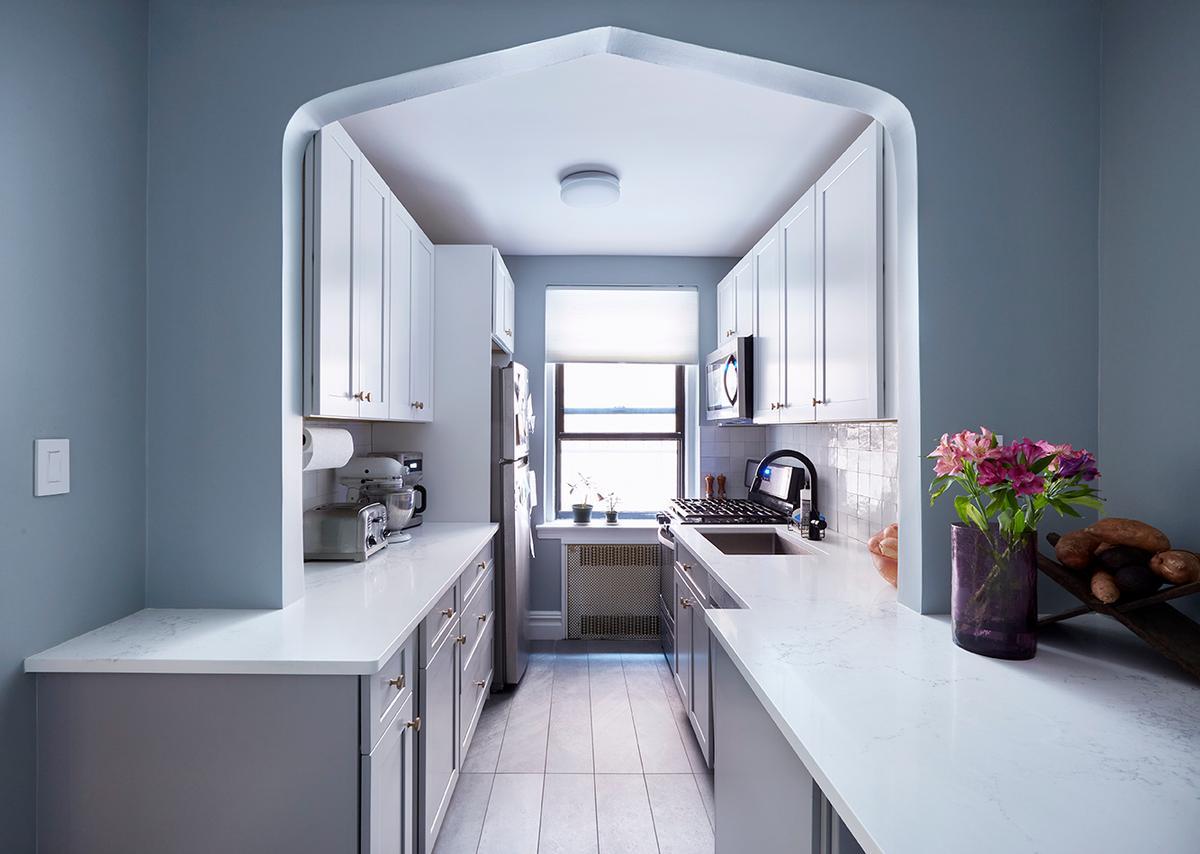
Choosing the right paint finish for kitchen walls makes a big difference. Satin and semi-gloss finishes work best for easy cleaning and durability. Matte finishes look nice but may stain more easily. Remember, kitchens face moisture, stains, and frequent washing.
Pick a finish that fits your style and needs. A good paint finish keeps your kitchen fresh and bright longer. Take your time to decide, and enjoy your kitchen’s new look.