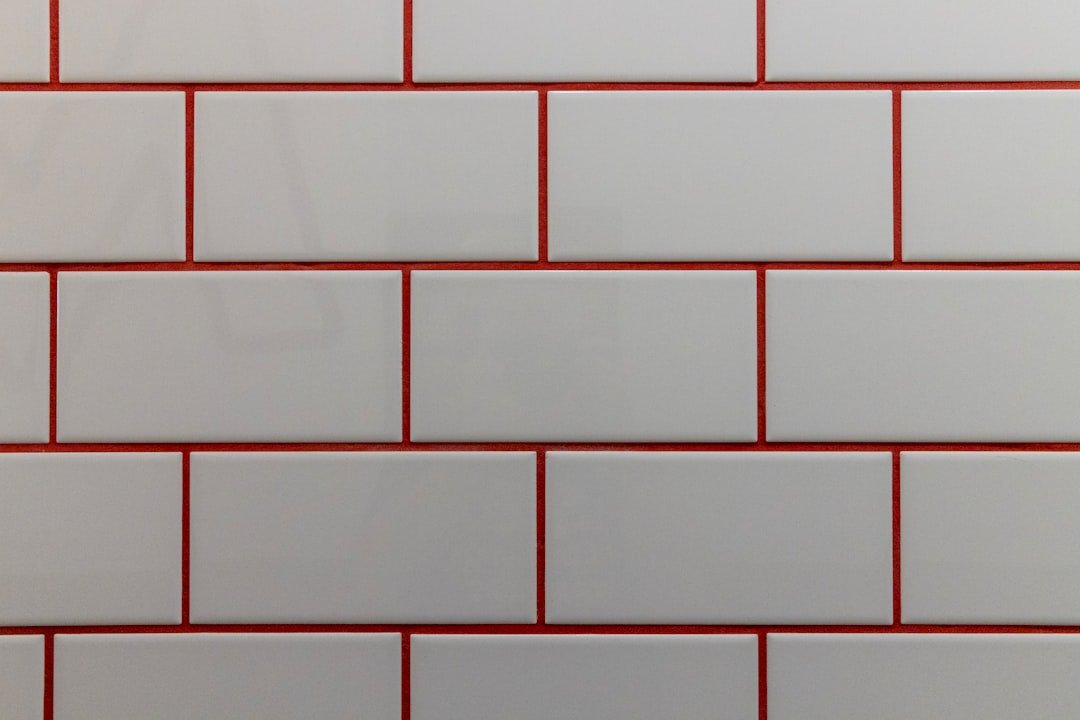
How to Grout Kitchen Wall Tiles: Easy Steps for a Perfect Finish
Are your kitchen wall tiles looking dull or unfinished? Knowing how to grout your kitchen wall tiles can make a huge difference in both the look and durability of your space.
Imagine a smooth, clean finish that not only ties your tiles together but also protects them from moisture and dirt. In this guide, you’ll discover simple, step-by-step tips to grout your tiles like a pro—even if you’ve never done it before.
Keep reading, and by the end, your kitchen walls will look fresh, polished, and ready to impress.

Credit: www.projectallendesigns.com
Choosing The Right Grout
Choosing the right grout is essential for a beautiful and lasting kitchen wall tile installation. The grout holds tiles together and fills gaps to prevent dirt and moisture buildup. Selecting the proper grout type and color can enhance your kitchen’s look and durability. This section helps you decide the best grout for your kitchen walls.
Types Of Grout
- Sanded Grout:Contains sand for strength. Best for wide gaps over 1/8 inch.
- Unsanded Grout:Smooth texture, ideal for narrow gaps under 1/8 inch.
- Epoxy Grout:Highly durable and stain-resistant. Great for moisture-prone areas.
- Furan Grout:Chemical-resistant, used in industrial kitchens. Not common for homes.
Color Selection Tips
Choose grout color based on tile color and kitchen style.
Light grout makes small spaces look larger and brighter.
Dark grout hides stains better and adds contrast.
Neutral colors like gray, beige, or white blend well with most tiles.
Test grout color on a small tile section before final application.
Grout For Kitchen Walls
Kitchen walls need grout that resists stains and moisture.
Epoxy grout is ideal for kitchen walls due to its water resistance.
Unsanded grout fits well for smooth tiles with tight joints.
Seal grout after curing to protect from spills and grease.

Credit: www.familyhandyman.com
Preparing The Wall Tiles
Preparing the wall tiles is a key step before grouting. Clean tiles ensure the grout sticks well. Checking tile spacing helps avoid uneven grout lines. Protecting nearby surfaces keeps your kitchen neat during the job.
Cleaning The Tiles
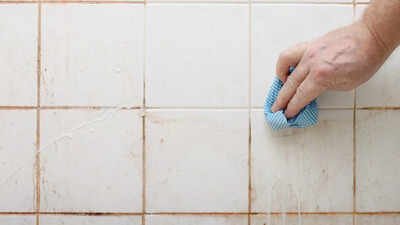
Start by wiping the tiles with a damp cloth. Remove dust, grease, and any leftover adhesive. Use a mild cleaner for stubborn dirt. Let the tiles dry completely before grouting.
Checking Tile Spacing
Look closely at the gaps between tiles. Make sure all spaces are even. Use tile spacers if needed for uniform gaps. Consistent spacing gives a professional finish.
Protecting Surrounding Areas
Cover countertops and appliances near the wall. Use painter’s tape to shield edges and corners. Lay down drop cloths to catch grout spills. This keeps your kitchen clean and damage-free.
Mixing The Grout
Mixing grout correctly is key to achieving a smooth, durable finish on your kitchen wall tiles. If the grout is too thick, it won’t fill the gaps properly. Too thin, and it may shrink or crack as it dries. Getting the right mix takes a bit of patience, but it’s worth it for a flawless result.
Tools Needed
- Bucket:Use a clean, small bucket just for mixing grout.
- Mixing paddle or stick:A paint stirrer or a grout-specific paddle attached to a drill works well.
- Measuring cup:To add water precisely for consistent results.
- Gloves:Protect your hands from irritation during mixing and application.
- Rubber spatula or margin trowel:Helps in scraping grout off the sides and folding it together.
Proper Consistency
Your grout should have the texture of creamy peanut butter—thick but spreadable. Add water slowly while stirring to avoid making it too runny. If it’s watery, the grout won’t hold and may cause weak joints.
Let the mixed grout rest for 5 to 10 minutes before use. This allows the chemicals to activate properly. Then stir it again briefly to ensure uniform consistency.
Avoiding Common Mistakes
- Don’t mix too much at once.Grout can dry quickly, so mix only what you can use in about 30 minutes.
- Avoid adding too much water.It might seem easier to spread, but the grout will weaken and crack later.
- Mix thoroughly but don’t overwork.Over-mixing can introduce air bubbles, weakening the grout structure.
- Never add grout powder to water.Always pour water into the powder for better control.
Have you ever tried mixing grout that was too runny? What happened? Share your experience and see how adjusting the consistency can make a difference in your tile project.
Applying Grout To Tiles
Applying grout to kitchen wall tiles is a crucial step that transforms your tiled surface from plain to polished. It not only fills the gaps but also strengthens the bond between tiles, preventing dirt and moisture from sneaking through. Getting this right demands a steady hand and attention to detail, but the payoff is a clean, professional finish that lasts.
Using A Grout Float
Start by scooping some grout onto a grout float, which is a flat tool designed for spreading. Hold the float at a 45-degree angle and spread the grout diagonally across the tiles. This angle helps push the grout firmly into the joints without scraping it out.
Don’t rush this part. Pressing too lightly won’t fill the gaps completely, while too much force might pull grout out of the joints. Think of the grout float as a paintbrush, but for filling spaces — your goal is smooth, even coverage.
Filling Joints Evenly
Evenly filled joints are key to a neat appearance and durable finish. Make sure to push grout into every crevice, especially in corners or uneven tile edges. If you spot any air pockets or gaps, add more grout and smooth it over.
Have you noticed how uneven grout lines make the whole wall look off? Taking the time to fill joints thoroughly pays off by giving your kitchen a sharp, clean look that’s easy to maintain.
Removing Excess Grout
Once the joints are filled, excess grout on the tile surface needs to be removed promptly before it hardens. Use the edge of the grout float to scrape off the surplus, moving diagonally to avoid pulling grout from the joints.
After about 15 to 30 minutes, wipe the tiles gently with a damp sponge to clean off any remaining grout haze. Be careful not to over-wet the grout lines; too much water can weaken the grout. This final clean-up reveals the true beauty of your tiled wall and keeps it looking fresh.
Cleaning And Finishing
Cleaning and finishing your kitchen wall tiles after grouting is crucial for a neat look. Proper cleaning removes excess grout and smooths the surface. Finishing protects grout from stains and moisture. Follow these steps for a polished result that lasts.
Initial Wipe Down
Start by waiting about 15 to 30 minutes after grouting. Use a damp sponge to gently wipe the tile surface. Move in circular motions to remove grout haze. Rinse the sponge frequently to avoid spreading grout residue. Avoid pressing too hard to keep grout in place. This step clears away most excess grout quickly.
Final Polishing
After the grout has dried for a few hours, use a dry cloth. Buff the tiles to remove any remaining haze or film. This step brings out the tile’s shine and makes the grout lines crisp. Ensure the surface feels smooth and clean to the touch. Polishing enhances the overall appearance of your kitchen wall.
Sealing The Grout
Apply grout sealer once the grout fully cures, usually after 72 hours. Use a small brush or applicator to cover grout lines evenly. Allow the sealer to soak in for 5 to 10 minutes. Wipe off any extra sealer from tiles with a clean cloth. Sealing helps protect grout from water, stains, and dirt. It makes future cleaning easier and keeps grout looking fresh longer.
Troubleshooting Tips
Troubleshooting grout issues can feel frustrating, but knowing how to handle common problems will save you time and effort. Grout cracks, haze, and uneven lines are typical challenges that many face after tiling. Tackling these problems early keeps your kitchen looking neat and extends the life of your tiled walls.
Dealing With Cracks
Cracks often appear because the grout was applied too thin or dried too quickly. If you spot small cracks, remove the damaged grout with a grout saw or a small scraper. Then, mix fresh grout and carefully fill the gaps, making sure to press it firmly into the joints.
Allow the new grout to cure slowly by misting it lightly with water for a couple of days. This prevents it from drying too fast and cracking again. Have you checked if your kitchen walls move slightly? Movement can cause repeated cracking, so consider flexible grout or caulk in those areas.
Removing Grout Haze
Grout haze leaves a cloudy film on tile surfaces, dulling their shine. To remove it, wait until the grout has dried but not fully cured—usually within 15 to 30 minutes after application. Use a damp sponge with circular motions to gently wipe the haze away before rinsing with clean water.
If haze remains after the grout dries, try a grout haze remover or a mixture of vinegar and water. Be careful with acidic solutions on natural stone tiles. How often do you check your tiles after grouting? Catching haze early makes cleanup much easier.
Fixing Uneven Grout Lines
Uneven grout lines can happen if grout is not applied consistently or wiped properly during installation. To fix this, wait until the grout fully hardens, then use a grout saw or a multi-tool to carefully remove excess grout from the wider areas.
Afterward, re-grout the low spots with a small trowel or your finger, smoothing the surface to match the rest. Consistency in the width and depth of grout lines improves the overall look of your kitchen walls. Have you considered using grout spacers during installation? They help keep lines even and reduce this issue.

Credit: www.create-enjoy.com
Frequently Asked Questions
How Do I Prepare Kitchen Wall Tiles For Grouting?
Clean the tiles thoroughly and remove any debris or dust. Ensure the adhesive is fully dry. Use a damp sponge to wipe tiles before starting grouting. This ensures better grout adhesion and a smooth finish.
What Type Of Grout Is Best For Kitchen Walls?
Use unsanded grout for wall tiles as it prevents scratching. Choose grout with mold and mildew resistance for kitchens. Ensure the grout matches your tile color for a seamless look.
How Long Should Grout Dry Before Cleaning?
Allow grout to set for 10 to 15 minutes before cleaning. Use a damp sponge to wipe excess grout gently. Avoid applying too much pressure to prevent removing grout from joints.
Can I Grout Kitchen Tiles Myself?
Yes, grouting kitchen tiles is a simple DIY task. Follow instructions carefully and use proper tools. Take your time to apply grout evenly for the best results.
Conclusion
Grouting kitchen tiles can seem tough, but it’s doable. With the right tools and steps, your tiles will look great. Clean the tiles well after grouting. This prevents any leftover grout from hardening. Regular maintenance helps keep your grout in good shape.
Remember to check for any cracks. Fix them quickly to avoid bigger issues. A well-grouted kitchen not only looks nice but also lasts longer. Enjoy your fresh, clean kitchen space!
Ethan Cole is a kitchen innovation enthusiast and food technology writer at DiningGadgets.com. With over 8 years of experience reviewing cookware, smart kitchen tools, and design trends, he helps readers discover gadgets that make cooking easier and dining more enjoyable. When he’s not testing the latest kitchen appliances, Ethan enjoys experimenting with recipes and sharing practical tips for modern homes.