What Height are Kitchen Wall Cabinets: Expert Tips for Perfect Placement
Are you planning a kitchen makeover or designing a new one from scratch? One of the biggest decisions you’ll face is choosing the right height for your kitchen wall cabinets.
This isn’t just about aesthetics; it’s about practicality and maximizing your kitchen’s functionality. Imagine reaching for your favorite mug effortlessly or having a well-organized space that feels just right. Understanding the ideal height for your kitchen wall cabinets can make all the difference in creating a space that’s not only beautiful but also perfectly suited to your needs.
Dive into this guide to discover how the right measurements can transform your kitchen into a haven of convenience and style.
Standard Cabinet Heights
Standard cabinet heights play a vital role in kitchen design. They ensure cabinets fit well and provide comfortable access. Choosing the right height affects storage and usability. Most kitchens follow common height guidelines for wall and base cabinets.
Common Wall Cabinet Sizes
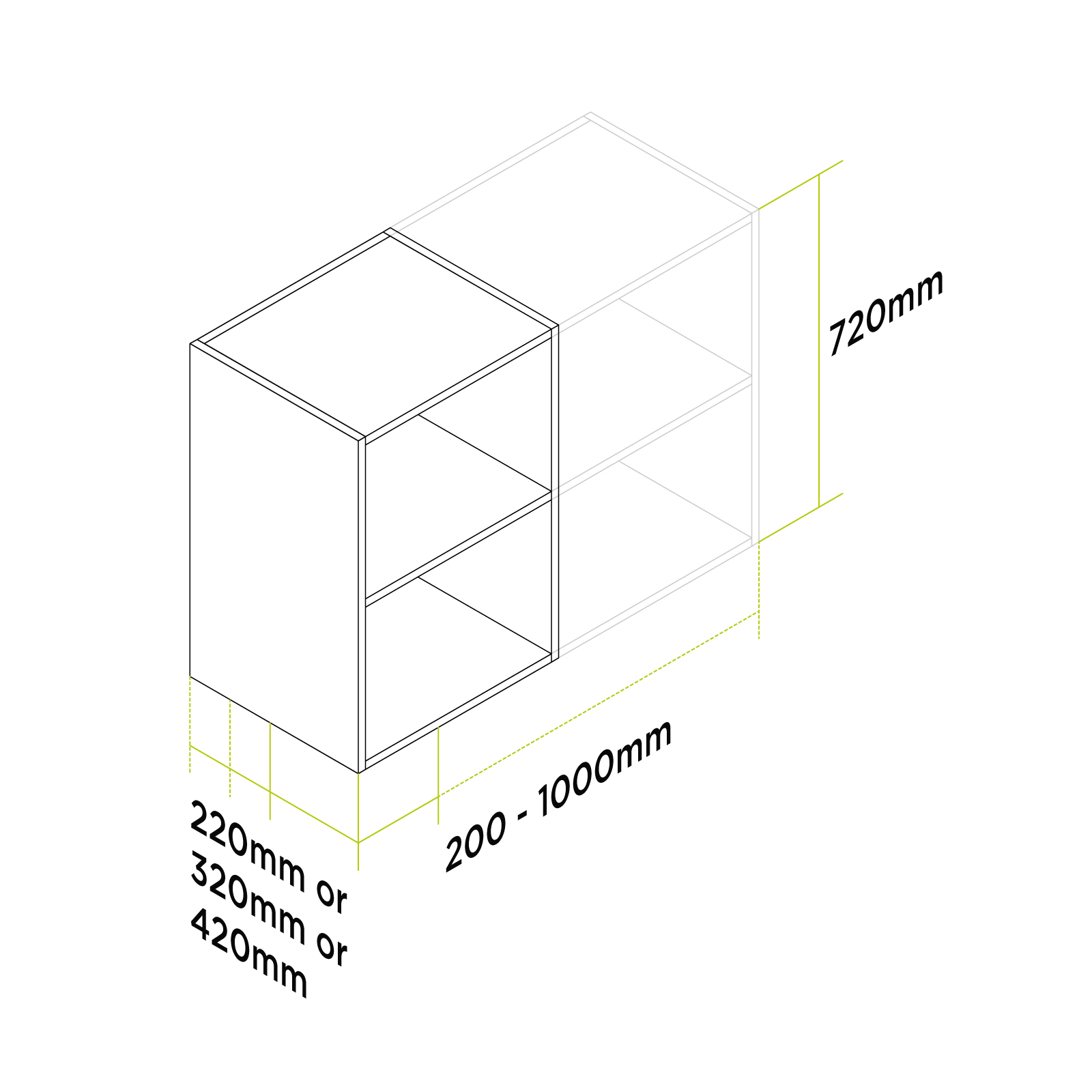
Wall cabinets usually range from 12 to 42 inches in height. The most common heights are 30, 36, and 42 inches. The width varies between 9 and 48 inches. Depth is typically 12 inches but can change based on design.
- 30 inches – standard height for most kitchens
- 36 inches – used for kitchens with higher ceilings
- 42 inches – for tall ceilings or extra storage
Choosing a taller cabinet increases storage but may require a step stool. Shorter cabinets suit smaller kitchens or lower ceilings.
Base Cabinet Height Basics
Base cabinets usually stand 34.5 inches tall without countertops. Adding a countertop raises total height to about 36 inches. This height fits most kitchen tasks comfortably. Depth for base cabinets is around 24 inches. Width varies widely to fit different kitchen layouts.
- 34.5 inches – cabinet height without countertop
- 36 inches – total height with countertop
- 24 inches – standard depth
Standard base cabinet height helps maintain a consistent counter height. It improves kitchen workflow and comfort.
Ideal Distance Between Counters And Cabinets
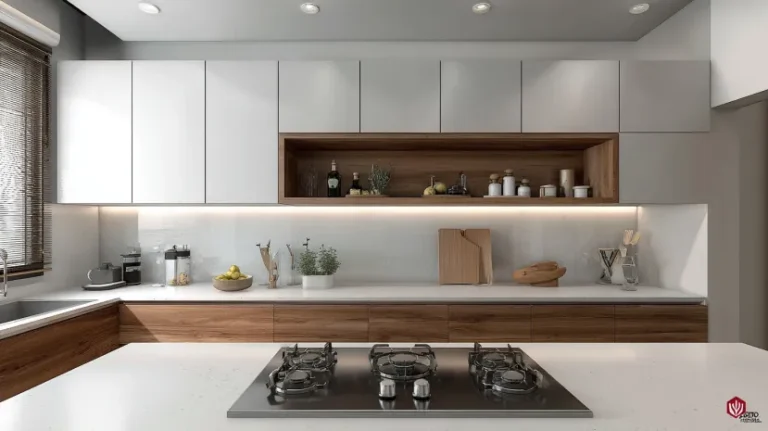
Finding the ideal distance between kitchen counters and wall cabinets is key for a functional kitchen. The right spacing ensures easy reach, good lighting, and enough room for cooking tasks. It also helps keep the kitchen safe and comfortable to use.
Measuring The Space
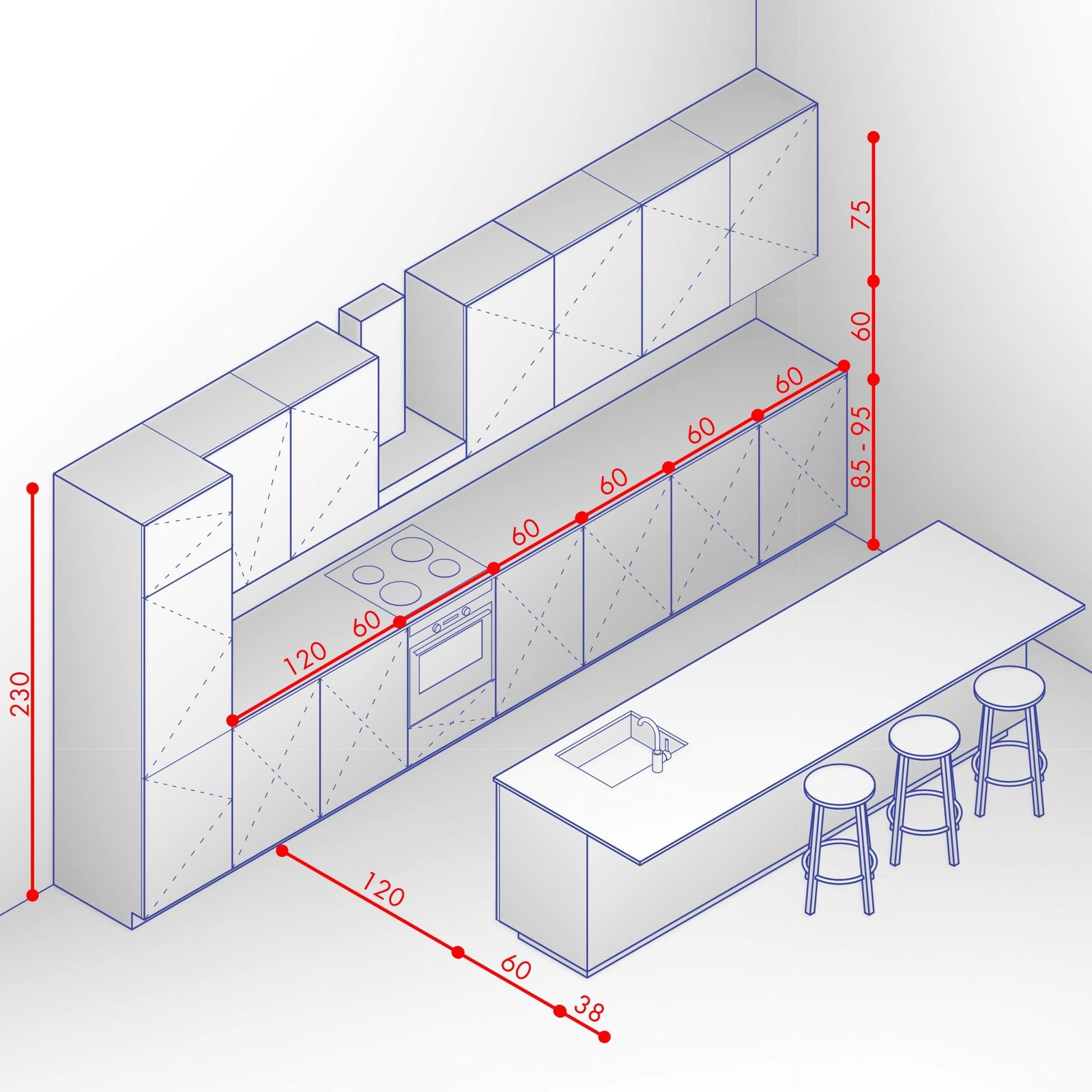
Measure from the top of the countertop to the bottom of the wall cabinet. The common distance is between 18 and 20 inches. This range fits most kitchens and allows for appliances like toasters or coffee makers. Adjust the space if you have taller items or special needs.
Use a tape measure to check the height carefully. Mark the measurement on the wall before installing the cabinets. This helps avoid mistakes and keeps the kitchen design balanced.
Ergonomic Considerations
Think about comfort when deciding the height. Cabinets placed too low can hit your head or block workspace. Cabinets too high make it hard to reach items. The ideal space helps reduce strain on your back and shoulders.
Consider the height of the main users. For shorter people, lower cabinets work better. Taller users may prefer a bit more space. This small change makes daily cooking easier and safer.
Adjusting Heights For Different Ceiling Types
Adjusting the height of kitchen wall cabinets depends on the ceiling type. Different ceilings need different approaches to keep the kitchen looking balanced and functional. Proper height ensures easy access and a clean visual flow in the space.
Low Ceilings
For low ceilings, keep cabinets close to the ceiling to maximize storage. Standard cabinet height is usually 30 to 36 inches, but you can install taller cabinets up to the ceiling. This avoids wasted space above cabinets and makes the kitchen feel less cramped.
Here are some tips for low ceilings:
- Choose cabinets that fit the ceiling height exactly.
- Use recessed lighting below cabinets to add brightness.
- Keep cabinet colors light to open up the space visually.
Vaulted Ceilings
Vaulted ceilings add height and openness, offering more design freedom. Cabinets can be taller or stacked for extra storage. This style allows creative layouts and makes the kitchen feel grand.
Consider these points for vaulted ceilings:
- Stack cabinets or add open shelves above standard cabinets.
- Use taller cabinets, up to 42 inches or more.
- Balance cabinet height with ceiling slope to keep harmony.
Credit: www.2pacific.com
Customizing Cabinet Placement
Customizing the placement of kitchen wall cabinets is essential for a functional and stylish kitchen. Proper positioning affects usability and overall kitchen flow. Adjusting cabinet height allows you to fit appliances and design details perfectly. Thoughtful customization can make daily tasks easier and enhance your kitchen’s look.
Considering Appliance Heights
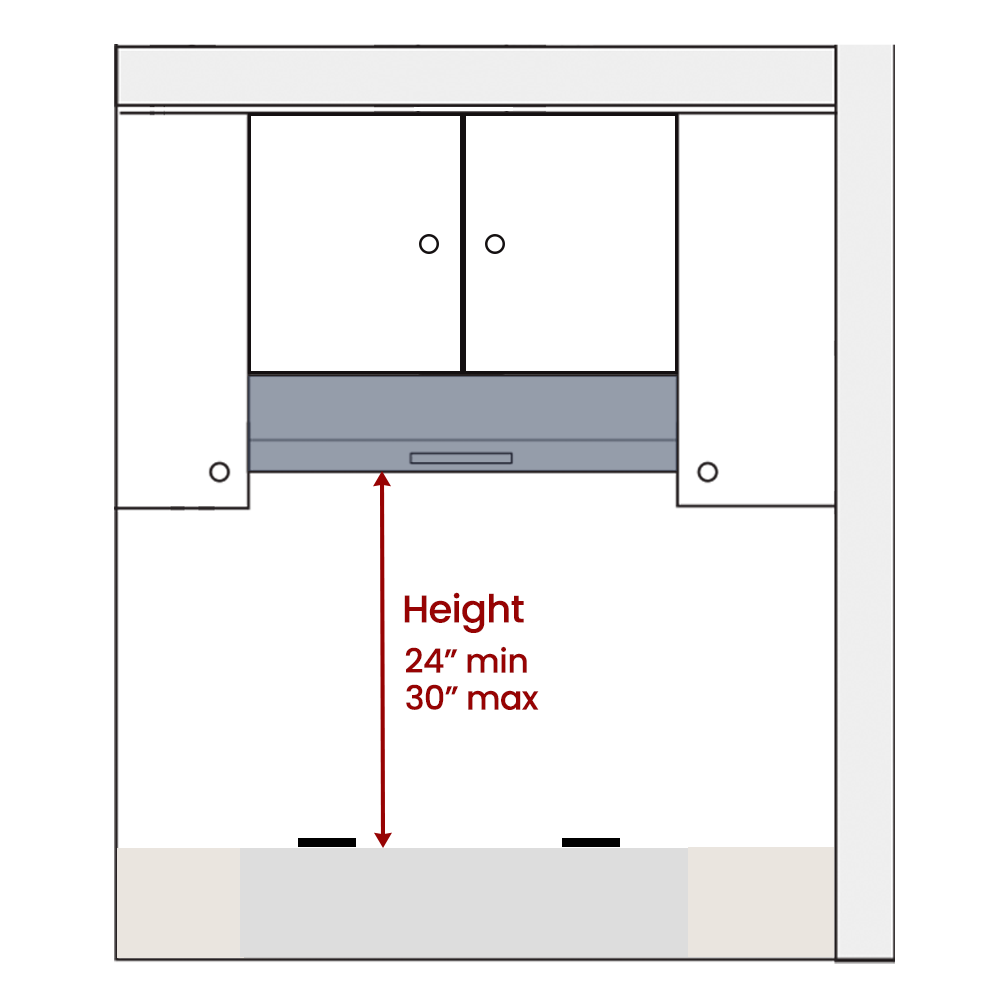
Appliance height impacts where to place cabinets above them. Measure the tallest appliance, like a refrigerator or oven. Leave enough space for ventilation and easy access. Avoid crowding or blocking controls. Adjust cabinet height to create a balanced and practical layout.
Accommodating Backsplashes
Backsplashes add style and protect walls from spills. Consider backsplash height when setting cabinet placement. Leave enough space between countertop and cabinets for the backsplash design. Standard backsplash heights vary but usually range from 15 to 18 inches. Custom spacing ensures a clean, finished look and easy maintenance.
Safety And Accessibility Tips
Safety and accessibility should always guide your choices when installing kitchen wall cabinets. Proper height placement prevents accidents and ensures everyone in your home can use the space comfortably. Let’s look at practical tips that help you reach cabinets safely and accommodate varying accessibility needs.
Reaching Cabinets Safely
Think about how often you reach for items in high cabinets. Using a sturdy step stool or a small ladder can make a big difference. It’s safer than stretching or standing on unstable surfaces like chairs.
Keep frequently used items within easy reach to reduce risk. For example, store everyday dishes and spices in lower cabinets or the bottom shelves of wall cabinets.
Also, consider installing pull-down shelves or lazy Susans. These tools bring items closer to you without the need to climb or stretch.
Height For Accessibility Needs
Not everyone has the same reach or mobility. If you or someone in your household uses a wheelchair or has limited mobility, cabinet heights must reflect those needs.
Wall cabinets installed between 48 to 52 inches from the floor work well for accessibility. This height allows easier access without excessive bending or stretching.
Think about adjustable-height cabinets or open shelving options. These can be customized to fit your unique space and make your kitchen more welcoming for everyone.

Credit: www.create-enjoy.com
Design Trends Impacting Cabinet Height
Kitchen wall cabinet height is changing with modern design trends. Designers and homeowners want cabinets that fit their space and style well. These trends affect how tall cabinets are and how they work in the kitchen.
Many people want more storage without making the kitchen feel crowded. Others prefer open spaces to keep kitchens looking light and airy. These ideas shape the height and type of wall cabinets used today.
Tall Cabinets For Storage
Tall kitchen wall cabinets provide extra storage. They often reach the ceiling, using all available space. This helps keep kitchens tidy by storing rarely used items up high.
These cabinets reduce clutter on counters and shelves. They also create a sleek, modern look with clean lines. Tall cabinets work well in small kitchens needing more storage.
Open Shelving Alternatives
Open shelves are a popular alternative to tall cabinets. They make kitchens look bigger and brighter. Open shelving encourages displaying attractive dishes and glassware.
These shelves usually sit lower than traditional cabinets. This keeps the space open and easy to reach. Open shelving suits casual kitchen styles and adds personality.
Installation Tips From Experts
Installing kitchen wall cabinets correctly ensures a smooth look and long-lasting use. Experts recommend paying close attention to leveling and spacing. These details keep cabinets aligned and functional. Using the right tools and materials also makes the job easier and safer.
Leveling And Spacing
Start by finding the highest point on the wall. Mark a straight, level line across the wall for cabinet placement. This line guides the cabinet installation and prevents slanting.
Keep consistent spacing between cabinets to avoid gaps or crowding. Use shims to adjust uneven walls or floors. Check the level frequently during installation. Even small errors can affect the final look and door operation.
Tools And Materials Needed
- Level – ensures cabinets are straight horizontally and vertically
- Stud finder – locates wall studs for secure mounting
- Measuring tape – measures height and spacing accurately
- Drill and screws – for fastening cabinets to the wall
- Shims – helps adjust cabinets on uneven surfaces
- Pencil – for marking guidelines and measurements
- Clamps – holds cabinets in place during installation
Having these tools ready speeds up the process. It also helps avoid mistakes that cause repairs later. Use quality screws and anchors suited for your wall type. This ensures cabinets stay firmly in place over time.
Credit: kaboodle.com.au
Frequently Asked Questions
What Is The Standard Height For Kitchen Wall Cabinets?
The standard height for kitchen wall cabinets is usually 30 inches. However, they can range from 12 to 42 inches depending on ceiling height and design preferences. This allows for optimal storage and easy access.
How High Should Kitchen Cabinets Be From The Countertop?
Kitchen wall cabinets are typically installed 18 inches above the countertop. This gap provides enough workspace and keeps cabinets within easy reach. Adjustments may be made for custom designs or specific user needs.
Can Kitchen Wall Cabinet Height Vary With Ceiling Height?
Yes, cabinet height often varies based on ceiling height. For standard 8-foot ceilings, 30-inch cabinets are common. Taller ceilings may accommodate 36 to 42-inch cabinets, maximizing storage and aesthetics.
Why Is Cabinet Height Important In Kitchen Design?
Cabinet height impacts kitchen functionality and appearance. Proper height ensures ease of use, maximizes storage, and complements room proportions. It also affects lighting and appliance placement.
Conclusion
Choosing the right height for kitchen wall cabinets matters a lot. It helps keep your kitchen neat and easy to use. Most cabinets fit well between 18 and 24 inches above the countertop. This space allows enough room for appliances and work areas.
Remember, your kitchen size and needs can change this standard. Always measure carefully before buying or installing. This way, your kitchen will look good and work well every day. Simple steps like these make cooking and cleaning easier. Keep comfort and function in mind for the best results.