

Are you tired of your wine bottles lying around without a proper place? Imagine having a stylish, custom-built wine rack that fits perfectly in your space and shows off your collection.
Building your own wine rack isn’t as hard as you might think. In this guide, you’ll discover simple steps to create a functional and beautiful wine rack that suits your style and needs. Keep reading, and by the end, you’ll have the confidence and know-how to build a wine rack you’ll be proud of.

Credit: www.ryobitools.com
Choosing The Right Materials
Choosing the right materials is key to building a sturdy and attractive wine rack. The materials affect the rack’s look, strength, and durability. Selecting quality wood and tools helps make the project easier and ensures a lasting result.
Consider the environment where the wine rack will sit. Some woods resist moisture better, while others offer a classic look. The right tools and supplies also save time and improve the rack’s finish.
Types Of Wood
- Pine:Affordable and easy to work with. Light color and soft texture.
- Oak:Strong and durable. Has a rich grain and classic look.
- Cherry:Smooth finish and warm reddish tone. Ages beautifully.
- Maple:Hard and dense. Light color with a fine grain.
- Walnut:Dark and elegant. Strong but can be expensive.
Choose wood that suits your style and budget. Check for smoothness and no cracks.
Tools Needed
- Measuring tape for precise cuts.
- Saw (hand saw or power saw) for cutting wood.
- Drill for making holes and screwing parts.
- Screwdriver to secure screws tightly.
- Sandpaper or electric sander for smooth surfaces.
- Clamps to hold wood pieces during assembly.
Additional Supplies
- Screws or nails to join wood pieces.
- Wood glue for added strength.
- Wood stain or paint to finish and protect.
- Brushes or rags for applying finish.
- Protective gear like gloves and safety glasses.
Planning Your Wine Rack
Planning your wine rack is the first step toward a successful build. It helps organize your ideas and ensures the final product fits your needs and space. Thoughtful planning saves time and materials while creating a functional and attractive rack.
Determining Size And Capacity
Decide how many bottles you want to store. Consider your current collection and future additions. Measure the space where the rack will go. Allow extra room for easy bottle access and ventilation. Remember, a compact rack suits small spaces, while larger racks fit better in open areas.
Design Styles
Choose a style that matches your home décor. Classic racks use straight lines and wood tones. Modern designs often include metal or geometric shapes. Rustic racks highlight natural wood and rough finishes. Think about the atmosphere you want to create with your rack.
Sketching Your Layout
Draw your wine rack plan on paper or use design software. Include dimensions, bottle slots, and shelving details. Sketching helps spot design flaws early. It also guides you during the building process. Keep the layout simple to avoid construction challenges.
Cutting The Wood Pieces
Cutting the wood pieces is a crucial part of building your wine rack. Precise cuts ensure all parts fit together snugly, giving your rack a professional look and sturdy feel. It’s easy to underestimate how important this step is, but spending time here saves frustration later.
Measuring And Marking
Start by measuring each piece carefully. Use a reliable tape measure and double-check your numbers before marking the wood. Even a small mistake can throw off the entire structure.
Mark the lines clearly with a pencil or a fine marker. I always mark both sides of the wood to keep my cuts accurate. You might want to use a square tool to ensure your lines are perfectly straight and at the correct angles.
Safe Cutting Techniques
Safety should always come first when cutting wood. Always wear safety glasses and ear protection to guard against flying debris and loud noise. Keep your fingers well away from the blade and use push sticks for small pieces.
Use a sharp blade for cleaner cuts and less chance of the wood splintering. If you’re using a power saw, steady your workpiece with clamps to prevent movement. Think about your cutting speed—too fast can cause mistakes, too slow can burn the wood.
Organizing Pieces
After cutting, organize your pieces by size and shape. This helps you quickly find the right parts during assembly and prevents confusion. Labeling the pieces with a simple code or number saves time and reduces errors.
Lay them out on a clean surface, grouping similar parts together. I found that organizing before assembly made the whole process smoother and less stressful. How could better organization improve your next project?
Assembling The Frame
Building your wine rack frame is where the project starts to take shape. This phase requires precision and care to ensure your rack holds steady under the weight of your bottles. Paying attention to how you join the pieces will save you time and frustration down the line.
Joining Techniques
Choosing the right way to connect your wood pieces affects the strength and appearance of your rack. You can use wood glue combined with nails or screws for quick and solid joints. Pocket holes create clean connections without visible hardware, which is great if you want a sleek look.
Try dry-fitting your pieces first to check alignment before adding glue. This helps avoid mistakes and ensures everything fits perfectly. Have you considered which joining method matches your skill level and the tools you have?
Ensuring Stability
Stability is key for a wine rack since it holds valuable bottles. Reinforce corners with corner blocks or additional cross braces to prevent wobbling. The frame should feel rigid when you gently shake it; if not, add support where it feels weak.
Think about the surface your rack will stand on. Uneven floors can cause instability, so adjustable feet or a sturdy base can make a big difference. How confident are you that your frame will stay steady over time?
Using Clamps
Clamps are your best friends when assembling the frame. They hold parts firmly in place while the glue dries, ensuring tight joints without gaps. Use different sizes of clamps to reach all corners and edges effectively.
Don’t rush removing clamps; give the glue enough time to set for a strong bond. If you don’t have clamps, heavy objects can work temporarily, but they don’t replace proper clamping. What’s your strategy for keeping everything aligned as you work?
Adding Wine Holders
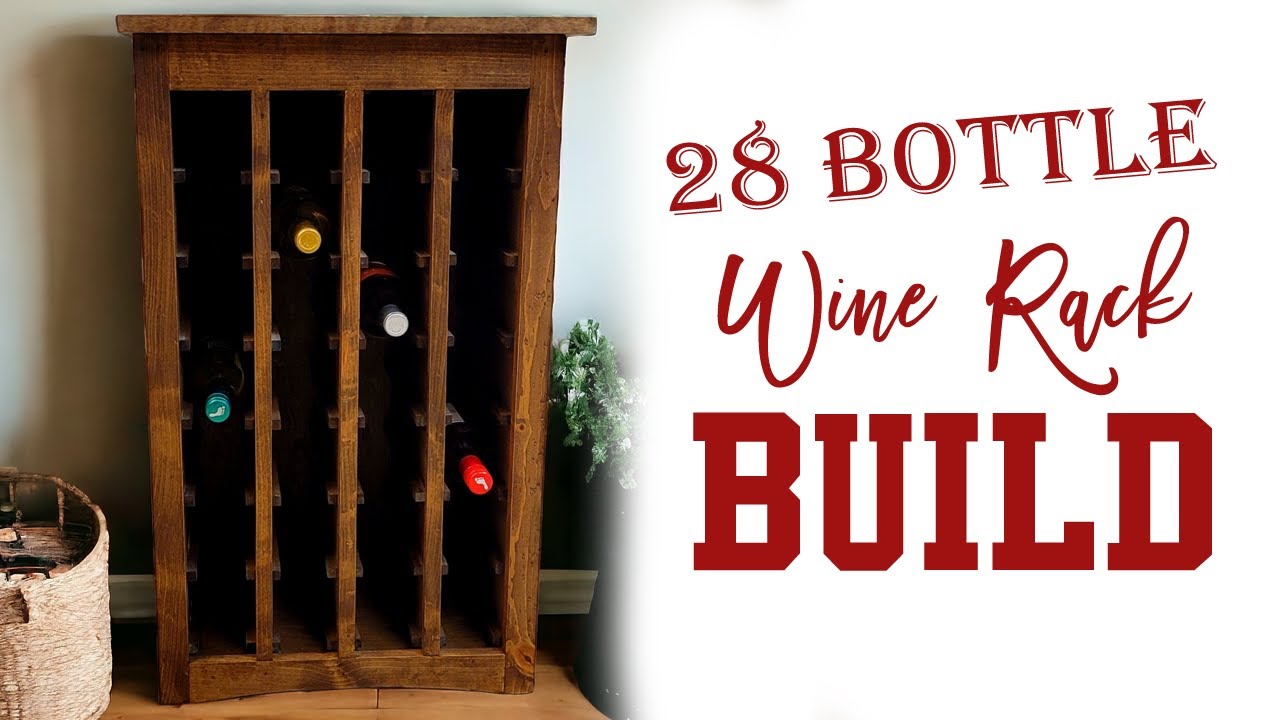
Adding wine holders is a crucial part of building a wine rack that not only looks good but also keeps your bottles safe and organized. Whether you prefer a sleek modern design or a rustic style, the way you create and secure the holders will affect both the functionality and durability of your rack.
Creating Slots Or Compartments
Decide if you want individual slots or larger compartments for your bottles. Slots are perfect for keeping bottles separated and easy to grab.
Use a jigsaw or circular saw to cut evenly sized slots in your wood. Make sure each slot fits the size of your bottles snugly, but not too tight to avoid damage.
Compartments can be built by adding dividers inside a frame. This approach is ideal if you want to store bottles horizontally or stack them in groups.
Spacing For Bottles
Measure your bottles before setting the spacing. Standard wine bottles are about 3 inches in diameter, so leave at least 3.5 to 4 inches between each slot for easy access.
Consider the neck and base of the bottle. Some bottles have wider bases or longer necks, so adjust your spacing accordingly.
Think about how many bottles you want to store and balance spacing with the overall size of your rack. Too tight, and it’s hard to remove bottles; too loose, and the rack looks messy.
Securing Holders
Use wood glue and screws to firmly attach the holders to the frame. Glue adds strength, while screws provide extra support, especially if the rack will hold many bottles.
Clamp pieces together while the glue dries to ensure tight joins. Loose holders can cause bottles to slip or the rack to wobble.
Test each holder by placing a bottle in it before finishing your rack. This simple step can save you from surprises later on.

Credit: www.familyhandyman.com
Sanding And Finishing
Sanding and finishing are crucial steps in building a wine rack that looks professional and lasts long. Proper sanding smooths the wood and prepares it for a beautiful finish. Finishing not only enhances the appearance but also protects the wood from moisture and wear.
Sanding Tips
Start sanding with a medium-grit sandpaper, like 120 grit, to remove rough edges and any imperfections. Move in the direction of the wood grain to avoid scratches that stand out later.
After the initial sanding, switch to a finer grit, such as 220, for a smooth surface. Don’t rush; spending time here makes a big difference in how the stain or paint will look.
Remember to sand all surfaces, including corners and edges. Using a sanding block or sponge can help maintain even pressure and prevent uneven spots.
Applying Stain Or Paint
Choose a stain or paint color that matches your décor and complements the wood type. Test it on a scrap piece of wood to see how the color develops after drying.
Apply stain or paint evenly using a brush or cloth, working along the grain. Multiple thin coats are better than one thick one, reducing drips and blotches.
Let each coat dry completely before adding another. This patience will help you achieve a rich, even finish that highlights your craftsmanship.
Sealing For Protection
Sealing your wine rack is essential to protect it from spills, humidity, and everyday wear. A clear polyurethane or varnish provides a durable shield.
Apply the sealer with a clean brush, following the wood grain. Multiple coats offer better protection, but be sure to lightly sand between coats for smoothness.
Think about where your wine rack will be placed—if it’s near a kitchen or bar, sealing becomes even more important to prevent damage from moisture and stains.
Installing And Displaying
Installing and displaying a wine rack enhances both storage and style. A well-placed rack keeps bottles safe and easy to reach. Show off your collection with smart mounting and neat organization. Proper care ensures your rack stays beautiful and functional for years.
Placement Ideas
Choose a cool, dry spot away from direct sunlight. Consider areas like dining rooms, kitchens, or basements. Use corners or empty wall spaces to save room. A central location makes bottles easy to access during gatherings. Keep the rack away from heat sources and vibrations.
Mounting Options
- Wall-mounted racks create a modern, space-saving look.
- Freestanding racks offer flexibility and can be moved.
- Built-in racks blend seamlessly with cabinets or shelves.
- Countertop racks suit smaller collections and quick use.
Use strong anchors and screws for secure mounting. Check the weight capacity before installation. Proper mounting avoids accidents and protects your bottles.
Maintaining Your Wine Rack
Dust the rack regularly with a soft cloth. Avoid harsh chemicals that damage wood or metal. Check for loose screws or joints and tighten them. Keep the rack dry to prevent mold or rust. Rotate bottles occasionally to keep labels visible and even out aging.
Credit: m.youtube.com
Frequently Asked Questions
How Do I Build A Simple Wine Rack At Home?
To build a simple wine rack, use wooden planks and screws. Measure and cut wood to size, assemble with screws, and sand edges. Finish with paint or stain for durability. This DIY project is cost-effective and customizable for any space.
What Materials Are Best For A Sturdy Wine Rack?
Solid wood like pine or oak is ideal for sturdy wine racks. These materials support weight well and look attractive. Avoid softwoods that may warp. Use quality screws and wood glue to ensure durability and long-lasting structure.
How Much Space Do I Need For A Wine Rack?
Allow at least 4 inches height and 3. 5 inches width per bottle slot. Leave extra space for airflow and easy bottle access. Measure your available area before building to ensure the rack fits perfectly in your home.
Can I Customize Wine Racks For Different Bottle Sizes?
Yes, customize slots by adjusting width and height measurements. Larger slots fit magnums, smaller ones standard bottles. Consider removable dividers or adjustable shelves for versatile storage. Custom racks maximize space and accommodate various bottle shapes.
Conclusion
Building a wine rack can be a fun and rewarding project. It adds style and function to any space. With basic tools and materials, anyone can create one. Follow clear steps for cutting, assembling, and finishing. Choose the design that fits your needs and space best.
Enjoy displaying your wine collection safely and neatly. This simple project boosts your home’s charm and organization. Give it a try and see how satisfying DIY can be.

Ethan Cole is a kitchen innovation enthusiast and food technology writer at DiningGadgets.com. With over 8 years of experience reviewing cookware, smart kitchen tools, and design trends, he helps readers discover gadgets that make cooking easier and dining more enjoyable. When he’s not testing the latest kitchen appliances, Ethan enjoys experimenting with recipes and sharing practical tips for modern homes.