

Have you ever found yourself yawning after a glass of wine, wondering why it makes you so sleepy? You’re not alone.
Many people experience this drowsy effect and are curious about the reasons behind it. This article will uncover the science and myths surrounding wine and its sleepy side effects. By the end, you’ll discover why your favorite drink might be the culprit behind your early bedtime.
Stick around to find out how wine interacts with your body and what you can do about it. Whether you’re a wine enthusiast or just curious, this article is for you. Dive in to learn more about the surprising relationship between wine and your sleep patterns.
Why Wine Causes Sleepiness
Wine often makes people feel sleepy soon after drinking. This happens because of how wine affects the body and brain. Understanding why wine causes sleepiness helps us know what to expect after a glass or two. The main reasons involve alcohol’s effects and changes in brain chemistry.
Alcohol’s Sedative Effect
Alcohol in wine acts as a sedative. It slows down the central nervous system. This causes muscles to relax and the body to feel calm. The feeling of drowsiness comes from this calming effect. Drinking wine lowers heart rate and breathing. These changes make the body ready for sleep.
Impact On Brain Chemistry
Wine changes brain chemicals that control sleep. It increases the activity of GABA, a brain chemical that promotes relaxation. At the same time, it lowers glutamate, which usually keeps the brain alert. This chemical shift makes it easier to fall asleep. However, alcohol can disrupt deep sleep stages later in the night.
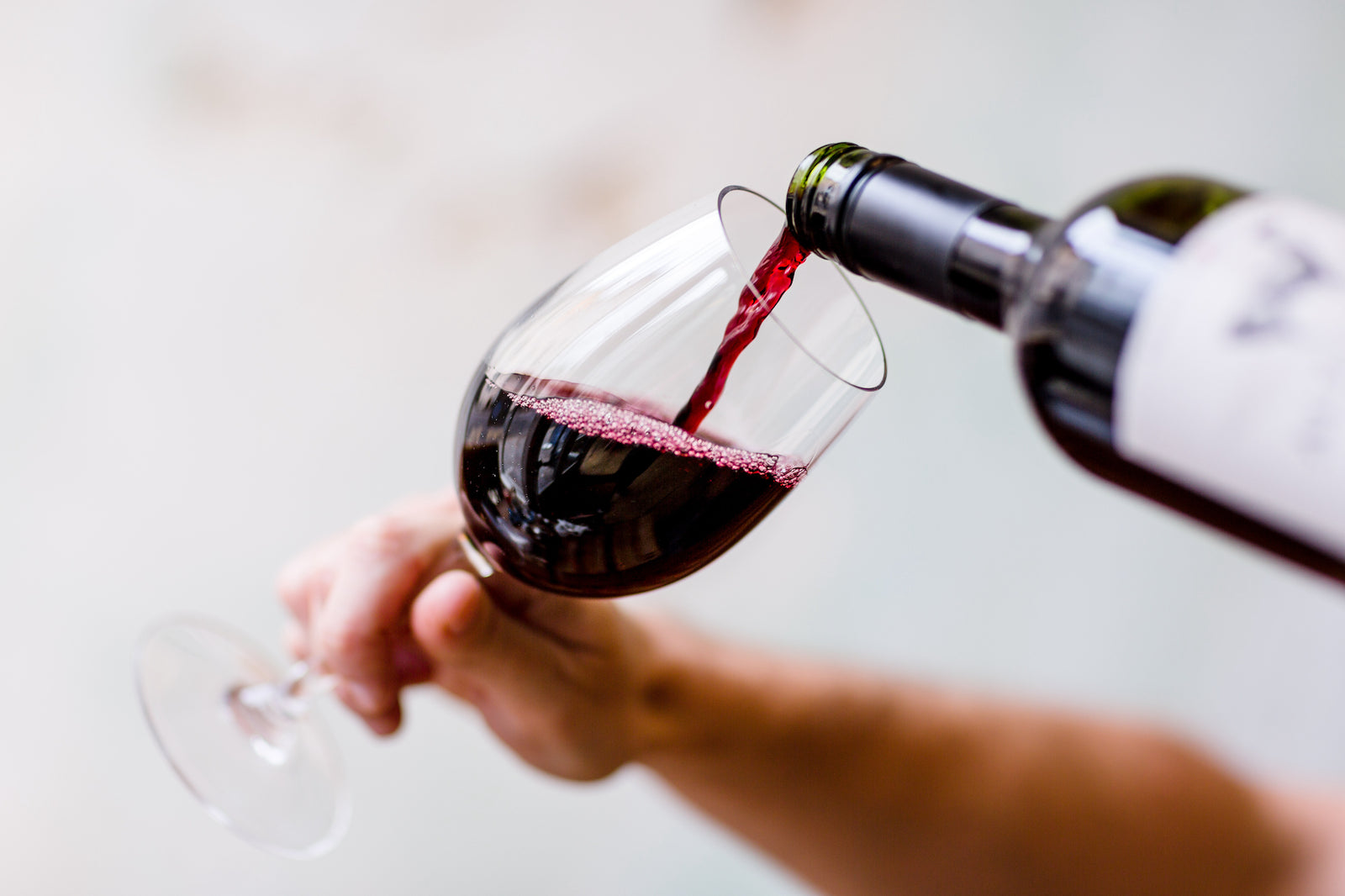
Credit: swolverine.com
Role Of Histamines And Sulfites
Histamines and sulfites are two key components in wine that can influence how sleepy or tired you feel after drinking. Both are naturally present or added during the winemaking process. Understanding their roles can help you figure out why a glass of wine might be making you drowsy or causing other reactions.
Histamines In Wine
Histamines are chemicals produced during fermentation, especially in red wine. They can cause headaches, flushing, and sometimes a feeling of fatigue. If you notice you get sleepy or uncomfortable after a glass, histamines might be the reason.
Some people have low levels of the enzyme that breaks down histamines, which means these compounds build up in their bodies. This buildup can lead to symptoms like dizziness or tiredness. Have you ever felt unusually tired after just one or two sips? Histamines might be at play.
Sulfites And Allergic Reactions
Sulfites are preservatives added to wine to prevent spoilage and oxidation. While they keep the wine fresh, they can trigger allergic reactions in sensitive individuals. Symptoms can include sneezing, itching, and in some cases, fatigue.
Not everyone reacts to sulfites, but if you notice sleepiness or discomfort after drinking wine, consider trying sulfite-free options. These wines may be labeled as “organic” or “natural.” Do you pay attention to sulfite content on wine labels? It might be worth checking.
Sugar Content And Blood Sugar Levels
Understanding the relationship between sugar content in wine and your blood sugar levels can explain why wine sometimes makes you feel sleepy. The sugar in wine doesn’t just add sweetness; it also influences how your body reacts after drinking. This reaction can lead to fluctuations in your energy and alertness, affecting your overall experience with wine.
Sugar In Different Wine Types
Not all wines have the same sugar content. Dry wines usually contain less sugar, often under 1 gram per glass, while sweet wines can have up to 20 grams or more. Here’s a quick look at typical sugar ranges:
| Wine Type | Sugar Content (grams per 5 oz) |
|---|---|
| Dry Red Wine | 0.5 – 1 |
| Dry White Wine | 0.5 – 2 |
| Semi-Sweet Wine | 5 – 12 |
| Sweet Dessert Wine | 15 – 20+ |
If you’ve ever felt more tired after a glass of sweet wine compared to a dry one, the sugar content is a likely reason. Your body processes that sugar, impacting your blood sugar levels and energy.
Blood Sugar Fluctuations
When you drink wine with higher sugar content, your blood sugar rises quickly. This spike triggers your pancreas to release insulin, which lowers your blood sugar. Sometimes, this drop can be sharp, making you feel sleepy or sluggish.
Imagine your blood sugar as a rollercoaster. After the initial climb, the steep drop can hit hard, especially if you drink on an empty stomach. Have you noticed feeling tired or even a bit dizzy after wine? That could be your blood sugar reacting.
To manage these fluctuations, try pairing your wine with foods that slow sugar absorption, like cheese or nuts. This can help keep your energy steadier and reduce that sleepy feeling.

Credit: www.apothekary.com
Individual Sensitivities
People react differently to wine. Some feel relaxed and sleepy after a glass. Others stay alert. These differences come from individual sensitivities. Understanding these sensitivities helps explain why wine can make some people sleepy.
Genetic Factors
Genes affect how the body processes alcohol. Some people have enzymes that break down alcohol quickly. Others have slower enzymes. Slow processing means alcohol stays longer in the body, causing drowsiness.
Genetic makeup also affects brain response. It changes how alcohol impacts neurotransmitters. This difference can make some people feel more tired after drinking wine.
Tolerance Levels
Tolerance grows with regular drinking. People who drink often may not feel sleepy from wine. Their bodies adjust to alcohol’s effects.
Those who drink rarely usually feel stronger effects. Even small amounts of wine can cause sleepiness. Tolerance varies from person to person. Age, weight, and health also play roles.
Interaction With Medications
Wine can make you sleepy due to its alcohol content. Alcohol affects the central nervous system, causing drowsiness and slowing brain activity. This effect can change when combined with certain medications. Understanding how wine interacts with drugs is important for your safety and health.
Common Drug Interactions
Alcohol can increase the effects of many medications. Some drugs cause sleepiness on their own. When mixed with wine, this sleepiness can become stronger. Common medications that interact with wine include:
- Sleep aids and sedatives
- Antidepressants and anti-anxiety drugs
- Blood pressure medications
- Antihistamines for allergies
- Painkillers, especially opioids
Mixing wine with these drugs can cause dizziness, confusion, or extreme tiredness. It may also reduce how well the medicine works or increase side effects.
Consulting Healthcare Providers
Always talk to a doctor or pharmacist before drinking wine with medications. They know how your medicine works and its risks with alcohol. Share your full list of medicines for accurate advice. They can guide you on safe limits or if you should avoid wine.
Never guess or rely on past experience. Each person reacts differently to alcohol and drugs. Getting professional advice helps prevent dangerous side effects and keeps you safe.
Tips To Avoid Drowsiness After Wine
Feeling sleepy after drinking wine is common. The alcohol and natural compounds in wine can make your body relax too much. This can cause drowsiness, even if you want to stay awake. Simple changes can help you enjoy wine without feeling tired.
These tips focus on how to choose wine and manage your drinking habits. They help keep your energy up and avoid unwanted sleepiness.
Choosing The Right Wine
Some wines have more alcohol or sugar, which can increase tiredness. Dry wines usually have less sugar than sweet wines. Lower alcohol content also helps you stay alert longer.
- Pick dry white or red wines with lower alcohol levels.
- Avoid dessert wines or very sweet options.
- Try wines labeled as “light” or “low alcohol.”
Moderation And Hydration
Drinking wine slowly helps your body process alcohol better. Drinking too fast or too much causes quicker drowsiness. Drinking water alongside wine keeps you hydrated and less tired.
- Limit wine intake to one or two glasses per sitting.
- Drink a glass of water after each glass of wine.
- Take breaks between drinks to stay refreshed.

Credit: mpowerwellness.com
Frequently Asked Questions
Why Does Wine Make Me Feel Sleepy Quickly?
Wine contains alcohol, a natural sedative that slows brain activity. This causes relaxation and drowsiness shortly after drinking. Additionally, compounds like histamines in wine can enhance tiredness, making you feel sleepy faster than other drinks.
How Does Alcohol In Wine Affect Sleep Quality?
Alcohol in wine initially helps you fall asleep faster but reduces sleep quality. It disrupts REM sleep, causing frequent awakenings and less restorative rest. This leads to feeling tired and groggy the next day despite early sleep onset.
Can The Type Of Wine Influence Sleepiness Levels?
Yes, red wine often causes more sleepiness due to higher histamine and tannin levels. White wine generally has fewer sleep-inducing compounds but still contains alcohol, which promotes drowsiness in all types.
Is It Safe To Use Wine As A Sleep Aid?
Using wine to fall asleep is not recommended. Alcohol disrupts natural sleep cycles and can cause dependency. It’s better to adopt healthy sleep habits than rely on wine for sleep.
Conclusion
Wine can make you feel sleepy due to alcohol’s effect on the brain. It slows down the nervous system, making you relaxed and drowsy. Drinking wine in small amounts may help you unwind before bed. But too much can disturb your sleep quality.
Always drink responsibly and know your limits. Sleep well and enjoy your wine safely.

Ethan Cole is a kitchen innovation enthusiast and food technology writer at DiningGadgets.com. With over 8 years of experience reviewing cookware, smart kitchen tools, and design trends, he helps readers discover gadgets that make cooking easier and dining more enjoyable. When he’s not testing the latest kitchen appliances, Ethan enjoys experimenting with recipes and sharing practical tips for modern homes.