

Have you ever wondered what it’s like to create your own wine right in your kitchen? Wine making at home can be a fun and rewarding experience, even if you’re a complete beginner.
Imagine tasting a glass of wine that you crafted yourself, knowing every step that went into it. This guide will show you simple, clear steps to start making wine at home with confidence. By the end, you’ll feel ready to turn fresh grapes or fruit into your very own delicious wine.
Ready to discover how easy and enjoyable it can be? Keep reading, and let’s get started!
Choosing The Right Ingredients
Choosing the right ingredients is the foundation of making delicious wine at home. Your choice influences flavor, aroma, and the overall quality of the final product. Paying attention to what goes into your batch will save you frustration and elevate your winemaking experience.
Selecting Quality Grapes
Start by picking grapes that are ripe and free from mold or damage. Freshness matters because off-quality grapes can ruin the taste and introduce unwanted bacteria.
Look for grapes with a balanced sweetness and acidity. If you can, taste a few before buying to get a sense of their flavor profile.
Local vineyards or farmers markets can be great sources. Remember, wine grapes differ from table grapes—they have thicker skins and more intense flavors.
Alternative Fruit Options
If grapes aren’t available, you can experiment with other fruits like apples, pears, or berries. These fruits each bring unique tastes and challenges to the process.
Consider the sugar content of the fruit; it affects how alcoholic your wine will be. You might need to add sugar or adjust fermentation times based on the fruit you choose.
Have you ever tried making berry wine? It’s a fun way to create flavors you won’t find in traditional grape wines and can be a great conversation starter.
Essential Equipment
Good ingredients need the right tools. Start with basics like a fermenting container, airlock, and a siphon tube.
You’ll also need a hydrometer to measure sugar levels and help track fermentation progress. This small investment can prevent many common mistakes.
Don’t forget sanitation supplies—cleanliness ensures your wine doesn’t get spoiled by unwanted microbes. Taking the time to sterilize your equipment is worth it every time.

Credit: www.youtube.com
Preparing For Fermentation
Preparing for fermentation is a crucial stage in home winemaking. It sets the foundation for a successful batch and affects the quality of your wine. Paying attention to every detail here can save you from common pitfalls and improve the final taste.
Cleaning And Sanitizing
Cleanliness is non-negotiable in winemaking. Any leftover residue or bacteria can spoil your wine during fermentation.
Use a food-safe sanitizer and clean all your equipment thoroughly—fermentation vessels, spoons, and airlocks. I once skipped sanitizing a bucket, and the batch turned sour, which taught me this lesson the hard way.
Rinse well with hot water and avoid strong detergents that leave residues. Your goal is a spotless, germ-free environment for the yeast to work.
Juice Extraction Techniques
Extracting juice from grapes or other fruit needs care to avoid crushing seeds or stems, which can add bitterness.
You can crush grapes by hand or use a manual crusher for better control. Remember, the juice you get here directly affects your wine’s flavor.
- For small batches, hand crushing works well and lets you feel the process.
- Mechanical crushers speed things up for larger quantities but require more cleanup.
- Strain the juice to remove solids that might cause off-flavors.
Have you tried pressing grapes gently to see how juice clarity changes? It’s a small step that makes a big difference.
Adding Yeast And Nutrients
Yeast is the magic that turns sugar into alcohol. Choosing the right yeast strain can influence the aroma and taste of your wine.
Before adding yeast, rehydrate it according to the instructions to boost its activity. This step ensures a strong fermentation start.
Don’t forget nutrients; they help yeast stay healthy and finish fermentation without stalling. Nutrients like diammonium phosphate (DAP) can be added, but follow dosage carefully to avoid off-flavors.
Have you noticed how some wines ferment smoothly while others get stuck? Proper yeast and nutrient management is often the reason why.
Fermentation Process
The fermentation process transforms grape juice into wine by converting sugars into alcohol. Yeast plays a key role by eating sugars and releasing alcohol and carbon dioxide. This natural process requires attention to detail to produce quality wine. Understanding fermentation helps beginners avoid mistakes and improves their results.
Temperature Control
Temperature affects how yeast works during fermentation. Too hot, and yeast may die or create off-flavors. Too cold, and fermentation slows down or stops. Ideal temperature ranges between 60°F and 75°F (15°C to 24°C). Use a thermometer to check regularly. Keep the fermenting wine in a cool, stable place. Avoid sudden temperature changes that stress yeast.
Monitoring Fermentation
Watch for bubbles in the airlock as a sign of active fermentation. Use a hydrometer to measure sugar levels in the juice. Sugar drops as yeast converts it to alcohol. Track these readings daily to know fermentation progress. Fermentation usually lasts 1 to 3 weeks. Stop fermentation by moving to the next step once sugars are low.
Dealing With Common Issues
Some problems may arise during fermentation. A stuck fermentation means yeast stops working early. Warm up the wine slightly or stir gently to restart yeast. If off-smells appear, check cleanliness and air exposure. Use clean tools and sanitize equipment before use. If mold grows, discard the batch to avoid health risks.
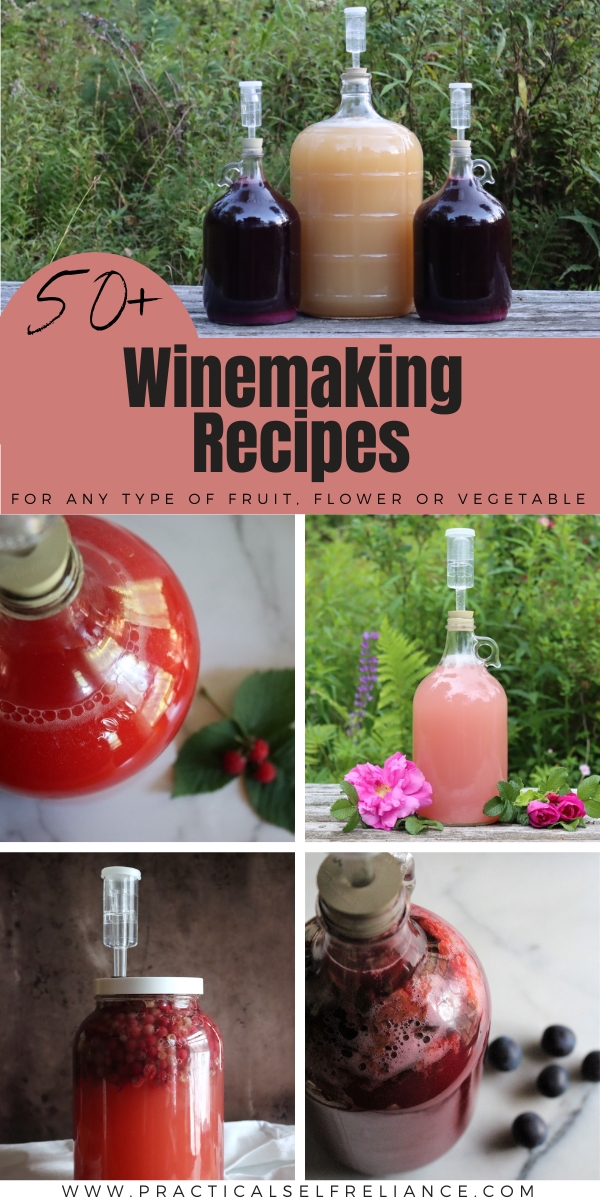
Credit: practicalselfreliance.com
Racking And Aging
Racking and aging are crucial steps in home winemaking that affect the clarity, flavor, and overall quality of your wine. As the fermentation settles, you’ll need to carefully separate your wine from the sediment. Then, patience becomes your best tool as the wine matures and develops character over time.
Transferring Wine
Transferring, or racking, means moving your wine off the sediment into a clean container. This helps prevent off-flavors caused by dead yeast and other solids. Use a siphon tube to gently move the wine without disturbing the sediment at the bottom.
Keep your equipment sanitized to avoid contamination. Don’t rush this step—slow and steady pouring keeps your wine clear and fresh. Have you noticed how even a small amount of sediment can change the taste? That’s why careful racking matters.
Choosing Aging Containers
The container you choose for aging impacts how your wine tastes and matures. Glass carboys are popular because they don’t react with the wine and are easy to clean. Alternatively, food-grade plastic buckets are lighter and less fragile but can allow a small amount of oxygen through.
Some winemakers experiment with oak barrels or chips to add flavor, but this requires more knowledge and care. Think about your storage space and how long you plan to age the wine—this will guide your choice. What container will match your winemaking goals and environment?
Ideal Aging Duration
How long you age your wine depends on the type and style you want. Most homemade wines benefit from at least 3 to 6 months of aging to develop smoothness and complexity. Red wines often improve with longer aging, sometimes up to a year or more, while whites may be ready sooner.
Check your wine regularly for taste and clarity. Trust your palate—does it taste balanced or does it need more time? Aging isn’t just waiting; it’s about watching your wine evolve and deciding the perfect moment to enjoy it.
Bottling And Storage
Bottling and storage are critical stages in home wine making. Proper care here preserves flavors and prevents spoilage. Clean bottles, tight seals, and ideal storage conditions keep your wine fresh and enjoyable. Handle each step with attention to ensure the best results.
Sanitizing Bottles
Clean bottles protect wine from bacteria and unwanted flavors. Use warm water and a mild detergent to wash them thoroughly. Rinse well to remove any soap residue.
Sanitize bottles using a solution made for winemaking or a mix of water and sulfite powder. Let the bottles soak for at least 10 minutes. Drain and air dry them without rinsing to keep the sanitizer active.
Sealing Techniques
Seal bottles tightly to avoid air entering and spoiling the wine. Corks are traditional and work well for many wines. Use a corker tool to insert corks smoothly and firmly.
Screw caps offer a good alternative. They provide a secure seal and are easy to remove. Make sure the cap fits the bottle neck perfectly to prevent leaks.
Storing Wine Properly
Store wine in a cool, dark place with stable temperature. Ideal temperature ranges from 50°F to 60°F (10°C to 15°C). Avoid direct sunlight and heat sources.
Keep bottles lying on their side to keep corks moist. This prevents air from entering the bottle. Maintain humidity around 60-70% to protect corks from drying out.
Tasting And Troubleshooting
Tasting and troubleshooting are essential parts of home winemaking. They help you understand what your wine is truly like and how to fix any issues before bottling. Learning to identify flavors and faults sharpens your skills and improves your future batches.
Evaluating Flavor Profiles
When you taste your wine, focus on the main flavors: fruitiness, acidity, sweetness, and tannins. Take small sips and let the wine coat your mouth. Notice if it’s balanced or if any flavor dominates too much.
Ask yourself questions like: Does it taste fresh or dull? Is the acidity bright or flat? Can you detect any off-flavors like bitterness or sourness? These clues guide you in understanding your wine’s character.
Keeping a tasting journal helps track changes over time. Writing down your thoughts after each tasting can reveal patterns and improvements. This practice also builds your confidence in identifying subtle notes.
Common Wine Faults
Sometimes, wine develops faults that affect its taste and aroma. Here are some common problems you might encounter:
- Oxidation:Wine tastes flat or like apple cider, often due to too much air exposure.
- Sulfur Smell:A rotten egg or burnt match smell, usually from excess sulfur dioxide.
- Brettanomyces (Brett):A barnyard or medicinal smell caused by wild yeast contamination.
- Volatile Acidity:Sharp vinegar-like smell, indicating too much acetic acid.
- Cloudiness:May suggest poor filtration or incomplete fermentation.
Identifying these faults early helps you decide if the batch is salvageable or needs adjustments. Have you noticed any unusual smells or tastes in your wine? Pinpointing faults can be easier than you think.
Improving Future Batches
Use your tasting notes and fault observations to adjust your process. If your wine tastes flat, try increasing the acidity by adding tartaric acid next time. If you detect oxidation, reduce air exposure during racking and bottling.
Consider these tips:
- Sanitize all equipment thoroughly to avoid contamination.
- Monitor fermentation temperature closely.
- Use airlocks properly to limit oxygen.
- Experiment with different yeast strains for better flavor.
Each batch teaches you something new. What small change can you make in your next batch based on your tasting experience? Embrace troubleshooting as a way to craft better wine every time.
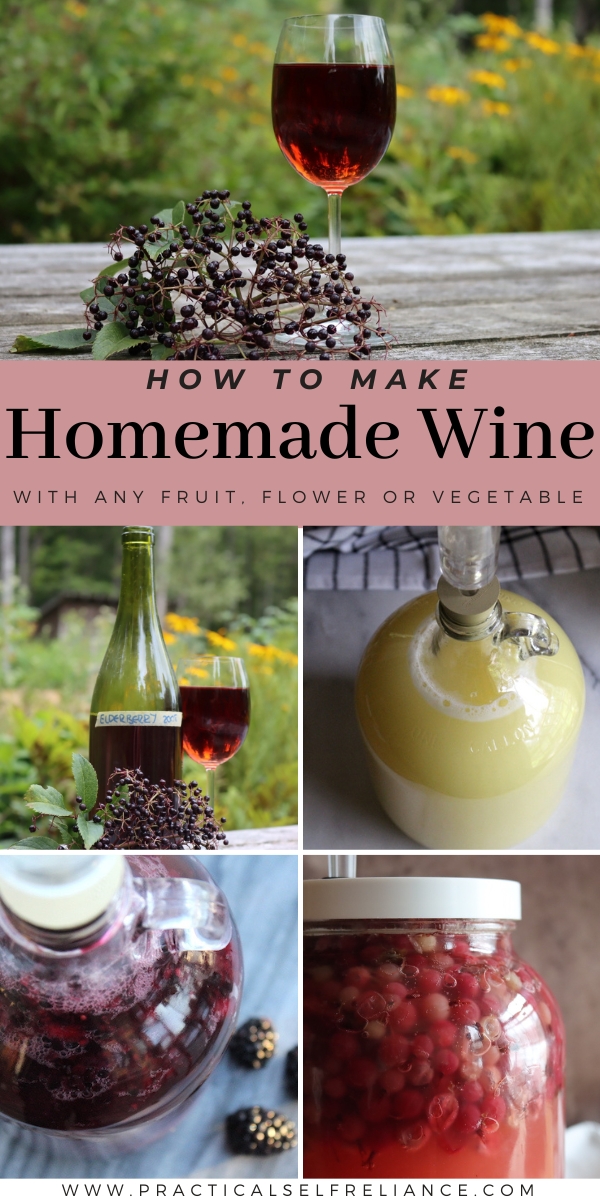
Credit: practicalselfreliance.com
Frequently Asked Questions
What Equipment Do Beginners Need For Home Wine Making?
Beginners need basic equipment like a fermenter, airlock, siphon, hydrometer, and bottles. Cleanliness is crucial to avoid contamination. These tools help control fermentation and ensure quality wine production at home.
How Long Does Homemade Wine Take To Ferment?
Fermentation typically takes 1 to 3 weeks depending on the recipe and temperature. Primary fermentation is faster, followed by aging for several months to develop flavors fully.
Can I Use Fresh Fruits For Making Wine At Home?
Yes, fresh fruits like grapes, berries, and apples are ideal for home winemaking. They provide natural sugars and flavors essential for fermentation and a rich, authentic taste.
How Do I Prevent Wine Spoilage During Home Fermentation?
Maintain strict cleanliness, use sanitized equipment, and control temperature between 60-75°F. Proper sealing with airlocks prevents oxygen exposure, reducing spoilage risks and ensuring good wine quality.
Conclusion
Home wine making offers fun and reward. It’s a journey of learning. Start simple. Use basic tools and ingredients. Patience is key. Each batch teaches something new. Mistakes happen, but they’re part of the process. Enjoy every sip of your creation.
Share with friends and family. Celebrate your progress. With time, skills improve. Experiment with flavors. Discover what you love. Your personal touch makes each bottle special. Enjoy the experience. Cheers to your new hobby!
Ethan Cole is a kitchen innovation enthusiast and food technology writer at DiningGadgets.com. With over 8 years of experience reviewing cookware, smart kitchen tools, and design trends, he helps readers discover gadgets that make cooking easier and dining more enjoyable. When he’s not testing the latest kitchen appliances, Ethan enjoys experimenting with recipes and sharing practical tips for modern homes.