

Have you ever wondered why your elegant plates and bowls are called “china”? It’s a simple word, but it carries a story that might surprise you.
When you set your table with fine dinnerware, you’re holding more than just dishes—you’re holding a piece of history. Understanding why dinnerware is called “china” will change the way you see your everyday meals. Keep reading, and you’ll discover the fascinating connection between your favorite plates and a faraway land that has inspired craftsmanship for centuries.
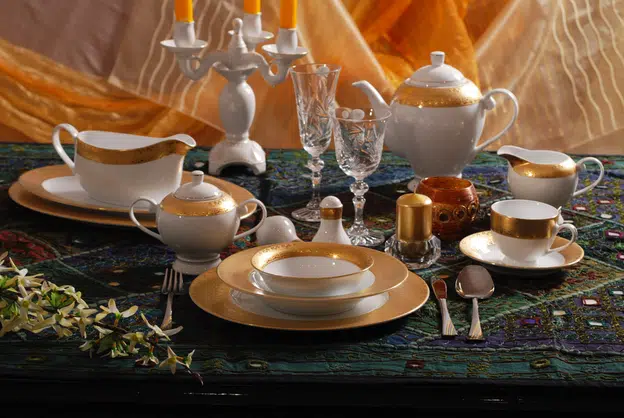
Credit: curatedevents.com
Origin Of The Term China
The term “china” when referring to dinnerware has an interesting background that connects directly to its origins. Understanding why fine porcelain is called “china” involves looking at history and geography. It’s a story of discovery, trade, and admiration that shaped how we name everyday items.
Connection To The Country China
The word “china” comes from the country where high-quality porcelain was first made. China has been producing delicate and durable ceramics for over a thousand years.
This porcelain was so unique that Europeans started calling the dinnerware simply “china” to highlight its place of origin. The name stuck because no other country could match the craftsmanship at the time.
Early European Encounters
When Europeans first encountered Chinese porcelain in the 16th century, they were amazed by its thinness, strength, and beauty. It was unlike anything made in Europe, where pottery was heavier and less refined.
Merchants brought these pieces back to Europe, and the demand grew quickly. People began referring to their fine dinnerware as “china” to emphasize its exotic and superior quality.
Have you ever wondered why some everyday objects carry the names of faraway places? This shows how trade and culture influence language in surprising ways.

Credit: food52.com
History Of Porcelain
Porcelain has a rich history deeply connected to ancient China. Known for its beauty and strength, porcelain became a prized material worldwide. The term “china” for dinnerware comes from this historic origin. Its production began centuries ago, shaping art and culture.
Development In Ancient China
Porcelain was first developed during the Tang dynasty, around the 7th century. Early versions were simple but durable. By the Song dynasty, the craft improved significantly. Potters used high-quality clay and new firing techniques. This created thin, white, and translucent porcelain. The product was strong yet delicate in appearance. It quickly became popular among royalty and nobles. The knowledge spread, influencing many cultures.
Materials And Craftsmanship
The key to porcelain lies in its materials. It uses kaolin, a special white clay, and petuntse, a type of feldspar. These ingredients create a smooth texture after firing at high temperatures. Skilled artisans shaped and painted each piece by hand. Designs often featured natural scenes, animals, and flowers. The firing process made porcelain hard and glossy. This craftsmanship made Chinese porcelain unique and valuable. It set a standard for fine dinnerware worldwide.
European Influence And Trade
European influence and trade played a big role in why dinnerware is called “china.” This connection started centuries ago through early trade links. European countries wanted the beautiful, delicate dishes made in Asia. They traded goods that shaped the taste and style of tableware in Europe.
The exchange of goods and ideas led to a strong fascination with Asian ceramics. European traders and merchants brought back porcelain and other ceramics, which became highly prized items. This trade helped spread the name “china” for fine porcelain dinnerware.
Silk Road And Maritime Routes
The Silk Road connected Europe with Asia over land. This route allowed silk, spices, and ceramics to travel great distances. Traders moved goods slowly but steadily. The delicate porcelain reached European markets through this ancient network.
Maritime routes also played a crucial role. Ships crossed oceans carrying large amounts of porcelain. These sea routes were faster and allowed bigger shipments. European ports received Chinese ceramics regularly, increasing demand and popularity.
Impact On European Pottery
European potters studied Asian ceramics closely. They tried to imitate the fine texture and designs of Chinese porcelain. This inspired new techniques and styles in Europe.
Many European factories began producing their own porcelain. The term “china” was used to describe these delicate dishes. The influence of Asian ceramics helped shape Europe’s pottery industry for centuries.
Why Porcelain Became Synonymous With China
Porcelain became linked with China because of its unique qualities and rich history. The fine, white ceramic was first made in China centuries ago. Its beauty and strength made it special across the world. The name “china” soon referred not just to the country but to the elegant dinnerware made from this material.
Quality And Prestige
Porcelain is thin yet strong. It can hold hot and cold food without breaking easily. The smooth surface makes it perfect for painting delicate designs. This quality made it a luxury item.
Wealthy families and royal courts prized porcelain. It showed status and taste. Owning “china” meant having something rare and valuable.
Cultural Associations
Porcelain carries deep cultural meaning in China. It represents art, tradition, and craftsmanship. Each piece reflects careful skill passed down through generations.
Chinese porcelain influenced artists worldwide. It inspired designs and techniques everywhere. This cultural link helped the word “china” become known as fine dinnerware.
Modern Usage Of The Term China
The term “china” in dinnerware refers to fine, high-quality dishes. It comes from the country China, where porcelain was first made. Today, “china” means more than just porcelain. It is a common word for elegant dishes used in homes and restaurants. People use it to describe delicate plates, cups, and bowls that look fancy and smooth.
Modern “china” dinnerware is both decorative and functional. It often appears at special meals and celebrations. The term has expanded beyond its origin, including various types of fine ceramic dishes. This broad use makes “china” a popular word for beautiful dish sets worldwide.
Differences Between Porcelain And Other Dinnerware
Porcelain is a type of ceramic made from fine clay. It is fired at very high temperatures. This process makes it strong, white, and translucent. Porcelain is smooth and often has a shiny finish.
Other dinnerware types include stoneware and earthenware. Stoneware is thicker and less delicate than porcelain. Earthenware is more porous and less durable. These types usually have a rougher texture and are heavier.
Porcelain “china” is prized for its elegance and durability. It resists chips and cracks better than other ceramics. Its fine quality sets it apart from common dinnerware.
Collecting And Valuing China
Collecting china is a popular hobby. People look for sets with unique patterns or historical value. Antique china can be rare and expensive. Condition, age, and brand affect its value.
Collectors often seek complete sets or pieces made by famous makers. Limited editions and hand-painted designs add to worth. Proper care keeps china looking beautiful for years.
Many collectors enjoy china for its beauty and history. It connects people to past traditions and craftsmanship. This makes china more than just dinnerware; it is a treasured art form.
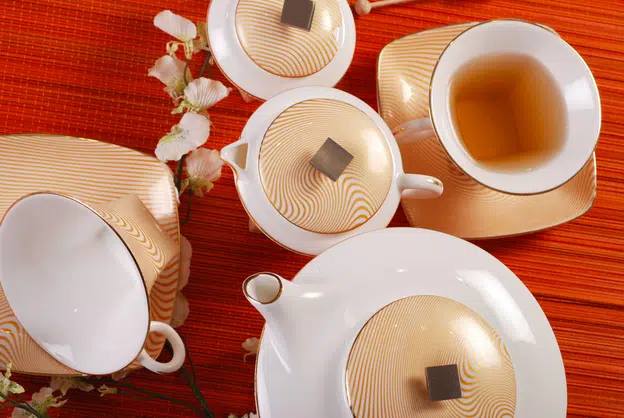
Credit: curatedevents.com
Frequently Asked Questions
Why Is Dinnerware Called China?
Dinnerware is called China because it originally came from China. The term highlights the origin of fine porcelain. This name became popular as Chinese porcelain was highly valued worldwide. It signifies quality and craftsmanship associated with Chinese pottery traditions.
What Makes China Dinnerware Unique?
China dinnerware is unique for its durability and beauty. It is made from fine porcelain clay fired at high temperatures. This process creates a smooth, translucent surface. Its elegant designs and strength make it ideal for both everyday use and special occasions.
How Did China Porcelain Influence Global Dinnerware?
China porcelain revolutionized global dinnerware by setting quality standards. Its innovation in materials and firing techniques inspired other cultures. European manufacturers tried to replicate Chinese porcelain’s fine texture. This led to the development of new styles and improved dinnerware worldwide.
Is All Fine Dinnerware From China?
Not all fine dinnerware comes from China. While China is famous for its porcelain, many countries produce high-quality ceramics. Countries like Japan, Germany, and England also make renowned dinnerware. The term “China” specifically refers to porcelain style, not the place of manufacture.
Conclusion
China dinnerware gets its name from the country where it was first made. The word “china” means fine porcelain, which is strong and beautiful. People around the world admire its delicate look and quality. This type of dinnerware has a long history and rich tradition.
It shows skill and art from ancient China. Using china adds a touch of elegance to any meal. Now, you know why this special dinnerware carries the name China. Simple, classic, and known everywhere.

Sophia Martinez is a culinary lifestyle writer and product reviewer for DiningGadgets.com. Passionate about blending style with functionality, she explores the latest dining essentials, kitchen décor, and cleaning hacks that transform everyday cooking spaces. With a background in home organization and design, Sophia brings readers expert advice on creating beautiful, practical kitchens that truly feel like the heart of the home.