

Have you ever noticed your glass cups or bowls looking foggy or white? It can be strange and a bit annoying. You use your glassware every day. You wash it carefully. Still, after some time, it looks cloudy. Why does this happen? What makes glassware lose its clear shine? This article will help you understand the reasons behind cloudy glassware. You will learn how to keep your glasses clean and clear for longer.

Credit: www.reddit.com
What Does Cloudy Glassware Look Like?
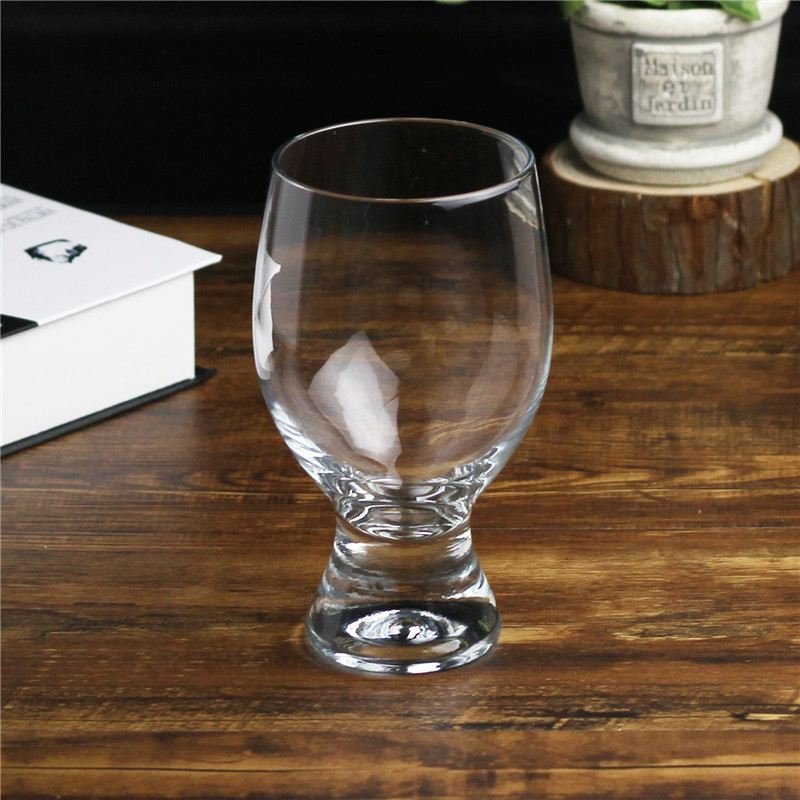
Cloudy glassware looks dull and white. It loses its shine and looks frosty. Sometimes it looks like it has tiny scratches or a film on the surface. When you hold the glass against light, it does not shine or sparkle. Instead, it looks hazy. This can happen to cups, plates, bowls, and even glass windows or mirrors.
Credit: dmglassware.com
Why Does Glassware Get Cloudy?
There are several reasons why glassware becomes cloudy. Usually, it is not because the glass is broken or damaged. It is because of things that stick to the glass surface. Let’s see the common causes:
1. Hard Water Stains
Hard water contains minerals like calcium and magnesium. When you wash glasses in hard water, these minerals stay on the glass. After the water dries, it leaves white spots or a cloudy layer. This is called hard water stains. The spots can build up over time and make the glass look foggy.
2. Soap Residue
If you do not rinse the soap well, soap residue stays on the glass. Soap can leave a film that looks cloudy. This happens when there is not enough water to wash off the soap. It can also happen if you use too much soap. The residue can make the glass look dull and dirty.
3. Etching
Etching is a small damage to the glass surface. It happens when glass reacts with something in the water or detergent. The surface becomes rough and looks cloudy. Etching is permanent. You cannot clean or polish it off. It happens more in dishwashers or when glass is washed often with harsh detergents.
4. Hard Water Spots And Mineral Buildup
When water dries on the glass, minerals stay behind. Over time, these minerals create spots and a white cloudy film. This buildup can cover the glass and make it look old and dirty. The more hard water you have, the faster this happens.
5. Dishwasher Problems
Dishwashers can cause glassware to become cloudy. This happens if the dishwasher uses too much detergent. Or if the dishwasher water is very hard. Also, if the dishwasher temperature is too high, it can cause etching. Sometimes the dishwasher rinse aid is not used. This helps to prevent spots and cloudiness.
How to Prevent Glassware from Getting Cloudy
You can do simple things to keep your glassware clear and shiny. Prevention is easier than cleaning cloudy glass later. Here are some tips:
- Use soft water or filtered water: If your water is hard, use a water softener or filter.
- Rinse glasses well: After washing, rinse glasses with clean water to remove soap.
- Use the right amount of detergent: Too much soap can leave residue.
- Use a rinse aid in dishwashers: This helps water slide off and prevents spots.
- Wash glasses by hand when possible: Gentle washing reduces risk of etching.
- Lower dishwasher temperature: High heat can damage glass over time.
How to Clean Cloudy Glassware
If your glassware is already cloudy, don’t worry. You can try some easy cleaning methods to remove the cloudiness. But remember, if the cloudiness is from etching, it cannot be fixed.
1. Vinegar Soak
Vinegar helps remove mineral buildup and hard water stains. Pour white vinegar into a bowl or sink. Soak your glassware for 20-30 minutes. Then, scrub gently with a soft cloth or sponge. Rinse with clean water and dry with a soft towel.
2. Baking Soda Paste
Make a paste using baking soda and water. Apply the paste to the cloudy areas. Rub gently with a soft cloth. Baking soda helps remove stains and residue without scratching the glass. Rinse and dry well.
3. Lemon Juice
Lemon juice is a natural cleaner. It works like vinegar to remove mineral spots. You can rub a cut lemon on the glass or soak glasses in lemon juice. After cleaning, rinse and dry the glassware.
4. Commercial Glass Cleaners
There are special glass cleaners made to remove cloudiness. Use these carefully. Follow the instructions on the label. Test on one glass first to make sure it does not damage the surface.
When Cloudiness Means Damage
Sometimes, cloudiness is not just dirt or mineral buildup. It can mean the glass is damaged. This damage is called etching. Etching looks like tiny scratches or a frosty surface. It happens when glass reacts with hard water or strong detergents. Etched glass cannot be cleaned or fixed. It may look dull forever. To avoid etching, use gentle cleaning methods and soft water.
Table: Summary of Causes and Solutions
| Cause | What It Looks Like | How to Fix or Prevent |
|---|---|---|
| Hard Water Stains | White spots or cloudy film | Soak in vinegar, use water softener |
| Soap Residue | Filmy, dull surface | Rinse well, use less soap |
| Etching | Frosty, rough surface | Use gentle detergent, avoid high heat |
| Mineral Buildup | White cloudy layer | Clean with vinegar or lemon juice |
| Dishwasher Issues | Cloudy or spotted glass | Use rinse aid, lower temperature |
Final Thoughts
Cloudy glassware is a common problem. It happens because of minerals, soap, or damage. The good news? You can prevent most cloudiness. Use soft water, rinse well, and clean gently. When glass gets cloudy, try vinegar or baking soda. Avoid harsh detergents and very hot water. Taking these steps helps your glassware stay clear and shiny. Your glasses will look nice for a long time. Clear glassware makes your drinks look better. It also keeps your table looking clean and fresh. Now you know why glassware gets cloudy. And how to keep it beautiful every day.
Frequently Asked Questions
Why Does Glassware Become Cloudy After Washing?
Cloudiness happens due to hard water minerals left behind on glass surfaces.
Can Hard Water Cause Cloudy Glassware?
Yes, minerals like calcium and magnesium in hard water cause cloudiness.
How To Remove Cloudy Film From Glassware?
Use vinegar or lemon juice to dissolve mineral deposits and restore shine.
Does Dishwasher Detergent Cause Glassware Cloudiness?
Harsh detergents can leave residue, making glassware look dull or cloudy.

Sophia Martinez is a culinary lifestyle writer and product reviewer for DiningGadgets.com. Passionate about blending style with functionality, she explores the latest dining essentials, kitchen décor, and cleaning hacks that transform everyday cooking spaces. With a background in home organization and design, Sophia brings readers expert advice on creating beautiful, practical kitchens that truly feel like the heart of the home.