

Are you struggling to find the right workholding tool for your bar machines? Choosing the perfect tool can make a huge difference in your machining accuracy and efficiency.
Whether you’re aiming to boost productivity or improve the quality of your parts, understanding which workholding tool fits your bar machine is key. You’ll discover the top workholding options designed specifically for bar machines, helping you make smarter decisions that save time and cut costs.
Keep reading to find out which tool will take your bar machining to the next level.
Bar Machines Basics
Bar machines play a crucial role in manufacturing. They are designed to machine parts from bar stock. The machine holds the bar and performs various operations. These include drilling, turning, and threading. Understanding the basics can help in choosing the right machine.
Types Of Bar Machines
There are several types of bar machines available. Each serves a specific purpose in machining.
- Swiss Screw Machines:Known for precision and efficiency. Ideal for small, intricate parts.
- Automatic Lathes:Suitable for high-volume production. They automate cutting operations.
- Multi-Spindle Machines:These handle complex tasks simultaneously. Great for mass production.
Key Features
Bar machines boast features that enhance productivity. These features ensure accuracy and efficiency.
- Precision Control:Ensures exact dimensions and tolerances.
- Automated Functions:Reduces manual intervention, saving time and effort.
- Versatility:Supports various operations and material types.
Workholding Tools Overview
Workholding tools play a vital role in bar machines. They secure the workpiece firmly during machining. Proper workholding ensures precision and safety. It also helps reduce machine downtime and improves productivity.
This overview explains the purpose and importance of workholding tools. It also covers common types used in bar machines.
Purpose And Importance
Workholding tools keep the bar stock stable during cutting. They prevent movement that can cause errors or damage. Accurate holding leads to consistent part quality. It also protects the machine and the operator from accidents. Reliable workholding reduces scrap and rework. This saves time and lowers production costs.
Common Types
- Collets:These are the most common for bar machines. They grip the bar tightly and evenly around its circumference.
- Chucks:Used for larger or irregular-shaped bars. They provide strong clamping force and versatility.
- Hydraulic Grips:Use fluid pressure for secure, uniform holding. Ideal for high-precision and high-volume work.
- Expanding Mandrels:Expand inside the bar to hold it from within. Best for hollow or thin-walled bars.
Collet Chucks
Collet chucks are essential workholding tools used extensively on bar machines. They grip the bar stock firmly, ensuring precise machining operations. If you want consistent accuracy and quick setup times, collet chucks deserve your attention.
Design And Operation
Collet chucks consist of a tapered sleeve called the collet, which fits inside a matching tapered housing. When tightened, the collet compresses around the bar stock, creating a strong, uniform grip. This design allows for quick loading and unloading of parts without sacrificing stability.
The operation is simple but effective. You insert the bar into the collet chuck, tighten the nut or drawbar, and the collet contracts evenly around the material. This ensures minimal runout and prevents slipping during high-speed machining.
Advantages For Bar Machines
One of the biggest advantages of collet chucks is their excellent concentricity, which is crucial for precision turning on bar machines. The even grip reduces vibration and improves surface finish quality.
They also offer faster changeovers compared to other workholding tools. This means less downtime and higher productivity, especially if you run multiple part batches.
- Versatility:Collet chucks handle a wide range of diameters with interchangeable collets, saving you money and space.
- Compact Design:They fit well in tight machine spaces, making them ideal for bar machines where space is limited.
- Reduced Damage:The uniform gripping force minimizes deformation of delicate or thin-walled parts.
Have you noticed how much smoother your machining becomes when the workpiece is held perfectly steady? That’s the kind of control collet chucks provide. If you prioritize accuracy and efficiency, these tools can significantly enhance your bar machine operations.

Credit: www.reidsupply.com
Hydraulic Chucks
Hydraulic chucks are essential tools used on bar machines. They hold the workpiece firmly during machining. These chucks use hydraulic pressure to grip the material tightly. This ensures stability and reduces vibration. Hydraulic chucks are popular for their strong clamping force and easy operation.
How They Work
Hydraulic chucks use fluid pressure to tighten their jaws. A small piston inside the chuck moves when fluid is pumped. This movement clamps the workpiece with even pressure around its surface. The hydraulic system allows smooth and uniform gripping. Operators can adjust pressure to suit different materials and sizes.
Benefits In Precision
Hydraulic chucks provide excellent precision during machining. The even grip reduces runout and misalignment. This leads to better surface finish and accurate dimensions. They absorb vibrations, which helps maintain tool life and quality. Hydraulic chucks also reduce setup time, improving overall efficiency.
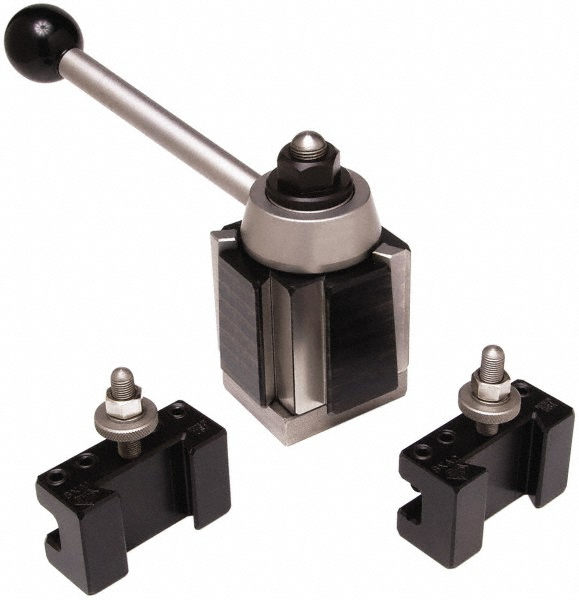
Manual Chucks
Manual chucks are common workholding tools used on bar machines. They hold the workpiece tightly during machining. These chucks require the operator to tighten or loosen them by hand. They are simple, reliable, and easy to use. Manual chucks come in different sizes and jaw types to fit various bars. They provide stable gripping for turning and milling operations.
Suitability For Bar Machines
Manual chucks suit bar machines well. They hold long bars firmly for precise machining. Operators can quickly adjust the chuck for different bar diameters. These chucks work best for low to medium production runs. They offer good control over grip pressure. Manual chucks fit most bar machine models without modification.
Cost And Maintenance
Manual chucks are affordable compared to hydraulic or pneumatic types. Their simple design means fewer parts can fail. Maintenance involves cleaning and lubricating moving parts regularly. Operators should inspect jaws for wear and replace them as needed. Costs remain low due to easy repairs and no special tools required. Manual chucks provide long service life with proper care.
Credit: niaarch.com
Custom Workholding Solutions
Custom workholding solutions are essential when standard tools can’t meet the unique demands of your bar machine operations. These tailored tools are designed to grip, support, and stabilize irregularly shaped or delicate parts, ensuring precision and safety during machining. Customization allows you to optimize the setup for each job, reducing downtime and improving the quality of your finished product.
When To Use Custom Tools
You should consider custom workholding tools when your parts have unusual shapes, sizes, or materials that standard chucks and collets can’t securely hold. If your production involves frequent changes or low-volume runs, custom solutions can save time by reducing setup complexity.
Have you ever struggled with part slippage or damage during machining? Custom workholding can address these issues by matching the tool exactly to your part’s contours and stress points. This leads to better repeatability and fewer rejects.
Examples And Applications
- Complex Geometries:Parts with non-cylindrical shapes like hexagonal or irregular cross-sections often require custom jaws or fixtures.
- Delicate Materials:Soft metals or composites may need padded or specially shaped clamps to prevent deformation.
- High-Precision Components:Aerospace or medical parts often demand custom fixtures to maintain tight tolerances.
- Multi-Operation Setups:Custom tools can be designed to hold parts through several machining steps, reducing the need for multiple setups.
Imagine a situation where a small, fragile component kept slipping in a standard collet. By working with a custom fixture, the machinist not only secured the part but also improved cycle times and reduced scrap rates significantly. Such practical adjustments prove the value of custom solutions in everyday shop environments.
Choosing The Right Tool
Choosing the right workholding tool for bar machines directly affects your machining accuracy, efficiency, and overall production quality. The decision isn’t just about picking a tool that fits; it requires understanding the specific demands of your material, part design, and production scale. Let’s break down how these factors guide your choice.
Material Considerations
Your material’s hardness and toughness play a big role in tool selection. Softer metals like aluminum need less rigid clamping, while harder materials such as stainless steel require stronger, more precise workholding to avoid slippage.
Think about thermal expansion too. Some materials expand significantly under heat, so your tool must maintain grip without damaging the part. Have you noticed inconsistent finishes with certain materials? The workholding tool might be the culprit.
Part Geometry Impact
Complex shapes and delicate features demand custom or adjustable workholding solutions. Long, slender parts often need steady support along their length to prevent bending during machining.
Simple cylindrical bars might work fine with standard collet chucks, but irregular or asymmetrical parts need specialized fixtures. How often do you face challenges securing odd-shaped components? Choosing a flexible tool can save hours of trial and error.
Production Volume Factors
High-volume runs justify investing in quick-change and automated workholding tools to reduce downtime. For lower volumes, versatile and easy-to-adjust tools might be more cost-effective.
Think about your setup time and how much manual intervention you want. Sometimes, spending more upfront on better workholding pays off through consistent quality and faster throughput. Are you measuring setup time as closely as cycle time? It can reveal hidden inefficiencies.
Credit: www.amazon.com
Tips For Efficient Workholding
Efficient workholding on bar machines directly impacts your productivity and the quality of your finished parts. Small adjustments in setup and regular maintenance can save you hours of downtime and reduce errors. Understanding these tips will help you get the most out of your workholding tools every time.
Setup Best Practices
Start by securely clamping the bar stock to prevent any movement during machining. Even slight shifts can ruin a batch of parts and waste materials.
Use the correct size and type of collet or chuck for your specific bar diameter. A tight fit reduces vibrations and improves surface finish.
- Check alignment carefully before starting the machine.
- Ensure the bar is straight and free of any damage or dirt.
- Adjust the feed rate and speed according to the workholding setup to avoid overloading the tool.
I once overlooked proper alignment on a new job, which caused chatter marks on every piece. After tightening the setup and double-checking the collet fit, the finish improved immediately.
Maintenance Guidelines
Keep your workholding tools clean and lubricated to maintain their gripping strength and precision.
Inspect collets and chucks regularly for wear or cracks. Replace any parts showing damage before they cause a failure during machining.
- Remove chips and debris from clamping surfaces after each use.
- Apply light oil to moving parts to prevent rust and sticking.
- Schedule routine checks based on your machine’s usage to catch problems early.
Have you ever experienced a sudden slip during a run? Most of the time, it’s due to worn workholding components that were missed during maintenance. Staying proactive can keep your workholding reliable and your parts consistent.
Frequently Asked Questions
What Is The Primary Workholding Tool For Bar Machines?
The primary tool is the collet chuck. It securely holds bar stock during machining. It ensures high precision and repeatability.
How Does A Collet Chuck Improve Bar Machine Performance?
A collet chuck provides firm grip and concentricity. It reduces vibration and runout. This leads to better machining accuracy and surface finish.
Can Bar Machines Use Other Workholding Tools?
Yes, bar machines can use bar feeders and chucks. But collet chucks are most common. They offer quick setup and reliable holding.
Why Choose Collet Chucks Over Standard Chucks For Bar Machines?
Collet chucks offer better concentricity and grip. They handle small diameter bars efficiently. This improves production speed and quality.
Conclusion
Choosing the right workholding tool keeps bar machines running smoothly. Chucks and collets hold bars firmly during machining. Each tool suits different bar sizes and shapes. Proper use improves accuracy and saves time. Operators should match tools to their specific needs.
This helps avoid errors and machine wear. Simple care and correct setup extend tool life. The right choice boosts productivity and quality. Bar machines work best with proper workholding.

Ethan Cole is a kitchen innovation enthusiast and food technology writer at DiningGadgets.com. With over 8 years of experience reviewing cookware, smart kitchen tools, and design trends, he helps readers discover gadgets that make cooking easier and dining more enjoyable. When he’s not testing the latest kitchen appliances, Ethan enjoys experimenting with recipes and sharing practical tips for modern homes.