

Choosing the right paint forWhich Paint for Kitchen Walls can change the entire feel of the room. You want something that looks great, stands up to moisture, and is easy to clean.
But with so many options out there, how do you pick the best one for your space? You’ll discover exactly which paint types work best in kitchens and why. By the end, you’ll feel confident making the perfect choice to keep your kitchen walls fresh and beautiful for years to come.
Keep reading to find out what experts recommend and what you should avoid.
Credit: www.jswpaints.in
Choosing The Right Paint Finish
Choosing the right paint finish for your kitchen walls is more than just picking a color. The finish impacts how your walls look, how easy they are to clean, and how well they stand up to kitchen messes. Understanding the differences between finishes will help you make a choice that fits your lifestyle and style preferences.
Matte Vs. Satin Vs. Glossy
Matte finishes have no shine and hide imperfections well. They give a smooth, velvety look but can be harder to clean, especially in a kitchen where splashes happen frequently.
Satin finishes offer a soft sheen that reflects a little light. They strike a balance between hiding flaws and being easy to wipe down, making them popular for kitchens.
Glossy finishes are shiny and highly reflective. They are the easiest to clean and very durable but will highlight any dents or bumps on the wall.
Durability And Washability
Durability is crucial for kitchen walls because of exposure to steam, grease, and spills. Glossy paints often have a tougher surface that resists stains and scrubbing better than matte.
Satin finishes can handle regular wiping but may wear down with harsh cleaning. Matte finishes tend to absorb stains and can be damaged by vigorous scrubbing.
Think about how often you cook and the mess level in your kitchen. Would you rather clean frequently or prefer a finish that hides marks but needs less maintenance?
Best Finishes For Kitchen Walls
- Satin:Ideal for most kitchens, offering a good mix of durability and a pleasing look.
- Eggshell:A softer sheen than satin, suitable for less messy kitchens but still washable.
- Semi-gloss:Perfect for areas that get a lot of moisture or grease, like near the stove or sink.
Choosing satin or semi-gloss will give you peace of mind and keep your kitchen looking fresh longer. What kind of kitchen activities do you do daily, and how might they influence your choice?
Credit: www.carawayhome.com
Top Paint Colors For Kitchens
Choosing the right paint color for kitchen walls sets the tone for the entire space. Colors can brighten the room, create warmth, or add a modern edge. The best paint colors balance style with practicality, considering lighting and kitchen size. Here are some popular options that work well in kitchens.
Popular Neutral Shades
Neutral colors create a calm and inviting kitchen. They pair well with many cabinet styles and appliances. Whites, beiges, and soft grays are timeless choices that never go out of style.
- Warm beige adds coziness without overwhelming the room.
- Soft gray offers a clean, modern look with subtle depth.
- Crisp white makes the kitchen feel larger and brighter.
Bold And Vibrant Choices
Bright colors bring energy and personality to kitchen walls. They work well in spaces that need a lively touch. Red, navy blue, and emerald green create striking focal points.
- Red stimulates appetite and conversation, perfect for lively kitchens.
- Navy blue adds sophistication and pairs well with white cabinets.
- Emerald green brings freshness and a natural vibe indoors.
Trendy Pastels And Earth Tones
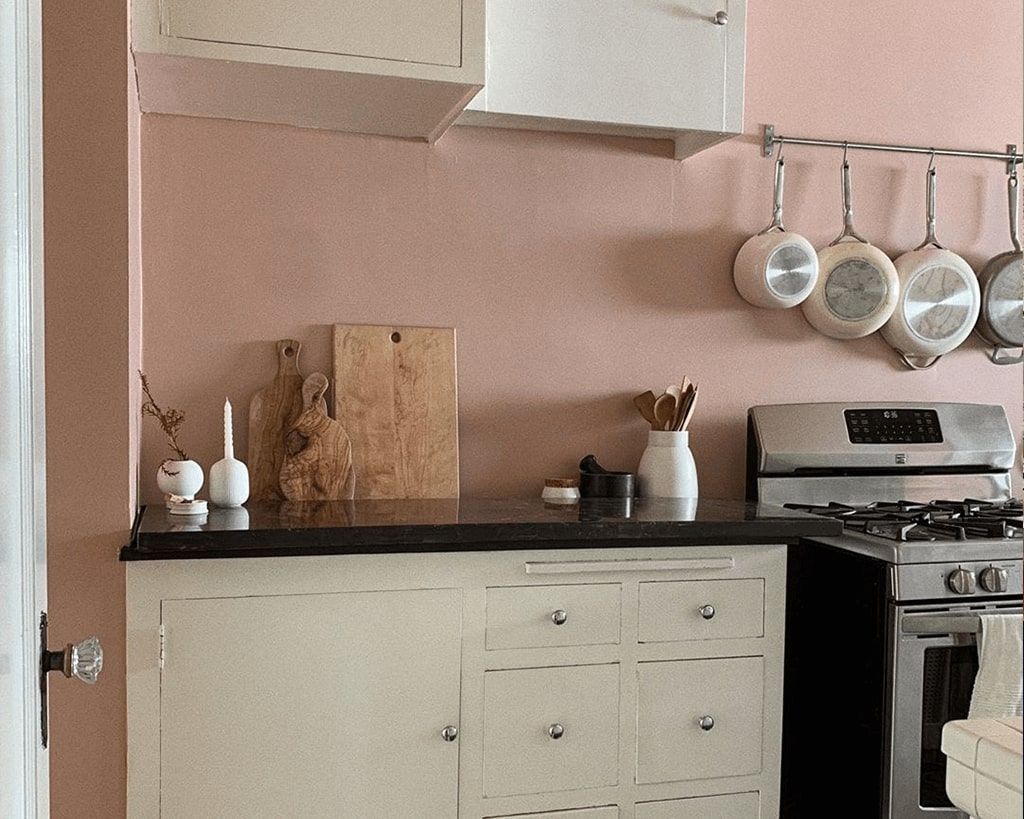
Soft pastels and earthy shades create a soothing kitchen atmosphere. These colors fit modern and rustic styles alike. Light blues, muted greens, and warm terracotta are top picks.
- Light blue offers calmness and expands smaller kitchen spaces.
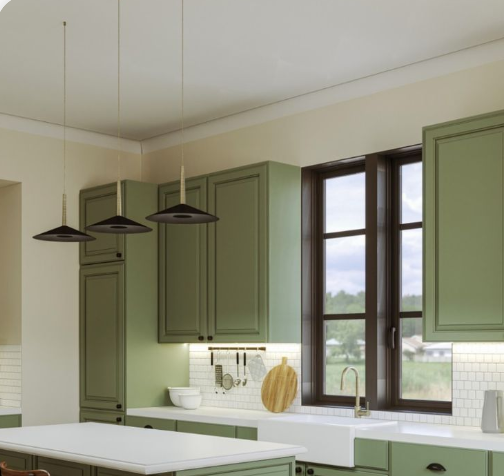
- Muted green connects the kitchen to nature and feels relaxing.
- Terracotta adds warmth and a cozy, grounded feeling.
Types Of Paint For Kitchen Walls
Choosing the right paint for kitchen walls is key for durability and style. Kitchens face heat, moisture, and stains daily. Paint must hold up against these challenges. Different types of paint offer unique benefits. Understanding these helps pick the best fit for your kitchen.
Latex Vs. Oil-based Paints
Latex paints dry fast and clean up with water. They resist yellowing and cracking better than oil-based paints. Latex is flexible, making it good for kitchen walls that expand with heat. Oil-based paints offer a smooth, hard finish. They resist stains and wear well over time. Oil paints take longer to dry and need solvents for cleanup.
Latex is usually safer for indoor air quality. Oil-based paints have stronger odors during application. For kitchens, latex paints are popular for ease and durability. Oil-based paints suit areas needing extra stain resistance.
Eco-friendly And Low-voc Options
Low-VOC paints release fewer harmful fumes. They improve indoor air quality and reduce health risks. Eco-friendly paints use natural ingredients and fewer chemicals. These paints protect your family and the environment. Many brands offer low-VOC options in various finishes and colors.
Using these paints keeps kitchen air fresh. They work well in homes with children or allergies. Low-VOC paints clean easily and resist stains. Choosing eco-friendly paint supports a healthier living space.
Mold And Mildew Resistant Paints
Kitchens are prone to moisture, causing mold and mildew growth. Mold-resistant paints contain agents that prevent fungal growth. These paints help keep walls clean and odor-free. They are ideal for kitchens with poor ventilation or high humidity.
Applying mold-resistant paint reduces maintenance and repainting needs. It also protects your walls from damage. This paint type lasts longer and keeps your kitchen healthier. Mold and mildew resistance is a smart choice for any kitchen wall.
Credit: www.jswpaints.in
Preparing Kitchen Walls For Painting
Preparing your kitchen walls before painting is a crucial step that often gets overlooked. Proper preparation ensures your paint adheres well and lasts longer, saving you time and money in the long run. Skipping this phase can lead to peeling, uneven surfaces, and a finish that looks less than perfect.
Cleaning And Repairing Surfaces
Your kitchen walls accumulate dirt, dust, and grime over time, which can prevent paint from sticking properly. Start by wiping down the walls with a mild detergent and warm water. Pay special attention to corners and edges where grease and dust tend to build up.
After cleaning, inspect the walls for cracks, holes, or peeling paint. Use spackle or a suitable filler to repair these imperfections. Sand the patched areas smooth once dry to create an even surface ready for painting.
Priming Tips For Better Adhesion
Primer is the secret weapon for a flawless kitchen wall paint job. It creates a uniform base that helps the paint stick better and enhances its color. Choose a primer designed to seal stains and resist moisture, especially important in kitchens.
Apply primer evenly with a brush or roller, focusing on repaired spots and any areas with stains. Let it dry completely before moving on to painting. This step will make your paint job look professional and last longer.
Dealing With Grease And Moisture
Grease and moisture are common challenges in kitchens and can ruin fresh paint quickly. Before painting, clean greasy spots with a degreaser or a mix of vinegar and water to remove oily residues. This will prevent paint from peeling or bubbling later.
Consider using a paint that resists moisture and mildew for areas prone to humidity. Ventilation also plays a key role—make sure your kitchen is well-ventilated during and after painting to help the walls dry thoroughly. Have you noticed any stubborn grease spots that just won’t come off? Tackling these early makes a big difference in your painting results.
Painting Techniques For A Flawless Finish
Achieving a flawless finish on your kitchen walls depends largely on how you apply the paint. Even the best paint can look uneven or patchy without the right techniques. Focusing on proper tools, layering your coats carefully, and steering clear of common errors will give your kitchen a fresh, professional look.
Tools And Brushes To Use
Choosing the right tools makes a huge difference. Use a high-quality synthetic brush for cutting in around edges and corners. For larger areas, a roller with a 3/8-inch nap works well on smooth kitchen walls, ensuring even coverage without splatters.
Keep a small angled brush handy for tricky spots near cabinets or trim. A paint tray and a roller extension pole can also make the job easier and reduce strain on your arms.
Applying Multiple Coats
One coat rarely does the job, especially with bold or dark colors. Applying two or more thin coats helps the paint lay smoothly and prevents streaks. After the first coat dries completely, lightly sand any rough spots before adding the next layer.
Patience pays off here—rushing to add another coat too soon can cause peeling or uneven texture. Do you often find yourself tempted to skip this step? Resist it for a finish you’ll be proud of.
Avoiding Common Painting Mistakes
Many kitchen painting projects fail because of avoidable errors. Don’t paint over greasy or dirty walls without cleaning them first—this causes poor adhesion. Also, avoid using old or dried-out paint, which can lead to clumps and an uneven surface.
Another common mistake is overloading your brush or roller. Too much paint creates drips and thick patches that take longer to dry. Instead, apply moderate amounts and spread it evenly for a smooth, professional look.
Maintaining Painted Kitchen Walls
Maintaining painted kitchen walls keeps them fresh and bright. Kitchens face heat, moisture, and stains daily. Proper care avoids peeling, fading, and damage. Simple routines help preserve paint quality and appearance. Follow easy steps to protect your kitchen walls.
Cleaning Tips Without Damage
Use a soft cloth or sponge for cleaning. Mix mild soap with warm water for gentle washing. Avoid harsh chemicals or abrasive scrubbers that scratch paint. Test cleaning solution on a small hidden spot first. Wipe stains quickly to prevent permanent marks. Rinse area with clean water and dry with a towel.
Touch-up And Repair Strategies
Keep leftover paint for touch-ups after the job. Match paint finish and color precisely for repairs. Clean damaged area and lightly sand edges before painting. Apply paint in thin layers for smooth blending. Allow each layer to dry fully before next coat. Fix small chips or scratches promptly to stop spreading.
Extending Paint Longevity
Keep kitchen well-ventilated to reduce moisture build-up. Use exhaust fans while cooking to lower humidity. Avoid leaning sharp or rough objects against walls. Use washable paint designed for kitchens for better durability. Regularly inspect walls for early signs of wear. Clean and repair walls regularly for longer life.
Frequently Asked Questions
What Type Of Paint Is Best For Kitchen Walls?
The best paint for kitchen walls is semi-gloss or satin finish. These finishes resist moisture and stains well. They are easy to clean and maintain, making them perfect for kitchen environments.
Can I Use Oil-based Paint In The Kitchen?
Yes, oil-based paint is durable and moisture-resistant. However, it emits strong fumes and takes longer to dry. Water-based paints are often preferred for kitchens due to easier cleanup and lower odor.
How Do I Choose The Right Paint Color For Kitchen Walls?
Choose a kitchen paint color that complements your cabinets and appliances. Light colors brighten the space, while darker hues add warmth. Consider your kitchen’s natural light for the best result.
Is Washable Paint Necessary For Kitchen Walls?
Washable paint is highly recommended for kitchen walls. It allows easy removal of grease, food splatters, and stains without damaging the paint. This keeps your kitchen looking fresh and clean longer.
Conclusion
Choosing the right paint for kitchen walls makes a big difference. It impacts both style and durability. Prioritize quality and easy-to-clean finishes. Semi-gloss or satin options work well. They resist stains and moisture. Think about color too. Lighter shades can make the space feel larger.
Darker tones add warmth. Always test samples first. See how they look with your lighting. Remember, the right paint enhances your kitchen’s appeal. It also protects your walls. So, make an informed choice. Enjoy the transformation it brings. Happy painting!
