

Choosing the perfect color for your kitchen walls can feel overwhelming. With so many options, how do you decide which hue will create the perfect ambiance?
Your kitchen is the heart of your home, a place where you gather with loved ones and create lasting memories. The right color can enhance your mood, boost your energy, and make your kitchen a more inviting space. Imagine walking into a room that instantly uplifts your spirits and makes you want to spend more time there.
Don’t you want to know which color can do that for your kitchen? Dive into this guide to discover the best color for your kitchen walls and transform your space into a haven of warmth and style.
Popular Kitchen Wall Colors
Choosing the right color for kitchen walls shapes the entire space’s mood. Colors influence how bright, warm, or cool the kitchen feels. Popular kitchen wall colors fall into three main groups. Each offers unique vibes and suits different styles.
Neutral Shades
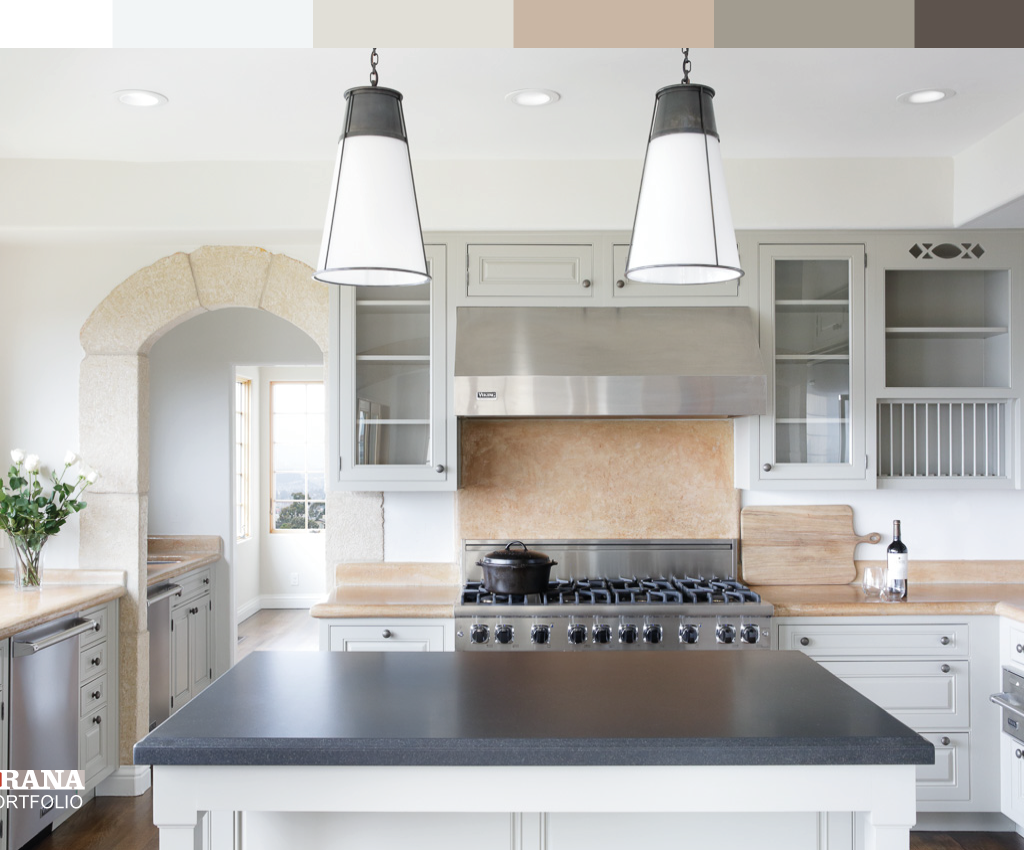
Neutral shades create a calm and clean look. Whites, beiges, and grays suit most kitchen designs. They reflect light well, making kitchens feel bigger. Neutral tones match all cabinet colors and appliances. These shades bring timeless elegance and easy styling options.
Bold And Vibrant Hues
Bold colors add energy and personality to kitchens. Reds, blues, and greens bring fun and warmth. These hues highlight kitchen features and create focus points. Vibrant walls can inspire creativity while cooking. Use bold colors on one wall or in small areas to avoid overwhelm.
Pastel Tones
Pastels offer soft, gentle color that soothes the eye. Light pinks, blues, and greens create a fresh look. These tones add charm without overpowering the space. Pastels work well in vintage or cottage-style kitchens. They brighten the room while keeping it calm and inviting.

Credit: www.greenbayremodeling.com
Factors Influencing Color Choice
Choosing the right color for kitchen walls depends on several key factors. These factors help create a balanced and inviting space. The color should work well with the kitchen’s size, lighting, and existing elements. It also influences the mood and atmosphere of the room.
Kitchen Size And Lighting
Small kitchens benefit from light and bright colors. These colors make the space feel larger and more open. Dark colors can make a small kitchen feel cramped. Natural light changes how wall colors appear throughout the day. Rooms with little light look better with warm, light tones to add brightness. Large kitchens handle bolder colors well. They offer more wall space and light to balance darker shades.
Cabinet And Countertop Colors
Wall color must complement cabinets and countertops. Light walls work well with dark cabinets for contrast. Dark walls suit light-colored cabinets to create balance. Neutral colors on walls blend with most cabinet finishes. Consider the undertones of countertops when choosing paint. Warm or cool tones in countertops affect the wall color choice. Match or contrast carefully for a harmonious look.
Mood And Atmosphere
Colors influence how the kitchen feels and behaves. Warm colors like red and yellow bring energy and warmth. Cool colors like blue and green create calm and relaxation. Neutral tones offer a timeless and clean look. Think about how you want to feel in your kitchen. Choose colors that match the mood you want to create. Bright colors can boost appetite and conversation. Soft colors help reduce stress and promote calmness.
Color Combinations That Work
Choosing the right color combinations for your kitchen walls can transform the entire space. The right pairings create balance, highlight your kitchen’s best features, and even influence your mood while cooking or dining. Let’s look at some color combos that can really make your kitchen shine.
Complementary Pairings
Complementary colors sit opposite each other on the color wheel, making them bold and eye-catching together. Think of a soft blue wall paired with warm orange accents, or a rich green balanced by touches of red. These pairings bring energy and contrast, perfect if you want your kitchen to feel lively and inviting.
Try using one color for the walls and the other for cabinet doors or kitchen accessories. Does your kitchen get a lot of natural light? Complementary colors will pop even more in bright spaces, adding a fresh vibe.
Monochromatic Schemes
Monochromatic schemes use different shades and tints of the same color. This creates a calm, cohesive look that feels modern and clean. For example, light gray walls with charcoal cabinets give a sleek, sophisticated feel without overwhelming the senses.
If you want a subtle kitchen that feels spacious, try a monochromatic palette. Adding textures like glossy tiles or matte paint can prevent the look from becoming flat. How do you think varying shades of one color could highlight your kitchen’s features?
Accent Wall Ideas
An accent wall offers a chance to introduce a bold color without overpowering the room. Painting one wall in a vibrant shade like deep teal or mustard yellow adds personality and draws attention to a specific area.
You can also use wallpaper or textured paint for an accent wall. This works especially well behind open shelves or the dining nook. What part of your kitchen deserves the spotlight?

Credit: www.goodhousekeeping.com
Trendy Kitchen Wall Colors
Choosing the right color for your kitchen walls can transform the entire space. Trendy kitchen wall colors not only enhance the look but also create a mood that suits your lifestyle. Are you aiming for calm and natural vibes, timeless elegance, or a warm, cozy atmosphere? Let’s dive into some popular choices that can inspire your next kitchen makeover.
Earthy Greens
Earthy greens bring a fresh and calming feel to your kitchen. Shades like olive, sage, or moss green add depth without overwhelming the space. I once painted my kitchen walls in a soft sage green, and it instantly made the room feel more connected to nature and surprisingly inviting.
These tones work well with wooden cabinets and natural stone countertops. They also hide minor stains better than lighter colors, making them practical. Would you like a kitchen that feels like a peaceful retreat? Earthy greens might be your answer.
Classic Whites
White walls remain a top choice for kitchens due to their versatility and brightness. They reflect light well, making small kitchens appear larger and more open. I’ve noticed that kitchens with white walls feel clean and airy, which is perfect for busy cooking spaces.
Pair white walls with colorful backsplashes or bold appliances to add personality without clutter. White is also easy to refresh with a simple coat of paint, keeping your kitchen looking new for years. Could your kitchen benefit from a bright, blank canvas?
Warm Terracotta
Warm terracotta shades add a cozy and rustic charm to kitchen walls. Think burnt orange, clay, or brick reds—these colors create an inviting atmosphere perfect for gathering spaces. When I tried terracotta in a friend’s kitchen, it made the room feel lively yet grounded.
This color pairs well with metallic accents and wooden furniture, enhancing a Mediterranean or southwestern style. Terracotta also hides imperfections well, saving you frequent touch-ups. Are you ready to make your kitchen feel like the heart of the home with warmth and character?
Tips For Painting Kitchen Walls
Painting your kitchen walls can dramatically change the vibe of the space. But to get the best results, it’s important to focus on more than just color choice. Paying attention to paint finish, preparation, and how your walls interact with other features like backsplashes can save you time and keep your kitchen looking fresh longer.
Choosing The Right Paint Finish
Not all paint finishes are made equal, especially in a kitchen where moisture and stains are common. Satin and semi-gloss finishes are usually the best picks because they resist moisture and wipe clean easily.
Matte finishes might look trendy, but they can absorb grease and are harder to clean. Think about how often you cook and how much splatter your walls might endure. If you want a durable and easy-to-maintain surface, go for something with a bit of shine.
Prep And Maintenance
Skipping prep work can turn a fresh paint job into a short-lived disappointment. Make sure your walls are clean, dry, and smooth before painting. Use a mild detergent to remove grease spots, then sand any rough patches.
After painting, keep a small supply of the paint for touch-ups. Kitchens are prone to scratches and stains, so quick fixes will keep your walls looking new. Have you ever noticed how a tiny chip can ruin the whole look? Don’t let it happen to your kitchen.
Incorporating Backsplashes
Backsplashes aren’t just decorative—they protect your walls from spills and stains. When choosing paint colors, think about how they will look next to your backsplash tiles or panels.
If your backsplash has bold patterns or bright colors, opt for a more neutral wall color to balance the room. On the other hand, a simple backsplash can be paired with a vibrant wall color for a lively kitchen atmosphere. How can you make your paint and backsplash work together to highlight your kitchen’s personality?
Credit: www.craftsmanpainters.com
Frequently Asked Questions
What Color Makes A Kitchen Look Bigger And Brighter?
Light colors like white, cream, and pale pastels reflect more light. They create an open, airy feel. These shades make small kitchens appear larger and brighter. They also provide a neutral backdrop that complements various décor styles.
Which Colors Best Complement Wooden Kitchen Cabinets?
Soft greens, warm grays, and muted blues complement wooden cabinets well. These colors enhance the natural warmth of wood. They create a balanced, cozy atmosphere. Avoid overly bright or dark shades that may clash with wood tones.
How Do Wall Colors Affect Kitchen Mood And Energy?
Warm colors like red and orange boost energy and appetite. Cool colors like blue and green promote calm and focus. Neutral tones create a relaxing and versatile environment. Choose colors based on the kitchen’s primary use and desired ambiance.
Are Dark Colors Suitable For Kitchen Walls?
Dark colors can add drama and sophistication to kitchens. They work best in large, well-lit spaces to avoid feeling cramped. Use dark hues on accent walls or combined with lighter elements for balance. Proper lighting is key when choosing dark shades.
Conclusion
Choosing the right color for your kitchen walls affects the whole room’s feel. Light colors make the space look bigger and brighter. Dark colors add warmth and a cozy touch. Think about your kitchen’s size and lighting when picking colors.
Also, consider your style and what mood you want. Simple colors often work best and stay timeless. Your kitchen should feel comfortable and inviting every day. So, pick a color that makes you happy and fits your home. It’s your space—make it yours.
