

Have you ever wondered where your favorite Mikasa dinnerware is made? Knowing the origin of the products you use every day can give you a deeper connection to your dining experience.
Whether you value quality craftsmanship, durability, or just want to be sure you’re investing in the right brand, understanding where Mikasa dinnerware is manufactured can help you make smarter choices. Keep reading to discover the story behind Mikasa and why its place of manufacture matters to you and your home.
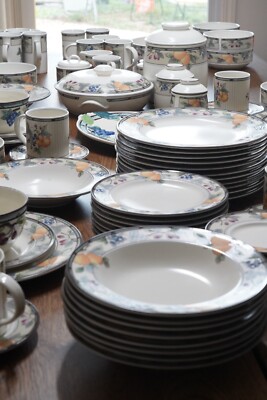
Credit: www.ebay.ca
Mikasa Brand Origins
The Mikasa brand has a rich history that shapes the quality and style you see in their dinnerware today. Originating over half a century ago, Mikasa has built a reputation for combining artistry with durable craftsmanship. Understanding where it all began helps you appreciate the care put into each piece you use at your table.
Mikasa’s Early Beginnings
Mikasa started in 1948 as a division of the Lenox Corporation, an American company known for fine china and tabletop products. The brand focused on creating elegant yet affordable dinnerware that could fit everyday lifestyles. This balance of beauty and practicality quickly caught the attention of families looking for reliable quality without a hefty price tag.
The Influence Of Japanese Design
The name “Mikasa” itself reflects a connection to Japanese culture, meaning “three hats” or a place name in Japan. While the company is American, the design inspiration often draws from Japanese aesthetics, emphasizing simplicity, harmony, and attention to detail. This blend of Western manufacturing and Eastern design philosophy gives Mikasa dinnerware its unique charm.
Where Production Happens Today
Although Mikasa is an American brand, much of its dinnerware is manufactured overseas. Countries like China and Thailand play a significant role in the production process, using advanced techniques and strict quality controls. This global approach allows Mikasa to maintain affordable prices while ensuring the durability and style you expect.
Have you ever wondered how the place where your dinnerware is made affects its quality and design? Knowing Mikasa’s roots and manufacturing locations can guide you in choosing pieces that fit your lifestyle and values.
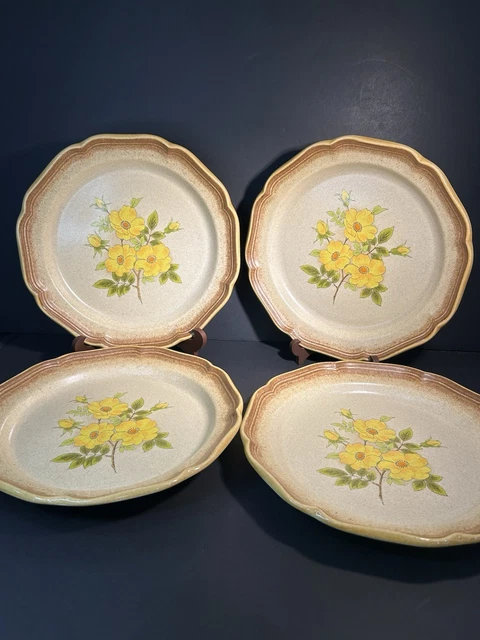
Credit: picclick.ca
Manufacturing Locations
Understanding where Mikasa dinnerware is manufactured gives you insight into the quality and care behind each piece. The brand is known for blending traditional craftsmanship with modern techniques, and its manufacturing locations reflect this balance. Let’s look closely at where these elegant pieces are produced and what that means for you.
Production Facilities Worldwide
Mikasa operates several production facilities across the globe to meet different market demands and maintain quality control. These plants are strategically placed to ensure efficient distribution and adherence to local manufacturing standards.
- Asia:Many Mikasa products are manufactured in countries like China and Thailand, where skilled artisans work alongside advanced machinery.
- Europe:Some premium lines are crafted in Italy, emphasizing traditional European ceramic techniques.
- North America:There are also facilities in the United States focused on overseeing quality and managing design innovation.
This global presence allows Mikasa to combine diverse craftsmanship styles while maintaining consistent quality. Have you noticed subtle design differences in Mikasa pieces that reflect these regional influences?
Country Of Origin For Mikasa Dinnerware
While Mikasa sources its production from various countries, the official country of origin often depends on the specific collection or product line. For example, casual everyday dinnerware might come from Asia, whereas fine china collections frequently list Italy or the USA as the origin.
Knowing the country of origin can help you understand the durability and style of your dinnerware. It also affects the price point and care instructions. Next time you shop, take a moment to check the label and see where your Mikasa piece was made—you might find your favorite dinnerware has a unique story behind it.
Materials And Craftsmanship
Mikasa dinnerware reflects a blend of quality materials and skilled craftsmanship. Each piece is made to last and to look beautiful on any table. The brand uses a variety of materials that meet strict standards. These materials provide durability and elegance. Craftsmanship ensures that every detail is perfect, from the shape to the finish.
Types Of Materials Used
Mikasa uses several materials to create its dinnerware. Porcelain is common and offers a smooth, white surface. Bone china is another favorite, known for its lightness and strength. Glass and stoneware also appear in some collections. These materials resist chips and cracks. They also maintain their shine after many uses.
- Porcelain: durable and classic
- Bone china: lightweight and strong
- Glass: clear and modern
- Stoneware: rustic and sturdy
Design And Quality Standards
Every piece of Mikasa dinnerware follows strict quality rules. The brand tests for strength and finish. Designs are carefully planned to suit many styles. Patterns range from simple to ornate. Each item must pass checks before shipping. This ensures customers receive only the best. The attention to detail shows in smooth edges and vibrant colors.
Impact Of Manufacturing On Quality
The place where Mikasa dinnerware is made plays a key role in its overall quality. Manufacturing processes affect the strength, look, and finish of each piece. Skilled craftsmanship and strict quality checks help keep the brand’s reputation strong. Every step, from raw materials to final inspection, impacts how well the dinnerware performs and lasts.
Durability And Finish
Mikasa dinnerware is designed to last long with daily use. The manufacturing uses high-quality materials that resist chips and cracks. The finish on each piece is smooth and glossy, adding beauty and protection. Careful firing techniques give the dinnerware a strong, durable surface. This prevents quick wear and keeps the colors bright over time.
Consumer Reviews And Feedback
Many buyers praise Mikasa for its lasting quality and elegant finish. Reviews often mention how the dinnerware stands up to regular washing and handling. Some users note minimal fading or chipping after months of use. Feedback helps the company improve future designs and maintain high standards. Positive reviews show that the manufacturing focus on quality truly matters to customers.
Sustainability Practices
Sustainability matters more than ever when choosing dinnerware. You want products that respect the planet and support ethical practices. Mikasa takes this seriously, blending quality with a commitment to reducing environmental impact.
Eco-friendly Manufacturing
Mikasa’s production facilities focus on minimizing waste and using safer materials. They use energy-efficient kilns that reduce carbon emissions during the firing process.
Water recycling systems are in place to lower consumption. This means less strain on local resources while maintaining high product standards.
Have you ever wondered how much water goes into making a single plate? Mikasa’s efforts help lower that footprint significantly.
Corporate Responsibility Initiatives
Mikasa invests in community programs and environmental projects. These include tree planting campaigns and partnerships with local organizations to promote sustainability.
The company also supports fair labor practices, ensuring workers have safe conditions and fair wages. This reflects in the quality and ethical value of your dinnerware.
When you buy Mikasa, you’re supporting a brand that cares about people and the planet—not just profits. How important is that to your purchase decisions?

Credit: unityrecovery.org
How To Identify Authentic Mikasa Dinnerware
Identifying authentic Mikasa dinnerware helps ensure quality and durability. Genuine pieces have distinct features that set them apart from imitations. Knowing these details protects your investment and enhances your dining experience.
Labels And Markings
Authentic Mikasa dinnerware carries clear, consistent labels. The bottom usually shows the Mikasa logo. This logo includes the word “Mikasa” in a clean, sharp font.
Look for country of origin marks, such as “Made in China” or “Made in Japan.” These marks confirm where the dinnerware was manufactured. Genuine pieces have smooth, well-printed labels without smudges or errors.
Some collections may include additional markings like pattern names or numbers. These help identify the specific design and production batch.
Avoiding Counterfeits
Fake Mikasa dinnerware often has blurry logos or misspelled brand names. The weight and feel may differ from real pieces. Counterfeits might feel lighter or less sturdy.
Check the quality of the glaze and paint. Authentic items have smooth, even finishes without bubbles or cracks. Patterns should align perfectly, not be crooked or faded.
Buy from trusted retailers or official Mikasa stores. Avoid deals that seem too good to be true. Genuine Mikasa dinnerware comes with proper packaging and care instructions.
Frequently Asked Questions
Where Is Mikasa Dinnerware Made?
Mikasa dinnerware is primarily manufactured in China. The brand partners with factories that meet high-quality standards. This ensures durable and stylish dinnerware for customers worldwide.
Are Mikasa Dishes Made In The Usa?
Most Mikasa dinnerware is not made in the USA. However, some collections may be designed or assembled in the United States. The majority of production takes place overseas.
What Materials Are Used In Mikasa Dinnerware?
Mikasa dinnerware uses materials like porcelain, stoneware, and bone china. These materials offer strength, elegance, and a variety of designs for different tastes.
Is Mikasa Dinnerware High Quality?
Yes, Mikasa dinnerware is known for its high quality. The manufacturing process involves strict quality control. This guarantees long-lasting, beautiful dinnerware for everyday use and special occasions.
Conclusion
Mikasa dinnerware is made in several countries, including China and Thailand. Each piece reflects careful design and quality materials. The brand focuses on blending style with durability. You get beautiful dishes that last a long time. Knowing where your dinnerware comes from helps you appreciate it more.
This information guides your choice when buying tableware. Choose Mikasa for reliable, attractive plates and bowls. Simple, elegant, and well-made—that’s what Mikasa offers.

Sophia Martinez is a culinary lifestyle writer and product reviewer for DiningGadgets.com. Passionate about blending style with functionality, she explores the latest dining essentials, kitchen décor, and cleaning hacks that transform everyday cooking spaces. With a background in home organization and design, Sophia brings readers expert advice on creating beautiful, practical kitchens that truly feel like the heart of the home.