

Choosing the right color for your kitchen walls can feel like a daunting task. You might wonder, “Is there really a perfect shade?”
The truth is, the color you pick can transform your kitchen from just a cooking space into the heart of your home. It can make your mornings brighter, your meals more delightful, and even influence your mood. Imagine walking into a kitchen that feels welcoming and inspiring every single day.
Curious about which colors can create that perfect vibe? Stick around, and you’ll discover the secrets to finding the best hue for your kitchen walls, tailored just for you.
Popular Kitchen Colors
Choosing the right color for kitchen walls shapes the room’s mood and style. Popular colors suit many tastes and designs. They create a welcoming and lively space for cooking and gathering.
Classic Neutrals
Neutral tones never go out of style. Shades like white, beige, and gray offer a clean and calm look. These colors make the kitchen feel spacious and bright. They match any cabinet or countertop color easily. Neutrals also help highlight kitchen decor and accessories.
Bold And Bright
Bright colors bring energy and personality to the kitchen. Reds, blues, and yellows create a cheerful atmosphere. These colors work well in modern or eclectic kitchens. Use bold tones on one wall for a striking accent. They can inspire creativity and make cooking more fun.
Soft Pastels
Pastel shades add a gentle and fresh touch. Light blues, greens, and pinks create a soothing environment. These colors suit cottage or vintage kitchen styles. Pastels help the kitchen feel cozy without being dull. They blend well with natural wood and white finishes.
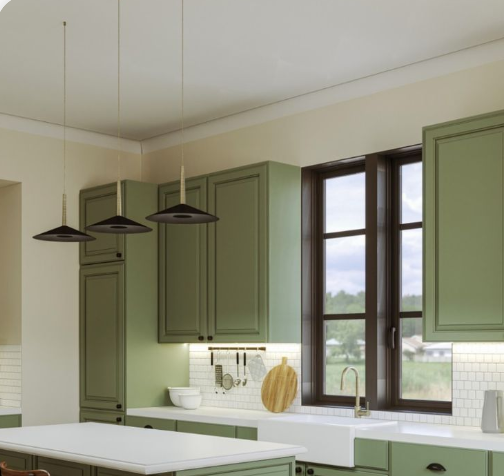
Credit: www.jswpaints.in
Choosing Colors By Kitchen Style
Choosing colors for kitchen walls depends greatly on the kitchen style. The right color highlights the design and creates the mood you want. Each style calls for different shades that bring out its unique charm. Understanding these can help you select a color that fits perfectly.
Modern And Minimalist
Modern kitchens favor clean lines and simple shapes. Neutral colors like white, gray, and black work well here. These shades make the space feel open and calm. Soft pastels can add a subtle touch of color without cluttering the look. Avoid bright or busy patterns to keep the sleek feel.
Rustic And Farmhouse
Rustic kitchens feel warm and inviting. Earth tones like beige, soft brown, and olive green suit this style. These colors echo nature and add a cozy touch. Cream and soft yellow also brighten the space while keeping it natural. Textured paint or a matte finish enhances the farmhouse vibe.
Traditional And Classic
Traditional kitchens look elegant and timeless. Rich colors like navy blue, deep red, and forest green fit well. These tones add depth and a sense of history. Light shades like cream or soft gray balance the richness. Classic patterns on accent walls can add interest without overwhelming.
Impact Of Lighting On Color
Lighting changes the way paint colors appear in your kitchen. The same shade can look soft and warm or cold and dull. Understanding lighting effects helps you pick the best wall color. It also ensures your kitchen feels bright and welcoming.
Natural Light Effects
Natural light shifts throughout the day. Morning light is cool and blue. Afternoon light is warmer and yellow. North-facing kitchens get less sunlight. South-facing rooms feel bright and warm.
Colors look truer in natural light. Light shades appear fresher. Dark colors may seem softer. Pay attention to how much sunlight your kitchen gets. Test paint samples at different times of the day.
Artificial Lighting Choices
Artificial lights change color tones too. Warm bulbs make colors look cozy and yellowish. Cool bulbs bring out blues and greens. Bright white lights show colors clearly but can feel harsh.
Types of artificial light:
- Incandescent bulbs – warm and soft
- Fluorescent bulbs – cool and bright
- LED bulbs – available in warm or cool
Choose lighting that matches your kitchen’s mood. Use dimmers to adjust light levels. This helps colors stay balanced all day.

Credit: www.goodhousekeeping.com
Color Psychology In Kitchens
Colors have a strong impact on mood and behavior in any room. Kitchens are spaces where energy and calmness both matter. The right wall color can influence appetite, creativity, and relaxation. Choosing colors based on psychology helps create a balanced kitchen atmosphere.
Energizing Hues
Bright colors boost energy and stimulate the senses. Red and orange increase appetite and encourage conversation. Yellow adds warmth and happiness to the space. These hues work well in busy kitchens or where family gathers often.
- Red inspires action and excitement.
- Orange promotes enthusiasm and creativity.
- Yellow creates a sunny, cheerful mood.
Use these colors to make the kitchen lively and inviting. Pair them with neutral tones to avoid overwhelming the space.
Calming Shades
Soft colors help reduce stress and create a peaceful vibe. Blue tones bring calmness and focus. Green connects with nature and freshness. Light gray offers a modern, serene backdrop. These shades suit kitchens designed for relaxation and slow cooking.
- Blue soothes and lowers tension.
- Green refreshes and balances emotions.
- Gray adds quiet elegance.
Calming shades can make the kitchen feel spacious and clean. They work well with natural light and wooden accents.
Combining Wall Colors With Cabinets
Choosing the right wall color to match your kitchen cabinets can make a big difference in how your space feels. The colors should work together to create a look that’s balanced and pleasing to the eye. Whether you want a calm, unified look or something that stands out, the relationship between wall colors and cabinets is key to achieving your desired style.
Complementary Pairings
Complementary colors sit opposite each other on the color wheel and create a vibrant look when paired. For example, soft blue walls work beautifully with warm wood cabinets, adding freshness while highlighting the wood’s natural tones.
If your cabinets are white or cream, try walls in gentle greens or muted blues to keep the space light and airy. These pairings feel natural and inviting without overwhelming the senses. Have you thought about how a subtle color can bring out the best in your cabinets rather than compete with them?
Contrasting Options
Contrasting wall colors create drama and make your cabinets pop. Dark cabinets look stunning against light-colored walls like pale gray or soft beige, which help the cabinets stand out as a focal point.
On the other hand, bright or bold wall colors can brighten up simple, neutral cabinets. A deep navy wall with white cabinets, for instance, offers a fresh and modern vibe that energizes the kitchen.
Think about what mood you want to set. Do you want your cabinets to blend in smoothly, or do you prefer them to grab attention? Choosing the right contrast can help you create a kitchen you’ll enjoy every day.

Credit: www.housebeautiful.com
Trendy Accent Wall Ideas
Creating an accent wall in your kitchen can instantly boost its style without overwhelming the entire space. Accent walls let you play with color and texture in a focused area, making your kitchen feel fresh and inviting. Think about which wall catches your eye first or sits opposite natural light to maximize impact.
Using Wallpaper
Wallpaper offers endless options for accent walls, from bold patterns to subtle textures. You can pick a floral design to add a touch of vintage charm or a geometric print for a modern twist. Wallpaper is easy to swap out, so if your tastes change, your wall can evolve too.
Consider peel-and-stick wallpaper if you want a quick update without the mess. It’s perfect for renters or those who like changing styles often. Don’t shy away from vibrant colors or metallic finishes—they can add a unique personality to your kitchen.
Textured Finishes
Texture adds depth and interest beyond simple paint or wallpaper. Materials like brick, wood panels, or plaster create a tactile experience that makes your kitchen feel cozy and warm. You might try a reclaimed wood accent wall for rustic appeal or a smooth Venetian plaster for elegance.
Textured finishes can also help hide imperfections on your walls. They work well behind open shelves or a breakfast nook, where you spend most of your time. What kind of texture would inspire you to spend more time cooking or enjoying a meal?
Tips For Testing Paint Colors
Choosing the right paint color for kitchen walls can be tricky. Testing colors helps you see how they look in your space. It prevents costly mistakes and ensures satisfaction with the final look. Here are some simple tips to test paint colors effectively.
Sample Swatches
Get small paint samples from the store. Apply these swatches on different kitchen walls. Paint a few large patches, about 12 inches square. This size shows the color better than tiny chips. Let the paint dry completely before judging the color. Use matte and glossy finishes to compare how light reflects off each.
Viewing At Different Times
Colors change depending on light throughout the day. Check your swatches in the morning, afternoon, and evening. Notice how natural sunlight affects the color tone. Also, turn on kitchen lights and observe the paint. Artificial light can make colors look warmer or cooler. Testing at various times gives a full picture of how colors perform.
Frequently Asked Questions
What Colors Make Kitchen Walls Look Bigger?
Light colors like white, pale blue, and soft gray open up kitchen walls. They reflect more light, creating a spacious feel. Using these shades can make even small kitchens appear larger and more inviting without overwhelming the space.
Which Kitchen Wall Colors Boost Appetite?
Warm colors such as red, orange, and yellow stimulate appetite. These hues create a cozy, energetic atmosphere that encourages eating and socializing. They are popular choices for kitchens and dining areas to enhance the overall dining experience.
Are Neutral Colors Good For Kitchen Walls?
Yes, neutral colors like beige, taupe, and soft gray suit kitchens well. They provide a versatile, timeless backdrop that matches most decor styles. Neutrals also help highlight kitchen features without overpowering the space.
How To Choose Kitchen Wall Colors With Natural Light?
Choose light, cool colors like pale blue or soft green for bright kitchens. For darker kitchens, warm tones like cream or soft yellow enhance warmth. Matching color to natural light improves mood and highlights kitchen aesthetics.
Conclusion
Choosing the right color for kitchen walls sets the room’s mood. Soft, light tones open up small spaces and feel fresh. Bold colors add energy and make a statement. Think about your kitchen’s size, light, and style before deciding. Test paint samples on walls to see the true shade.
Your kitchen color should make you feel happy and comfortable. Simple choices can brighten your daily cooking experience. A good color turns your kitchen into a warm, inviting place.
