

Choosing the right paint for your kitchen walls can feel overwhelming. You want a color that looks great but also stands up to spills, steam, and constant cleaning.
The last thing you need is paint that peels or stains easily. What if you could find a paint that not only brightens your space but also makes your life easier? You’ll discover exactly which types of paint work best in kitchens and why.
By the end, you’ll feel confident picking the perfect paint that keeps your kitchen fresh and inviting for years to come. Keep reading to transform your kitchen walls effortlessly!
Choosing Kitchen Paint
Choosing the right paint for kitchen walls is important. Kitchen walls face heat, moisture, and stains every day. The right paint protects the walls and keeps them looking fresh longer. It also helps create the right mood in your kitchen space.
Factors To Consider
- Durability: Kitchen walls need paint that resists wear and tear.
- Moisture Resistance: Paint must handle steam and spills without peeling.
- Cleanability: Easy-to-clean paint helps remove stains and grease quickly.
- Finish: The finish affects how paint looks and performs under kitchen lights.
- Color: Choose colors that brighten the space and match cabinets or appliances.
Common Paint Types
| Paint Type | Features | Best Use |
|---|---|---|
| Eggshell | Soft sheen, easy to clean, hides wall imperfections | Living areas, low moisture kitchens |
| Satin | Smooth finish, moisture-resistant, durable | Most kitchens, especially with moderate humidity |
| Semi-Gloss | Shiny, highly durable, very easy to clean | High-moisture kitchens, backsplashes, trims |
| Gloss | Very shiny, very durable, highlights wall flaws | Cabinet doors, trim, accents |
| Matte/Flat | No shine, hides imperfections, less washable | Not recommended for kitchens |

Credit: www.reddit.com
Durability And Finish
Choosing the right paint for kitchen walls depends on durability and finish. Kitchen walls face moisture, stains, and frequent cleaning. Durable paint protects walls and keeps them looking fresh for longer. The finish affects not only appearance but also how easy it is to clean.
A good kitchen paint finish resists stains and wipes clean easily. It must handle scrubbing without peeling or fading. Understanding the difference between matte and glossy finishes helps pick the best option.
Matte Vs Glossy
Matte paint has no shine. It hides wall imperfections well. Matte finishes look smooth and soft. They do not reflect much light.
Glossy paint shines and reflects light. It shows wall flaws more clearly. Glossy finishes create a bright, clean look.
Matte is less durable for kitchens. It can stain and is harder to clean. Glossy paint is more resistant to moisture and dirt. It cleans easily with a damp cloth.
Best Finishes For Kitchens
- Satin:Offers a soft shine and good durability.
- Eggshell:Has a low sheen and is easier to clean than matte.
- Semi-gloss:Very durable and moisture-resistant. Easy to wipe clean.
- Gloss:Most durable and highly washable. Ideal for high-moisture areas.
Satin and eggshell finishes balance look and durability. Semi-gloss and gloss are top choices for moisture and stains. They keep kitchen walls looking clean longer.
Paint Formulas For Kitchens
Choosing the right paint formula for your kitchen walls can make a huge difference in how your space looks and holds up over time. Kitchens face unique challenges like moisture, stains, and frequent cleaning, so not all paints are created equal for this environment. Understanding the types of paint formulas available will help you pick the best option for a durable and beautiful finish.
Water-based Vs Oil-based
Water-based paints, also called latex paints, are popular for kitchen walls because they dry quickly and have low odor. They clean up easily with soap and water, which is a big plus when you’re dealing with kitchen messes.
Oil-based paints offer a smoother finish and tend to be more durable against wear and tear. However, they take longer to dry and require solvents like turpentine for cleanup. You might want to reserve oil-based paint for trim or cabinets rather than walls.
Think about how often you’ll need to clean the walls and how patient you are with drying times. Which matters more to you: quick cleanup or a tougher surface?
Mildew And Stain Resistance
Kitchens are prone to humidity and cooking splashes, so mildew and stain resistance are crucial features. Many water-based paints now come with mildewcide additives that prevent mold growth on painted surfaces.
Stain-resistant paints often have a special finish that makes it easier to wipe away grease, food splatters, and fingerprints without damaging the paint. This means less scrubbing and more keeping your walls looking fresh.
Look for paints labeled “kitchen and bath” or “mildew resistant” to ensure you get a product designed for these challenges. Would you rather repaint frequently or invest in a paint that stands up to kitchen life?
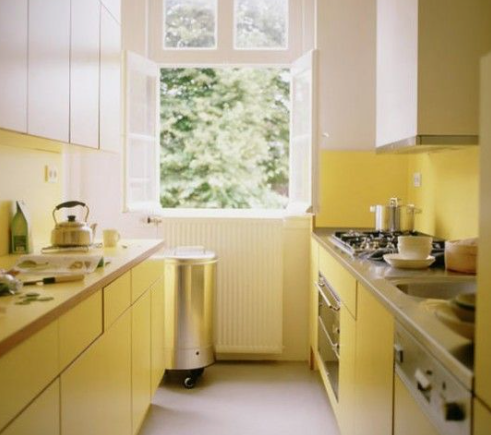
Credit: www.jswpaints.in
Color Selection Tips
Choosing the right color for your kitchen walls is more than just picking a shade you like. It affects how the space feels and functions every day. Thoughtful color selection can enhance light, hide flaws, and create a mood that suits your cooking and dining habits.
Light And Space Impact
Colors can change how large or small your kitchen feels. Lighter shades like soft whites, pale blues, or gentle yellows reflect more light, making the room feel open and airy. If your kitchen lacks natural light, these tones can brighten the space without adding extra fixtures.
Darker colors absorb light but add warmth and coziness. They work well if your kitchen is spacious or well-lit by windows. Ever noticed how a navy or forest green wall can make a large kitchen feel inviting rather than cold?
Think about your kitchen’s lighting throughout the day. Will you cook mostly in the morning or evening? Adjust your color choice based on when natural light is strongest to keep the space comfortable at all times.
Hiding Imperfections
Not all kitchens have perfectly smooth walls. If yours shows cracks, dents, or uneven textures, your paint color can either hide or highlight these flaws. Matte or eggshell finishes combined with medium to darker tones tend to mask imperfections better than glossy or very light paints.
For example, a soft gray with an eggshell finish can make minor wall bumps less visible while still reflecting enough light to keep the kitchen bright. Avoid very shiny paints, which reflect every imperfection and can make the walls look uneven.
Ask yourself: Is your kitchen wall surface flawless, or do you need a forgiving color? Choosing wisely saves you from constant touch-ups and keeps your walls looking fresh longer.
Preparation For Painting
Preparing your kitchen walls before painting is key to achieving a smooth, long-lasting finish. Skipping this step can lead to peeling paint, uneven color, and a surface that looks rushed. Taking the time to properly prepare ensures your hard work shines through every brushstroke.
Cleaning And Priming Walls
Dirt, grease, and kitchen grime build up quickly, especially around cooking areas. You need to clean the walls thoroughly with a mild detergent or a mix of vinegar and water. This removes residues that paint won’t stick to well.
After cleaning, let the walls dry completely. Then, apply a primer suited for kitchens—one that resists moisture and stains. Primer helps the paint adhere better and provides a uniform surface for your topcoat.
Repairing Surface Flaws
Look closely for cracks, holes, or peeling paint on your kitchen walls. These imperfections will stand out after painting and spoil the smooth look you want. Use spackling paste or filler to patch these flaws, then sand the area smooth once dry.
Don’t forget to scrape away any loose paint before filling holes. A smooth, even surface is easier to paint and improves the durability of your finish. Have you noticed any spots where the wall feels rough or uneven? That’s your cue to fix them before painting.
Application Techniques
Applying paint on kitchen walls requires careful attention to detail. The right techniques help ensure smooth, even coverage. Proper application also improves paint durability against kitchen moisture and stains. Understanding the tools and number of coats needed can make painting easier and more effective.
Tools And Methods
Using the correct tools is essential for a clean finish. A good quality roller covers large areas quickly. Choose a roller with a medium nap for textured kitchen walls. Brushes are best for edges and corners where rollers cannot reach. Painter’s tape helps create sharp lines around trims and outlets.
- Use a roller tray to evenly load paint on the roller.
- Cut in around edges with a 2 to 3-inch angled brush.
- Maintain a wet edge to avoid visible marks.
- Use long, smooth strokes for an even finish.
Number Of Coats
Most kitchen walls need two coats of paint for full coverage. The first coat may show streaks or uneven color. The second coat evens out the color and hides any imperfections. Allow the first coat to dry completely before applying the second. Check the paint can for recommended drying times.
- Apply the first coat thinly and evenly.
- Wait at least 4 hours before the second coat.
- Inspect walls in good light to find missed spots.
- Add a third coat if the color still looks uneven.
Maintenance And Touch-ups
Maintaining kitchen walls keeps your space fresh and inviting. Proper care extends paint life and preserves its look. Touch-ups fix minor damage fast and save costly repainting later. Choose the right paint type for easier cleaning and repairs.
Cleaning Painted Walls
Use a soft cloth or sponge with warm water. Mild soap works well for removing grease and dirt. Avoid harsh scrubbing to prevent paint damage. Test cleaning solution on a small area first. Rinse with clean water and dry the wall gently. Regular cleaning stops stains from setting in.
Fixing Chips And Stains
Small chips need quick attention to avoid spreading damage. Lightly sand the area to smooth edges. Use matching paint for touch-ups to blend perfectly. For stains, spot clean with gentle detergent before repainting. Keep extra paint from your original project for easy repairs. Touch-ups keep walls looking neat and fresh over time.
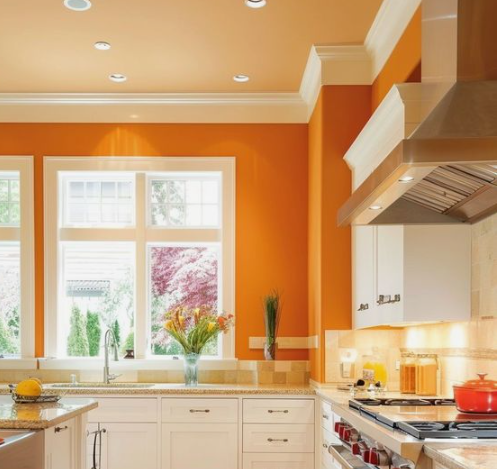
Credit: www.jswpaints.in
Frequently Asked Questions
What Is The Best Paint Finish For Kitchen Walls?
Satin or semi-gloss finishes work best for kitchen walls. They resist moisture and stains, making cleaning easy. These finishes also provide a subtle shine that brightens the space without highlighting imperfections.
Can I Use Matte Paint In The Kitchen?
Matte paint is not ideal for kitchens. It absorbs stains and is harder to clean. Kitchens need more durable, moisture-resistant finishes like satin or semi-gloss for better longevity and maintenance.
How Does Kitchen Paint Differ From Regular Wall Paint?
Kitchen paint contains mildew-resistant and washable properties. It is designed to withstand heat, moisture, and frequent cleaning. Regular wall paint may peel or stain easily in kitchen environments.
Should I Use Oil-based Or Water-based Paint In Kitchens?
Water-based (latex) paint is preferred for kitchens. It dries quickly, has low odor, and cleans up easily. Oil-based paints are durable but emit strong fumes and take longer to dry.
Conclusion
Choosing the right paint transforms your kitchen space. Consider durability and finish. Satin or semi-gloss paints resist stains well. They are easy to clean. These paints handle kitchen moisture and heat. Think about color too. Light colors make spaces look bigger.
Dark colors add coziness. Test samples before painting all walls. This ensures the color matches your vision. A well-chosen paint enhances kitchen beauty and function. It’s a simple way to refresh your space. Happy painting!
