

If you have a house with a driveway, you might have seen a part of it near the street. This part is called a driveway apron. But what exactly is a driveway apron? Why is it important? This article will explain everything in simple words.

Credit: www.superboutdoors.com
Definition of Driveway Apron
A driveway apron is the section of the driveway that connects your private driveway to the public road or street. It is usually made of concrete, asphalt, or bricks. This part helps cars move smoothly from the road to your driveway. Think of it as a bridge between the street and your driveway.
Where is the Driveway Apron Located?
The driveway apron is located at the edge of your property. It starts where the public sidewalk or street ends and continues up to the main driveway area. It often has a different texture or color than the rest of the driveway. This difference helps to protect the road and driveway edges.
Why is Driveway Apron Important?
The driveway apron has many important jobs. Here are some reasons why it matters:
- Protects the Road: It keeps the street edge safe from damage caused by cars turning or parking.
- Easy Car Movement: It makes it smooth for cars to go from the street to your driveway.
- Prevents Erosion: It stops soil and dirt from washing away near the driveway.
- Improves Safety: It gives a flat surface for cars, reducing the chance of accidents.
- Enhances Appearance: A clean, well-made apron looks nice and adds value to your home.
Materials Used for Driveway Aprons
Driveway aprons can be made from different materials. The choice depends on the location, budget, and style. The most common materials are:
| Material | Description | Advantages |
|---|---|---|
| Concrete | Strong and durable material made from cement, water, and sand. | Lasts long, easy to clean, and resists heavy cars. |
| Asphalt | Black, smooth material made from petroleum products. | Cheaper than concrete, easy to repair, and flexible. |
| Bricks or Pavers | Small blocks made from clay or concrete. | Looks beautiful and can be replaced easily. |
| Gravel | Small stones spread over the surface. | Low cost and good drainage but needs regular maintenance. |
How is a Driveway Apron Built?
Building a driveway apron needs careful planning. Here are the main steps:
- Measure the Area: Find the right size for the apron. It should be wide enough for cars.
- Prepare the Ground: Clear the land and level the soil.
- Install a Base Layer: Add gravel or crushed stone to create a strong base.
- Pour or Lay Material: Pour concrete or asphalt, or place bricks or pavers.
- Smooth and Finish: Make the surface flat and even.
- Let it Dry: Allow the material to harden, which can take several days.
Driveway Apron Maintenance Tips
Keeping your driveway apron in good shape helps it last longer. Here are simple tips:
- Clean Regularly: Remove dirt, leaves, and debris.
- Fix Cracks: Repair small cracks quickly to stop bigger problems.
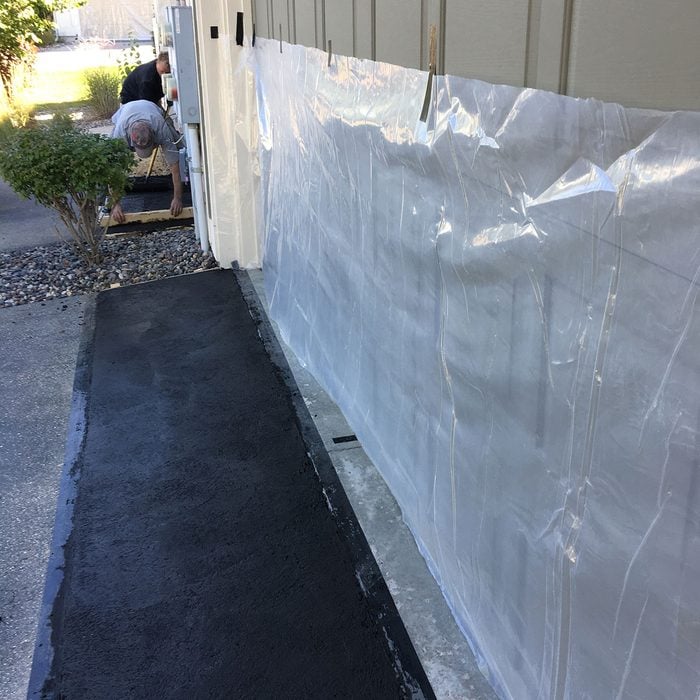
- Seal the Surface: Apply a sealant to protect concrete or asphalt.
- Check Drainage: Make sure water flows away from the apron.
- Remove Snow and Ice: Use safe methods to keep the surface clear in winter.
Credit: www.familyhandyman.com
Common Problems with Driveway Aprons
Sometimes, driveway aprons face problems. Knowing these helps you fix them early.
- Cracking: Caused by weather changes or heavy cars.
- Settling or Sinking: The ground beneath may shift or sink.
- Drainage Issues: Water may pool and cause damage.
- Fading or Staining: Sun or oil can change the color.
- Edge Damage: Cars turning hard can break edges.
Driveway Apron and Local Rules
Before building or fixing a driveway apron, check local rules. Some cities have rules for:
- Size and width of the apron
- Materials allowed
- Permit requirements
- Drainage and water flow
Following these rules helps avoid fines and keeps your driveway safe.
How Driveway Aprons Affect Your Home
A well-made driveway apron does more than just connect your driveway to the street. It adds value to your home. A clean, neat apron shows care and attention. This can make your home look better to visitors and buyers.
Also, it helps protect your driveway and street. This can save money on repairs in the long run.
Signs You Need a New Driveway Apron
Sometimes, your apron needs replacement. Here are signs to watch for:
- Large cracks or holes
- Uneven surface or sinking areas
- Water pooling on the surface
- Edges crumbling or breaking
- Frequent repairs that don’t last
If you see these signs, consider fixing or replacing the apron soon.
Frequently Asked Questions
What Is A Driveway Apron?
A driveway apron is the section where the driveway meets the street. It provides a smooth transition.
Why Is A Driveway Apron Important?
It prevents damage to vehicles and ensures safety. Also, it enhances curb appeal.
How Wide Should A Driveway Apron Be?
Typically, it is 10 to 15 feet wide. This allows easy vehicle access.
What Materials Are Used For Driveway Aprons?
Common materials include concrete, asphalt, and pavers. Each offers durability and style.
Conclusion
A driveway apron is the small but important part of your driveway. It connects your driveway to the street. It helps cars move smoothly and protects the road and driveway edges.
Choosing the right material and building the apron well is important. Regular care keeps it strong and looking good. Also, following local rules helps avoid problems.
Next time you drive into your home, notice the driveway apron. It plays a big role in your driveway’s safety and look.

Ethan Cole is a kitchen innovation enthusiast and food technology writer at DiningGadgets.com. With over 8 years of experience reviewing cookware, smart kitchen tools, and design trends, he helps readers discover gadgets that make cooking easier and dining more enjoyable. When he’s not testing the latest kitchen appliances, Ethan enjoys experimenting with recipes and sharing practical tips for modern homes.