

Choosing the best paint for your kitchen walls can feel overwhelming. You want a color that looks great, but also stands up to heat, moisture, and frequent cleaning.
The wrong paint can lead to peeling, stains, or dullness, making your kitchen lose its charm quickly. But don’t worry—this guide will help you find the perfect paint that keeps your kitchen fresh, bright, and easy to maintain. Keep reading to discover expert tips and the top paint options that work best for your kitchen walls.
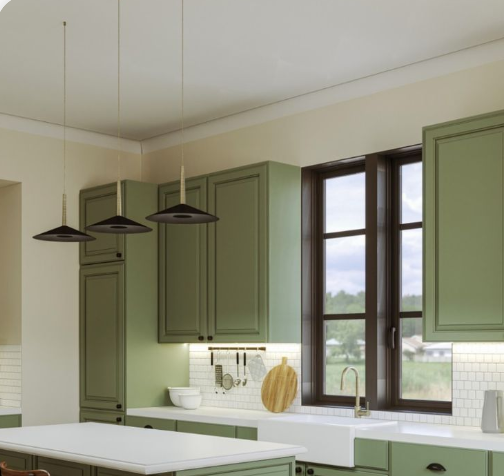
Credit: www.jswpaints.in
Choosing Paint For Kitchen Walls
Choosing the right paint for kitchen walls is important for both look and function. Kitchens face heat, moisture, and stains daily. Paint must handle these challenges while keeping the space fresh and clean. Selecting the best paint type improves the kitchen’s durability and appearance.
Factors To Consider
Start with the paint’s resistance to moisture and stains. Kitchens have steam and spills that can damage paint. Choose paint that cleans easily and does not peel or fade. Color also matters. Light colors can make small kitchens look larger. Dark colors add warmth but may show stains more.
Consider your kitchen’s lighting. Natural light changes how paint colors appear. Test paint samples on the wall before buying. Also, think about the paint’s drying time and smell. Low-odor paints are better for indoor use.
Durability And Moisture Resistance
Durability is key in kitchens. Paint must resist wear and tear from cooking and cleaning. Moisture resistance prevents mold and mildew growth. Choose paints labeled as washable and scrubbable for easy cleaning.
Look for paints with mildew-resistant properties. They help protect against damp conditions. Semi-gloss and satin finishes usually offer better moisture resistance. These finishes stand up well against water and stains.
Finish Types And Their Benefits
- Matte:Hides wall imperfections. Not very durable or washable.
- Eggshell:Slight shine. Easier to clean than matte. Good for moderate traffic.
- Satin:Smooth finish with mild gloss. Durable and easy to clean.
- Semi-gloss:High durability and moisture resistance. Great for kitchens and bathrooms.
- Glossy:Very shiny and durable. Shows wall flaws but easy to wipe clean.
Satin and semi-gloss finishes often work best for kitchen walls. They balance shine, durability, and moisture resistance well.
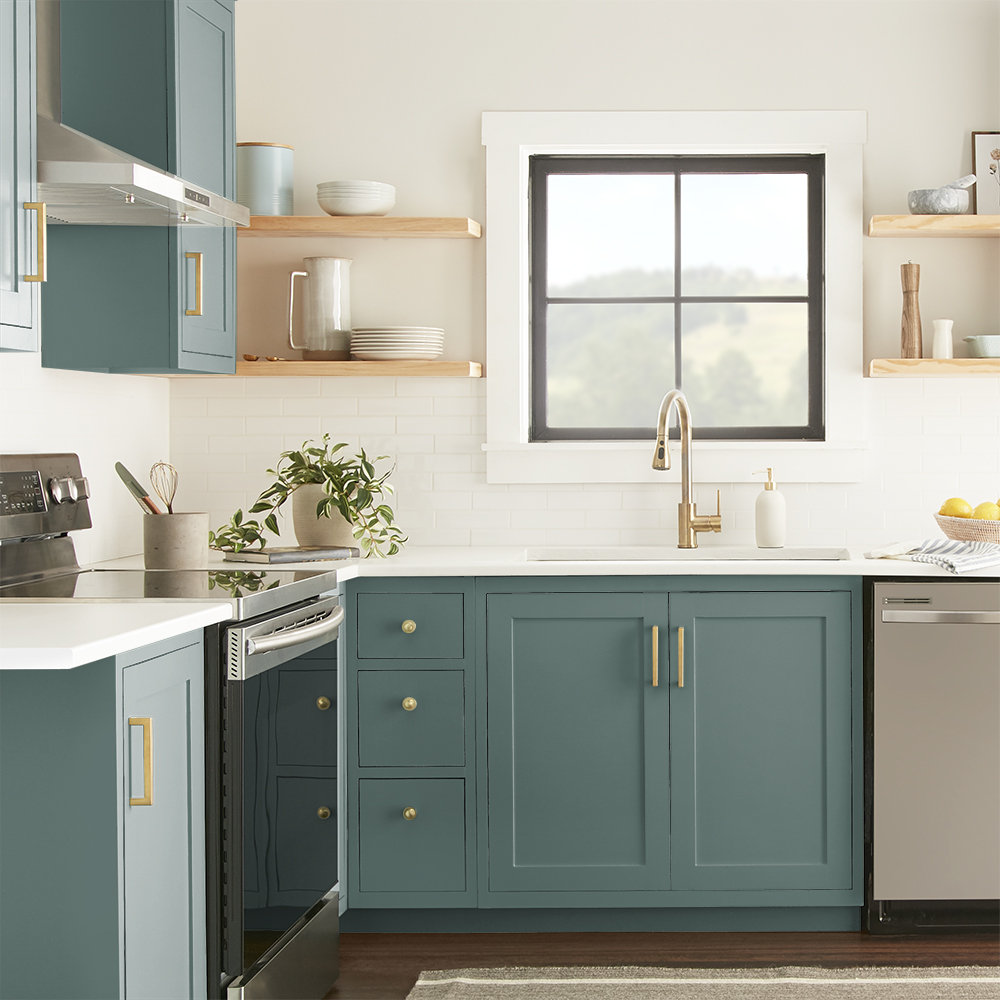 "What is Best Paint for Kitchen Walls: Top Durable & Stylish Picks 2")
Credit: www.homedepot.com
Top Durable Paints For Kitchens
Choosing the right paint for your kitchen walls is more than just picking a pretty color. Durability matters because kitchens face heat, moisture, and frequent cleaning. Here are some top durable paints that stand up well in busy kitchen environments.
Acrylic Latex Paint
Acrylic latex paint is a popular choice for kitchen walls due to its excellent durability and easy maintenance. It resists moisture and stains, which means you can wipe off spills without damaging the paint. Plus, it dries quickly and offers good color retention over time.
Many homeowners prefer it because it combines strong adhesion with flexibility, reducing chances of cracking. If you want a balance between durability and ease of application, this paint fits well.
Epoxy Paint
Epoxy paint is known for its toughness and resistance to chemicals, heat, and moisture. It creates a hard, glossy finish that holds up against scrubbing and spills, making it perfect for high-traffic kitchen areas. However, its strong odor during application means good ventilation is necessary.
This paint is often used on surfaces like countertops and backsplashes but works just as well on walls that need extra protection. Have you ever tried scrubbing a greasy kitchen wall? Epoxy paint makes that task much easier.
Alkyd Paint
Alkyd paint offers a smooth, durable finish that resists stains and moisture better than many other paints. It’s oil-based, so it tends to be more resistant to wear and tear, but it takes longer to dry and requires proper ventilation during application. Alkyd paint also provides a rich, glossy appearance that many find appealing in kitchen spaces.
If you want a paint that handles heavy use and keeps your walls looking fresh, alkyd is a solid option. Are you ready to invest a bit more time in drying for a finish that lasts?
Stylish Paint Options
Choosing the right paint for your kitchen walls means balancing style with practicality. Stylish paint options not only enhance the look of your kitchen but also stand up to daily wear and tear. Let’s break down some popular finishes, trending colors, and creative ways to make your walls pop.
Matte Vs. Satin Finishes
Matte paint offers a smooth, non-reflective surface that hides wall imperfections well. It creates a cozy, modern vibe but can be harder to clean after splashes or stains.
Satin finishes have a slight sheen, making them easier to wipe down without sacrificing style. This makes satin a smart choice for kitchens where moisture and grease are common.
Ask yourself: Do you want a soft, understated look or a finish that balances style with easy maintenance? Your answer will guide you toward matte or satin.
Trendy Color Palettes
Current favorites include muted greens, soft blues, and warm neutrals. These shades bring a fresh and calming atmosphere to your kitchen.
Bold colors like navy or deep charcoal add drama and sophistication but work best on accent walls or paired with lighter cabinetry.
Think about how natural light hits your kitchen. Will your chosen color brighten the space or make it feel smaller? Testing samples on your walls before committing can save frustration.
Accent Wall Ideas
An accent wall adds personality without overwhelming your kitchen. Choose a contrasting color or a trendy pattern like geometric shapes or subtle stripes.
Using a darker shade behind open shelves or a breakfast nook can create a stunning focal point. You might even try chalkboard paint for a fun, interactive surface where you jot grocery lists or recipes.
What part of your kitchen do you want to highlight? An accent wall can change the entire feel of the room with minimal effort and cost.

Credit: www.goodhousekeeping.com
Preparing Walls For Painting
Preparing your kitchen walls before painting is a key step that many overlook. The quality of your paint job depends heavily on how well you prep the surfaces. Taking the time to clean, repair, and prime your walls can save you headaches and help the paint last longer.
Cleaning And Repairing Surfaces
Start by removing grease, dirt, and dust from your kitchen walls. Use a mild detergent mixed with warm water and a sponge to wipe down all surfaces. If you skip this, the paint might not stick properly, leading to peeling or uneven texture.
Next, inspect your walls for cracks, holes, or dents. Fill any imperfections with a lightweight spackle or filler. After it dries, sand the area smooth so your walls feel even to the touch. Have you ever noticed how a small nail hole can become a glaring spot after painting? Fixing these makes a big difference.
Priming Tips
Priming creates a perfect base for your paint, especially on repaired or stained surfaces. Choose a primer that suits your wall type and paint finish. For kitchen walls, a stain-blocking primer can prevent grease marks from bleeding through.
Apply the primer evenly with a brush or roller and let it dry completely before painting. This step improves paint adhesion and enhances the color’s vibrancy. Have you tried painting without primer? You might have seen how uneven and dull the paint can turn out.
Tools Needed
- Sponges and cleaning cloths:For washing walls and wiping dust.
- Lightweight spackle and putty knife:To fill holes and smooth surfaces.
- Sandpaper (medium and fine grit):For smoothing repairs and rough spots.
- Primer and paint brushes or rollers:Essential for applying primer and paint evenly.
- Painter’s tape:To protect edges and create clean lines.
Having these tools ready makes the process smoother and more efficient. What’s your go-to tool when prepping walls? Sometimes the right equipment can change the whole experience.
Application Tips For Lasting Results
Getting the best paint for your kitchen walls is just the beginning. How you apply it can make a huge difference in how long it lasts and how great it looks. Paying attention to the right techniques, understanding drying times, and knowing how to maintain your painted walls will help you avoid common problems like peeling or staining.
Best Painting Techniques
Start by cleaning your kitchen walls thoroughly. Grease and dirt can prevent paint from sticking properly.
Use a high-quality primer designed for kitchens to block stains and improve adhesion. Applying the paint with a roller ensures smooth coverage on large areas, while a brush helps with corners and edges.
Don’t overload your brush or roller; thin, even coats dry better and reduce drips. Have you noticed how thick paint often leads to uneven surfaces? It’s tempting to cover everything in one go, but patience pays off.
Drying And Curing Times
Each paint brand and type has specific drying times — usually listed on the can. Let the paint dry completely between coats to avoid peeling or bubbling.
Keep in mind that curing (the process of paint reaching full hardness) can take days or even weeks. Avoid scrubbing or heavy cleaning during this time to protect the finish.
Think about your kitchen schedule—can you leave the room undisturbed long enough? It might mean planning your painting project over a weekend or holiday.
Maintenance And Touch-ups
Kitchen walls get dirty fast. Use a damp cloth with mild soap to gently clean spots without damaging the paint.
Keep some leftover paint for quick touch-ups. Small chips or stains are easier to fix early before they become bigger issues.
Regularly check for signs of wear, especially near sinks and cooking areas. Addressing problems quickly keeps your kitchen looking fresh and protects your investment.
Common Mistakes To Avoid
Painting kitchen walls seems simple, but many make avoidable errors. These mistakes affect the paint’s look and lifespan. Knowing what to avoid saves time, money, and effort. Below are some common errors to watch out for when choosing the best paint for kitchen walls.
Choosing The Wrong Finish
Not all paint finishes suit kitchen walls. Flat or matte finishes hide imperfections but stain easily. Glossy or semi-gloss paints resist stains and are easy to clean. Using the wrong finish means frequent repainting or tough cleaning. Opt for a finish that balances beauty and durability.
Skipping Surface Prep
Painting on dirty or uneven walls leads to poor results. Grease, dust, and old paint reduce adhesion. Without cleaning and sanding, paint peels or bubbles. Proper prep ensures the paint sticks well and lasts longer. Take time to wash, dry, and smooth the walls before painting.
Ignoring Ventilation
Paint fumes can be harmful, especially in enclosed kitchens. Poor ventilation slows drying and worsens indoor air quality. Open windows and use fans to improve airflow during and after painting. Good ventilation protects health and helps paint cure properly.
Frequently Asked Questions
What Type Of Paint Is Best For Kitchen Walls?
The best paint for kitchen walls is washable, moisture-resistant, and durable. Satin or semi-gloss finishes are ideal as they resist stains and are easy to clean.
Should I Use Oil-based Or Water-based Paint In Kitchens?
Water-based (latex) paint is preferred for kitchens. It dries quickly, has low odor, and resists mildew, making it safer and more practical than oil-based options.
How Important Is Paint Finish For Kitchen Walls?
Paint finish is crucial. Semi-gloss or satin finishes provide durability and moisture resistance, helping kitchen walls withstand grease, steam, and frequent cleaning.
Can I Use Matte Paint On Kitchen Walls?
Matte paint is not recommended for kitchens because it absorbs stains and is harder to clean, making it less practical for high-moisture, high-traffic areas.
Conclusion
Choosing the right paint for kitchen walls matters. It’s about durability and style. Semi-gloss and satin paints resist stains and moisture. They clean easily, which is essential in kitchens. Consider color carefully. Light shades make spaces feel larger and brighter.
Test samples on your walls. See how they look in different lights. Don’t rush your decision. Remember, good paint enhances your kitchen’s beauty. It also protects your walls. Investing in quality paint makes a difference. Your kitchen deserves the best finish.
Make it a room you love.
