

When you hear the word “apron,” you might think of the cloth people wear while cooking. But in construction, an apron means something different. It is an important part of many building projects. Aprons help protect structures and keep them strong.
Definition of Apron in Construction
An apron in construction is a flat surface made of concrete, stone, or other hard materials. It is usually placed around certain parts of a building or structure. Its job is to protect and support these parts.
For example, you often see aprons around doors, windows, or near the base of a building. They stop water from going under these areas and causing damage. Aprons also help keep dirt and debris away.
Types of Aprons in Construction
There are different kinds of aprons used in construction. Each one has a special use. Here are some common types:
- Door Apron: This is a flat area outside a door. It helps stop water from entering the building.
- Window Apron: Placed below windows, this apron helps direct rainwater away from the wall.
- Driveway Apron: This is the part where the driveway meets the street. It provides a smooth transition for cars and protects the edges.
- Foundation Apron: This apron is around the base of a building. It protects the foundation from water and soil erosion.
Why Are Aprons Important in Construction?
Aprons serve many important jobs. They protect buildings and make them last longer. Here are some reasons why aprons are needed:
- Water Protection: Aprons stop water from going where it should not. This helps avoid water damage.
- Soil Control: They keep soil and dirt away from important parts of a building.
- Prevent Erosion: Aprons help stop the ground from washing away near foundations.
- Safe Walkways: Aprons create flat, smooth surfaces for walking or driving.
- Support Structure: They help support parts of a building, keeping them stable.
Where Are Aprons Used in Construction?
Aprons can be found in many places on construction sites. Some common locations include:
- Building Entrances: Aprons are often placed at doorways to keep water out.
- Windows: Below windows, aprons help direct rainwater away.
- Driveways and Garages: Aprons create smooth entry points for cars.
- Foundations: Around the base of buildings to protect from water and soil damage.
- Bridges and Roads: Aprons help protect edges and support heavy loads.
Materials Used for Aprons
Aprons can be made from different materials. The choice depends on the project and budget. Some common materials include:
| Material | Details | Advantages |
|---|---|---|
| Concrete | Most popular choice for aprons. Strong and durable. | Long-lasting, water-resistant, low maintenance. |
| Stone | Natural look, used in decorative areas. | Attractive, strong, but can be expensive. |
| Asphalt | Used mostly for driveway aprons. | Flexible and easy to repair. |
| Brick | Used for decorative or traditional designs. | Good appearance, but less water-resistant. |
How Are Aprons Built?
Building an apron involves several steps. The process must be done carefully. Here is a simple guide:
- Site Preparation: Clean the area where the apron will go.
- Excavation: Dig a shallow trench to place the apron base.
- Base Layer: Add gravel or crushed stone for a strong base.
- Formwork: Set wooden or metal forms to shape the apron.
- Pouring Material: Pour concrete or lay stones within the forms.
- Smoothing: Level and smooth the surface carefully.
- Curing: Let the material dry and harden fully.
- Finishing Touches: Remove forms and clean the area.
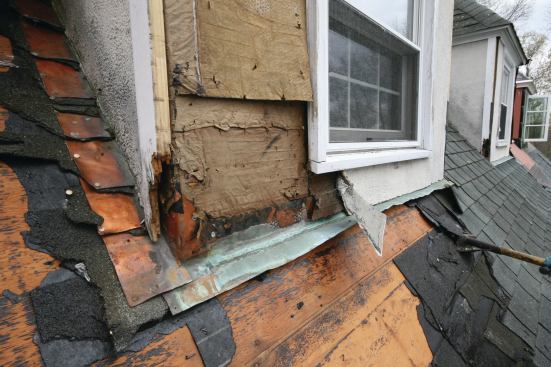
Credit: www.jlconline.com
Common Problems Without an Apron
Not having an apron can cause many problems. Here are some issues that may happen:
- Water Damage: Water may seep under doors or windows.
- Soil Erosion: Ground near the foundation can wash away.
- Cracked Foundation: Water and soil movement can crack the base.
- Uneven Surfaces: No smooth walkway or driveway entrance.
- Damage to Walls: Water can cause paint or plaster to peel.
Tips for Maintaining Aprons
To keep aprons in good condition, some care is needed. Here are simple tips:
- Clean aprons regularly to remove dirt and leaves.
- Check for cracks or damage often.
- Seal concrete aprons every few years to stop water seepage.
- Fix small cracks quickly before they grow bigger.
- Remove weeds or plants growing near aprons.

Credit: www.nationalcontractors.net
Summary
An apron in construction is a flat surface near doors, windows, or foundations. It protects buildings from water and soil damage. Aprons help stop erosion and create smooth walkways or driveways. Common materials include concrete, stone, and asphalt. Building an apron involves careful preparation and pouring. Without aprons, buildings can face many problems like water damage or cracked foundations. Proper maintenance keeps aprons strong and useful.
Understanding aprons helps you see how buildings stay safe and last longer. They are simple but important parts of construction work.
Frequently Asked Questions
What Is An Apron In Construction?
An apron in construction is a protective covering. It extends from a building or structure.
Why Is An Apron Used In Construction?
Aprons prevent erosion and water damage. They stabilize the area around structures.
How Does An Apron Protect Buildings?
Aprons direct water away from structures. This prevents soil erosion and water damage.
What Materials Are Aprons Made Of?
Common materials include concrete and asphalt. They are durable and withstand weather conditions.

Ethan Cole is a kitchen innovation enthusiast and food technology writer at DiningGadgets.com. With over 8 years of experience reviewing cookware, smart kitchen tools, and design trends, he helps readers discover gadgets that make cooking easier and dining more enjoyable. When he’s not testing the latest kitchen appliances, Ethan enjoys experimenting with recipes and sharing practical tips for modern homes.