

A concrete apron is a flat, hard surface made of concrete. It is usually found outside buildings or around certain structures. The apron protects the ground and the building from water and dirt.
Where Do You Find a Concrete Apron?
Concrete aprons are common near doors, garages, and driveways. You might see one around swimming pools or near loading docks. Sometimes, aprons are placed at the base of walls or fences.
Examples Of Concrete Apron Locations:
- In front of garage doors
- Near house entrances
- Beside swimming pools
- At loading bays in warehouses
- Along fences or garden walls
Why Are Concrete Aprons Important?
Concrete aprons serve many important jobs. They stop water from damaging walls and doors. They also keep dirt and mud away from the building’s base.
Without an apron, water can gather near a building. This can cause damage over time. The concrete apron helps water flow away from the building.
Aprons also make the area safer. They provide a smooth surface for walking or driving. This prevents slipping on mud or grass.

Credit: www.dechaineconcrete.com
How Does a Concrete Apron Work?
The concrete apron is usually sloped slightly. This slope helps water to run off quickly. Instead of standing near the building, water flows away.
This simple design protects foundations and walls. It keeps the building dry and strong.
Materials Used for Concrete Aprons
Concrete is the main material for aprons. It is a mix of cement, water, sand, and gravel. When it dries, it becomes very hard.
Sometimes, other materials like steel are added. Steel can help make the concrete stronger. This is called reinforced concrete.
Concrete aprons can also have smooth or rough finishes. The finish depends on where it will be used.
Steps to Build a Concrete Apron
Building a concrete apron takes planning and care. Here are the basic steps:
- Prepare the area: Remove dirt, grass, and debris.
- Make a frame: Use wood to create a shape for the apron.
- Add a base: Place gravel or crushed stone for good drainage.
- Mix the concrete: Combine cement, water, sand, and gravel.
- Pour the concrete: Fill the frame with the concrete mix.
- Smooth and level: Use tools to make the surface flat and even.
- Let it dry: Concrete needs time to harden, usually a few days.
Benefits of Using a Concrete Apron
Concrete aprons offer many benefits. Here are some key points:
| Benefit | Explanation |
|---|---|
| Protects building | Keeps water and mud away from walls and foundations. |
| Durable surface | Lasts a long time and can handle heavy use. |
| Reduces mud | Stops mud from spreading around entrances or driveways. |
| Improves safety | Provides a flat, firm surface to walk or drive on. |
| Easy maintenance | Simple to clean and keep in good condition. |
Concrete Apron vs. Other Surfaces
People often wonder how concrete aprons compare to other materials.
Here is a quick look at some alternatives:
- Asphalt: Softer and cheaper but less durable.
- Gravel: Good for drainage but can move or wash away.
- Pavers: Decorative but cost more and take longer to install.
Concrete aprons are often chosen because they are strong and long-lasting.
Common Uses of Concrete Aprons
Concrete aprons are used in many places. Some common uses include:
- Protecting garage entrances
- Providing walkways around pools
- Creating smooth areas near loading docks
- Protecting walls from rain splash
- Improving garden or yard entryways
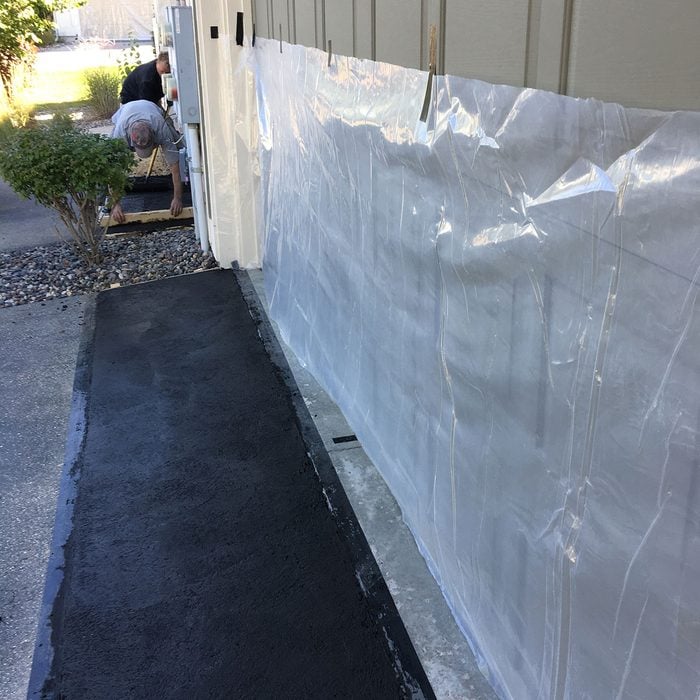
Credit: www.familyhandyman.com
How to Care for a Concrete Apron
To keep a concrete apron in good shape, follow these tips:
- Clean it regularly with water and a brush.
- Fix cracks quickly to prevent bigger damage.
- Avoid heavy chemicals that can harm the surface.
- Seal the concrete every few years for protection.
- Clear snow and ice carefully in winter.
Signs You Need to Repair or Replace a Concrete Apron
Concrete aprons last a long time, but problems can happen. Watch for these signs:
- Large cracks or holes
- Uneven or sunken areas
- Water pooling on the surface
- Surface flaking or crumbling
If you see these, it is time to fix or replace the apron.
Frequently Asked Questions
What Is A Concrete Apron?
A concrete apron is a flat surface. Found at the edge of a driveway or garage. It helps with drainage and prevents erosion.
Why Is A Concrete Apron Important?
It protects structures from water damage. Also, it provides a smooth transition between surfaces, like driveways and streets.
How Thick Should A Concrete Apron Be?
The thickness usually ranges from 4 to 6 inches. This depends on usage and local regulations.
Can A Concrete Apron Prevent Water Pooling?
Yes, it directs water away from buildings. This prevents pooling and reduces potential water damage.
Conclusion
A concrete apron is a simple, useful part of many buildings. It protects walls and foundations from water damage. It provides a clean, safe surface for people and cars.
Concrete aprons are strong, durable, and easy to maintain. They help keep homes and buildings safe and neat.
Whether near a garage, pool, or door, a concrete apron plays a key role. Understanding what it is helps you take care of your property better.

Ethan Cole is a kitchen innovation enthusiast and food technology writer at DiningGadgets.com. With over 8 years of experience reviewing cookware, smart kitchen tools, and design trends, he helps readers discover gadgets that make cooking easier and dining more enjoyable. When he’s not testing the latest kitchen appliances, Ethan enjoys experimenting with recipes and sharing practical tips for modern homes.