

Are you planning a kitchen makeover or designing a new one from scratch? One crucial decision you’ll face is determining the right height for your kitchen wall units.
This choice might seem minor, but it can dramatically affect the functionality and aesthetics of your kitchen. Imagine reaching for your favorite mug or trying to grab a dish from a cabinet—only to strain or stretch awkwardly. This is where choosing the perfect height comes into play.
By setting your kitchen wall units at the optimal height, you can ensure comfort, convenience, and style blend seamlessly in your cooking space. Curious about how this simple choice can make or break your kitchen experience? Read on to discover the secrets to achieving the perfect balance in your kitchen layout.

Credit: www.familyhandyman.com
Ideal Height For Wall Units
Setting the right height for your kitchen wall units is more than just a design choice—it affects your daily comfort and efficiency. The ideal height balances aesthetics with practicality, making sure your storage is accessible without straining. Let’s break down what measurements work best and how to tailor them to your space.
Standard Measurements
Most kitchen wall units are installed about 54 inches (137 cm) from the floor to the bottom of the cabinet. This height leaves enough space between the countertop and the cabinet—usually around 18 inches (46 cm)—which is comfortable for most people to work beneath.
This standard height works well in kitchens with typical ceiling heights of 8 feet. It keeps the cabinets within easy reach while leaving room for appliances and lighting under the units.
Adjusting For Ceiling Height
If your kitchen has higher or lower ceilings, you’ll want to adjust the wall unit height accordingly. For ceilings above 8 feet, consider raising the cabinets slightly or adding extra storage above them to avoid a cramped look.
Conversely, in kitchens with lower ceilings, lowering the wall units can prevent the space from feeling tight. Think about how much headroom you’ll have when standing and reaching—comfort is key.
Considering Countertop Height
Your countertop height plays a crucial role in setting the wall unit height. Standard countertops are about 36 inches (91 cm) tall, which pairs well with the 18-inch gap below the wall cabinets.
If your countertops are higher or lower than standard, adjust the wall units to maintain a comfortable gap. Too small a space can make the kitchen feel cramped; too large can reduce the efficiency of your storage.
Have you measured your own countertop height recently? This simple step can make a big difference in how your kitchen feels every day.
Ergonomics And Accessibility
Setting the right height for your kitchen wall units isn’t just about style—it’s about making your space comfortable and safe. Ergonomics and accessibility play a huge role in how easily you can reach your items and how pleasant your kitchen feels during daily use.
Reaching Comfortably
Think about how often you grab things from your wall units. If they’re too high, you’ll stretch and strain every time. Too low, and you might have to bend awkwardly.
Ideal height lets you open doors and reach shelves without standing on your toes or crouching. The top shelf should be reachable with your arm extended but not forcing you to tiptoe. This small adjustment can save you discomfort and make cooking more enjoyable.
Accommodating Different Users
What if your kitchen is used by several people? Heights that work for one might not suit another. Kids, shorter adults, or taller family members all have different reach ranges.
Consider adjustable shelves or mixing unit heights to fit different users. Easy access for everyone encourages independence and prevents constant rearranging. Have you checked your own reach and that of others who use your kitchen?
Avoiding Strain And Injury
Repeatedly reaching too high or bending too low can lead to muscle strain or injury over time. Setting units at the right height protects your back and shoulders.
Pay attention to your posture when using the kitchen. If you find yourself stretching or twisting frequently, your wall units might be poorly placed. A well-planned setup keeps your kitchen tasks safe and pain-free.
Kitchen Layout Impact
The height of kitchen wall units depends greatly on the kitchen layout. Different layouts affect how high or low cabinets should be installed. The design and flow of the kitchen space shape the comfort and usability of these units.
Choosing the right height helps create a balanced look and improves kitchen efficiency. It also affects how easily you reach items stored in the wall units. This section explores key layout factors that impact cabinet height decisions.
Open Plan Vs Closed Kitchens
Open plan kitchens connect with living or dining areas. Wall units in these spaces often need to fit the overall room style. Cabinets might be set slightly higher to avoid blocking sightlines.
Closed kitchens are separate rooms. Here, wall units can be lower, focusing only on kitchen use. This allows for easier access without worrying about room openness.
Integrating Appliances
Appliances like microwaves, ovens, or range hoods influence wall unit height. Wall units must clear these appliances to fit properly. Proper spacing ensures safe use and easy cleaning.
Built-in appliances require precise cabinet heights. This integration keeps the kitchen neat and functional. Measure appliance sizes before setting unit heights.
Balancing Storage And Space
Maximizing storage is important without crowding the kitchen. Wall units should be high enough to hold items but not block natural light or workspace.
Consider the height of people using the kitchen. Cabinets too high can be hard to reach. Too low units may reduce countertop space.
Use a balance to keep storage practical and space open. This improves both kitchen use and comfort.
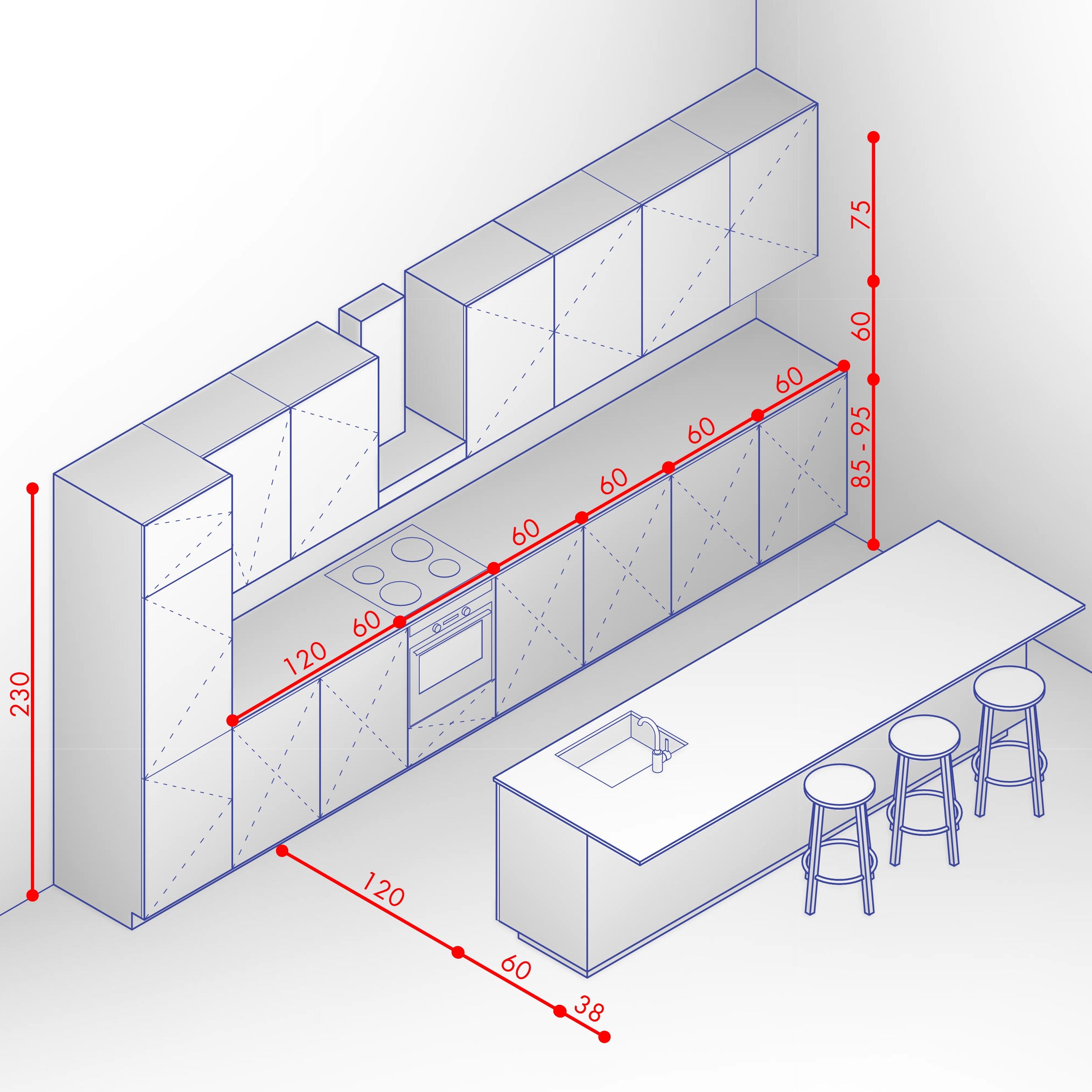
Credit: postdigitalarchitecture.com
Design And Aesthetics
Design and aesthetics play a key role in setting the height of kitchen wall units. The right height creates balance and harmony in the kitchen space. It affects how the kitchen looks and feels. Choosing the correct height helps the kitchen appear spacious and well-organized.
Visual Proportion
Wall units should be in proportion to base cabinets and ceiling height. Too high or too low units can make the kitchen look awkward. Proper height ensures smooth visual flow. It helps the kitchen feel balanced and inviting. Consider the size of appliances and furniture too.
Style Consistency
Match the wall units’ height with the kitchen style. Modern kitchens often prefer sleek, higher units. Traditional kitchens may suit lower, more accessible units. Consistency in style keeps the kitchen cohesive. It strengthens the overall design theme and feel.
Lighting Considerations
Wall unit height affects light distribution. Units placed too low may block natural or artificial light. Proper height allows under-cabinet lighting for better task visibility. It brightens countertops and improves kitchen usability. Consider lighting needs alongside design choices.
Installation Tips
Installing kitchen wall units at the right height is key for both style and function. Proper installation ensures safety and easy access. Follow these tips for a smooth setup and lasting results.
Measuring Accurately
Start by measuring the height from the countertop to the bottom of the wall unit. The standard gap is usually 18 inches. Use a tape measure and mark the height on the wall with a pencil. Check for obstacles like light switches or vents that might affect placement. Take multiple measurements to avoid mistakes. Accurate measuring prevents problems during installation.
Using Leveling Tools
Use a spirit level to make sure the wall units are straight. Place the level on the marks and adjust until the bubble is centered. A laser level can speed up this step for longer runs. Keep checking the level as you install each unit. Even a small tilt can cause doors to misalign or look uneven. Level units improve the kitchen’s look and function.
Securing Wall Units Safely
Find the wall studs with a stud finder. Attach the units directly to the studs for strong support. Use screws that are long enough to hold the weight of the cabinets and their contents. Avoid just using wall plugs in drywall. Secure each unit tightly but avoid overtightening screws. Double-check the stability after installation. Safe securing prevents accidents and keeps cabinets in place.
Common Mistakes To Avoid
Setting the right height for your kitchen wall units is crucial, but many people stumble over avoidable mistakes. These errors can affect your kitchen’s look, functionality, and comfort. Understanding what to steer clear of will save you time, money, and frustration.
Too High Or Too Low Placement
Placing wall units too high can make it hard to reach items, especially for shorter individuals or kids. On the other hand, units set too low can cramp your countertop workspace and create an awkward cooking flow.
Think about your daily kitchen activities. How often do you reach for those upper shelves? Adjust the height so that frequently used items are within easy reach without a step stool. This small adjustment can drastically improve your kitchen’s usability.
Ignoring User Needs
Every kitchen user is different. Ignoring the height and reach of the people who will actually use the kitchen is a common mistake. It’s not just about averages; consider your family’s unique needs.
Have you ever struggled to open a cabinet or felt uncomfortable bending over to grab something? Those moments highlight the importance of tailoring unit height to real users. Ask yourself: Who uses the kitchen most often, and what are their habits?
Overcrowding Wall Space
Filling every inch of wall space with cabinets might seem efficient, but it can overwhelm your kitchen visually and practically. Overcrowded walls reduce breathing room and make your kitchen feel smaller and cluttered.
Instead, balance storage needs with open areas to keep the space light and inviting. Consider leaving some wall space free or using open shelves. This approach helps you avoid a cramped kitchen and makes cleaning easier too.

Credit: www.create-enjoy.com
Frequently Asked Questions
What Is The Ideal Height For Kitchen Wall Units?
The ideal height for kitchen wall units is typically 54 inches from the floor. This height allows for comfortable reach and aligns well with standard base unit heights.
How Far Should Wall Units Be From The Countertop?
Wall units should be installed about 18 inches above the countertop. This spacing provides enough room for work and appliance use without feeling cramped.
Does Ceiling Height Affect Kitchen Wall Unit Placement?
Yes, ceiling height impacts wall unit placement. Taller ceilings may allow for higher units or extra storage space above standard cabinets.
Should Kitchen Wall Units Align With Appliances?
Wall units should generally align with major appliances for a cohesive look. This alignment helps maintain visual balance and functional flow.
Conclusion
Setting the right height for kitchen wall units improves comfort and style. It helps keep your kitchen organized and easy to use. Consider your height and kitchen size when choosing the height. Proper placement saves space and makes cooking safer.
Small adjustments can make a big difference in daily tasks. Think about what feels natural for reaching shelves. A well-planned kitchen feels welcoming and works better every day. Choose heights that match your needs and enjoy your kitchen more.
