

Are you in the process of designing or renovating your kitchen and wondering about the perfect height to hang your wall cabinets? You’re not alone!
Getting the height right is crucial for both functionality and aesthetic appeal. Too high, and they become a challenge to reach; too low, and they can disrupt the flow of your kitchen space. Finding that sweet spot can make a world of difference in your daily kitchen experience.
We’ll guide you through the factors you need to consider to achieve that perfect height. By the end, you’ll have the confidence to make an informed decision, ensuring your kitchen is both beautiful and practical. So, let’s dive in and transform your kitchen into a space you’ll love using every day!

Credit: www.thisoldhouse.com
Ideal Cabinet Height
Choosing the ideal height to hang kitchen wall cabinets is key for both function and style. Proper height ensures easy reach and keeps the kitchen looking balanced. It also affects how much storage space is available and the overall flow of the room.
Standard Measurements
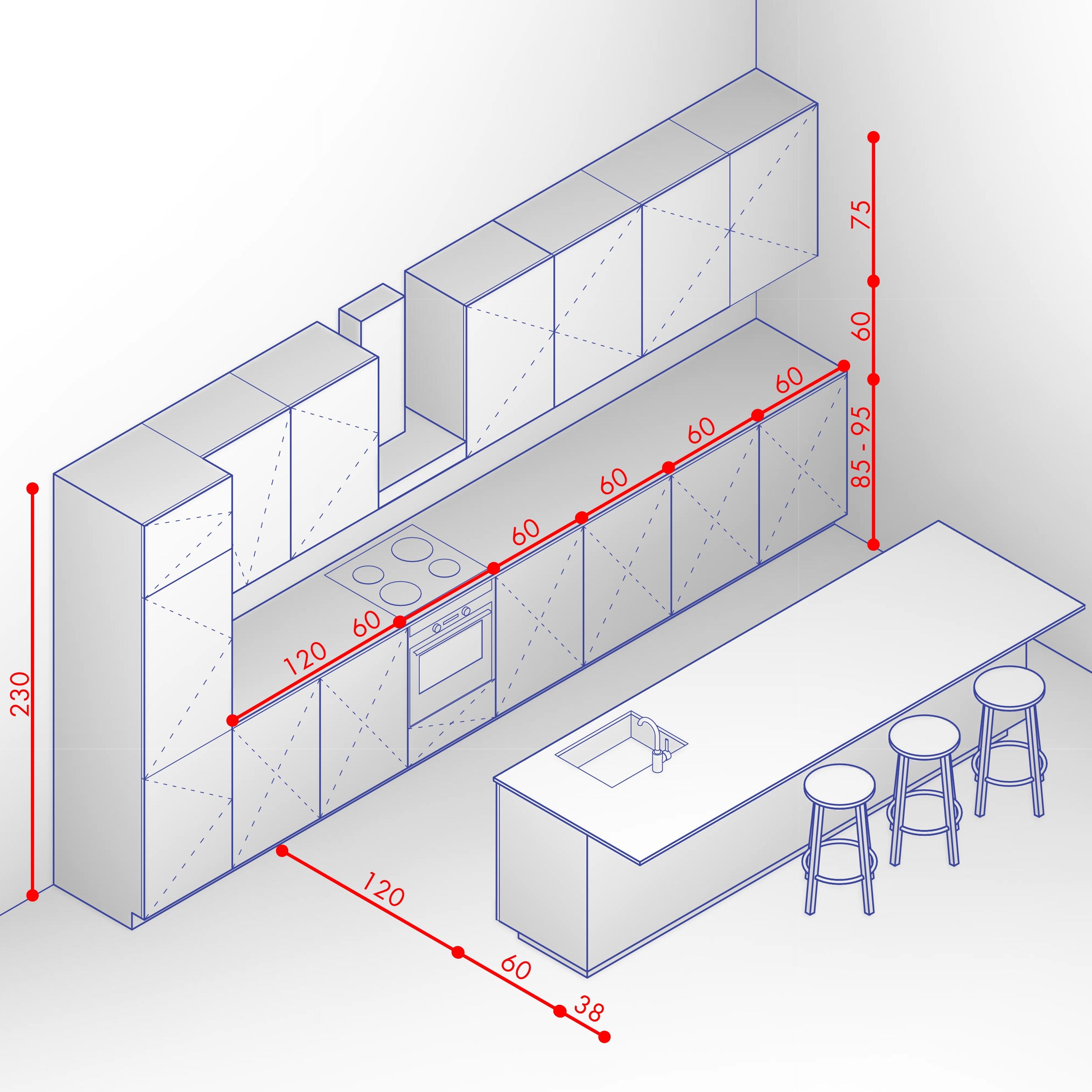
Most kitchen wall cabinets hang 54 inches from the floor to the cabinet bottom. This height works well with standard 36-inch tall base cabinets plus a 18-inch backsplash. The 54-inch mark allows enough room to work on the counter and access items inside the cabinet comfortably.
Adjusting For Ceiling Height
Ceiling height changes the ideal cabinet placement. For ceilings taller than 8 feet, install cabinets higher to fill the space. Use taller cabinets or add a crown molding to avoid empty gaps above. For low ceilings, lower cabinets slightly to keep the kitchen open and less cramped.
Considerations For Countertop Clearance
Maintain at least 18 inches of space between the countertop and the bottom of the wall cabinets. This clearance is enough to use small appliances and prep food easily. Less space can feel tight and limit counter use, while too much space wastes storage and reduces accessibility.
Factors Affecting Placement
Choosing the right height for kitchen wall cabinets depends on several factors. These elements ensure the cabinets are practical and comfortable to use. Proper placement improves kitchen efficiency and safety. Consider these key points before installation.
User Height And Accessibility
Users’ height affects how high cabinets should be hung. Taller people can reach higher cabinets easily. Shorter users need cabinets placed lower for comfort. Accessibility is crucial for everyone in the home. Think about children or elderly family members. Easy reach avoids strain and accidents. Adjustable shelves inside cabinets can help too.
Kitchen Layout And Workflow
The kitchen’s layout influences cabinet height and position. Cabinets should align with countertops and other storage areas. This setup supports smooth movement while cooking. Avoid placing cabinets too high or too low near workspaces. Keep frequently used items within easy reach. Plan cabinet placement to match your daily kitchen tasks.
Appliance And Fixture Integration
Wall cabinets must fit well with appliances and fixtures. Leave enough space above stoves, sinks, and microwaves. Proper clearance prevents damage and allows safe use. Cabinets above appliances should not block vents or controls. Measure appliance heights before hanging cabinets. This ensures a clean and organized kitchen look.
Measuring And Marking
Measuring and marking the right height for kitchen wall cabinets is key. This process ensures cabinets sit perfectly above your countertop. Precise measuring prevents awkward gaps or cabinets that are too low. Clear and correct marks guide your installation for a neat look.
Accuracy during this step saves time and effort later. It also keeps cabinets level and aligned with other kitchen elements. Follow a simple plan and use the right tools to make this task easier and more accurate.
Tools You Need
- Tape measure for accurate distance checking
- Level to keep cabinets straight and even
- Pencil for marking spots on the wall
- Stud finder to locate wall supports
- Masking tape to mark temporary lines
- Step stool or ladder for reaching higher spots
Step-by-step Measuring Guide
- Start by measuring the height from the countertop surface.
- Standard cabinet bottom height is 18 inches above the countertop.
- Mark this height lightly with a pencil across the wall.
- Use a tape measure to check the height at multiple points.
- Adjust marks as needed for any uneven walls or counters.
- Find and mark wall studs behind these points for secure mounting.
- Measure cabinet width and mark side edges on the wall.
Ensuring Level And Alignment
- Place the level on the pencil marks to check for straightness.
- Draw a horizontal line using the level to connect all marks.
- Double-check the line from corner to corner for accuracy.
- Align marks with studs to guarantee strong cabinet support.
- Use masking tape along the line for a clear guide during installation.
- Recheck measurements before drilling or attaching cabinets.
Credit: postdigitalarchitecture.com
Installation Tips
Installing kitchen wall cabinets at the right height is crucial, but how you secure and adjust them can make or break the project. Proper installation ensures your cabinets stay sturdy and look great for years. Let’s dive into practical tips that can help you hang your cabinets like a pro.
Securing Cabinets To Studs
Always anchor your cabinets to wall studs for maximum strength. Drywall alone won’t support the heavy weight of filled cabinets. Use a stud finder to locate the studs behind your wall and mark them clearly before you start drilling.
Once you find the studs, drive screws directly into them through the cabinet’s mounting rail. Using at least two screws per stud gives extra security. If you miss a stud, avoid guessing—adjust the cabinet position or add a mounting rail that spans multiple studs.
Using Spacers And Shims
Walls aren’t always perfectly flat or level. Spacers and shims help you adjust cabinets to sit flush and level against the wall. Place thin shims behind the cabinet at mounting points to eliminate gaps and prevent rocking.
Keep a level handy throughout the process. It’s easy to overlook small tilts that add up across multiple cabinets. Adjusting with shims before screwing everything tight saves you from uneven doors and frustrating gaps later.
Avoiding Common Mistakes
One common mistake is hanging cabinets too high or too low without considering countertop height or user comfort. Measure carefully and imagine how you’ll reach items daily. Another frequent error is neglecting to pre-drill holes, which can split the cabinet material.
Don’t rush the leveling process. Skipping this step leads to doors that won’t close properly or uneven shelves. Have you ever had a cabinet door that just wouldn’t sit right? That usually comes down to poor initial installation. Take the time to get it right the first time.
Custom Adjustments
Custom adjustments to the height of your kitchen wall cabinets can make a huge difference in both function and style. Not every kitchen fits a standard layout, and your cabinets shouldn’t either. Tailoring cabinet height to your space and needs can improve accessibility, optimize storage, and even enhance the overall look of your kitchen.
Hanging Cabinets In Small Spaces
In small kitchens, space is precious, so hanging cabinets at the right height becomes even more important. You might need to hang cabinets slightly lower to make the room feel less cramped and to keep everything within easy reach. However, leaving enough clearance above your countertop for appliances and workspace is crucial.
Think about how you use your kitchen daily. If you often prep food or cook, lower cabinets can save you from stretching or bending too much. Sometimes, a few inches can change how comfortable your kitchen feels.
Accommodating Taller Or Shorter Users
Your height matters when deciding how high to hang kitchen cabinets. Taller users may prefer cabinets set a bit higher to prevent stooping, while shorter users benefit from lower heights to avoid using a step stool. This simple tweak can make your kitchen more inviting and safe.
Ask yourself: who uses the kitchen most? Adjusting cabinet height based on the primary user’s height ensures better usability. Remember, the goal is to reduce strain and make everything reachable without hassle.
Integrating Open Shelving
Open shelves offer flexibility in height and add an airy feel to your kitchen. You can mix open shelves with traditional cabinets, placing shelves lower or higher depending on your needs. This blend creates a dynamic look while providing easy access to frequently used items.
Consider placing open shelves where you want quick access to spices, dishes, or cookbooks. They invite you to personalize your kitchen and keep essentials within arm’s reach. How could open shelving change the way you organize and use your kitchen space?
Maintenance And Safety
Maintaining and ensuring the safety of your kitchen wall cabinets is just as important as choosing the right height to hang them. Proper upkeep prevents accidents and extends the life of your cabinets. Paying attention to key areas like weight distribution and regular inspections keeps your kitchen both functional and secure.
Weight Distribution
Evenly spreading the weight inside your cabinets reduces stress on the mounting hardware. Avoid placing heavy items all on one shelf or side. Instead, balance pots, pans, and dishes across multiple shelves to keep the cabinet stable.
Have you noticed your cabinet doors sagging or feeling loose? This could be a sign that weight distribution needs adjustment. Shifting heavier items to lower shelves can also improve safety and ease of access.
Regular Checks And Adjustments
Check your cabinets periodically to catch any issues early. Look for loose screws, warped wood, or gaps between the cabinet and the wall. Tighten any hardware that feels wobbly to prevent accidents before they happen.
Don’t ignore small signs of wear. Even a slight tilt or creak can mean your cabinets need attention. Setting a routine check every few months helps you stay ahead of potential problems.
Child Safety Considerations
If you have children, think about how high you hang your cabinets and what you store in them. Keep hazardous items like cleaning supplies or sharp tools out of reach or in locked cabinets. Consider adding childproof locks for extra peace of mind.
Have you ever found your child trying to climb to reach something on a high shelf? This risk can be minimized by thoughtful cabinet placement and storage choices. Safety isn’t just about avoiding falls—it’s about preventing risky behavior before it starts.

Credit: www.create-enjoy.com
Frequently Asked Questions
What Is The Standard Height For Kitchen Wall Cabinets?
The standard height for kitchen wall cabinets is 54 inches from the floor. This allows 18 inches of space above a 36-inch tall base cabinet countertop for comfortable access and usability.
How High Should Cabinets Be Above Kitchen Countertops?
Wall cabinets should be hung 18 inches above kitchen countertops. This distance provides enough workspace clearance while keeping cabinets reachable and functional.
Does Ceiling Height Affect Cabinet Hanging Height?
Yes, ceiling height impacts cabinet placement. For taller ceilings, you can raise cabinets or add extra storage above standard cabinets for a custom look.
What Height Is Best For Kitchen Wall Cabinets?
The best height for kitchen wall cabinets is typically 54 inches from the floor. This balances ergonomics and aesthetics for most users.
Conclusion
Choosing the right height to hang kitchen wall cabinets makes a big difference. It helps keep your kitchen neat and easy to use. Most people hang cabinets about 54 inches from the floor. This height fits well for most adults and leaves space for the countertop.
Remember to measure carefully before installing. Adjust the height to fit your kitchen style and needs. A well-hung cabinet makes cooking and cleaning much easier. Think about comfort and safety first. Your kitchen will look better and work better too.
