

Are you planning a kitchen remodel or setting up your new culinary space? One of the key decisions you’ll face is determining the right height for your kitchen wall units.
This choice isn’t just about aesthetics; it significantly impacts your daily comfort and efficiency. Imagine reaching for a dish or a spice jar and finding it effortlessly within your grasp. The right height can transform your cooking experience and make your kitchen a delightful place to create meals.
We’ll explore the ideal height for kitchen wall units, ensuring that your kitchen is both functional and stylish. Stay with us to discover how to tailor this crucial aspect of your kitchen to suit your needs perfectly.
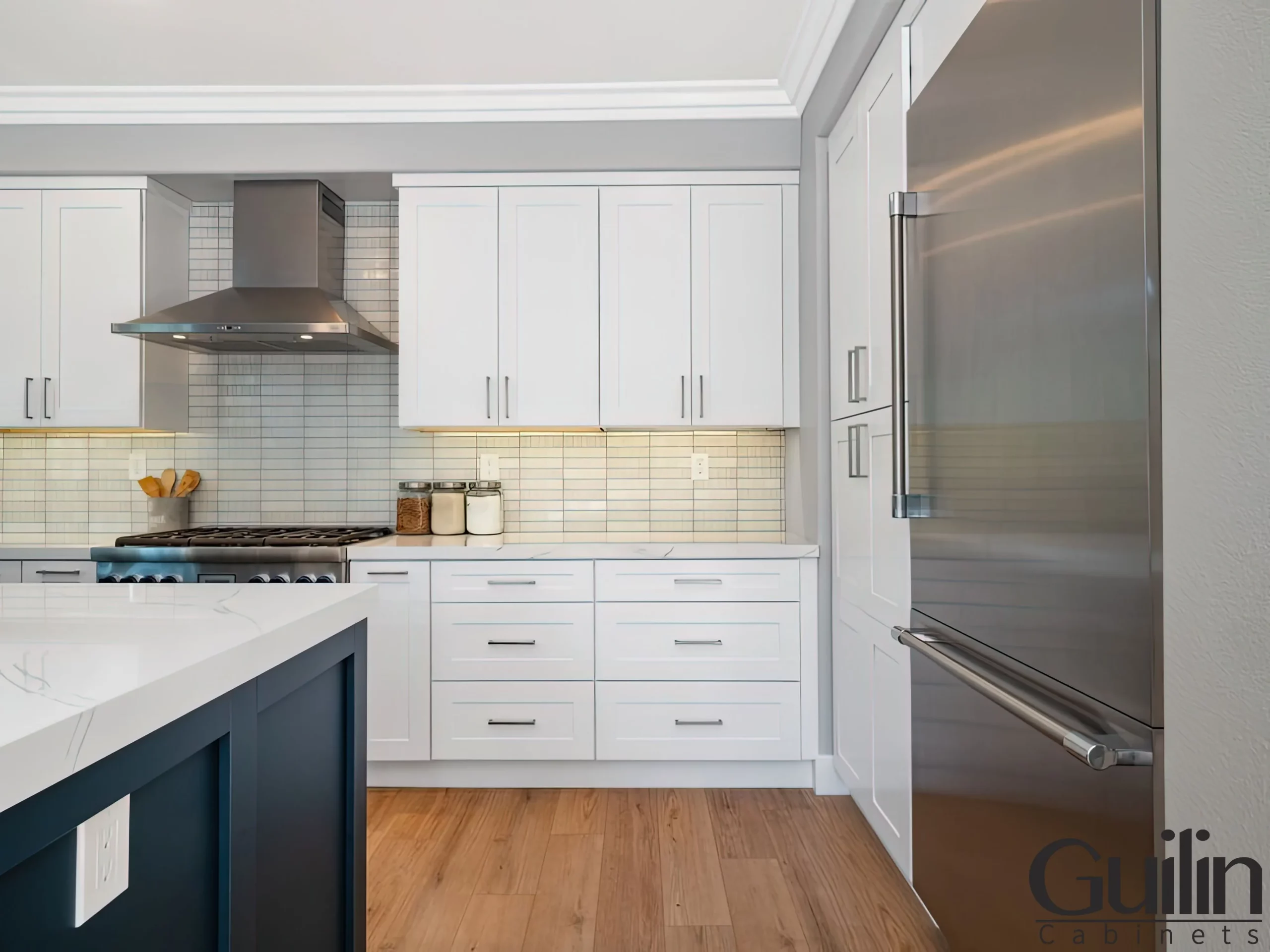
Credit: pelicancr.com
Standard Wall Unit Heights
Standard wall unit heights in kitchens are designed to balance functionality and comfort. They ensure your kitchen looks good while keeping everything within easy reach. Getting the height right can save you from unnecessary stretching or bending, which can make cooking and cleaning more enjoyable.
Common Measurements
Most kitchen wall units have a height between 30 to 42 inches (76 to 107 cm). The 30-inch height is the most common and fits well in average kitchens. These units provide enough storage without overwhelming the space or blocking light.
Another important dimension is the distance between the countertop and the bottom of the wall unit. This space usually ranges from 18 to 24 inches (46 to 61 cm). This gap allows you to work comfortably on the countertop without hitting your head on the cabinets.
Think about your own kitchen. Have you ever bumped your head on a cabinet? Adjusting the height of your wall units could prevent this and make your kitchen safer.
Variations By Ceiling Height
Your ceiling height plays a big role in deciding the best wall unit height. For kitchens with 8-foot ceilings, the standard 30-inch wall units fit perfectly. They leave enough space above for crown molding or decorative trim.
If your kitchen has higher ceilings, like 9 or 10 feet, you might want taller cabinets or even double-stacked units. Taller cabinets can reach up to 42 inches or more, maximizing storage without wasting vertical space.
On the other hand, low ceilings may require shorter wall units or open shelving to keep the kitchen feeling airy. Have you measured your ceiling height recently? This simple step can guide your choices and prevent costly mistakes.
Factors Influencing Height Choice
Choosing the right height for your kitchen wall units depends on several key factors. These elements ensure your kitchen is both functional and comfortable to use daily. Understanding these can help you avoid common mistakes and create a space tailored to your needs.
User Height And Accessibility
Your height directly affects how easy it is to reach and use wall units. If you’re tall, placing cabinets too low might feel cramped and limit storage options. Conversely, shorter users may struggle with units mounted too high, risking safety and inconvenience.
Think about who will use the kitchen most often. If children or elderly family members need access, consider lower or adjustable heights. Accessibility isn’t just about reach—it’s about making your kitchen safe and welcoming for everyone.
Kitchen Layout And Design
The shape and size of your kitchen impact where wall units fit best. In compact kitchens, wall units often go higher to maximize vertical space. Larger kitchens might allow for more flexible placement, balancing storage and aesthetics.
Consider how your kitchen flows. Are there windows, doors, or open shelves that affect cabinet height? Sometimes, shifting units slightly can improve light and movement, making your kitchen feel more open and efficient.
Appliance Integration
Appliances like microwaves, ovens, or range hoods require specific clearances within wall units. These clearances influence the height and spacing of cabinets around them. Ignoring these can lead to installation headaches or reduced appliance performance.
Think about how you use your appliances daily. Placing a microwave at eye level can speed up meal prep, while a hood vent needs enough space to work properly. Planning cabinet height with appliances in mind ensures everything fits perfectly and works smoothly.
Customizing Wall Unit Heights
Customizing the height of your kitchen wall units is key to creating a space that feels both comfortable and practical. Off-the-shelf cabinets may not always fit your kitchen’s unique dimensions or your personal reach. Adjusting wall unit heights lets you tailor storage to your needs, making your kitchen more efficient and enjoyable to use.
Adjusting For Ergonomics
Think about how you use your kitchen daily. Are you stretching to reach the top shelves, or bending too low to access the bottom ones? Setting wall units at a height that matches your natural reach can reduce strain and speed up your cooking process.
Most people find a height between 54 to 60 inches from the floor to the bottom of the wall cabinet comfortable. However, if you’re taller or shorter than average, you might want to raise or lower them accordingly. Don’t forget to leave enough space between your countertop and the wall units—usually 18 inches is ideal for working and placing appliances.
Using Spacers And Soffits
Spacers and soffits are handy tools when customizing wall unit heights. Spacers can fill awkward gaps between your cabinets and the ceiling, giving a polished look and preventing dust buildup. Soffits, on the other hand, are great for hiding ductwork or wiring while maintaining a seamless design.
Consider how these additions affect the overall feel of your kitchen. A soffit can add height and presence to a room, but it might also make the space feel smaller if overdone. Spacers allow you to adjust cabinet height without needing custom cabinets, saving both time and money.
Measuring For Perfect Fit
Measuring kitchen wall units correctly is essential for a neat and functional kitchen. Proper measurements ensure the units fit perfectly and look balanced. Accurate measuring saves time and prevents costly mistakes during installation.
Tools Needed
- Tape measure – at least 25 feet long
- Spirit level to check straightness
- Pencil for marking measurements
- Notebook or paper to write down numbers
- Step ladder for reaching higher spots
Step-by-step Measurement
Start by measuring the height from the floor to the ceiling. This gives you the total space available for wall units. Next, measure the distance from the countertop to the ceiling. This space determines the maximum height for your wall units.
Check the height of existing base units and countertops. Subtract their height from the total wall height. This shows how much room remains for wall cabinets.
Measure the width of the walls where you plan to install units. Mark any obstacles like windows, doors, or switches that affect placement. Record these measurements carefully.
Use the spirit level to ensure your walls are even. Uneven walls may require custom adjustments in unit height or placement.
Write down all measurements clearly. Double-check them before ordering or installing the units. Accurate numbers lead to the perfect fit and a stylish kitchen.
Common Mistakes To Avoid
Choosing the right height for kitchen wall units is crucial. Mistakes can affect comfort and kitchen flow. Avoid these common errors to make your kitchen functional and pleasant.
Ignoring User Comfort
Wall units set too high can strain your neck and arms. Reaching for items becomes tiring and unsafe. Set units at a height that suits your average reach. Think about the tallest and shortest users too. Comfort matters daily in a busy kitchen.
Overlooking Kitchen Workflow
Kitchen wall units should support smooth movement. Poor placement slows down cooking and cleaning tasks. Keep frequently used items within easy reach. Plan units near work areas like the stove and sink. Good workflow saves time and reduces frustration.
Expert Tips For Installation
Installing kitchen wall units at the right height is just the beginning. Getting them perfectly aligned and securely fixed is what makes your kitchen both functional and safe. Here are some expert tips that can help you nail the installation process with confidence and precision.
Leveling Techniques
Start by checking the wall for any uneven spots. Use a spirit level or laser level to mark a straight line where the bottom of your wall units will sit. This ensures all units will be perfectly aligned, avoiding awkward gaps or a crooked look.
Don’t rely only on visual checks—measure twice and mark clearly. If your wall has bumps or dips, consider using shims behind the units to keep everything flush. This little adjustment can make a big difference in the final appearance and usability.
Have you ever noticed how a slight tilt can throw off the entire kitchen look? Taking your time with leveling helps avoid that frustration and keeps your kitchen looking sharp.
Securing Units Safely
Wall units can be heavy, especially when filled with dishes or pantry items. It’s crucial to anchor them into wall studs rather than drywall alone. Use a stud finder to locate the studs before drilling.
Choose screws long enough to penetrate the studs deeply, typically at least 2.5 inches. If studs don’t line up perfectly with your unit’s hanging points, use heavy-duty wall anchors designed for kitchen cabinets.
Think about how much weight your units will hold and pick mounting hardware accordingly. You want your installation to last for years without worrying about sagging or accidents. Have you inspected your wall’s structure before starting? This simple check can save you headaches later.
Trends In Wall Unit Heights
Kitchen wall unit heights are shifting as homeowners seek both style and function. Trends now focus on maximizing storage without sacrificing accessibility or design. You might be surprised how adjusting the height of your wall units can transform your kitchen’s usability and look.
Tall Units For Extra Storage
Tall kitchen wall units have gained popularity because they offer more storage space without increasing the kitchen’s footprint. These units often extend closer to the ceiling, helping you store rarely used items up high while keeping everyday essentials within easy reach.
Think about the last time you struggled to find space for bulky appliances or seasonal cookware. Tall units solve this problem by adding vertical storage. Plus, they give your kitchen a sleek, modern feel when fitted seamlessly with the rest of your cabinetry.
Open Shelving Alternatives
Open shelving is becoming a trendy alternative to traditional wall units. It lets you display beautiful dishware or cookbooks while keeping your kitchen feeling open and airy.
If you worry about clutter, open shelves encourage you to keep things tidy and organized. They also allow you to customize the height and spacing, making it easier to access items compared to standard closed cabinets.
Would you consider mixing open shelves with standard wall units to balance storage and display? This combo can add personality and practicality to your kitchen space.

Credit: www.familyhandyman.com

Credit: www.reddit.com
Frequently Asked Questions
What Is The Standard Height For Kitchen Wall Units?
The standard height for kitchen wall units is typically 54 inches from the floor. This allows for comfortable access and aligns well with most countertops and appliances. Adjustments can be made based on ceiling height and user needs.
How Far Should Wall Units Be From The Countertop?
Wall units should be installed 18 to 20 inches above the countertop. This distance provides enough workspace clearance and prevents the kitchen from feeling cramped. It also allows for easy access to appliances like microwaves and stovetops.
Can Wall Unit Height Be Customized For Taller Users?
Yes, wall unit height can be customized for taller users. Raising units by a few inches improves accessibility and comfort. Always ensure the units remain within safe reach and maintain proper distance from the countertop.
Does Ceiling Height Affect Kitchen Wall Unit Placement?
Ceiling height significantly affects wall unit placement. In rooms with high ceilings, units can be installed higher or additional cabinets can be added. For low ceilings, units should be placed lower to avoid a cramped feel.
Conclusion
Choosing the right height for kitchen wall units improves comfort and style. Aim for a height that fits your daily reach and kitchen size. Proper placement makes cooking and cleaning easier. Too high or too low can cause strain or waste space.
Measure carefully before installing your units. Simple adjustments can change your kitchen’s look and feel. Keep your kitchen practical and pleasant by setting wall units at the right height. This small step makes a big difference in your kitchen experience.
