

Imagine walking into your dream kitchen. Everything is perfectly arranged, and the space feels just right.
But then, you notice something off about the wall cabinets. They’re either too high, making it a struggle to reach your favorite mug, or too low, cramping your style and space. It’s a common dilemma that can make or break the functionality of your kitchen.
So, what is the right height for kitchen wall cabinets? Getting this right can transform your kitchen experience, ensuring ease and elegance in your daily routine. Stay with us as we unravel the secrets to achieving the perfect cabinet height, tailored just for you.

Credit: jsgeddes.com
Choosing The Right Height
Choosing the right height for your kitchen wall cabinets is key to creating a functional and comfortable cooking space. The height affects everything from storage capacity to ease of access. Understanding the options and what influences these choices will help you design a kitchen that truly fits your needs.
Standard Wall Cabinet Heights
Most kitchen wall cabinets come in standard heights of 30, 36, and 42 inches. These sizes generally work well for average ceiling heights and typical kitchen layouts. Choosing a standard height cabinet simplifies installation and often saves money.
For example, 30-inch cabinets are common in kitchens with 8-foot ceilings, providing enough space above the countertop without overwhelming the room. If your ceilings are taller, 36 or 42 inches can add extra storage without looking awkward. Have you measured your ceiling height and thought about how much storage you actually need?
Custom Cabinet Heights
Custom cabinets offer flexibility when your kitchen has unique dimensions or specific storage needs. You can adjust heights to fit odd ceiling heights or create a more tailored look. This option can maximize every inch of space but often comes at a higher cost.
Imagine a kitchen with vaulted ceilings where standard cabinets leave a huge gap above. Custom cabinets can fill that space, making your kitchen feel complete rather than unfinished. Are you willing to invest more for a cabinet that perfectly fits your space?
Factors Influencing Height Selection
Several factors should guide your choice beyond just aesthetics. Your height and reach play a big role—cabinets too high can be difficult to access daily. Also consider the style of your kitchen and how you use your storage.
- Ceiling height:Taller ceilings can handle taller cabinets.
- Countertop height:Cabinet height should complement your counter for balance.
- Storage needs:Think about what you store most often and how easy you want access.
- Appliance placement:Cabinets near appliances might need special height adjustments.
Reflect on how you use your kitchen. Are there items you struggle to reach? Adjusting cabinet height can solve these everyday annoyances. What would make your kitchen easier and more enjoyable to work in?
Measuring Your Space
Measuring your kitchen space is the first step to choosing the right height for wall cabinets. Accurate measurements help avoid mistakes and ensure a perfect fit. This process involves checking the available wall area, ceiling height, and space taken by appliances or fixtures. Careful measuring saves time and money during installation.
Determining Available Wall Space
Start by measuring the length and height of the wall where cabinets will go. Use a tape measure and write down exact numbers. Note any interruptions like windows, doors, or vents. Mark these areas clearly. This helps decide how much cabinet space fits without blocking openings.
Considering Ceiling Height
Measure the distance from the countertop to the ceiling. Most kitchens have ceilings around 8 feet high. Tall ceilings allow taller cabinets or extra storage above. Lower ceilings limit cabinet height. Leave some space between the top of cabinets and the ceiling for a balanced look and easy cleaning.
Accounting For Appliances And Fixtures
Measure the height and width of appliances like microwaves, range hoods, or refrigerators. Also check plumbing fixtures and light switches on the wall. These items reduce wall space for cabinets. Plan cabinet placement so doors open freely and appliances fit without crowding.
Ergonomics And Accessibility
Ergonomics and accessibility play a crucial role in deciding the height of your kitchen wall cabinets. The right cabinet height not only improves your kitchen’s look but also makes daily tasks easier and safer. Thinking about how you reach and use your cabinets can transform your cooking experience.
Optimal Reach And Comfort
Your kitchen should feel comfortable every time you open a cabinet. Cabinets placed too high force you to stretch or use a step stool, which can be tiring and risky. Ideally, the bottom of the wall cabinets should be about 18 inches above the countertop to allow easy reach without strain.
Think about how often you use certain items. Keep frequently used dishes and spices in lower shelves within easy reach. This small adjustment can save you time and reduce discomfort.
Adjusting For User Height
Everyone’s height is different, so a one-size-fits-all cabinet height may not work for your kitchen. If you’re taller or shorter than average, adjusting the cabinet height can make a big difference. For taller users, raising cabinets a few inches can reduce bending, while shorter users might prefer cabinets slightly lower to avoid stretching.
Ask yourself: Do you find yourself constantly reaching awkwardly? Try measuring your comfortable reach zone and use it to guide your cabinet installation. Customizing this will help you move smoothly around your kitchen.
Accessibility For All Users
Designing your kitchen with accessibility in mind benefits everyone, including children, older adults, or anyone with limited mobility. Incorporating features like pull-down shelves or adjustable racks can make high cabinets usable for all family members. Consider installing open shelving or lower cabinets for frequently used items to improve access.
Have you thought about how guests or family members with different needs will use your kitchen? Making cabinets accessible isn’t just about convenience—it’s about safety and inclusion. Small changes can create a welcoming kitchen for everyone.
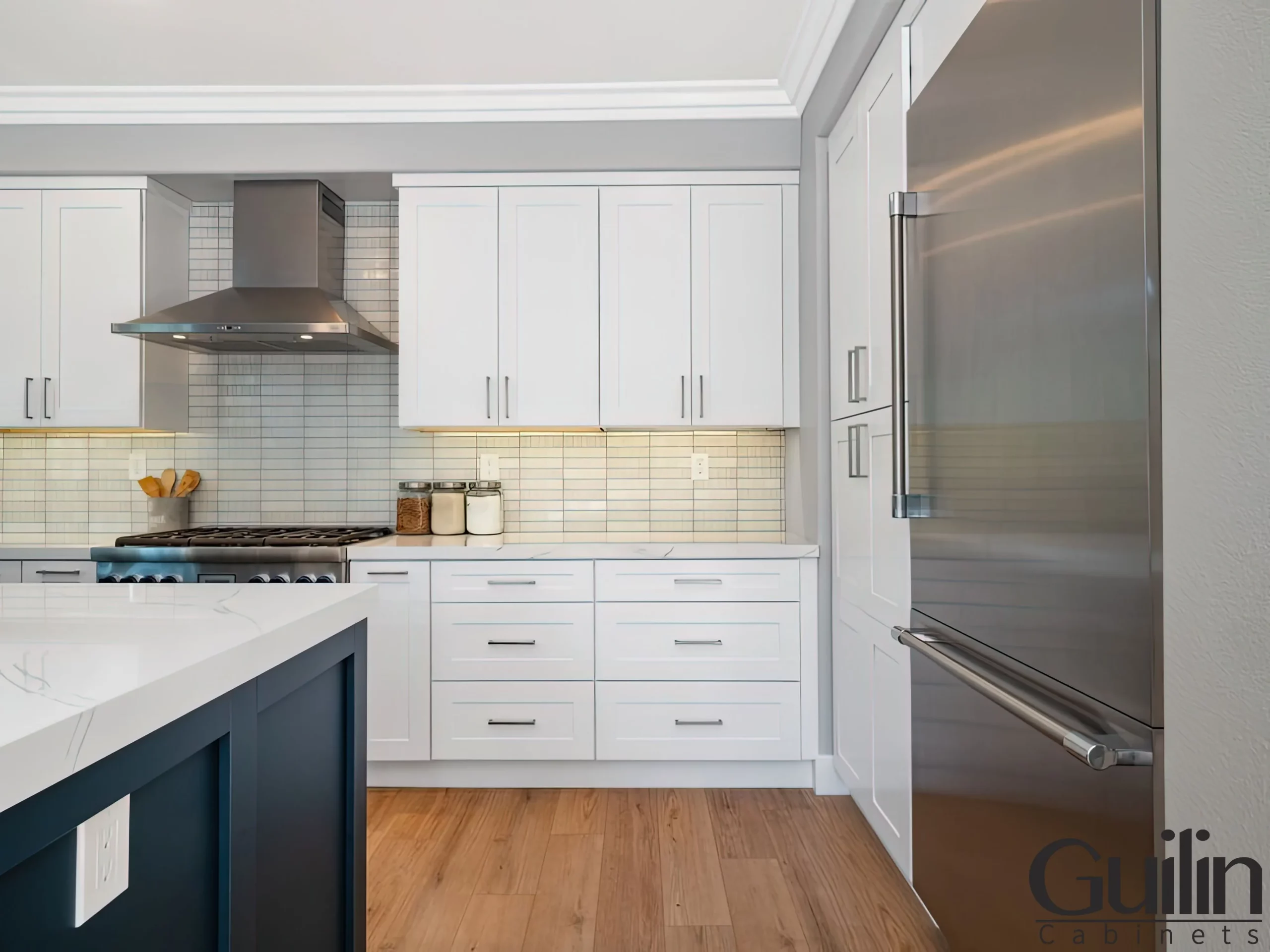
Credit: pelicancr.com
Style And Design Impact
Choosing the right height for your kitchen wall cabinets can dramatically change the overall look and feel of your space. It’s not just about storage; it’s about creating a harmony between your cabinets and the style of your kitchen. Your cabinet height can either enhance your kitchen’s personality or throw off its visual balance.
Matching Cabinet Height With Kitchen Style
Traditional kitchens often benefit from taller wall cabinets that stretch close to the ceiling, giving a classic, built-in look. On the other hand, modern kitchens tend to favor shorter cabinets that create a sleek, minimalistic vibe with space above for decorative items or lighting.
Think about your kitchen’s style—are you aiming for cozy and timeless, or clean and contemporary? Adjusting cabinet height to match the style can make your kitchen feel more intentional and well put together.
Effect On Visual Balance
Cabinet height plays a crucial role in how balanced your kitchen feels. Tall cabinets can overwhelm a small kitchen, making it feel cramped, while shorter cabinets might look lost on a large wall.
Imagine your kitchen as a canvas—your cabinets are the frame. The right height keeps everything proportional and visually pleasing. Ask yourself: does your current cabinet height make the space feel open and inviting, or crowded and cluttered?
Incorporating Open Shelving
Adding open shelving alongside wall cabinets creates a dynamic look that breaks up solid cabinet lines. Open shelves usually sit lower than tall cabinets, offering a lighter visual effect and easy access to everyday items.
This combination can add personality and functionality, but it requires careful height planning. You want to ensure the open shelves and cabinets complement each other rather than compete for attention.
Installation Tips
Installing kitchen wall cabinets at the right height ensures both style and function. Careful planning helps avoid future problems. Follow these tips to make your cabinet installation smooth and precise.
Aligning Cabinets With Countertops
Start by measuring the height of your countertops. Most countertops sit around 36 inches high. Align the bottom of your wall cabinets about 18 inches above the countertop. This gap allows enough workspace and keeps cabinets reachable. Use a level to keep cabinets perfectly straight. Uneven cabinets can cause doors to misalign and look messy.
Spacing Between Cabinets And Ceiling
Check the distance between the top of your cabinets and the ceiling. Standard spacing ranges from 3 to 6 inches. This space prevents the kitchen from feeling cramped. Leave enough room for crown molding or other decorative trim. Avoid placing cabinets too close to the ceiling to allow air circulation and ease of cleaning.
Using Filler Strips And Crown Molding
Filler strips fill gaps between cabinets and walls or ceilings. They help create a seamless look. Install them before adding crown molding. Crown molding adds a polished finish and hides any small gaps. Choose molding that matches your cabinet style and color. Secure all pieces firmly to avoid gaps over time.
Maximizing Storage
Maximizing storage in your kitchen is essential, especially when space is limited but your need for organization is high. Choosing the right height for your kitchen wall cabinets can dramatically increase your storage capacity without overcrowding the room. Let’s look at practical ways to use cabinet height creatively to keep your kitchen tidy and efficient.
Tall Cabinets For Extra Storage
Tall cabinets are a game-changer when you want to add storage without expanding your kitchen’s footprint. They reach close to the ceiling, giving you room for items you don’t use every day. Imagine having a dedicated spot for large pots or seasonal dishes, neatly out of the way but still accessible.
Think about your kitchen clutter—can you free up counter space by moving bulky appliances into a tall cabinet? This approach keeps your kitchen looking clean and spacious while making your storage smarter.
Using Double-stacked Cabinets
Double-stacked cabinets are two layers of cabinets stacked vertically, which can add significant storage height. This setup is perfect if your ceiling is higher than average, allowing you to fill the vertical space that often goes unused. The lower cabinets stay within easy reach, while the upper ones hold less frequently used items.
Have you ever struggled to find a place for your collection of baking supplies or specialty glassware? Double-stacked cabinets can solve that by keeping these items organized and hidden but still close at hand.
Incorporating Specialty Cabinets
Specialty cabinets, like spice racks, pull-out shelves, or corner carousel units, make use of every inch of cabinet space. These cabinets can be designed taller or customized to fit unique storage needs, increasing the overall capacity of your kitchen walls. They also make accessing items easier, so you won’t waste time digging through clutter.
Consider adding a tall pantry cabinet with built-in organizers—this small change can turn chaos into calm, helping you maintain a streamlined cooking area. What specific kitchen items do you find hardest to store neatly? Specialty cabinets might just hold the answer.
Budget Considerations
Budget plays a key role in deciding the height of kitchen wall cabinets. It affects material choice, installation, and overall design. Understanding costs helps balance your kitchen’s look and function without overspending.
Cost Differences By Height
Taller cabinets use more materials, raising the price. Shorter cabinets cost less but offer less storage space. Medium height cabinets often balance cost and utility. Installation fees may also rise with taller units due to complexity.
Balancing Function And Expense
Think about how you use your kitchen daily. Extra height adds storage but might need a step stool. Less height saves money and keeps items easy to reach. Choose a height that fits your needs and budget well.
Choosing Materials Wisely
Material quality affects cabinet price greatly. Solid wood is durable but more costly. MDF and plywood offer good value for money. Laminates and veneers can lower costs while still looking nice. Pick materials that last and suit your budget.

Credit: www.familyhandyman.com
Frequently Asked Questions
What Is The Standard Height For Kitchen Wall Cabinets?
The standard height for kitchen wall cabinets is 30 inches. This height fits most kitchens and offers ample storage. Wall cabinets typically mount 18 inches above the countertop for easy access and workspace.
How High Should Wall Cabinets Be From The Countertop?
Wall cabinets should be installed about 18 inches above the countertop. This distance provides enough workspace and prevents bumping your head while reaching cabinets. It balances usability and kitchen aesthetics.
Can Kitchen Wall Cabinet Height Vary By Ceiling Height?
Yes, cabinet height can vary depending on ceiling height. For taller ceilings, cabinets of 36 to 42 inches are common to maximize storage. Shorter ceilings often use standard 30-inch cabinets for proportional design.
Why Is Cabinet Height Important In Kitchen Design?
Cabinet height impacts storage capacity, accessibility, and kitchen flow. Proper height ensures safe and comfortable reach to items. It also affects the overall look and balance of your kitchen space.
Conclusion
Choosing the right height for kitchen wall cabinets affects both style and function. Standard heights suit most kitchens well. Taller cabinets add extra storage but may need a step stool. Shorter cabinets keep things open and airy. Think about your space and daily needs.
Proper cabinet height makes cooking easier and keeps your kitchen organized. Small changes can make a big difference. Keep it simple, practical, and comfortable for your home.
