

Are you planning a kitchen makeover or just curious about the perfect height for your kitchen wall units? Getting the height right can make a huge difference in how comfortable and functional your kitchen feels.
Too high, and you’ll struggle to reach; too low, and it might crowd your workspace. You’ll discover the ideal kitchen wall unit height that suits your needs and makes your cooking space work better for you. Keep reading to find out how to create a kitchen that’s both stylish and easy to use every day.
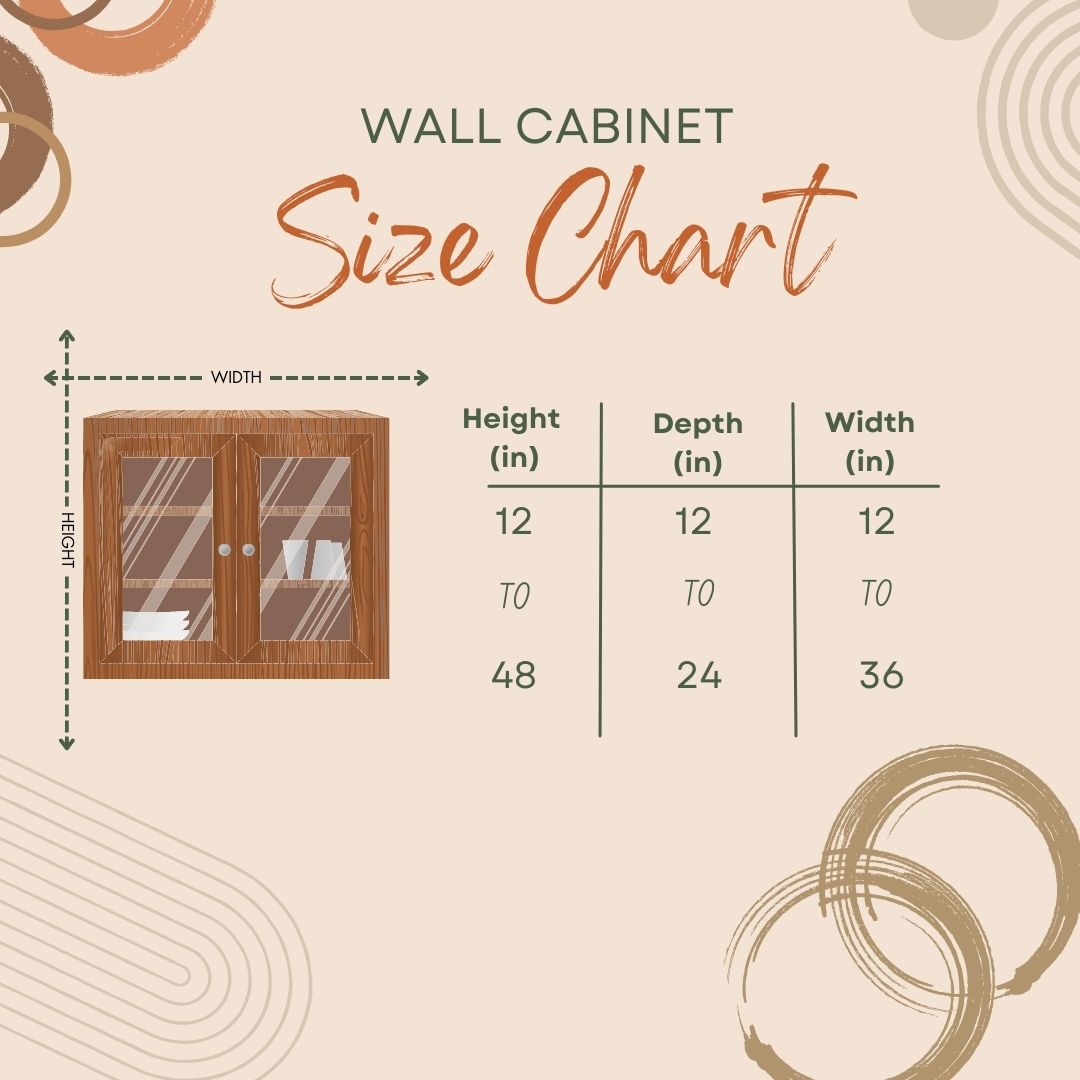
Credit: kitchensbyoaks.com
Standard Kitchen Wall Unit Heights
Understanding the standard heights of kitchen wall units is essential for creating a functional and comfortable cooking space. These measurements ensure your cabinets are easy to reach and fit well with other kitchen elements like countertops and appliances. Let’s look at the typical heights and how they can vary depending on style.
Typical Measurements
Most kitchen wall units are installed at a height that allows for easy access while standing. The bottom of the wall cabinet is usually placed about 18 inches (45 cm)above the countertop. This gap provides enough space for small appliances and workspace without making the cabinets too high.
Standard wall units themselves tend to have a height between 30 and 42 inches (76 to 107 cm). The exact height depends on your ceiling height and overall kitchen layout. For example, a kitchen with an 8-foot ceiling often uses 30-inch cabinets, while taller ceilings can accommodate 36 or 42 inches.
Variations By Style
Kitchen wall unit heights can change depending on the design style you choose. Modern kitchens often feature taller cabinets that reach closer to the ceiling, maximizing storage space. This can be great if you have a lot of items to store but might require a step stool for the upper shelves.
Traditional kitchens may stick to the standard 30-inch height, focusing more on balanced proportions and classic looks. Open shelving alternatives replace some wall units entirely, offering a lighter feel but less concealed storage.
Have you measured your current kitchen cabinets? You might be surprised how much these small height changes affect your daily comfort and efficiency.
Factors Affecting Wall Unit Height
Choosing the right height for kitchen wall units depends on several key factors. These factors ensure the cabinets fit well in the space and remain comfortable to use. Understanding these elements helps create a functional and safe kitchen layout.
Ceiling Height
The height of your kitchen ceiling limits how tall the wall units can be. Standard ceilings allow for average cabinet heights. Taller ceilings may accommodate larger cabinets or extra storage above. Low ceilings require shorter wall units to avoid crowding the space.
Countertop Clearance
Wall units must leave enough space above the countertop for working comfortably. The usual gap is around 18 inches. This clearance prevents bumping your head and allows space for appliances like toasters or mixers. Adjusting this space changes the overall height of the wall cabinets.
User Ergonomics
User height affects the placement of wall units. Cabinets should be easy to reach without stretching or bending too much. For shorter users, lower cabinets work best. Taller users may prefer higher units for better access. Ergonomic design makes the kitchen safer and more efficient.
Customizing Wall Unit Heights
Customizing the height of your kitchen wall units can dramatically improve both the look and function of your space. It’s not just about fitting cabinets on the wall; it’s about tailoring them to your daily routines and kitchen tools. Adjusting these heights thoughtfully can make your kitchen more comfortable and efficient.
Adjusting For Appliance Size
Think about the size of your kitchen appliances before setting wall unit heights. Taller appliances like built-in microwaves or espresso machines need enough clearance to fit smoothly without cramping the space.
For example, if your microwave is larger than standard, raising the cabinet height can prevent awkward placement or blocking. Have you measured your appliances lately to ensure your cabinets won’t get in the way?
Accommodating Storage Needs
Your storage habits should guide how high or low your wall units go. If you use tall containers or large dishes often, taller cabinets or adjustable shelves inside can save you time digging through clutter.
Think about what you store most frequently. Would you benefit from lower units that are easier to reach, or higher ones that keep seldom-used items out of the way?
Custom heights let you balance convenience with maximizing your kitchen’s vertical space, making every inch count.

Credit: www.reddit.com
Measuring For The Perfect Fit
Measuring for the perfect fit ensures your kitchen wall units sit comfortably and look balanced. Accurate measurements prevent installation issues and wasted materials. It helps create a functional, stylish kitchen space that suits your needs.
Taking the right measurements involves checking wall height, width, and depth carefully. It also means considering appliances, windows, and any other obstacles. Correct sizing guarantees that your wall units fit well and align with your kitchen layout.
Tools Required
- Tape measure
- Spirit level
- Pencil or marker
- Step ladder
- Notepad or measuring sheet
Step-by-step Process
- Start by measuring the height from the countertop to the ceiling.
- Note any wall irregularities or obstacles like windows or pipes.
- Measure the width of the wall where units will be installed.
- Check the depth of existing units or available space.
- Use a spirit level to mark a straight line for installation height.
- Record all measurements clearly and double-check for accuracy.
- Consider standard unit heights but adjust for your kitchen’s unique space.
Common Installation Mistakes
Installing kitchen wall units might seem straightforward, but common mistakes can quickly turn a simple task into a daily frustration. Getting the height wrong or overlooking essential factors like ventilation and lighting can affect both the look and function of your kitchen. Let’s take a closer look at these pitfalls and how to avoid them.
Too High Or Too Low
Placing wall units too high can make it difficult to reach items, especially for shorter family members. On the other hand, hanging them too low can create a cramped workspace and interfere with countertop activities.
Think about your daily routine in the kitchen. Are you constantly stretching or bending awkwardly? That’s a clear sign the height is off. Aim for a height that allows easy access without straining your shoulders or back—typically around 54 to 60 inches from the floor to the bottom of the cabinet.
Ignoring Ventilation And Lighting
Many overlook the importance of proper ventilation when installing wall units. Without enough airflow, cooking smells and moisture can build up, leading to damage over time.
Lighting is another crucial aspect. A poorly lit countertop makes meal prep harder and less enjoyable. Installing under-cabinet lighting or positioning units to allow natural light can dramatically improve your kitchen’s usability.
Ask yourself: Does your current setup help you see clearly and keep the air fresh? If not, it’s time to rethink the placement and features of your wall units.
Tips For Harmonizing Wall Units With Kitchen Design
Harmonizing kitchen wall units with the overall design creates a pleasing and functional space. Wall units should fit well with other kitchen elements. Thoughtful choices help blend style and utility seamlessly.
Balancing Aesthetics And Function
Choose wall units that match the kitchen’s style and size. Avoid units that look too big or too small on the wall. Ensure they provide enough storage without cluttering the space. Keep the height comfortable for easy reach. The design should enhance the kitchen’s look and usability.
Choosing Complementary Materials
Pick materials that match or contrast tastefully with countertops and flooring. Wood, metal, glass, or laminate can work well. Consider textures that add depth and interest. Materials should be durable and easy to clean. Harmonious material choices create a cohesive and inviting kitchen atmosphere.
Trends In Kitchen Wall Unit Heights
Kitchen wall unit heights have evolved to fit modern lifestyles and spaces. Designers now focus on both style and function. These trends help kitchens feel open and organized. Wall units no longer stick to one standard height. Instead, they vary to match different needs and tastes.
Modern Minimalist Approaches
Minimalist kitchens favor clean lines and simple shapes. Wall units often sit higher on the wall to create more open space below. This height lets light flow freely, making kitchens feel larger and brighter. Cabinets tend to be shallow and sleek, avoiding clutter. Handles are hidden or minimal to keep the look smooth.
Maximizing Vertical Space
Vertical space is a key focus in smaller kitchens. Taller wall units reach closer to the ceiling, offering extra storage. This design uses every inch without crowding the room. Pull-down shelves and adjustable racks make high units easier to use. Combining different heights adds interest and improves access to items.
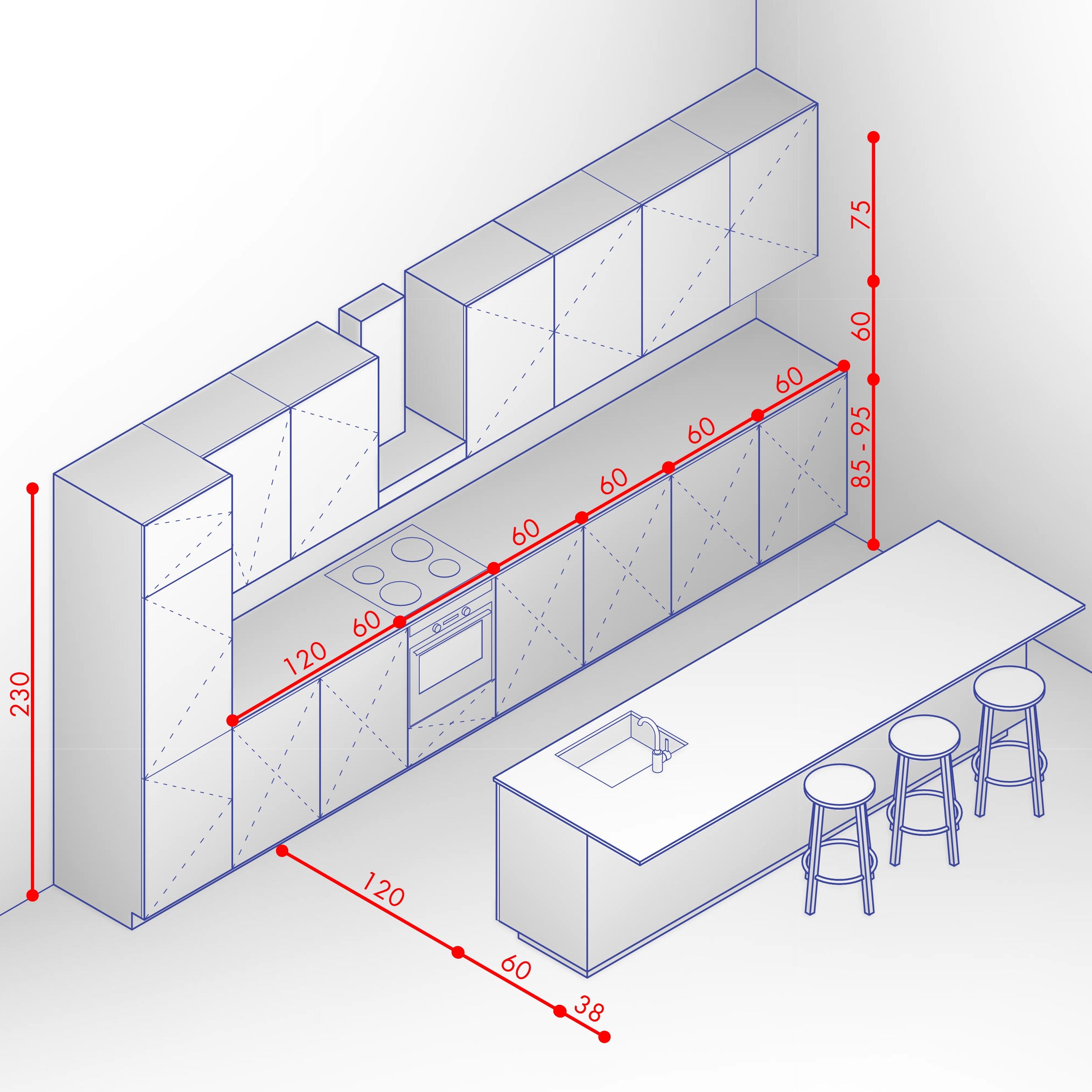
Credit: postdigitalarchitecture.com
Frequently Asked Questions
What Is The Standard Height For Kitchen Wall Units?
The standard height for kitchen wall units is typically 30 to 36 inches. This height fits most kitchens and allows easy access while maximizing storage space.
How Far Should Kitchen Wall Units Be From The Countertop?
Kitchen wall units are usually installed 18 inches above the countertop. This distance provides enough workspace and prevents head bumps during cooking.
Can Kitchen Wall Units Be Customized In Height?
Yes, kitchen wall units can be customized. Custom heights accommodate unique kitchen layouts and personal preferences for better functionality and aesthetics.
Why Is Kitchen Wall Unit Height Important?
Proper height ensures comfort, safety, and efficient use of space. It impacts accessibility and overall kitchen ergonomics for daily cooking tasks.
Conclusion
Choosing the right height for kitchen wall units is essential. It impacts both functionality and aesthetics. Standard heights range from 12 to 42 inches. Consider your kitchen space and personal needs. Think about the reachability and storage requirements. A well-placed unit enhances your kitchen’s flow.
Measure carefully before installing. This ensures your kitchen feels comfortable and efficient. The right height can make daily tasks easier. Remember, a well-organized kitchen is a happy kitchen. Tailor your choices to fit your lifestyle and space. Make your kitchen a place you love to be in.
