

Choosing the right gloss for your kitchen walls can completely change the look and feel of your space. You want a finish that not only looks great but also stands up to spills, steam, and daily wear.
But with so many options out there, how do you know which gloss level suits your kitchen best? You’ll discover the perfect balance between style and practicality, helping you make a confident choice that keeps your kitchen looking fresh and inviting for years.
Keep reading to find the gloss that matches your needs perfectly.

Credit: venetianplasterpainting.com
Gloss Levels For Kitchen Walls
Choosing the right gloss level for your kitchen walls can change how your space feels and functions. The finish you pick affects durability, light reflection, and even how easy it is to clean. Understanding the different gloss levels helps you make a choice that suits your lifestyle and kitchen style perfectly.
Matte And Eggshell Finishes
Matte and eggshell finishes offer a soft, subtle look for kitchen walls. They hide imperfections well, which is great if your walls aren’t perfectly smooth. These finishes absorb light, creating a cozy and warm atmosphere.
However, they aren’t the easiest to clean. Grease and stains can stick, so they work best in kitchens with less cooking mess or in areas away from direct splashes. Think about how often you’ll need to wipe down your walls before choosing these finishes.
Satin And Semi-gloss Options
Satin and semi-gloss finishes strike a balance between appearance and practicality. They have a gentle shine that reflects light, brightening your kitchen without being too flashy. These finishes are more durable and resist moisture and stains better than matte or eggshell.
If your kitchen sees a lot of action, these finishes can save you time and effort during cleaning. They’re ideal for walls near sinks or cooking areas. Would you prefer a finish that handles spills easily and still looks stylish?
High Gloss Benefits
High gloss finishes shine brightly and create a sleek, modern look. They are the most durable, offering excellent resistance to moisture, stains, and scrubbing. This makes them perfect for busy kitchens where walls get splattered and wiped down often.
But high gloss also highlights every bump and imperfection on your walls. If your walls are smooth and well-prepped, high gloss can add a stunning effect. Are you ready for a finish that demands perfect walls but rewards you with easy cleaning and a polished look?
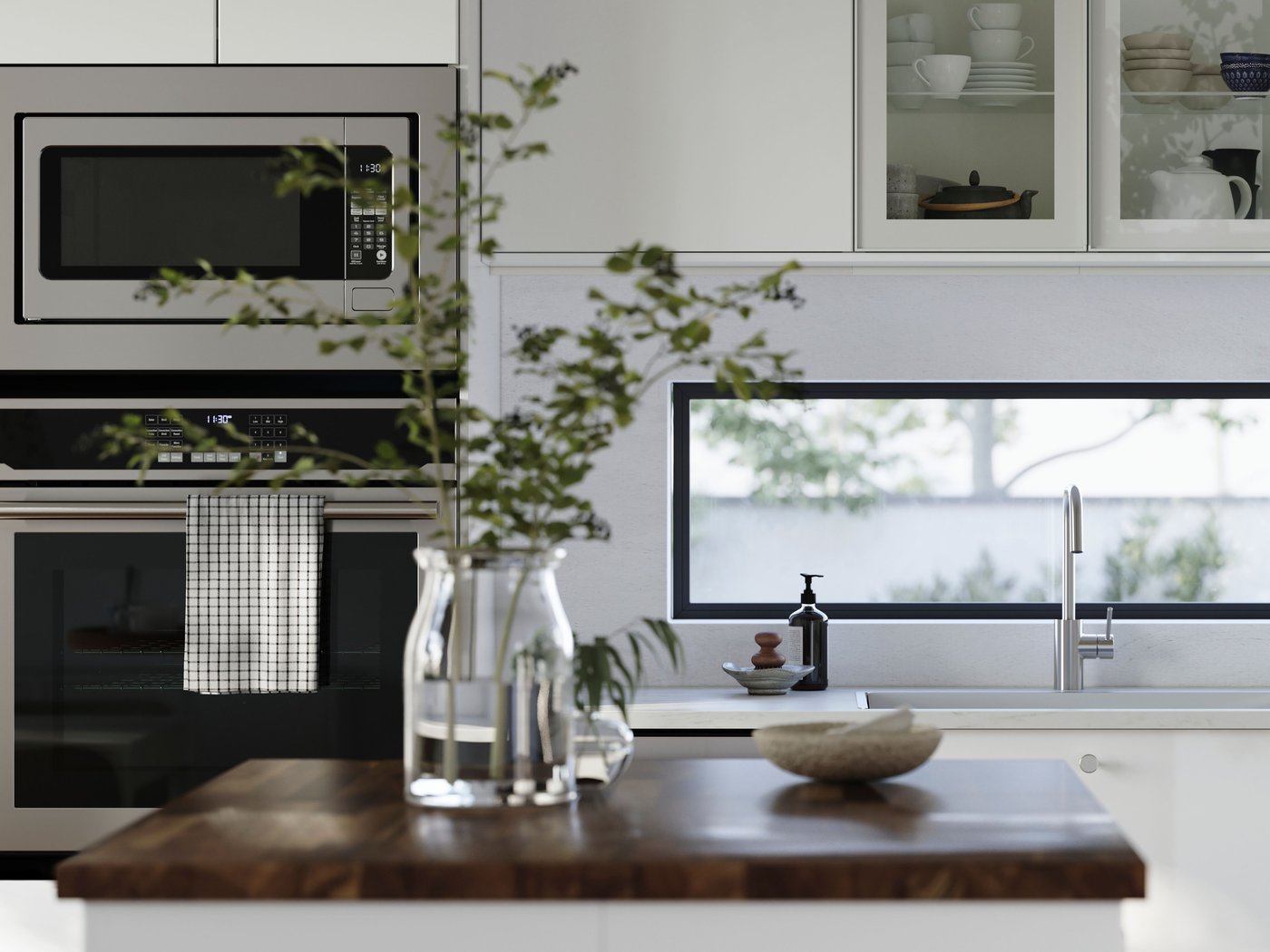
Credit: www.ikea.com
Factors Influencing Gloss Choice
Choosing the right gloss for kitchen walls depends on many factors. Each factor affects how the paint looks and performs in your space. Understanding these elements helps you pick a finish that suits your kitchen’s style and needs.
Kitchen Lighting Impact
Lighting changes how gloss appears on walls. Bright, natural light makes glossy finishes shine more. Dim lighting softens the gloss, making walls look less reflective. Artificial lights with warm tones can add warmth to gloss. Cool lights highlight the shine and crispness of gloss. Consider the kitchen’s main light sources before choosing gloss level.
Wall Texture Considerations
Wall texture affects paint gloss appearance. Smooth walls show gloss clearly and reflect light well. Rough or textured walls scatter light, reducing shine. High gloss may highlight bumps and imperfections. Matte or low gloss hides texture flaws better. Match gloss to wall texture for a balanced look.
Maintenance And Cleaning Needs
Gloss level impacts cleaning and durability. High gloss finishes resist stains and wipe clean easily. They suit busy kitchens with spills and splashes. Low gloss or matte finishes can be harder to clean. They may absorb dirt and marks more easily. Choose a gloss that fits your cleaning routine and kitchen use.
Durability And Gloss
Choosing the right gloss level for your kitchen walls isn’t just about appearance—it heavily influences durability. Glossy paints tend to stand up better to the unique demands of a kitchen environment. Understanding how they resist moisture, stains, and how their shine lasts over time can help you make a smart, lasting choice.
Resistance To Moisture
Kitchens are prone to humidity, steam, and occasional splashes. High-gloss paints create a smooth, almost sealed surface that stops moisture from penetrating the walls easily. This means less chance of peeling or bubbling compared to matte finishes, which can soak up moisture.
Have you ever noticed how a glossy wall can be wiped down without leaving marks? That’s because the moisture sits on top instead of soaking in. This quality makes high-gloss an excellent option if you want your kitchen walls to stay fresh and intact longer.
Stain And Scrub Resistance
Cooking often leads to splatters of oil, sauce, or even coffee. Glossy surfaces resist stains better because they don’t absorb spills as quickly. You can simply wipe away many common kitchen stains without scrubbing hard or using harsh chemicals.
Imagine accidentally splashing tomato sauce on your walls—glossy paint allows you to clean it off quickly. This ease of maintenance can save you time and frustration, especially in busy kitchens.
Longevity Of Glossy Paints
One surprising fact is that glossy paints tend to maintain their shine longer than semi-gloss or eggshell finishes. However, this depends on the quality of the paint and how well you maintain it. Regular cleaning without abrasive tools keeps the gloss intact and vibrant.
Think about the kitchen walls you’ve seen years ago that still look shiny and new. That lasting glow is proof that investing in quality glossy paint can pay off by keeping your kitchen looking fresh over time.
Aesthetic Effects Of Gloss
Gloss on kitchen walls does more than just protect the surface; it shapes how your space feels and looks. The level of gloss you choose can dramatically influence light reflection, color richness, and overall ambiance. Understanding these effects helps you create a kitchen that matches your style and functional needs.
Enhancing Space Perception
Glossy walls reflect more light, making your kitchen appear brighter and larger. If you have a small or dim kitchen, a high-gloss finish can open up the room visually. Have you noticed how shiny surfaces bounce light around, giving a sense of openness that matte finishes can’t achieve?
However, if your kitchen is already spacious and filled with natural light, a subtle gloss might be enough to avoid overwhelming the space. Too much shine can sometimes feel cold or sterile, so balancing the gloss level with your kitchen’s size is key.
Color Intensity And Shine
Gloss enhances the depth and richness of colors. Bright reds, blues, or greens become more vivid when paired with a glossy finish. This can add an exciting pop to your kitchen walls, making the colors stand out beautifully.
On the flip side, if your kitchen colors are soft or pastel, a high gloss might make them appear harsher than intended. In that case, a satin or semi-gloss finish can offer a gentle shine that keeps colors true but still adds life.
Balancing Gloss With Other Surfaces
Think about how your glossy walls will interact with other kitchen elements like cabinets, countertops, and backsplashes. If your cabinets are matte, glossy walls can create a pleasant contrast that feels dynamic and modern.
Too much gloss throughout the kitchen can cause glare and visual fatigue. Mixing finishes—like pairing glossy walls with textured or matte surfaces—adds depth and interest. What textures or finishes in your kitchen could complement a glossy wall without competing with it?
Practical Tips For Application
Applying gloss paint to your kitchen walls can transform the space, making it look cleaner and brighter. However, the results depend heavily on how you prepare and apply the paint. Here are some practical tips to help you get a flawless finish that lasts.
Preparing Kitchen Walls
Start by cleaning your walls thoroughly to remove grease and dirt. Kitchen walls often collect cooking residues, which can prevent paint from sticking properly.
Repair any cracks or holes with filler and sand the surface smooth once dry. This step is crucial because gloss paint highlights imperfections rather than hiding them.
Finally, apply a suitable primer to ensure better adhesion and a more even finish. Skipping this can lead to peeling or uneven gloss.
Choosing The Right Paint Type
Gloss paint comes in various finishes like high gloss, semi-gloss, and satin. High gloss reflects the most light but shows every flaw, while satin offers a softer shine and hides imperfections better.
For kitchen walls, semi-gloss is often the best choice because it balances durability with ease of cleaning. Ask yourself how much wear your walls will face and pick accordingly.
Consider water-based acrylic paints for faster drying and less odor. They clean up easily and resist moisture, which is essential in kitchens.
Techniques For Smooth Finish
Use a high-quality roller with a short nap to avoid leaving texture on your walls. Roll the paint in small sections, maintaining a wet edge to prevent streaks.
Apply thin, even coats rather than thick layers. Thick paint can drip and take longer to dry, increasing the chance of uneven gloss.
Don’t rush the drying time between coats. Patience helps each layer settle properly and results in a smoother, more durable surface.
Have you noticed how a perfectly painted wall changes the whole vibe of your kitchen? With these tips, you’re closer to achieving that sleek, polished look you want.
Common Mistakes To Avoid
Choosing the right gloss for your kitchen walls can transform your space, but it’s easy to slip up if you’re not careful. Avoiding common mistakes can save you time, money, and frustration. Let’s look at some frequent errors that people make and how you can steer clear of them.
Overusing High Gloss
High gloss paint can look stunning, reflecting light and making your kitchen feel brighter. However, using it too much can backfire. It tends to highlight every imperfection on your walls, from bumps to scratches.
Instead of covering all walls in high gloss, consider using it as an accent on certain areas like backsplashes or trims. This balances shine without overwhelming your space. Have you noticed how a little goes a long way with glossy finishes?
Ignoring Surface Prep
Skipping proper surface preparation is one of the biggest mistakes. If walls aren’t clean, smooth, and primed, your paint won’t adhere well. This causes peeling and uneven gloss levels.
Take time to sand rough spots, fill cracks, and wipe away dust. These steps might seem tedious but they ensure your gloss finish stays flawless for years. Remember, great paint starts with great prep.
Neglecting Ventilation
Painting in a poorly ventilated kitchen can lead to problems beyond just discomfort. Paint fumes need to escape, or you risk uneven drying and lingering odors. This affects the final gloss and your health.
Open windows, use fans, or wear masks during and after painting. How often have you felt stuck in a paint cloud that just won’t clear? Good airflow helps your kitchen walls dry evenly and safely.
Trends In Kitchen Wall Finishes
Kitchen wall finishes are evolving fast. Homeowners want stylish and practical options. Trends now focus on durability, ease of cleaning, and visual appeal. Gloss levels play a key role in the look and feel of kitchen walls. Innovations in paint technology also influence choices. Mixing gloss with texture creates unique designs that catch the eye.
Popular Gloss Levels Today
Semi-gloss and satin finishes lead the market. They offer a soft shine that hides imperfections well. High gloss is popular for modern kitchens. It reflects light and makes spaces look larger. Matte finishes are also gaining traction for a subtle, elegant look. These choices suit different kitchen styles and needs.
Innovative Paint Technologies
New paints resist stains and moisture better than before. Some paints have antibacterial properties, improving kitchen hygiene. Eco-friendly formulas reduce harmful fumes. Quick-drying options speed up renovation projects. These advances make kitchen walls easier to maintain and safer for families.
Combining Gloss With Textures
Texture adds depth and interest to kitchen walls. Pairing gloss with textures balances shine and tactility. Techniques include:
- Glossy tiles with rough grout lines
- Textured wallpaper with a glossy topcoat
- Gloss paint over wood grain or plaster effects
This mix creates stylish contrasts. It highlights architectural features and enhances light play.

Credit: www.tilemountain.co.uk
Frequently Asked Questions
What Gloss Level Is Best For Kitchen Walls?
Semi-gloss is ideal for kitchen walls. It offers a balance of shine and durability. It resists moisture and stains, making cleaning easy. This gloss level also reflects light, brightening the space without being too shiny.
Can High Gloss Paint Work Well In Kitchens?
Yes, high gloss paint works well in kitchens. It provides a sleek, modern look and is highly washable. However, it can show imperfections easily and may create glare. Use it on cabinets or trim for best results, not large wall areas.
How Does Gloss Affect Kitchen Wall Durability?
Higher gloss paint increases wall durability. Glossy finishes resist stains, moisture, and scrubbing better than matte. This makes them perfect for kitchens where splashes and grease are common. Semi-gloss and high gloss are both durable choices for kitchen walls.
Is Matte Gloss Suitable For Kitchen Walls?
Matte gloss is less suitable for kitchen walls. It hides imperfections well but is less resistant to moisture and stains. Cleaning matte surfaces can be challenging. For kitchens, semi-gloss or satin finishes are better for durability and ease of maintenance.
Conclusion
Choosing the right gloss for kitchen walls enhances your space. High gloss offers shine and easy cleaning. Semi-gloss provides a balance of durability and subtle shine. Satin gloss gives a soft, smooth look. Each option has unique benefits. Consider your kitchen’s style and needs.
Think about lighting and moisture. The right gloss improves your kitchen’s appearance and function. Explore your options. Make an informed decision. Enjoy a beautiful kitchen that suits your lifestyle.
