

Are you planning to give your kitchen a fresh, stylish makeover? Tiling your kitchen wall might be the perfect project for you.
It’s a task that can transform your space, adding both function and flair. But before you dive in, you might be wondering, “What do you need to tile a kitchen wall? ” The answer is simpler than you think. With the right tools and a bit of guidance, you can achieve a professional-looking finish yourself.
Imagine stepping into your kitchen, greeted by a wall that reflects your personal style and craftsmanship. Intrigued? Keep reading to discover the essential tools and materials you’ll need, along with expert tips to ensure your tiling project is a success. Your dream kitchen is just a few steps away!
Choosing The Right Tiles
Choosing the right tiles is key to a beautiful kitchen wall. Tiles set the style and protect the space from moisture and stains. The right choice balances looks, durability, and ease of cleaning. Consider your kitchen’s size, lighting, and color scheme before picking tiles.
Types Of Kitchen Wall Tiles
Tiles come in many types suitable for kitchen walls:
- Ceramic:Affordable, easy to clean, and water-resistant.
- Porcelain:Denser than ceramic, very durable, and low maintenance.
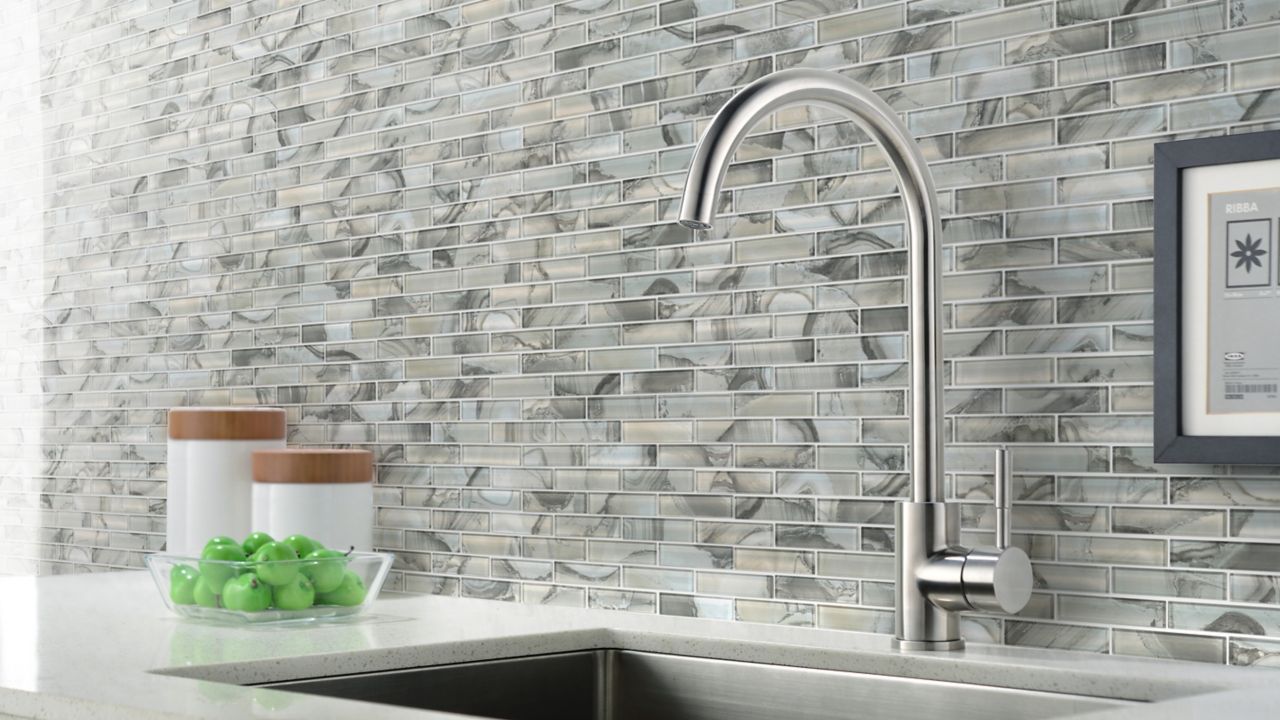
- Glass:Reflects light, adds shine, and is easy to wipe.
- Stone:Natural look, sturdy but needs sealing to prevent stains.
- Metal:Modern and sleek but can scratch easily.
Tile Sizes And Patterns
Tile size affects the kitchen’s feel. Large tiles create a spacious look. Small tiles offer more detail but require more grout.
Popular patterns include:
- Straight lay for a clean, simple style.
- Herringbone for a dynamic, textured effect.
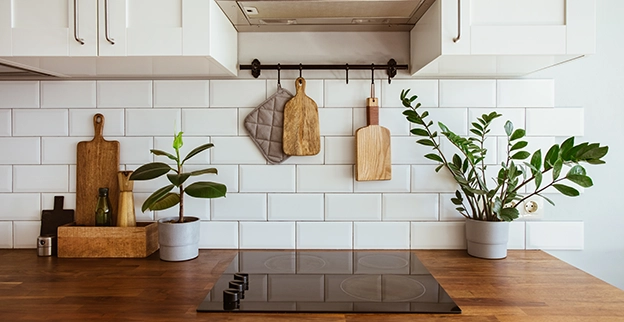
- Subway tiles for a classic, timeless look.
- Checkerboard for a bold, retro vibe.
Tile Material Options
Material choice impacts durability and maintenance:
| Material | Pros | Cons |
|---|---|---|
| Ceramic | Low cost, easy cleaning | Less durable than porcelain |
| Porcelain | Strong, moisture resistant | Higher cost |
| Glass | Brightens space, easy wipe | Can chip or crack |
| Stone | Natural beauty, long-lasting | Needs sealing, can stain |

Credit: www.mineraltiles.com
Essential Tools For Tiling
Tiling a kitchen wall is a task that demands precision and the right set of tools. Having essential tools at your disposal can save you time and help you avoid costly mistakes. Whether you’re a beginner or have some DIY experience, equipping yourself properly is the first step to a smooth tiling process.
Cutting Tools
Cutting tiles to fit corners and edges is unavoidable. A good tile cutter or a wet saw gives you clean, straight cuts without cracking the tiles. If you’re working with ceramic or porcelain, a manual tile cutter might be enough, but for harder materials like stone, a wet saw is a better choice.
Do you know how much a poorly cut tile can affect the final look? Precision here means your kitchen wall will look polished and professional.
Measuring And Marking Tools
Accurate measurements are the backbone of any tiling project. A tape measure, a spirit level, and a pencil or marker will help you plan your tile layout carefully. Don’t forget a square ruler to keep your lines straight and your tiles aligned perfectly.
Mark your tiles before cutting. This simple habit can prevent wasted materials and frustration later on.
Adhesive Application Tools
Applying adhesive evenly is crucial to ensure tiles stick properly and stay put. A notched trowel is the standard tool for spreading adhesive on the wall. The size of the notches depends on the tile size, so choose one that matches your tiles to avoid uneven bonding.
Have you felt the difference when adhesive isn’t applied right? Tiles can slip or pop off, causing extra work and expense.
Grouting Tools
After the tiles are set, filling the gaps with grout is your next step. Use a rubber grout float to spread the grout smoothly between tiles without damaging them. A sponge is helpful for wiping away excess grout and cleaning tile surfaces.
Proper grouting protects your wall from moisture and gives your kitchen a clean, finished look. Skipping quality tools here can lead to messy results.
Preparing The Wall Surface
Preparing the wall surface is a crucial step before tiling your kitchen wall. It sets the foundation for a smooth and lasting tile installation. Neglecting this stage can lead to uneven tiles, poor adhesion, and costly repairs down the road.
Cleaning And Smoothing
Start by removing any grease, dirt, or dust from your kitchen wall. Use a degreaser or a mixture of warm water and mild detergent to wipe the surface thoroughly.
After cleaning, check for any rough patches or old paint flakes. Sand these areas gently with fine-grit sandpaper to create a smooth base for the tiles.
Imagine trying to stick tiles on a dusty or oily wall—it just won’t hold well. How much time do you spend cleaning before a project? It can make all the difference.
Repairing Imperfections
Look closely for holes, cracks, or dents on the wall. These imperfections can cause tiles to crack or pop off if not fixed properly.
Use a ready-mixed filler or patching compound to fill in these gaps. Apply it with a putty knife and smooth it out evenly.
Once dry, sand the repaired spots to ensure they blend seamlessly with the rest of the wall. A level surface is key to avoiding tile misalignment.
Priming The Wall
Priming prepares your wall to better hold the tile adhesive. It also helps prevent moisture from seeping behind the tiles, which can cause mold or damage.
Choose a primer suitable for your wall type—whether it’s drywall, plaster, or cement board. Apply it evenly with a brush or roller and allow it to dry completely.
Skipping primer might save time now, but it often leads to tile failure later. Have you checked if your wall needs priming before your last project?
Setting Out The Tiles
Setting out the tiles on your kitchen wall is a crucial step that can make or break the overall look of your tiling project. It involves careful planning and precise marking to ensure the tiles are straight, even, and visually pleasing. Taking the time to set out your tiles properly helps avoid awkward cuts and uneven gaps later on.
Planning The Layout
Start by measuring the wall space you want to tile. Think about the focal points in your kitchen, like the sink or stove, and plan to center your tiles around these areas. This avoids tiny tile slivers at the edges, which can look messy.
Consider the tile pattern you want. Will you go for a classic grid, a diagonal layout, or a staggered brick pattern? Lay out a few tiles on the floor or countertop to visualize the design before you stick anything on the wall. This simple step can save you from costly mistakes.
Using A Level And Spacers
Maintaining straight rows is easier when you use a level. Hold it against the wall to check vertical and horizontal lines frequently as you work. This keeps your tiles perfectly aligned, avoiding that frustrating slanting look.
Spacers are small but mighty tools. They ensure even gaps between tiles for grouting. Using spacers consistently means your grout lines will look neat and professional, giving your kitchen wall a clean finish.
Marking Guidelines
Once you have your layout and alignment tools ready, mark guidelines on the wall. Use a pencil or a washable marker to draw light horizontal and vertical lines where the tiles will go. These lines act as a roadmap for placing each tile precisely.
Marking guidelines also help you keep track of your progress and make quick adjustments if needed. Imagine working without them – the risk of crooked tiles increases, and fixing mistakes costs time and money. Take a few extra minutes here to save hours later.
Applying Adhesive And Fixing Tiles
Applying adhesive and fixing tiles on your kitchen wall is a crucial step that determines both the durability and the overall look of your tiling project. Getting this part right means your tiles stay put and look great for years. It’s about precision, patience, and knowing the right materials to use.
Choosing The Right Adhesive
Not all adhesives work well for kitchen walls. You need one that can handle moisture, heat, and the weight of your tiles. Look for adhesives labeled as “tile adhesive” or “mastic” specifically designed for wall use.
For ceramic or porcelain tiles, a flexible adhesive is best because kitchen walls expand and contract with temperature changes. If you’re tiling over a smooth surface like painted drywall, you might need a primer or a special adhesive that grips better.
Applying Adhesive Correctly
Spread the adhesive evenly using a notched trowel. The size of the notches depends on your tile size — bigger tiles need bigger notches to hold enough glue. Hold the trowel at a 45-degree angle to create ridges that help the tile stick better.
Don’t apply too much adhesive at once. Work in small sections to prevent it from drying before you place the tiles. A smooth, even layer is key — avoid thick globs or bare spots.
Placing Tiles And Adjusting
Press each tile firmly into the adhesive with a slight twisting motion to ensure good contact. Use tile spacers between tiles to keep the gaps even — this makes grouting easier later on.
If a tile isn’t perfectly aligned, gently adjust it within 10-15 minutes before the adhesive sets. Check with a level to keep your wall straight. Would you rather fix a crooked tile now or regret it after the adhesive hardens?
Cutting And Fitting Tiles
Cutting and fitting tiles can be a challenging part of tiling your kitchen wall, but it’s essential for achieving a clean, professional look. Getting your measurements right and handling your tools properly can save you from costly mistakes. Let’s look at how you can make precise cuts and fit tiles neatly around your kitchen’s unique features.
Measuring For Cuts
Accurate measurements are the foundation of well-fitted tiles. Use a tape measure to mark the exact size needed on your tile before cutting. Remember to account for grout space so the tiles don’t end up too tight or loose.
Mark your tiles clearly with a pencil or a washable marker. Double-check each measurement—once you cut, you can’t undo it. Have you ever cut a tile too short and wished you’d measured twice?
Using Tile Cutters And Saws
There are different tools for cutting tiles depending on their material and the cut type. A manual tile cutter works well for straight cuts on ceramic tiles. Score the tile firmly, then snap it along the line.
For tougher materials or intricate cuts, an electric tile saw is more effective. It offers precision and can handle curves or angled cuts with ease. Always wear safety glasses and keep water handy to reduce dust and cool the blade.
Fitting Around Obstacles
Your kitchen wall isn’t a blank canvas—outlets, switches, and pipes create obstacles. Measure these areas carefully and transfer those measurements onto your tiles. Cutting small notches or curves helps the tile fit snugly without gaps.
Sometimes, it’s easier to cut a tile into smaller pieces to fit around corners or fixtures. Taking your time here ensures a seamless finish. Have you noticed how small gaps or poorly cut edges can ruin the whole look?
Grouting And Sealing
Grouting and sealing are crucial steps in tiling your kitchen wall. They not only complete the look but also protect your tiles from moisture and stains. Getting these right ensures your kitchen stays beautiful and easy to clean for years.
Selecting Grout Types
Choosing the right grout depends on the tile and the space between them. Cement-based grout is common and affordable, but epoxy grout offers better water resistance and durability. Consider the color too—lighter grout can brighten your kitchen, while darker grout hides stains better.
Applying Grout Smoothly
Use a rubber float to press grout firmly into the gaps between tiles. Hold the float at a 45-degree angle and work diagonally across the tiles to avoid pulling grout out. Smooth application not only looks neat but also prevents cracks and gaps.
Cleaning Excess Grout
Don’t wait too long to clean the grout haze from your tiles. Use a damp sponge and wipe gently in circular motions to avoid digging grout out of the joints. Rinse your sponge often and change water as needed to keep the surface clean without smearing.
Sealing For Durability
Sealing grout protects it from moisture, mold, and stains, especially in a kitchen environment. Apply a penetrating sealer after the grout cures, usually 48-72 hours later. Think of sealing as insurance—it keeps your hard work looking fresh and extends the life of your tiled wall.
Common Mistakes To Avoid
Tiling a kitchen wall can transform your space, but certain mistakes can turn this rewarding project into a frustrating one. Avoiding common pitfalls will save you time, money, and effort. Let’s look at some frequent errors that many DIYers make and how you can steer clear of them to get professional results.
Ignoring Surface Prep
Surface preparation is the foundation of any good tile job. Skipping this step leads to tiles that don’t stick well and may crack or fall off over time.
Make sure your wall is clean, dry, and free from grease or dust. If your surface is uneven, smooth it out with a suitable filler or sandpaper. I once rushed this step and ended up with loose tiles that needed redoing—don’t make the same mistake.
Skipping Layout Planning
Have you ever started tiling without a clear plan and ended up with awkward cuts or uneven spacing? It happens more often than you think.
Before you apply any adhesive, map out your tile layout. Use a level and chalk line to mark guidelines. This helps you maintain straight lines and balance tile placement across the wall, preventing wasted tiles and frustration.
Using Wrong Adhesives Or Grout
Not all adhesives and grout are created equal. Choosing the wrong type can cause tiles to loosen or grout to crack and stain easily.
Check the tile manufacturer’s recommendations. For example, ceramic tiles generally need a different adhesive than natural stone tiles. Also, pick grout that suits your tile size and kitchen conditions—water-resistant grout is often best for kitchen walls.
Maintenance Tips For Tiled Walls
Maintaining your tiled kitchen walls not only keeps them looking fresh but also extends their lifespan. Regular care prevents common issues like stains, mold, and cracks. Let’s dive into practical tips that make upkeep straightforward and effective.
Cleaning Techniques
Use a mild detergent mixed with warm water for daily cleaning. Avoid harsh chemicals that can dull the tile’s finish or damage grout lines. A soft sponge or microfiber cloth works best to remove grease and food splashes without scratching the surface.
For stubborn stains, try a paste made from baking soda and water. Apply it gently and rinse thoroughly. Do you find your kitchen tiles losing their shine? Regular wiping after cooking helps maintain their brightness and stops dirt buildup.
Preventing Mold And Mildew
Moisture is the biggest enemy of tiled walls, especially around sinks and cooking areas. Keep your kitchen well-ventilated by using exhaust fans or opening windows while cooking. This simple habit reduces humidity and discourages mold growth.
Check grout lines regularly for discoloration or a musty smell. Applying a grout sealer every six months creates a barrier against moisture. Have you ever noticed black spots appearing despite cleaning? This could signal early mold and calls for immediate attention.
Repairing Damaged Tiles
Small chips or cracks don’t have to ruin your kitchen wall. You can fix minor damage with epoxy or tile repair kits available at most hardware stores. Match the repair material color closely to your tile for a seamless look.
If a tile is loose or broken, carefully remove it and clean the area before applying fresh adhesive. Replace grout around the tile to secure it firmly. Waiting too long to repair can lead to bigger problems—why risk water damage when a quick fix is possible?
Credit: www.mrhandyman.ca
Credit: www.tileshop.com
Frequently Asked Questions
What Tools Do I Need To Tile A Kitchen Wall?
You need a tile cutter, notched trowel, level, spacers, grout float, sponge, and a tape measure for tiling a kitchen wall.
Which Materials Are Essential For Kitchen Wall Tiling?
Essential materials include tiles, tile adhesive, grout, primer, and sealant to ensure a durable and professional finish.
How Do I Prepare The Wall Before Tiling?
Clean the wall, remove old wallpaper or paint, repair holes, and apply primer for better tile adhesion.
What Type Of Tile Adhesive Is Best For Kitchen Walls?
Use a high-quality, water-resistant adhesive designed specifically for wall tiles to ensure strong, lasting bonds.
Conclusion
Tiling a kitchen wall takes the right tools and materials. Start with clean, dry surfaces for best results. Use tile adhesive, spacers, and a grout float to place tiles evenly. Cut tiles carefully to fit corners and edges. Take your time to ensure each tile sticks well.
Clean excess grout before it dries hard. A well-tiled wall can brighten and protect your kitchen. Simple steps lead to a neat, lasting finish. Ready to add style and function to your space?
