

Choosing the right colour for your kitchen walls can change everything about the space. It affects how you feel when you cook, eat, or gather with family.
But with so many options, how do you pick the perfect shade? You want a colour that feels just right—warm and welcoming, fresh and clean, or maybe bold and exciting. You’ll discover simple tips and ideas to help you decide on a colour that matches your style and makes your kitchen truly feel like yours.
Keep reading, and soon you’ll know exactly what colour should paint your kitchen walls.
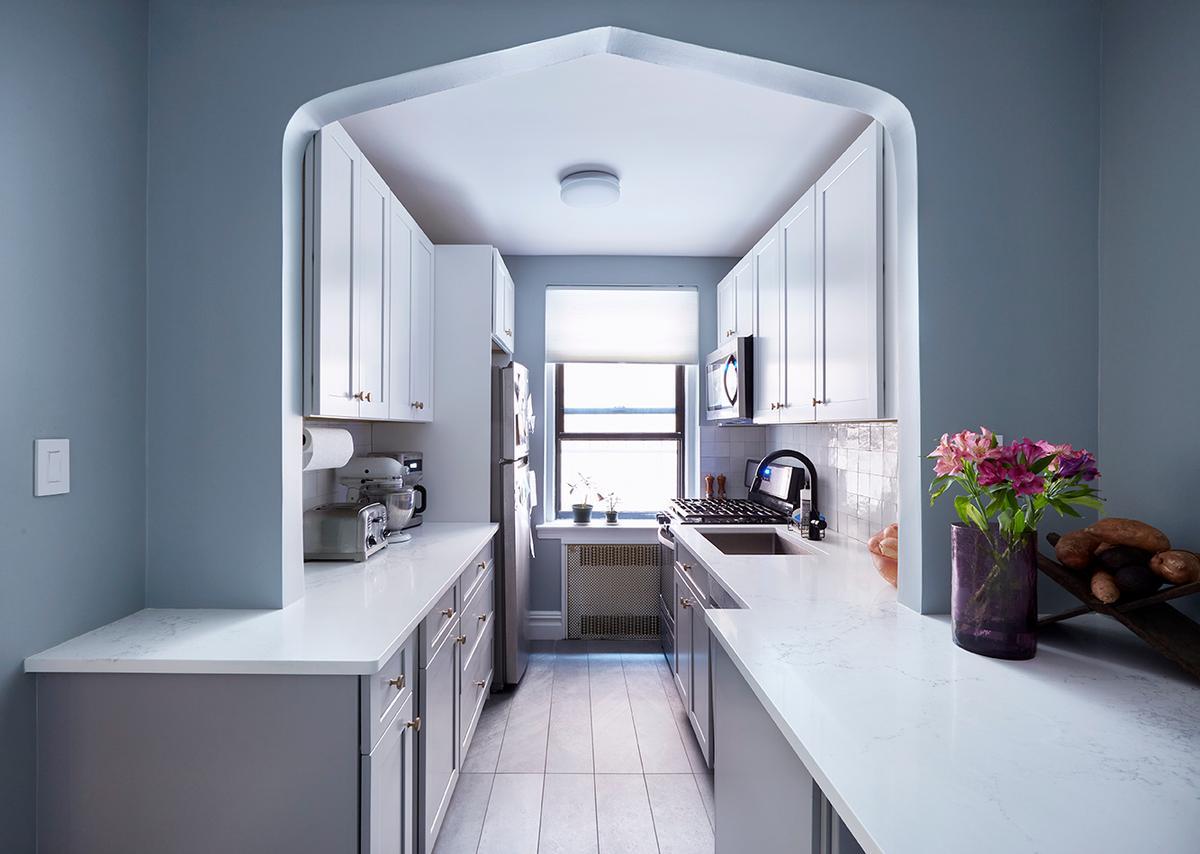
Credit: www.blockrenovation.com
Choosing Kitchen Colors
Choosing the right color for your kitchen walls sets the tone for the entire space. The color you select affects mood, style, and even the perceived size of the room. It is important to balance personal taste with practical factors. The kitchen is a busy area, so colors should create a welcoming and clean atmosphere. Understanding different influences and current trends helps make a confident choice.
Factors Influencing Color Choice
Several elements affect the best color for your kitchen walls. Consider these key points:
- Lighting:Natural and artificial light changes how colors appear.
- Size of the space:Lighter colors make small kitchens feel larger.
- Cabinet colors:Wall paint should complement cabinets and countertops.
- Kitchen style:Modern, traditional, or rustic themes require different colors.
- Personal preference:Choose hues that make you feel comfortable and happy.
- Maintenance:Some colors show dirt or stains more than others.
Popular Kitchen Color Trends
Current kitchen color choices blend style with practicality. These colors remain favorites among homeowners:
- Soft whites:Create a clean, bright, and timeless look.
- Warm grays:Offer a neutral backdrop that pairs well with many materials.
- Muted greens:Bring calmness and a touch of nature indoors.
- Bold blues:Add energy and a modern touch without overwhelming the space.
- Earthy tones:Browns and beiges create warmth and a cozy feel.
- Pastel shades:Light pinks or blues introduce subtle color with softness.
Choosing kitchen wall colors involves many small decisions. Focus on what fits your space and style best.

Credit: www.goodhousekeeping.com
Color Psychology In Kitchens
Color psychology explores how colors affect mood and behavior. In kitchens, wall colors influence appetite, energy, and cleanliness feelings. Choosing the right color helps create a space that feels welcoming and suits daily activities.
Warm Colors For Appetite And Energy
Warm colors like red, orange, and yellow boost appetite and energy. These shades make kitchens feel cozy and lively. Red can stimulate hunger and conversation, perfect for family meals. Orange adds warmth without overwhelming the space. Yellow brightens the room, creating a cheerful atmosphere.
Use warm tones in dining or cooking areas to inspire activity and socializing. Combine them with neutral shades to balance intensity.
Cool Colors For Calm And Cleanliness
Cool colors such as blue, green, and soft gray create calm and cleanliness feelings. Blue promotes relaxation and can reduce stress. Green connects to nature, adding freshness and balance. Soft gray offers a clean, modern look that pairs well with many decor styles.
Choose cool colors for kitchens if you want a peaceful, tidy environment. These shades work well in minimalist or contemporary designs, making the space feel spacious and neat.
Matching Colors With Kitchen Style
Choosing the right color for your kitchen walls depends heavily on the style of your kitchen. Matching colors with your kitchen’s design can enhance the space and create the mood you want. Think about the overall vibe you want to achieve and let your kitchen style guide your color choice.
Modern And Minimalist Palettes
Modern kitchens thrive on simplicity and clean lines. Neutral colors like white, soft gray, or pale beige create a fresh, uncluttered look. These shades reflect light well, making your kitchen feel bigger and brighter.
If you want a bit of contrast, try charcoal or matte black on an accent wall. These shades add depth without overwhelming the minimalist feel. Have you considered how a splash of muted blue or green might add calmness without breaking the clean look?
Traditional And Rustic Tones
Traditional kitchens often call for warm, inviting colors. Earthy tones like warm taupe, creamy yellow, or soft terracotta complement wood cabinets and vintage fixtures beautifully. These colors bring comfort and a timeless charm to your kitchen.
Rustic kitchens welcome deeper, richer hues. Think olive green, burnt orange, or deep red to highlight wooden beams or stone features. Would a muted mustard yellow brighten your rustic kitchen without clashing with natural textures?
Bold And Eclectic Combinations
If your kitchen style is bold or eclectic, don’t shy away from vibrant colors. Bright teal, sunny yellow, or fiery red can energize your space and reflect your personality. Pair these with neutral cabinets or countertops to avoid overwhelming the senses.
Mixing unexpected color combinations can bring unique charm. For example, a deep navy wall with copper accents creates a striking yet balanced look. What daring color would you try to make your kitchen truly one-of-a-kind?
Lighting And Color Interaction
Choosing the right paint color for your kitchen walls goes beyond picking a shade you like. The way light interacts with color can dramatically change the mood and look of your space. Understanding how natural and artificial light affect paint colors can help you make a choice that feels perfect all day long.
Natural Light Effects
Natural light varies throughout the day, and this can shift the appearance of your wall color. South-facing kitchens usually get warm, bright sunlight, which can make cool colors feel more vibrant and warm colors appear softer.
North-facing kitchens receive cooler, indirect light, which can make warm colors feel muted and cool tones look stronger. If you have a north-facing kitchen, you might want to test warmer shades that add coziness without feeling dull.
Think about the time of day you spend most in your kitchen. Does the morning sun fill the room, or is it brighter in the evening? Testing paint samples at different times can reveal surprising changes you might not expect.
Artificial Lighting Impact
Artificial lighting plays a huge role once natural light fades. Different bulbs—like warm white, cool white, and daylight—cast unique tones on your walls.
Warm white bulbs tend to enhance reds, oranges, and yellows, making your kitchen feel inviting and cozy. On the other hand, cool white bulbs bring out blues and greens, giving a fresher, cleaner vibe.
Consider layering your kitchen lighting with a mix of overhead, task, and accent lights. This lets you control how your wall color looks depending on the activity or mood you want to create.
Have you noticed how your kitchen walls look different under the light in the evening compared to midday? Taking note of this can guide you toward a color that works well with all your lighting sources.
Complementing Cabinets And Counters
Choosing the right wall color to complement your kitchen cabinets and counters can change the entire mood of the space. Your walls can either highlight the beauty of your cabinetry and countertops or compete with them for attention. It’s important to think about the colors you already have and how your wall paint can enhance or balance those elements.
Neutral Wall Colors With Bold Cabinets
Neutral walls create a calm backdrop that lets bold cabinets shine. Colors like soft beige, warm gray, or creamy white work well to balance vibrant or dark cabinet colors. If you have deep blue or forest green cabinets, a neutral wall color will prevent the space from feeling overwhelming.
Neutral tones also make it easier to change your cabinet hardware or decor without clashing with the walls. Have you noticed how some kitchens with bright red cabinets feel more inviting because the walls stay subtle? That’s the power of a neutral canvas supporting bold features.
Contrasting Colors For Visual Interest
Using contrasting colors on your walls can add energy and depth to your kitchen. For example, pale yellow walls can brighten up dark wood cabinets, while a soft teal can freshen up white counters. The key is to find colors that don’t fight but create a pleasing tension.
Think about the undertones in your cabinets and counters. Warm wood tones pair well with cooler wall colors like slate gray or soft blue. If your counters are a stark white, a deep, rich wall color can add drama and sophistication.
- Try a muted mustard wall with navy blue cabinets for a stylish look.
- Pair dark granite counters with light lavender walls to soften the space.
- Use a dusty rose wall color to add warmth next to crisp white cabinets.
Are you ready to experiment with color contrasts in your kitchen? Sometimes stepping outside your comfort zone leads to the most rewarding results.
Practical Tips For Painting
Choosing the right color for your kitchen walls can be exciting, but painting requires more than just picking a pretty shade. Practical steps help you avoid costly mistakes and ensure your kitchen looks exactly how you want. Let’s focus on two key tips that make a big difference in your painting project.
Testing Colors Before Commitment
Before you buy gallons of paint, test your color choices on the actual kitchen walls. Paint small patches in different spots, including areas with natural light and shadows. You’ll see how the color changes throughout the day and how it works with your cabinets and countertops.
Sometimes a color that looks great on a screen or a small sample card can feel very different on a large wall. Ask yourself: Does this color make your kitchen feel warm or cold? Does it match your style or clash with your appliances? Testing helps you answer these questions without regret.
Choosing The Right Paint Finish
The finish of your paint affects both the look and durability of your kitchen walls. Glossy and semi-gloss finishes reflect more light and are easier to clean, making them great for busy kitchens. Matte and eggshell finishes hide imperfections better but may not hold up as well against scrubbing.
Think about how often you cook and how much cleaning your walls need. If your kitchen sees a lot of spills and splashes, a satin or semi-gloss finish can save you time and effort. Which finish would make your kitchen maintenance easier while keeping the style you want?
Avoiding Common Color Mistakes
Choosing the right paint color for your kitchen walls is important. Avoiding common color mistakes helps create a welcoming and balanced space. Some color choices can make your kitchen feel less comfortable or smaller. Knowing what to avoid saves time and money.
Overwhelming Brightness
Bright colors can add energy to a kitchen. Too much brightness can cause eye strain and make the space uncomfortable. Bold colors on all walls may feel intense and tiring.
Use bright colors as accents, not the main color. Balance them with neutral or soft tones. This approach keeps the kitchen lively but not overwhelming.
Ignoring Room Size And Layout
Small kitchens need lighter colors to feel open and airy. Dark colors can make small spaces feel cramped and closed in. Large kitchens can handle darker or richer colors well.
Consider natural light and wall space before choosing paint. Paint can help highlight features or hide flaws in the layout. Always match color with the kitchen’s size and shape for the best effect.

Credit: www.reddit.com
Frequently Asked Questions
What Colour Makes Kitchens Look Bigger?
Light colours like white, cream, or pastels make kitchens appear larger. They reflect more light, creating an open and airy feel. These shades brighten up the space, making it look more spacious and inviting.
Which Paint Colours Suit Small Kitchens Best?
Soft neutrals like light grey, beige, or pale blue suit small kitchens. They add warmth without overwhelming the space. These colours create a calm, clean environment and visually expand the room.
How To Choose Kitchen Wall Colour With Cabinets?
Pick a colour that complements or contrasts your cabinet tones. For dark cabinets, lighter wall colours work well. For light cabinets, consider bold or warm tones to add character without clashing.
Are Bold Kitchen Wall Colours A Good Idea?
Yes, bold colours like navy, emerald, or red add personality and energy. Use them on one wall or in accents to avoid overpowering the kitchen. They create a stylish and lively atmosphere.
Conclusion
Choosing the right kitchen wall color changes everything. It sets the mood. Light shades make small spaces feel bigger. Dark tones add drama and elegance. Neutral colors create a timeless look. Bright colors bring energy and fun. Think about your kitchen’s size and light.
Consider your personal style and needs. Test samples to see them in action. Remember, your kitchen should reflect you. A well-chosen color makes cooking more enjoyable. It invites warmth and comfort. Take your time deciding. Your perfect kitchen awaits. Happy painting!
