

Have you ever wondered what it was like to carry your lunch to work decades ago? The vintage coal miners lunch box isn’t just a container—it’s a piece of history.
Imagine holding something that once traveled deep underground, keeping a miner’s meal safe through tough, dirty shifts. If you’re curious about these unique lunch boxes, how they were made, and why collectors treasure them today, you’re in the right place.
Keep reading to discover the stories these vintage lunch boxes carry and how they can add a special touch to your collection or daily life.
History Of Coal Miners Lunch Boxes
The history of coal miners lunch boxes reveals more than just a container for midday meals—it tells a story of hard work, innovation, and community. These lunch boxes were essential companions for miners who spent long, grueling hours underground. Understanding their history gives you a glimpse into the daily life and challenges faced by coal miners.
Early Designs And Materials
Early coal miners lunch boxes were simple and rugged. Crafted mainly from tin or metal, they needed to withstand harsh conditions without breaking or rusting easily.
Most of these early boxes featured a plain, boxy shape with a hinged lid and a sturdy handle. You can still find some with dents and scratches that speak to their tough use.
Evolution Through The Decades
Over time, lunch boxes evolved to become more personalized and practical. By the mid-20th century, painted designs and company logos started appearing, turning these boxes into collectible items.
Improvements included better sealing lids to keep food fresh and insulated interiors to protect meals from extreme temperatures underground. Have you ever wondered how such small changes made a big difference for miners’ daily comfort?
Regional Variations
Different mining regions developed their own unique styles of lunch boxes. In Appalachia, for example, you might find boxes with hand-painted scenes of local landscapes or mining life.
Meanwhile, miners in the Midwest often used heavier, reinforced metal boxes that could survive being dropped in rocky shafts. These variations reflect the local culture and conditions miners faced daily.

Credit: www.ebay.com
Design Features And Functionality
Vintage coal miners lunch boxes show a clever mix of design and usefulness. These lunch boxes had to be tough and practical for miners working in hard conditions. Their design focused on protecting food and making it easy to carry during long, tough shifts underground.
Typical Shapes And Sizes
Most vintage coal miners lunch boxes were rectangular or square. This shape fit well in a miner’s bag or hands. They were usually compact but deep enough to hold a full meal. Sizes varied but often measured around 8 to 10 inches wide and 6 to 8 inches tall. The size balanced enough food storage with easy portability.
Materials Used In Construction
Metal was the main material for these lunch boxes. Steel and tin were common choices. These metals resisted damage and kept food safe from dirt and moisture. Some lunch boxes had enamel coatings to prevent rust. Handles were often made from metal or wood, built to last. The materials also helped keep the lunch box cool or warm for longer.
Safety And Practical Considerations
Safety was key in the design. Lunch boxes had secure latches to stop food from spilling. Rounded edges avoided cuts or injuries. Some models featured tight-fitting lids to keep out dust and coal dust. Easy-to-clean surfaces were important for hygiene underground. The lunch box needed to be strong but not too heavy for miners to carry all day.
Collecting Vintage Lunch Boxes
Collecting vintage lunch boxes is more than just a hobby; it’s a journey into history and nostalgia. Each piece tells a story about the past, especially unique items like vintage coal miners lunch boxes. These lunch boxes capture a rugged era and offer a tangible connection to the hardworking lives of miners.
Identifying Authentic Pieces
Authenticity matters when you collect vintage lunch boxes. Check for signs of wear that match the item’s age, such as faded paint or slight rusting. If a lunch box looks too new or perfect, it might be a reproduction.
Look closely at the construction. Older lunch boxes often have sturdy metal bodies and hand-painted details. Are the hinges and clasps original, or do they seem replaced? These small details can reveal if the piece is genuine.
Common Markings And Labels
Labels and markings are your best clues in verifying vintage lunch boxes. Many coal miners lunch boxes have manufacturer stamps inside the lid or on the bottom. These may include company names, patent dates, or “Made in USA” tags.
Sometimes, you’ll find miner-specific logos or even the name of the mining company. These markings add value and help trace the lunch box’s history. Have you noticed any unique logos on your vintage finds?
Caring For Vintage Items
Proper care preserves the value and charm of your lunch boxes. Avoid harsh chemicals that can damage paint or metal. Instead, use a soft cloth and mild soap to gently clean the surface.
Store your lunch boxes in a dry place to prevent rust and keep them away from direct sunlight to avoid fading. Handling them with clean hands or gloves reduces oils that can degrade materials over time.

Credit: www.ebay.ca
Cultural And Historical Significance
The vintage coal miners lunch box is more than just a container for food; it holds deep cultural and historical value. These lunch boxes connect us to the lives and struggles of miners who faced tough conditions daily. Understanding their significance helps you appreciate the heritage behind these simple objects.
Symbolism In Mining Communities
In mining towns, lunch boxes symbolized much more than a meal carrier. They stood for resilience and solidarity among workers who depended on each other underground. Each lunch box often carried personal touches, like engraved names or painted designs, making it a badge of belonging.
Have you ever thought about what your lunch box says about you? For miners, their lunch boxes told stories of pride and survival in harsh environments. Holding one today connects you to those narratives and the community spirit that shaped mining life.
Role In Worker Identity
Miners identified strongly with their lunch boxes. These items were part of their daily routine and a small but important aspect of their work identity. A well-worn lunch box showed years of hard work and dedication.
Your lunch box might seem ordinary, but for miners, it was a companion through long shifts. It represented self-reliance and a break from the demanding labor underground. This personal connection highlights how tools and possessions can shape how you see yourself at work.
Representation In Popular Culture
Coal miners’ lunch boxes have appeared in films, books, and art to evoke the gritty reality of mining life. They often symbolize the blue-collar experience and working-class endurance. These representations help keep mining history alive for new generations.
Next time you see a vintage lunch box in a museum or movie, consider the stories it carries. How does it change your view of the people who used it daily? Popular culture uses these objects to remind us of the strength behind everyday struggles.
Where To Find Vintage Lunch Boxes
Finding a vintage coal miner’s lunch box can be a rewarding quest. These lunch boxes hold history and charm. They show the lives of hardworking miners from the past. The search requires patience and knowing where to look. Several places offer authentic and well-preserved lunch boxes. Each spot has its own unique finds and surprises.
Antique Stores And Flea Markets
Antique stores often carry vintage lunch boxes. Shop owners understand their value and history. Flea markets bring together many sellers in one place. You can find hidden gems among the stalls. Visit regularly to catch new arrivals. Talk to sellers about the item’s background. Sometimes, lunch boxes come with stories from the past.
Online Auctions And Marketplaces
Websites like eBay and Etsy list many vintage lunch boxes. Auctions let buyers bid for special pieces. Marketplaces offer fixed prices for easier shopping. Use clear keywords like “coal miner lunch box vintage.” Check item photos carefully for condition details. Read seller reviews to ensure trustworthiness. Online shopping expands your options worldwide.
Collector Clubs And Shows
Collector clubs bring together lunch box enthusiasts. Members share knowledge and trade items. Clubs often host shows and swap meets. These events showcase rare and unique lunch boxes. You can meet experts and ask questions. Join a club to connect with people who love history. Collector shows provide a chance to see many lunch boxes in one place.
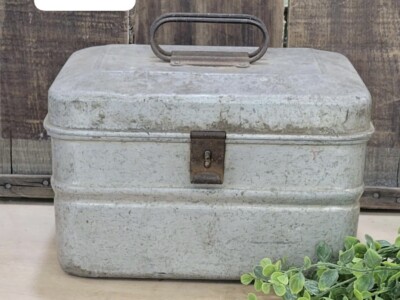
Credit: www.ebay.com
Restoration And Preservation Tips
Restoring and preserving a vintage coal miner’s lunch box is both a rewarding and delicate task. These lunch boxes carry stories from the past, and taking care of them ensures those stories live on. You’ll want to handle each step with care, balancing cleaning, repairs, and proper storage to keep your piece authentic and lasting.
Cleaning Techniques
Start by gently dusting off loose dirt with a soft brush or microfiber cloth. Avoid harsh chemicals; instead, use mild soap diluted in water for stubborn grime. Dab lightly rather than scrubbing to protect original paint and decals.
For metal parts, a bit of white vinegar on a cotton swab can help remove rust spots, but test a small area first. Remember, preserving patina adds character and value, so don’t over-clean.
Repairing Damages
Minor dents and scratches can often be softened using specialized metal repair kits available online. If paint chips are an issue, touch-ups should match the original color closely—too bright or new-looking paint stands out and reduces authenticity.
Loose hinges or clasps may need tightening or gentle lubrication with a light oil. When parts are missing, look for vintage replacements rather than modern substitutes to maintain originality.
Storage Recommendations
Store your lunch box in a cool, dry place away from direct sunlight to prevent fading and rust. Avoid plastic bags which trap moisture; instead, use breathable fabric covers or acid-free paper.
Position it on a stable surface to avoid falls or dents. If you have multiple pieces, separate them with soft cloth to prevent scratching each other.
Frequently Asked Questions
What Is A Vintage Coal Miners Lunch Box?
A vintage coal miners lunch box is a sturdy container used by coal miners. It safely stores and carries their meals underground. These lunch boxes often feature metal construction and unique designs reflecting mining culture.
Why Are Vintage Coal Miners Lunch Boxes Collectible?
They are collectible due to their historical significance and rugged design. Many feature artwork or logos from mining companies. Collectors value them as symbols of coal mining heritage and industrial history.
How Can I Identify An Authentic Vintage Lunch Box?
Look for signs of wear, original paint, and manufacturer marks. Authentic boxes typically have metal construction and vintage logos. Researching the mining company and era helps verify authenticity.
What Materials Were Used In Coal Miners Lunch Boxes?
Most vintage lunch boxes were made from tin or steel. These materials provided durability and protection for food. Some later models included insulation to keep meals warm.
Conclusion
Vintage coal miners lunch boxes tell stories of hard work and history. They show how miners carried their meals underground. These lunch boxes also reflect the style and culture of their time. Collectors and history fans value them for their unique charm.
Owning one connects you to the past in a simple way. They remind us of the strength and spirit of coal miners. A vintage lunch box is more than just a container. It’s a piece of history you can hold and appreciate.

Sophia Martinez is a culinary lifestyle writer and product reviewer for DiningGadgets.com. Passionate about blending style with functionality, she explores the latest dining essentials, kitchen décor, and cleaning hacks that transform everyday cooking spaces. With a background in home organization and design, Sophia brings readers expert advice on creating beautiful, practical kitchens that truly feel like the heart of the home.