

Installing kitchen cabinets can change the look of your kitchen. It can make your space neat and nice. But to install cabinets, you need the right tools. The right tools help you work faster and better.
This article talks about all the tools you need to install kitchen cabinets. It explains what each tool does. It also tells you why you need it. This way, you will be ready to start your kitchen cabinet project.
Why Use the Right Tools?
Using the right tools is very important. It helps you work safely. It makes your work easier and better. When you have the right tools, you make fewer mistakes. Your kitchen cabinets will look good and last long.
Without the right tools, installation can take more time. You might get tired or hurt. The cabinets may not fit well or hold strong. So, always prepare your tools before starting.
Basic Tools to Install Kitchen Cabinets
Here is a list of basic tools you need for cabinet installation. These tools are common and easy to find. If you don’t have them, you can buy or borrow.
| Tool | Purpose | Why It Is Important |
|---|---|---|
| Measuring Tape | Measure space and cabinet parts | Ensures cabinets fit perfectly |
| Level | Check if cabinets are straight | Prevents uneven or tilted cabinets |
| Drill | Make holes and drive screws | Saves time and effort |
| Screwdriver | Tighten or loosen screws | Helps secure cabinet parts |
| Stud Finder | Find wall studs | Ensures cabinets are firmly attached |
| Clamps | Hold cabinets in place | Keeps cabinets steady during work |
| Hammer | Drive nails or adjust parts | Useful for small fixes |
| Utility Knife | Cut materials or open boxes | Helps with trimming and prep work |
| Pencil | Mark measurements and spots | Ensures accurate placement |
| Wood Shims | Fill small gaps | Helps level cabinets |
Measuring Tape: The Most Important Tool
Measuring tape helps you know the size of your kitchen space. It also measures cabinets and parts. Without correct measuring, cabinets might not fit well. This can cause big problems.
Always measure twice. Then cut or install. This simple step stops mistakes. It saves time and money.
Level: Make Cabinets Straight
The level tool shows if cabinets are straight or slanted. Cabinets not level will look bad. They may cause doors to open wrong. A level helps to fix this.
Place the level on top of the cabinet. Check the bubble in the middle. If it is not centered, adjust the cabinet.
Drill: Make Holes and Drive Screws
A drill is a power tool. It makes holes in wood and walls. It also drives screws fast. Using a drill is faster than a screwdriver.
Choose the right drill bit size for your screws. This helps to make clean holes. Be careful to not drill too deep.
Screwdriver: Tighten Screws
Screwdrivers help to tighten or loosen screws. They come in different types. The most common are flathead and Phillips head.
Use the right screwdriver for your screws. This stops damage to screws and cabinets.
Stud Finder: Find Strong Wall Points
Stud finders help you find wooden beams behind walls. Cabinets must be fixed to these beams. This keeps cabinets from falling.
Move the stud finder slowly on the wall. It beeps or lights up when it finds a stud.

Credit: www.create-enjoy.com
Clamps: Hold Cabinets in Place
Clamps hold cabinet parts steady while you work. They stop movement that can cause mistakes. Clamps are helpful when joining cabinets.
Use clamps to keep cabinets tight together. This helps screws go in straight.
Hammer: For Small Fixes
A hammer drives nails or taps parts into place. It is useful for small adjustments. But do not use nails to fix cabinets to walls. Screws are stronger.
Use a hammer gently to avoid damage.
Utility Knife: Cut and Prepare
A utility knife cuts materials like cardboard, plastic, or thin wood. It helps open boxes and trim parts. Always use a sharp blade and cut safely.
Pencil: Mark Your Work
Use a pencil to mark where to drill or cut. Clear marks help you work accurately. A pencil mark can be erased or sanded later.
Wood Shims: Level and Fill Gaps
Wood shims are thin pieces of wood. They fill small gaps between cabinet and wall. Shims help make cabinets level and stable.
Insert shims behind cabinets where needed. Then tighten screws to hold them.
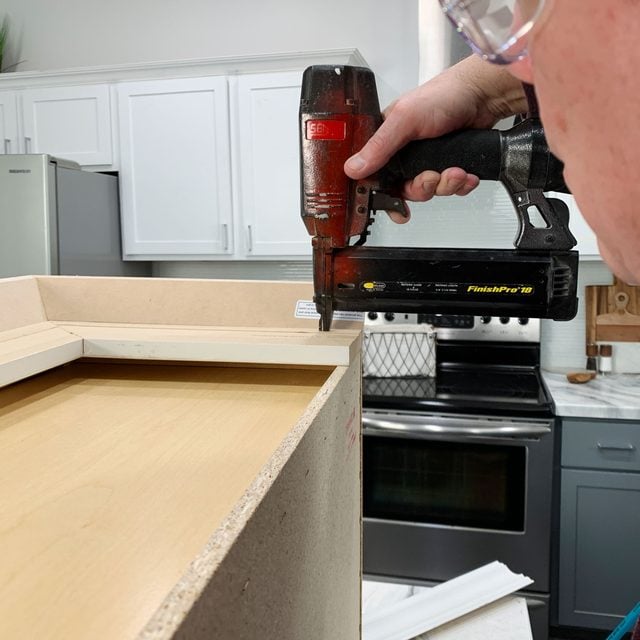
Credit: www.familyhandyman.com
Other Helpful Tools
Besides basic tools, some other tools may help:
- Stud Punch: Marks the stud position on the wall.
- Caulk Gun: Applies sealant for finishing edges.
- Socket Wrench: Tightens bolts if your cabinets have them.
- Safety Gear: Gloves, goggles, and ear protection keep you safe.
Tips for Using Tools Safely
- Always wear safety glasses to protect your eyes.
- Use gloves to protect your hands from cuts and splinters.
- Keep your work area clean and free of clutter.
- Follow the instructions for each tool carefully.
- Do not rush; work slowly and with care.
Steps to Prepare Before Installation
Before installing, prepare your tools and area. Here is how:
- Clear your kitchen space.
- Measure the wall and cabinet sizes.
- Find and mark wall studs with stud finder.
- Gather all tools and materials.
- Read instructions that come with cabinets.
- Check cabinets for damage or missing parts.
Frequently Asked Questions
What Basic Tools Do I Need To Install Kitchen Cabinets?
You need a drill, screwdriver, level, tape measure, stud finder, and clamps.
How Do I Find Studs For Cabinet Installation?
Use a stud finder or tap the wall to locate solid wood studs.
Why Is A Level Important For Cabinet Installation?
A level ensures cabinets are straight and aligned, avoiding doors that don’t close.
Can I Install Kitchen Cabinets Without A Drill?
A drill makes the job faster, but a screwdriver can work for small projects.
Conclusion
Installing kitchen cabinets is easier with the right tools. Tools like measuring tape, level, drill, and stud finder are must-haves. They help you work fast and well.
Using proper tools keeps you safe and your cabinets strong. Always prepare your tools and space before starting. Take your time and follow all steps carefully.
With patience and the right tools, your kitchen will look great. Enjoy your new cabinets for many years!

Sophia Martinez is a culinary lifestyle writer and product reviewer for DiningGadgets.com. Passionate about blending style with functionality, she explores the latest dining essentials, kitchen décor, and cleaning hacks that transform everyday cooking spaces. With a background in home organization and design, Sophia brings readers expert advice on creating beautiful, practical kitchens that truly feel like the heart of the home.