

Have you ever opened Word only to find your toolbar missing? It’s frustrating and can slow down your work.
But don’t worry—restoring your toolbar is easier than you think. You’ll learn simple steps to bring your toolbar back quickly. By the end, you’ll be ready to work smoothly again, without wasting time searching for tools. Keep reading to regain control of your Word workspace!
Credit: www.winfr.org
Toolbar Disappearance Causes
The toolbar in Word is essential for easy access to functions. Sometimes, it disappears without warning. Understanding why helps restore it quickly. Several reasons cause the toolbar to vanish.
Accidental Hiding
Users often hide the toolbar by mistake. A quick click or shortcut can make it vanish. Sometimes, double-clicking a tab causes the toolbar to collapse. The toolbar hides to give more screen space.
Software Updates Impact
Word updates may change toolbar settings. Updates can reset preferences to default. This might hide or rearrange toolbars. Some updates introduce new interface layouts. Users may find toolbars missing after an update.
Customization Settings
Customizing toolbars can cause them to disappear. Removing commands or entire toolbars hides them. Saving a custom setup might exclude some toolbars. Users may forget about these changes. Restoring defaults often brings back missing toolbars.

Credit: www.youtube.com
Quick Toolbar Restoration Methods
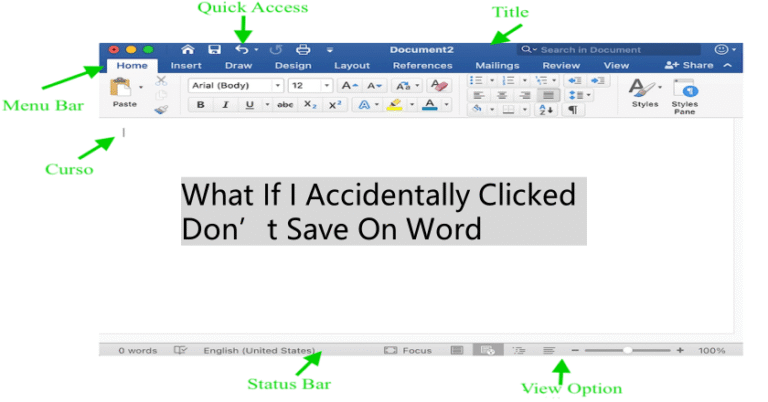
Restoring the Quick Access Toolbar in Word is easier than many users think. Whether it disappears unexpectedly or you accidentally hide it, there are simple ways to bring it back quickly. These methods help you regain your workflow without wasting time searching through complex settings.
Using The Ribbon Display Options
The Ribbon Display Options button sits at the top-right corner of your Word window. Clicking it reveals choices to show or hide the Quick Access Toolbar.
Choose “Show Quick Access Toolbar” to make it visible again. This option is perfect if you want a quick fix without diving into menus.
Resetting The Quick Access Toolbar
Sometimes, the toolbar settings get corrupted or changed unintentionally. Resetting it returns everything to default.
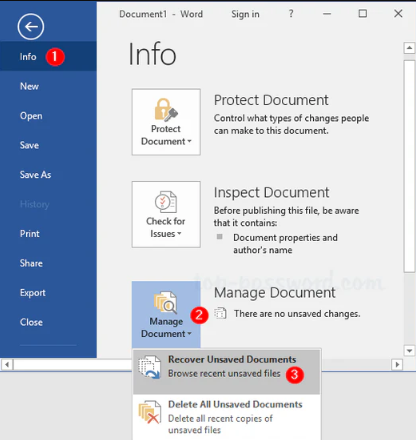
Go to File > Options > Quick Access Toolbar. Click the “Reset” button to restore the toolbar to its original state. This method works well if you customized the toolbar and want to start fresh.
Keyboard Shortcuts To Reveal Toolbar
Did you know you can use keyboard shortcuts to toggle the toolbar’s visibility? Pressing Altalone highlights the toolbar commands.
Also, Alt + Fopens the File menu where you can access toolbar settings quickly. Using shortcuts saves time, especially if your mouse isn’t handy or your toolbar disappeared suddenly.
Advanced Fixes For Toolbar Issues
Toolbar issues in Microsoft Word can disrupt your workflow. Basic fixes might not always solve these problems. Advanced solutions can restore your toolbar and improve your experience. These fixes focus on repairing software, checking for conflicts, and resetting to default settings.
Repairing Office Installation
Corrupted Office files often cause toolbar problems. Repairing the installation can fix these errors. Open the Control Panel and find Programs and Features. Select Microsoft Office, then choose Change. Pick the Repair option and follow the prompts. This process restores damaged files and may solve toolbar issues without reinstalling the software.
Checking Add-ins Interference
Add-ins can interfere with Word’s toolbar. Disable all add-ins to check if they cause the problem. Go to File > Options > Add-ins. Manage COM Add-ins and disable them. Restart Word and see if the toolbar works properly. Enable add-ins one by one to find the culprit. Remove or update any problematic add-ins to avoid future issues.
Restoring Default Settings
Custom settings might cause toolbar glitches. Resetting Word to its default state can help. Close Word first. Press Windows + R, type regedit, and press Enter. Navigate to HKEY_CURRENT_USERSoftwareMicrosoftOffice16.0Word. Right-click the Word key and choose Delete. Restart Word, and it will recreate default settings. The toolbar should return to normal with this reset.
Preventing Toolbar Problems
Toolbar issues in Word can disrupt your workflow and cause unnecessary frustration. Preventing these problems before they arise saves time and keeps your work environment smooth. Taking a few simple precautions can help you maintain a reliable and responsive toolbar, ensuring your productivity stays high.
Regular Updates And Backups
Keeping Word and your operating system up to date is essential for avoiding toolbar glitches. Updates often include fixes for bugs that affect toolbar behavior.
Backing up your custom toolbar settings protects your personalized layout. If something goes wrong, restoring your setup takes only a few clicks instead of hours of reconfiguration.
- Use Word’s export option to save your toolbar configuration.
- Schedule regular backups to prevent data loss.
- Check for updates weekly to stay current.
Avoiding Conflicting Add-ins
Add-ins enhance Word’s functionality but can sometimes clash with toolbar features. Installing too many add-ins or those from untrusted sources increases the risk of conflicts.
Try disabling add-ins one by one to identify if any are causing toolbar problems. This helps you pinpoint the source without uninstalling everything.
- Only install add-ins you really need.
- Download add-ins from official or reputable sites.
- Keep add-ins updated to ensure compatibility.
Customizing Toolbar Safely
Customizing your toolbar lets you access tools quickly, but reckless changes can cause issues. Always make small adjustments and test their effect before adding more.
Consider creating a separate toolbar profile to experiment with layouts. This approach lets you return to your original setup if problems occur.
- Use Word’s customization options instead of third-party tools.
- Document your changes to track what works best.
- Ask yourself: Does this new button or shortcut improve my workflow?
Alternative Workspace Adjustments
Alternative workspace adjustments in Word improve your editing experience. They help you work faster and with less distraction. Changing toolbars and shortcuts can make your workspace fit your needs better. These options let you keep the Restore Tool Bar handy without clutter.
Using Keyboard Commands Efficiently
Keyboard commands save time in Word. Pressing keys is faster than clicking menus. Common shortcuts like Ctrl + Z for undo and Ctrl + S for save help a lot. You can learn commands for showing or hiding toolbars quickly.
Try memorizing these shortcuts:
- Alt + V, then T to toggle the toolbar
- Ctrl + F1 to show or hide the Ribbon
- Alt key for menu navigation
Using keyboard commands reduces mouse use and speeds up tasks.
Customizing The Ribbon
The Ribbon holds many Word tools. You can change it to fit your work style. Add or remove tabs to keep only what you need. It makes the screen less crowded and easier to use.
Steps to customize the Ribbon:
- Right-click the Ribbon area
- Select “Customize the Ribbon”
- Check or uncheck tabs and commands
- Drag commands to reorder
- Save changes to keep your setup
Customizing the Ribbon lets you place the Restore Tool Bar where it is easy to access.
Exploring Quick Access Toolbar Options
The Quick Access Toolbar (QAT) gives fast access to favorite commands. It stays visible even when the Ribbon is hidden. Adding the Restore Tool Bar command here keeps it close.
You can add commands to QAT by:
- Clicking the drop-down arrow on QAT
- Selecting commands from the menu
- Choosing “More Commands” to find extra options
- Moving commands up or down to reorder
QAT customization makes your workspace neat and efficient.
Credit: 4ddig.tenorshare.com
Frequently Asked Questions
How Do I Restore The Toolbar In Word?
To restore the toolbar, go to the “View” tab. Click on “Toolbars” and select the toolbar you need. It will reappear in your Word window. If it’s missing, try restarting Word or resetting your settings.
Why Is My Word Toolbar Missing?
Your toolbar might be hidden due to accidental clicks or settings change. Check the “View” tab. Ensure “Toolbars” are checked. If not, enable them. If it remains hidden, consider restarting Word or updating your software.
Can I Customize The Word Toolbar?
Yes, you can customize the Word toolbar. Right-click on the toolbar area and select “Customize”. From there, add or remove commands. Adjust it according to your preferences. This helps improve your workflow efficiency.
How To Reset Word Toolbar To Default?
To reset the toolbar, go to “File”, then “Options”. Click on “Customize Ribbon”. Choose “Reset” and select “Reset all customizations”. This will restore the original toolbar settings. Remember, this action can’t be undone.
Conclusion
Restoring the toolbar in Word helps you work faster and easier. You can follow simple steps to bring it back anytime. This guide shows clear ways to fix toolbar issues. Keep these tips handy for quick access. A visible toolbar improves your editing and formatting tasks.
Stay confident using Word without toolbar troubles. Try these easy fixes and enjoy a smooth experience. No need to worry about lost tools again. Your Word setup can be just right with these steps.
Ethan Cole is a kitchen innovation enthusiast and food technology writer at DiningGadgets.com. With over 8 years of experience reviewing cookware, smart kitchen tools, and design trends, he helps readers discover gadgets that make cooking easier and dining more enjoyable. When he’s not testing the latest kitchen appliances, Ethan enjoys experimenting with recipes and sharing practical tips for modern homes.