

Have you ever wondered why red grapes are a favorite choice for winemakers worldwide? If you’re curious about the journey from grape to glass, you’re in the right place.
Red grapes are not just any fruit; they are the heart and soul of many beloved wines. By understanding what makes these grapes so special, you can appreciate every sip you take. You’ll discover the unique qualities of red grapes, how they influence the flavor and aroma of your wine, and why they are a staple in the winemaking process.
Get ready to uncover the secrets behind your favorite red wines and enhance your wine-tasting experience.
Choosing Red Grape Varieties
Choosing the right red grape varieties is crucial for crafting the wine you envision. Each variety brings unique characteristics that affect the flavor, aroma, and texture of your final product. Understanding these differences helps you match grapes to your local conditions and winemaking goals.
Popular Red Grapes For Wine
- Cabernet Sauvignon: Known for its bold tannins and deep flavors of blackcurrant and cedar.
- Merlot: Softer and fruitier, with notes of plum and chocolate, making it approachable for many palates.
- Pinot Noir: Delicate and complex, offering bright cherry and earthy undertones.
- Syrah/Shiraz: Spicy and full-bodied, often featuring black pepper and dark berry flavors.
- Zinfandel: Jammy and robust, with hints of blackberry and spice.
These varieties are widely planted and studied, giving you plenty of resources and community support when starting out.
Climate And Soil Preferences
Red grapes thrive differently depending on the climate and soil. Cabernet Sauvignon prefers warmer climates with well-drained soils to develop its rich tannins.
Pinot Noir, on the other hand, is more sensitive and does best in cooler regions with clay or limestone soils that preserve its subtle flavors.
Have you considered your vineyard’s conditions? Matching grape variety to your local environment prevents common pitfalls like under-ripening or excessive acidity.
Flavor Profiles By Variety
| Grape Variety | Typical Flavors | Wine Style |
|---|---|---|
| Cabernet Sauvignon | Blackcurrant, cedar, tobacco | Full-bodied, tannic, age-worthy |
| Merlot | Plum, chocolate, soft spice | Smooth, medium-bodied, easy drinking |
| Pinot Noir | Cherry, raspberry, earth | Light to medium-bodied, elegant |
| Syrah/Shiraz | Black pepper, blackberry, smoky | Bold, spicy, full-bodied |
| Zinfandel | Blackberry, anise, jammy | Rich, fruit-forward, sometimes sweet |
Understanding these flavor profiles lets you tailor your wine to your personal taste or market preferences. What kind of wine do you imagine creating? Your choice of grape will set the foundation for that experience.
Cultivating Grapes For Quality
Cultivating red grapes for wine making demands attention to detail and a commitment to quality at every stage. The right conditions, careful vineyard management, and vigilant pest control are crucial to developing grapes that produce rich, flavorful wines. Understanding these factors helps you nurture vines that thrive and deliver exceptional fruit.
Ideal Growing Conditions
Red grapes need a balance of warmth and sunlight to develop the sugars essential for wine. Too much heat can stress the vines, while too little sunlight slows ripening. You want well-drained soil that retains enough moisture but doesn’t stay waterlogged.
Think about the grape varieties you want to grow—some prefer cooler climates, while others thrive in warmer regions. Choosing a location with the right temperature range and soil type is the foundation of quality grape growing. Have you checked your soil’s pH and nutrient levels recently?
Vineyard Management Techniques
Pruning shapes your vines and controls how much fruit they produce. Cutting back excess growth helps focus the plant’s energy on fewer, better-quality grapes. You’ll want to train your vines on trellises to maximize sun exposure and air flow.
Regular canopy management, like thinning leaves and shoots, prevents overcrowding. This reduces disease risk and ensures grapes get enough light. Don’t underestimate the impact of timing your harvest precisely—picking too early or late affects flavor and sugar content.
Pest And Disease Control
Protecting your vineyard from pests and diseases is vital to maintain grape quality. Common threats include powdery mildew, downy mildew, and grapevine moths. Using integrated pest management (IPM) combines natural predators, organic sprays, and targeted treatments.
Monitoring your vines frequently helps you catch problems early before they spread. Are you keeping detailed records of pest activity and treatments? This practice can improve your response over time and reduce the need for harsh chemicals.
Harvesting Techniques
Harvesting techniques play a crucial role in the quality of red grapes for wine making. The way grapes are picked affects their flavor, sugar levels, and overall health. Choosing the right time and method ensures the best results for winemakers.
Timing The Harvest
Harvesting red grapes at the right time is vital. Grapes must reach the perfect balance of sugar and acidity. Picking too early leads to sour wine. Picking too late causes high sugar and low acidity. Winemakers test grapes regularly to decide the ideal day. Weather conditions also impact the timing.
Handpicking Vs. Machine Harvesting
Handpicking grapes allows careful selection. Workers pick only ripe bunches, avoiding damaged or unripe grapes. This method is gentle and reduces grape damage. Machine harvesting is faster and cheaper. It shakes grapes off the vine quickly. However, it may collect leaves and stems. Both methods have pros and cons depending on vineyard size and budget.
Impact On Grape Quality
Harvesting methods directly affect grape quality. Handpicked grapes stay intact and fresh. They result in cleaner juice and better taste. Machine-harvested grapes may have more broken skins and impurities. This can affect fermentation and wine flavor. Proper handling during harvesting preserves grape health. It helps create wines with richer aromas and balanced taste.

Credit: www.numberanalytics.com
Fermentation Process
The fermentation process is where the magic of turning red grapes into wine truly begins. It transforms the sugars in the grapes into alcohol and develops the flavors that make your wine unique. Understanding each step can help you better control the taste, aroma, and quality of your final product.
Crushing And Destemming
Before fermentation, grapes need to be crushed to release their juice. This step also involves removing the stems, which can add unwanted bitterness if left in.
Choosing the right crushing method affects the extraction of color and tannins from grape skins. You might prefer gentle crushing to avoid breaking seeds, which can release harsh flavors.
Yeast Selection
Yeast is the key driver of fermentation. You can use natural yeast present on the grape skins or add a cultured yeast strain for more predictable results.
Different yeast strains influence the aroma and taste of your wine. Have you experimented with various yeasts to see how they change the profile of your red wine?
Temperature Control
Maintaining the right temperature during fermentation is crucial. Too high, and you risk killing the yeast; too low, and fermentation slows down or stops.
Red wine ferments best between 70-85°F (21-29°C). Monitoring this closely can help you avoid off-flavors and keep the process steady.
Aging And Maturation
Aging and maturation transform red grapes into rich, complex wines that tell a story in every sip. This process shapes flavors, softens tannins, and builds character. Your choice of aging method and duration directly impacts the final wine’s profile, making it essential to understand these subtle yet powerful influences.
Oak Barrels Vs. Stainless Steel
Oak barrels add layers of flavor such as vanilla, spice, and toast, giving your wine a warm, rounded character. They also allow gentle oxygen exposure, which softens harsh tannins and enhances complexity.
Stainless steel, on the other hand, preserves the wine’s fresh, fruity notes by preventing oxidation. It’s ideal if you want to highlight the grape’s natural flavors without adding external influences.
Which do you prefer: the bold depth oak brings or the crisp purity stainless steel maintains?
Aging Duration Effects
Short aging can keep your wine vibrant and fruit-forward, perfect for early enjoyment. Longer aging develops deeper aromas and smooths out rough edges, but risks losing some fresh fruit character.
Think about how long you want to wait before opening your bottle. Do you crave immediate gratification or are you willing to invest patience for a more refined taste?
Blending For Balance
Blending wines from different barrels or tanks can balance out extremes and create harmony. For example, combining a wine aged in oak with one aged in stainless steel can offer both complexity and freshness.
This approach lets you tailor your wine’s personality, enhancing what you love most. Have you experimented with blending to find your perfect mix?

Credit: www.dreamstime.com
Tasting And Evaluating Vintages
Tasting and evaluating vintages of red grapes for wine making is an important skill. It helps understand the quality and style of the wine. Each vintage offers a unique experience shaped by weather, soil, and grape variety. Careful tasting reveals subtle differences that affect enjoyment and pairing.
Evaluating vintages involves more than just sipping. It requires attention to aroma, taste, and appearance. This process guides winemakers and enthusiasts to select the best bottles for their needs.
Key Flavor Characteristics
Red grapes produce wines with rich and varied flavors. Common notes include:
- Dark fruits like cherry, blackberry, and plum
- Spices such as pepper and clove
- Earthy tones like leather or tobacco
- Hints of oak from barrel aging
Acidity and tannins give structure and balance. These flavors change as the wine ages, softening or intensifying.
Identifying Faults
Faults can spoil the wine’s taste and aroma. Watch for:
- Musty or moldy smells
- Sour or vinegar-like taste
- Overly bitter or metallic aftertaste
- Cloudiness or sediment in the glass
Detecting faults early helps avoid poor bottles and preserves quality.
Pairing With Food
Red grape wines match well with many dishes. Consider:
- Grilled meats, such as beef or lamb
- Rich pasta sauces
- Hard cheeses like cheddar or gouda
- Dark chocolate desserts
The wine’s tannins and acidity balance flavors on the plate. Good pairing enhances both the wine and the meal.
Common Challenges In Red Wine Making
Red wine making with grapes is an exciting journey, but it comes with its own set of challenges. Each step, from crushing the grapes to bottling, requires careful attention to avoid common pitfalls. Addressing these issues early can save your wine from disappointing flavors or spoilage.
Dealing With Oxidation
Oxidation is one of the biggest threats to red wine quality. When wine is exposed to too much air, it can lose its vibrant color and fresh flavors, turning dull and flat. To protect your wine, you need to limit its contact with oxygen during fermentation and storage.
Using airtight containers and adding antioxidants like sulfur dioxide can help keep oxidation at bay. Have you checked how well your equipment seals? A tiny gap can let air in and ruin weeks of hard work.
Managing Tannin Levels
Tannins give red wine its structure and mouthfeel, but too much or too little can throw off the balance. Over-extraction from grape skins or seeds makes the wine bitter and harsh, while too little tannin leads to a thin, lifeless taste.
Monitoring maceration time is key. Try tasting your wine regularly during fermentation—this hands-on approach helps you decide the perfect moment to press the grapes. What’s your strategy to hit the right tannin balance?
Preventing Spoilage
Spoilage can sneak in through unwanted bacteria or wild yeasts, turning your wine sour or funky. Cleanliness is your best defense here. Sanitize every tool and surface that touches your wine.
Temperature control also plays a huge role. Keeping fermentation cool slows down harmful microbes. Have you set up a reliable temperature monitor for your fermentation tanks?
Trends In Red Wine Production
The world of red wine production is evolving rapidly. New trends are shaping how winemakers grow grapes and craft their wines, aiming to improve quality, flavor, and environmental impact. These changes invite you to rethink what goes into your glass and how your choices affect the planet.
Organic And Biodynamic Practices
More vineyards are turning to organic and biodynamic farming methods. These approaches avoid synthetic chemicals, focusing on natural soil health and ecosystem balance. You might notice wines labeled as organic or biodynamic often have richer, more vibrant flavors that reflect the true character of the grapes.
Adopting these practices can reduce harmful runoff and improve biodiversity. Have you ever wondered how the earth beneath the vines influences the taste of your wine? Paying attention to how grapes are grown can deepen your appreciation for each bottle.
Innovative Fermentation Methods
Winemakers are experimenting with new fermentation techniques to bring out unique flavors in red wines. Techniques like cold fermentation, wild yeast use, and carbonic maceration are gaining popularity. These methods can enhance fruitiness, soften tannins, and add complexity.
Trying wines made with these methods might surprise your palate. Would you be open to tasting a red wine fermented with wild yeasts that produce unexpected aromas? Exploring these options can make your wine experience more exciting and personal.
Sustainability In Vineyards
Vineyards today focus heavily on sustainability to protect natural resources. Practices include water conservation, renewable energy use, and waste reduction. Many producers also invest in habitat preservation to support local wildlife.
Choosing sustainably produced red wines means supporting efforts that keep vineyards healthy for future generations. How often do you consider the environmental footprint of your wine? Making informed choices can turn every glass into a positive impact.
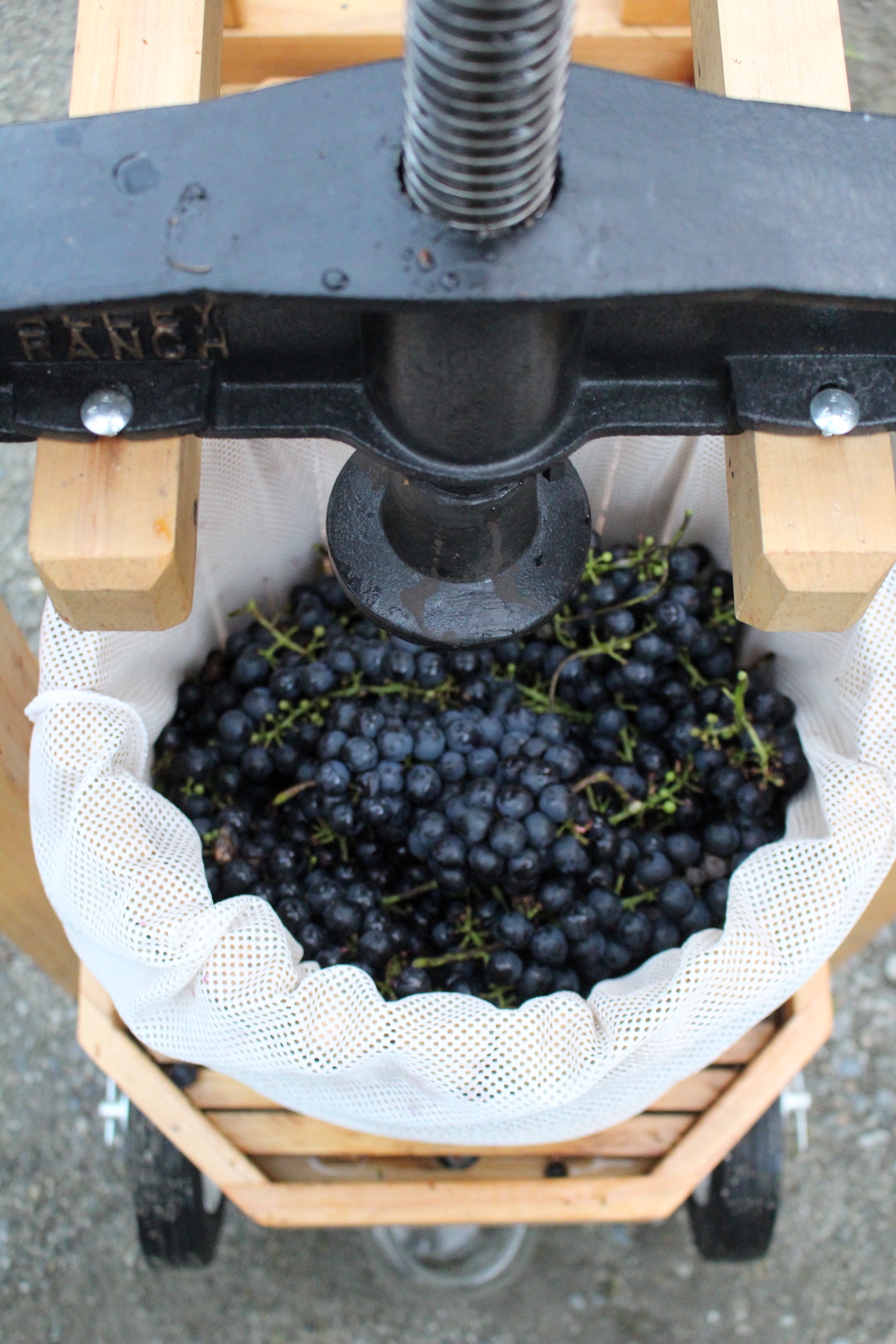
Credit: practicalselfreliance.com
Frequently Asked Questions
What Makes Red Grapes Ideal For Wine Making?
Red grapes have thick skins rich in tannins and color pigments. These contribute to wine’s flavor, color, and structure. Their balanced sugar and acid levels make fermentation ideal, producing rich, complex wines.
How Do Red Grape Varieties Affect Wine Taste?
Different red grape varieties offer unique flavors and aromas. For example, Cabernet Sauvignon is bold and tannic, while Pinot Noir is lighter and fruity. Variety choice influences wine style and character significantly.
When Is The Best Time To Harvest Red Grapes?
Red grapes are best harvested when sugar and acidity are balanced. This usually occurs late in the growing season, depending on climate. Proper timing ensures optimal flavor and wine quality.
Can Red Grapes Produce White Wine?
Yes, white wine can be made from red grapes by avoiding skin contact. The juice is clear, so no color transfers. This method produces white or rosé wines from red grape varieties.
Conclusion
Red grapes play a key role in wine making. They give wine its rich color and flavor. Choosing the right grape affects the taste and quality. Growing healthy grapes needs good care and the right climate. Wine making is both art and science.
Small details make a big difference in the final product. Enjoying wine starts with understanding its grape origins. This knowledge helps you appreciate every sip more fully.

Ethan Cole is a kitchen innovation enthusiast and food technology writer at DiningGadgets.com. With over 8 years of experience reviewing cookware, smart kitchen tools, and design trends, he helps readers discover gadgets that make cooking easier and dining more enjoyable. When he’s not testing the latest kitchen appliances, Ethan enjoys experimenting with recipes and sharing practical tips for modern homes.