

Imagine gathering your family and friends around a dining table that tells a story with every grain and knot. A reclaimed wood outdoor dining table isn’t just furniture—it’s a centerpiece that brings warmth, character, and charm to your outdoor space.
If you want a table that’s unique, eco-friendly, and built to last, you’re in the right place. Keep reading to discover why this choice could transform your outdoor meals into unforgettable moments.
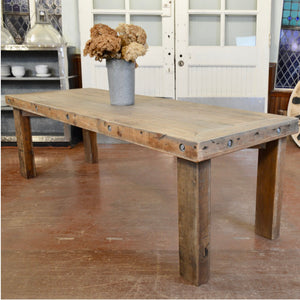
Credit: salvagegarden.ca
Benefits Of Reclaimed Wood
Choosing reclaimed wood for your outdoor dining table brings benefits that go beyond just looks. It offers a chance to make your space more sustainable while adding character and toughness. Let’s look closer at what makes reclaimed wood a smart choice for your outdoor furniture.
Environmental Impact
Using reclaimed wood helps reduce the demand for new lumber, which means fewer trees are cut down. This choice lowers waste by giving old wood a second life instead of letting it end up in landfills. By opting for reclaimed wood, you play a part in conserving natural resources and cutting down carbon emissions.
Unique Aesthetic
Each piece of reclaimed wood has its own story, with marks, knots, and colors that you won’t find in new wood. This uniqueness adds charm and character to your dining table, making it a true centerpiece in your outdoor space. Have you noticed how these natural imperfections make your table feel more personal and inviting?
Durability And Strength
Reclaimed wood often comes from old-growth trees, which grew slowly and developed denser, stronger fibers. This means your outdoor dining table will be sturdy enough to handle all kinds of weather and regular use. With proper care, reclaimed wood furniture can last for decades, giving you great value over time.
Choosing The Right Reclaimed Wood
Choosing the right reclaimed wood for your outdoor dining table is more than just a style choice; it impacts durability, maintenance, and the story your table tells. Not all reclaimed wood is created equal, so understanding what to look for helps you avoid common pitfalls. Think about your climate, usage, and the wood’s history before making a decision.
Types Of Reclaimed Wood
Reclaimed wood comes from various sources, each offering unique characteristics. Old barn wood is popular for its rustic charm and weathered texture. Driftwood carries a smooth, worn look shaped by water and time. You might also find reclaimed hardwood from old furniture or flooring, which tends to be denser and more durable.
Choosing the type depends on your style and how much wear your table will face. Hardwoods like oak or maple resist dents and scratches better than softwoods such as pine. Ask yourself: do you want a table that shows character through imperfections, or one that stands strong with a polished finish?
Sourcing Quality Wood
Finding quality reclaimed wood requires careful inspection. Look for wood free of rot, excessive cracks, or insect damage. Pay attention to the wood’s moisture content—too wet and it may warp over time.
Visiting local salvage yards or specialized suppliers often yields better results than buying online blindly. When I bought my reclaimed wood table, I personally checked each plank for stability and imperfections, saving myself from costly repairs later. Could visiting a supplier near you reveal hidden gems worth the trip?
Sustainability Certifications
Not all reclaimed wood is sourced responsibly, so look for sustainability certifications to ensure ethical practices. Certifications like FSC (Forest Stewardship Council) indicate the wood comes from well-managed sources.
These labels provide peace of mind that your outdoor dining table isn’t contributing to deforestation. Ask your supplier for documentation or proof of certification. Are you willing to pay a little more to support sustainable forestry and reduce environmental impact?
Designing Your Outdoor Dining Table
Designing your outdoor dining table with reclaimed wood offers a unique chance to create a piece that stands out while fitting perfectly in your outdoor space. Your choices will shape not only the look but also the feel and function of your dining area. Think about what suits your lifestyle and how you want to use the table.
Style And Form
Reclaimed wood has its own character—knots, grain patterns, and weathered textures that bring warmth and history to your table. Decide if you want a rustic look that highlights these natural marks or a smoother, more modern finish that contrasts with sleek surroundings.
Do you prefer a traditional farmhouse shape, or does a minimalist rectangular form fit your space better? You can also experiment with rounded edges or live edges for a more organic feel. The style you pick should invite people to gather around and feel comfortable.
Size And Dimensions
Measure your outdoor area carefully before choosing the size of your table. You want enough space for seating but also room to move around without feeling cramped. Think about how many people you usually host—does your table need to expand or stay compact?
Consider the height too. Standard dining tables are around 28 to 30 inches tall, but you might want a taller bar-style table if your space or seating calls for it. Planning these details upfront saves you from surprises later.
Incorporating Metal And Glass
Adding metal or glass elements can enhance the durability and style of your reclaimed wood table. Metal legs or supports add an industrial edge and provide strong structure that lasts through seasons. Glass tops can protect the wood while adding a sleek, contemporary touch.
Think about how these materials blend with the wood’s texture. Would black steel legs create a bold contrast, or would brushed aluminum offer a lighter feel? Mixing materials invites creativity but also requires balance—too much glass might lose the warmth of the wood.
Building The Table
Building a reclaimed wood outdoor dining table is a rewarding project that combines creativity with sustainability. Working with reclaimed wood adds character and history to your table, but it also requires careful planning and attention to detail. Before you dive in, understanding the tools, materials, and safety measures can make your experience smoother and more enjoyable.
Necessary Tools And Materials
- Reclaimed wood planks:Choose sturdy, dry wood with minimal damage.
- Measuring tape and square:Essential for precise cuts and alignment.
- Power saw (circular or miter saw):Makes cutting planks easier and cleaner.
- Drill and screwdriver set:For assembling the table securely.
- Sandpaper or electric sander:Smooths rough edges and surfaces.
- Wood screws and wood glue:Provides strong joints.
- Clamps:Holds pieces together while glue dries.
- Wood finish or sealant:Protects your table from outdoor weather.
Gathering the right tools upfront saves frustration later. Have you ever struggled mid-project because a needed tool was missing? Avoid that by preparing your workspace thoroughly.
Step-by-step Construction
Start by measuring and cutting your reclaimed wood to the desired table size. Lay out the planks to check their fit and appearance before assembling.
Next, sand each piece carefully. This step removes splinters and roughness, making your table safe and comfortable to use.
Assemble the tabletop by joining the planks side by side with wood glue and screws. Use clamps to hold everything tight as the glue sets.
Build the table legs separately, ensuring they are stable and the right height for comfortable seating. Attach the legs securely to the tabletop frame.
Finally, apply a protective finish. This step keeps the wood from warping or rotting when exposed to rain and sun.
Safety Tips
- Wear safety goggles to protect your eyes from sawdust and debris.
- Use ear protection when operating loud power tools.
- Work in a well-ventilated area, especially when sanding or applying finishes.
- Keep your workspace clean to avoid tripping hazards.
- Double-check your measurements before cutting to prevent mistakes.
- Handle reclaimed wood carefully, as it may contain nails or old screws.
Have you ever cut yourself or made a careless mistake on a project? Staying cautious helps you avoid accidents and keeps your focus sharp.
Finishing Touches
The finishing touches on your reclaimed wood outdoor dining table are crucial. They not only enhance the table’s natural beauty but also protect it against outdoor elements. Paying attention to these details ensures your table will stay stunning and functional for years to come.
Wood Finishes And Sealants
Choosing the right finish can bring out the grain and character of reclaimed wood. You might want a matte finish for a rustic look or a glossy one for a sleek touch. Sealants play a key role in protecting your table from moisture, stains, and UV damage.
Consider finishes like tung oil or linseed oil if you prefer a natural feel. For stronger protection, marine-grade varnishes can withstand rain and sun exposure. Have you tried applying a finish that enhances color without making the surface slippery? It’s worth testing on a scrap piece first.
Color And Stain Options
Staining can transform reclaimed wood, highlighting its unique history while adding depth. You can choose from light washes that brighten the wood or darker stains that add warmth and sophistication. Keep in mind the existing tones of the wood—sometimes less is more.
Don’t hesitate to mix stains to create a custom shade that fits your outdoor space. Transparent stains maintain the wood’s natural look, while opaque options can cover imperfections. What color would make your dining area inviting and complement your garden or patio?
Weatherproofing Techniques
Weatherproofing is essential to keep your table durable against rain, sun, and temperature changes. Besides sealants, applying a waterproof wood preservative can prevent rot and insect damage. Regular maintenance, like reapplying protective coatings, extends the life of your table significantly.
Using rubber or felt pads under the legs prevents moisture absorption from the ground. Covering your table during harsh weather also helps but isn’t a replacement for good finishing. Are you ready to invest a little time upfront to avoid costly repairs later?
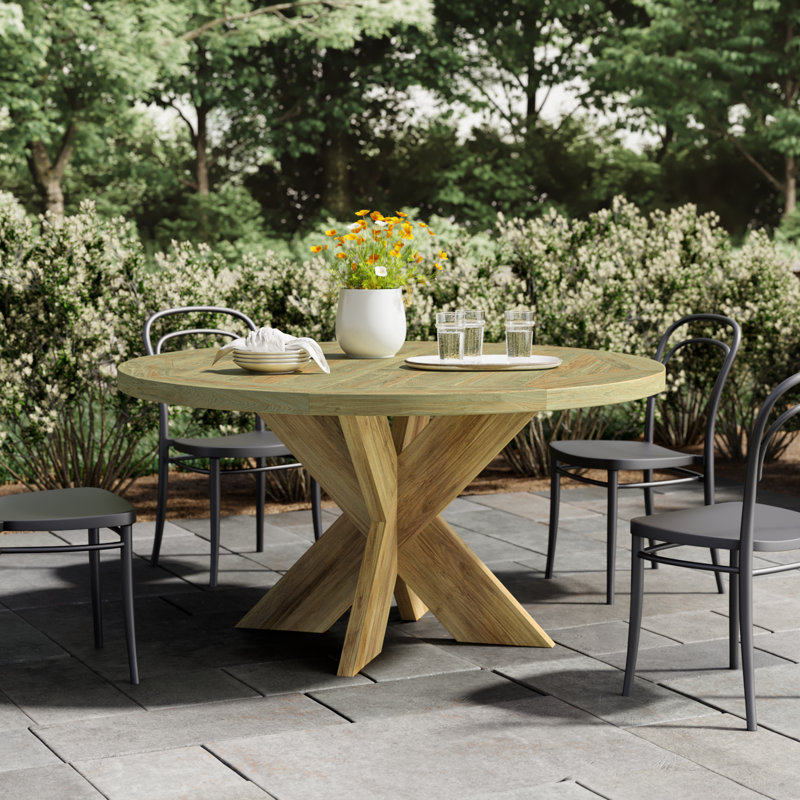
Credit: www.birchlane.com
Caring For Your Table
Caring for your reclaimed wood outdoor dining table keeps it beautiful and strong. Proper care helps the table last through seasons. It also protects the wood’s natural charm and texture.
Simple steps keep your table looking great. Regular checks catch small issues before they grow. Taking care of the wood and finish is key for outdoor use.
Routine Maintenance
Clean the table often with a soft cloth and mild soap. Avoid harsh chemicals that can damage the wood. Wipe spills quickly to prevent stains and water damage.
Check for dirt or debris in cracks and joints. Use a soft brush to clean hard-to-reach areas. Keep the table dry after rain or washing.
Protecting Against Weather
Cover the table with a waterproof cover during rain or snow. Move the table to a sheltered area if possible in harsh weather. Sunlight can fade the wood, so use a UV-protectant finish.
Apply a wood sealant yearly to prevent moisture absorption. This helps reduce cracking and warping. Choose a product made for outdoor reclaimed wood.
Repairing And Refinishing
Inspect the table for scratches, cracks, or loose joints regularly. Fill small cracks with wood filler made for outdoor use. Tighten screws or bolts as needed to keep the table stable.
Sand the surface gently if the finish fades or peels. Reapply a protective finish such as oil or sealant to restore beauty. Let the table dry completely before using it again.
Incorporating Into Outdoor Spaces
Incorporating a reclaimed wood outdoor dining table brings natural beauty and warmth to any outdoor space. The unique texture and color of reclaimed wood create a rustic yet elegant vibe. This type of table fits well in gardens, patios, and decks, making the area inviting for family and friends.
Choosing the right furniture and accessories around the table enhances its charm. Thoughtful placement and style choices help create a balanced and comfortable outdoor dining area. The goal is to design a space that feels connected and welcoming.
Complementary Furniture Pieces
Select furniture that matches the rustic style of reclaimed wood. Benches or chairs made from similar wood or metal work well. Neutral cushions add comfort without overpowering the table’s look. Avoid overly modern or shiny pieces that clash with the wood’s texture.
- Wooden benches with simple designs
- Wicker chairs in natural tones
- Metal chairs with a matte finish
- Outdoor stools that blend with wood tones
Decor And Accessories
Decorate the table and surrounding space to highlight the wood’s beauty. Use natural elements like stone or clay pots for plants. Soft lighting such as lanterns or string lights adds warmth. Keep accessories minimal to maintain a clean, natural feel.
- Clay pots with green plants or herbs
- Simple linen table runners or placemats
- Candle lanterns or solar-powered lights
- Neutral-colored cushions and throws
Creating A Cohesive Outdoor Area
Unify the outdoor dining space by repeating colors and materials. Match plant pots, furniture finishes, and textiles for harmony. Maintain an open layout to keep the area inviting. A cohesive space feels comfortable and connects all elements naturally.
- Use earth tones like brown, beige, and green
- Choose fabrics with simple patterns or solid colors
- Arrange furniture for easy conversation
- Incorporate natural elements like wood, stone, and plants
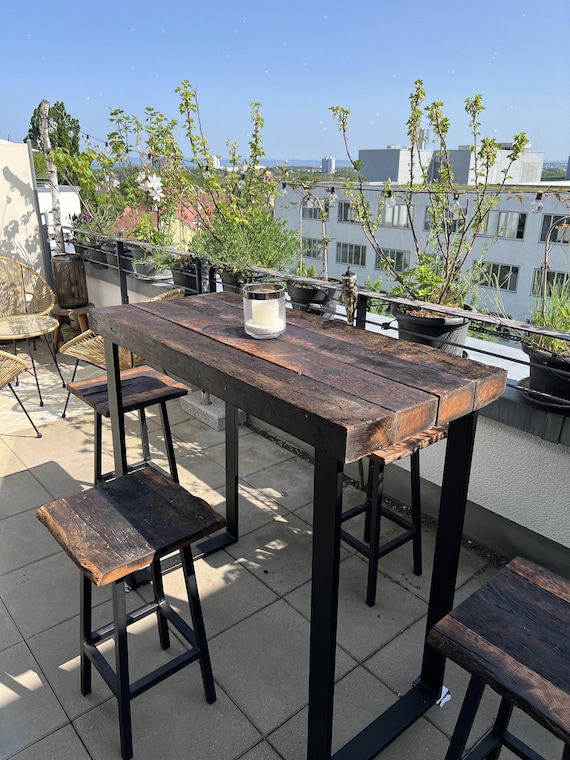
Credit: www.etsy.com
Frequently Asked Questions
What Is A Reclaimed Wood Outdoor Dining Table?
A reclaimed wood outdoor dining table is made from repurposed wood. It offers durability and a unique rustic look. This eco-friendly choice enhances outdoor spaces with character and sustainability.
How Durable Is Reclaimed Wood For Outdoor Tables?
Reclaimed wood is highly durable when properly treated. It withstands weather and resists wear. Sealing and regular maintenance improve its longevity outdoors.
How To Maintain A Reclaimed Wood Outdoor Table?
Clean the table regularly with mild soap and water. Apply sealant annually to protect against moisture. Cover it during harsh weather to prevent damage.
Are Reclaimed Wood Tables Eco-friendly?
Yes, they reuse existing wood, reducing deforestation. This minimizes waste and lowers environmental impact. Reclaimed wood tables support sustainable furniture choices.
Conclusion
A reclaimed wood outdoor dining table adds charm to any space. It brings a warm, natural feel to your yard or patio. This table lasts long and holds many memories. Choosing reclaimed wood helps the environment by reusing materials. It fits different styles, from rustic to modern.
Cleaning and care keep it looking great for years. A simple choice that makes your outdoor meals special. Enjoy the beauty and strength of reclaimed wood every day.

Sophia Martinez is a culinary lifestyle writer and product reviewer for DiningGadgets.com. Passionate about blending style with functionality, she explores the latest dining essentials, kitchen décor, and cleaning hacks that transform everyday cooking spaces. With a background in home organization and design, Sophia brings readers expert advice on creating beautiful, practical kitchens that truly feel like the heart of the home.