

Choosing the right outdoor dining table can transform your backyard into the perfect spot for gatherings, meals, and memories. But how do you know what size fits your space and meets your needs?
Understanding outdoor dining table dimensions is key to making a smart choice that keeps everyone comfortable and your area looking great. You’ll discover the ideal measurements for different table shapes and seating arrangements. By the end, you’ll feel confident picking the perfect table that suits your lifestyle and outdoor space.
Keep reading to find out what size works best for you!
Choosing The Right Dining Table Size
Choosing the right size for your outdoor dining table is more than just picking something that looks good. It’s about making sure your space feels comfortable and inviting for every meal and gathering. You want a table that fits your area perfectly and meets your seating needs without crowding or overwhelming the space.
Measuring Your Outdoor Space
Start by measuring the area where you plan to place your table. Leave enough room around the table for chairs to move freely—at least 36 inches on all sides is a good rule of thumb.
Think about how the table will interact with other outdoor features like grills, planters, or walkways. Will it block paths or create tight corners? These details matter for comfort and flow.
Determining Seating Capacity
Consider how many people you usually entertain. A 4-foot round table typically seats four, while a 6-foot rectangular table can fit six comfortably.
Don’t forget to plan for occasional guests. A slightly larger table might save you from squeezing in extra chairs later.
Choosing Table Shape And Its Impact On Size
Round tables often take up less space and encourage conversation, but they might not fit long narrow patios well. Rectangular tables provide more surface area but need more room around them.
Square tables can work well in smaller spaces but might limit seating unless you add benches or stools. Think about your space’s shape and how you want to use it.
Allowing Space For Movement
Make sure there’s enough clearance for people to walk behind chairs comfortably. A cramped area can make gatherings feel less relaxed.
Ask yourself: Can guests get up and move around without bumping into furniture? If not, it’s time to rethink the table size or placement.
Balancing Size With Style
A huge table in a tiny space can look awkward, while a small table in a big area might feel lonely. Your table should match the scale of your outdoor setting.
Think about the overall look you want. Sometimes, a mid-sized table paired with stylish chairs and accessories creates a more inviting spot than a massive dining set.
Small Balcony Solutions
Making the most of a small balcony can feel tricky, especially when you want a cozy outdoor dining spot. Choosing the right table size and design is key to balancing comfort and space. You want a setup that invites you to sit and enjoy without overcrowding your balcony.
Compact Table Options
Compact tables are perfect for tight spaces. Look for round or square tables with diameters around 24 to 30 inches. These sizes give you enough room for two people to dine comfortably without overwhelming your balcony.
Consider foldable tables that tuck away easily when not in use. A bistro-style table can also add charm and functionality. These tables often come with slim profiles and lightweight frames, making them easy to move and store.
Space-saving Designs
Space-saving designs are a game changer for small balconies. Wall-mounted or drop-leaf tables free up floor space when you’re not dining. Imagine folding down your table after breakfast and having more room to stretch or add plants.
Stackable chairs or benches that slide under the table keep your area neat. Look for tables with built-in storage or shelves to hold dining essentials without needing extra furniture. What small tweaks could make your balcony feel larger and more inviting?
Medium-sized Patio Ideas
Medium-sized patios offer a perfect balance between cozy and spacious for outdoor dining. You want a table that fits comfortably without crowding the space, allowing movement and socializing. Choosing the right table shape and features can transform your patio into a favorite gathering spot.
Round Vs. Rectangular Tables
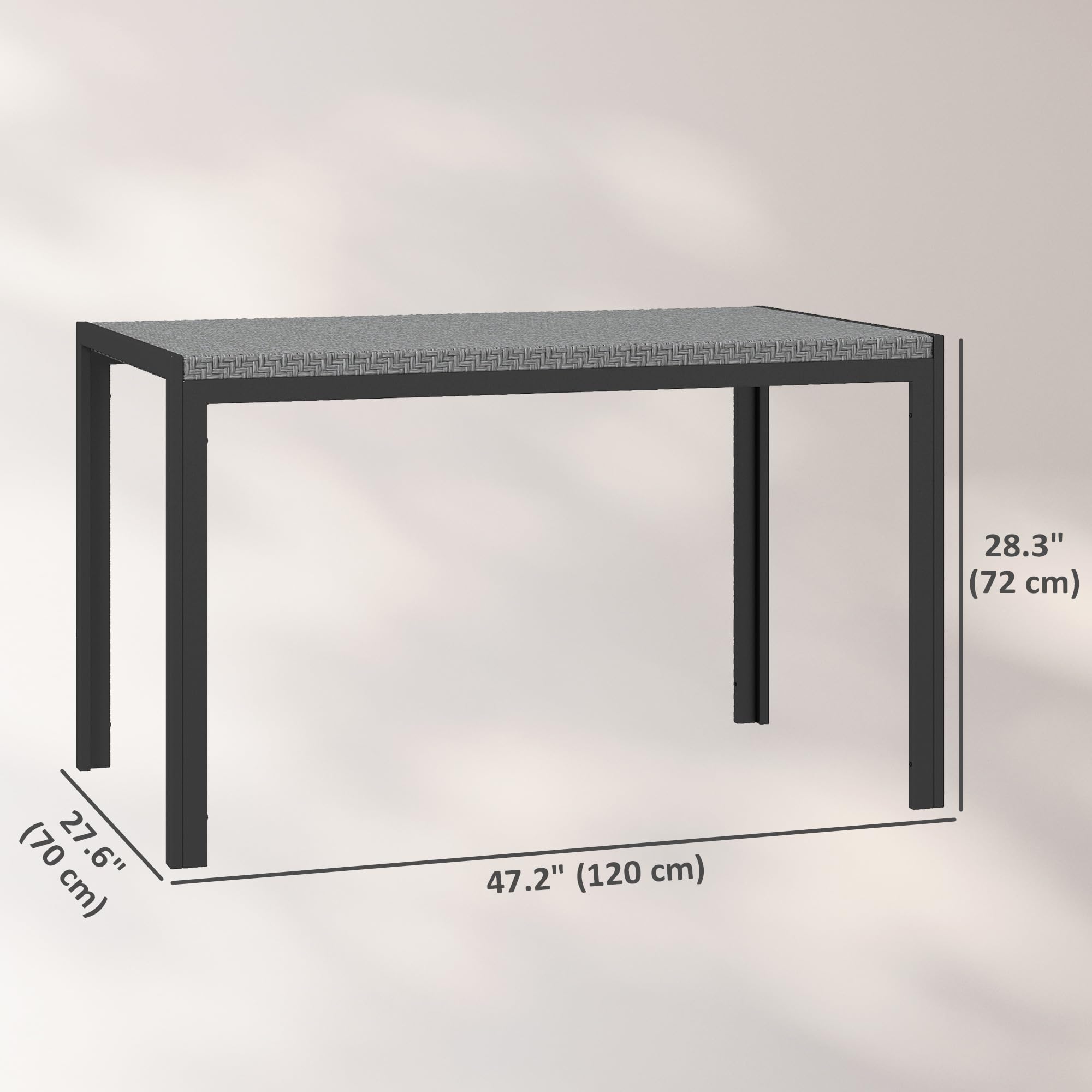
Round tables are great for medium patios because they encourage conversation. Their shape allows everyone to see each other easily and fits well in tighter spots. A 42 to 48-inch round table usually seats four to six people comfortably without overwhelming the space.
Rectangular tables, on the other hand, provide more surface area and suit longer patios. They offer flexibility to add extra chairs for guests but need enough room around for easy movement. A table around 60 to 72 inches long is ideal for medium patios, balancing seating and space.
Think about how you use your patio. Do you host dinners often or prefer casual coffee chats? Your answer helps decide whether a round or rectangular table fits your lifestyle best.
Adjustable Table Features
Adjustable tables add versatility to medium-sized patios. Look for tables with extendable leaves or foldable sides that let you change the size based on your needs. This way, you can have a compact setup daily and expand it when guests arrive.
Some adjustable tables also come with height options, making them perfect for both dining and lounging. Imagine switching from a seated dinner to a casual bar-height chat without moving to a different spot. This flexibility helps you get more use from your patio furniture.
Have you noticed how your gatherings vary in size? An adjustable table adapts to those changes, saving space and money in the long run. It’s a smart choice if your patio hosts everything from solo mornings to lively weekend parties.
Credit: www.amazon.ca
Large Backyard Arrangements
Designing a large backyard dining area offers exciting possibilities for gatherings and celebrations. The right table dimensions can transform your space into a comfortable and stylish outdoor room. Consider how much space you have and how many guests you want to accommodate before choosing your table.
Expansive Table Choices
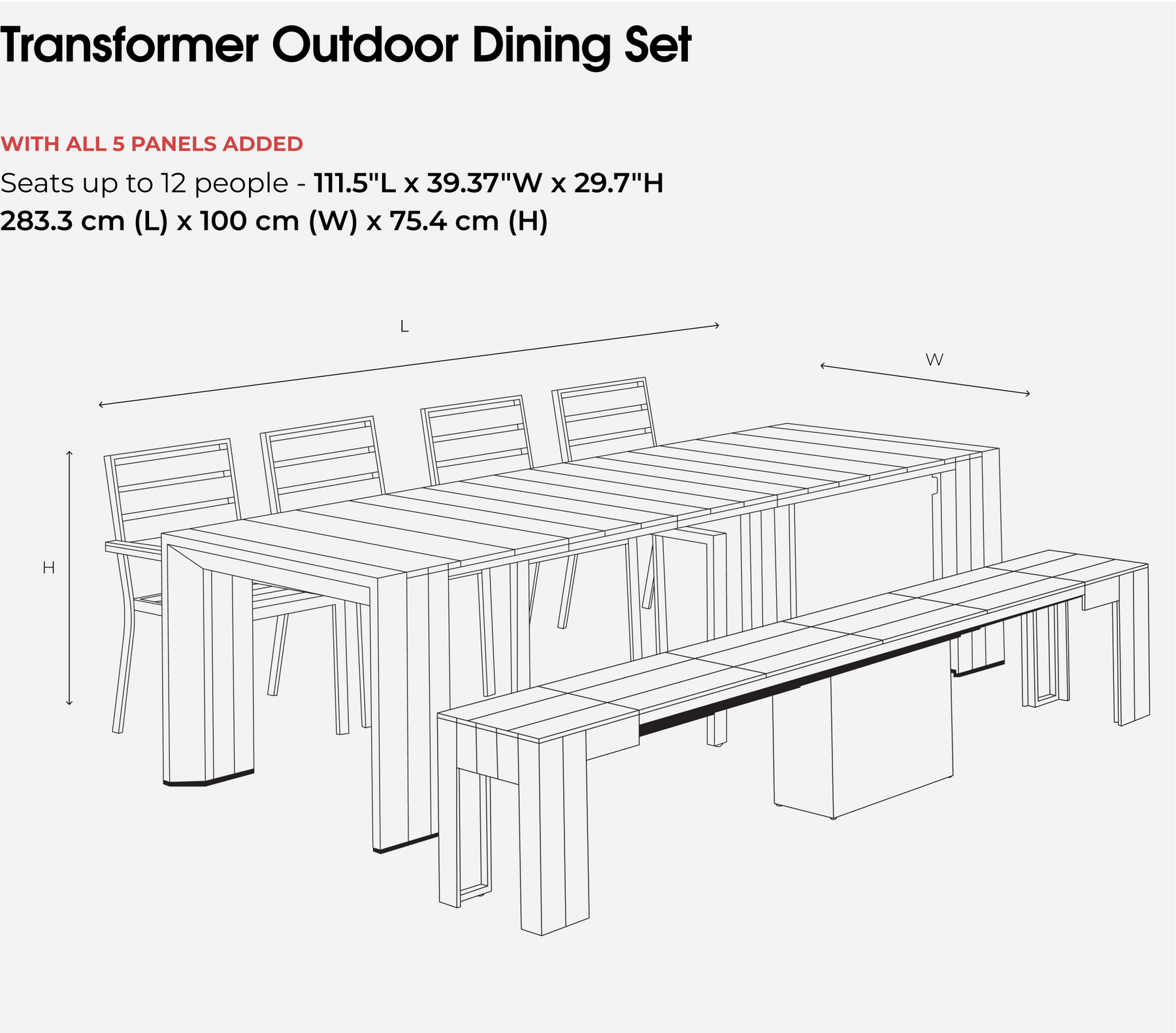
Large backyards can handle dining tables that seat 8 to 12 or more people comfortably. Rectangular and oval tables often work best because they fit well into longer spaces and allow for easy conversation. A typical large outdoor table might measure around 96 to 108 inches in length and 42 to 48 inches in width.
You might want to look at materials that stand up to the weather like teak, aluminum, or wrought iron. These options not only last but add character to your setup. Think about how much space you want around the table for chairs and movement—at least 36 inches of clearance helps everyone get up and sit down easily.
Extending Tables For Flexibility
Extending tables are a smart choice if your guest count varies. They allow you to keep a smaller footprint on regular days but expand effortlessly for parties. For example, a table that extends from 72 inches to 108 inches gives you versatility without sacrificing style.
Consider how the extension mechanism works. Some have butterfly leaves that tuck away neatly, while others add separate panels you store. This flexibility can make your backyard dining area more functional and welcoming for different occasions.
Have you thought about how often you host larger groups? Choosing an extendable table could be the key to maximizing your space without overcrowding it on quiet days.
Materials Impacting Size
Outdoor dining table size depends a lot on the material used. Different materials affect the table’s weight, shape, and overall dimensions. Some materials allow larger sizes, while others suit smaller designs. Choosing the right material helps match your space and style.
Wooden Tables
Wooden tables offer natural beauty and sturdy builds. They come in many shapes and sizes. Solid wood can support large tabletops without bending. But the thickness of wood impacts the table’s height and width. Thick wood adds weight and size. Thin wood keeps the table lighter and smaller.
Wood types like teak or cedar resist weather well. They allow bigger outdoor tables since they stay strong over time. Wood also lets you customize the size easily. You can have a long rectangular table or a round one. The grain and color add warmth and charm to any outdoor space.
Metal And Glass Options
Metal tables often have slim frames and thin tops. Metal supports wide spans without needing thick legs. This makes tables appear lighter and take up less visual space. Steel and aluminum are common metals used. Aluminum is lighter and easier to move than steel.
Glass tabletops pair well with metal frames. Glass adds a sleek, modern look. It usually comes in standard sizes but can be cut custom. Glass tops need sturdy frames to hold their weight safely. These tables often have smaller overall dimensions to keep balance and safety. Metal and glass tables work great in compact outdoor areas or modern patios.
Measuring Your Space
Measuring your outdoor space accurately is the first step to selecting the perfect dining table. It’s easy to guess, but guesswork often leads to cramped areas or awkward furniture placement. Taking precise measurements ensures your table fits comfortably and enhances your outdoor living experience.
Allowing For Movement
Think about how people will move around the table once it’s in place. You need enough space to walk freely without bumping into chairs or walls. A good rule is to leave at least 36 inches (about 91 cm) of clearance around the table.
Imagine hosting a dinner party where guests struggle to squeeze past each other—that’s a clear sign you didn’t allow enough room. This buffer zone keeps the area functional and welcoming. Measure the full space, including pathways and any nearby furniture.
Considering Chair Dimensions
Your chairs take up more space than you might expect, especially when pulled out. Most outdoor dining chairs need about 24 inches (61 cm) of width and 18 inches (46 cm) of depth. But remember to add extra space behind chairs for people to sit down and stand up comfortably.
Try sitting in your chairs and moving them back to see how much space you actually need. This simple test can save you from buying a table that’s too big or too small for your setup. Always factor in the chair size when calculating the total space required.
Customizing Table Sizes
Customizing the size of your outdoor dining table allows it to fit perfectly in your space. It also matches your style and seating needs. Choosing the right dimensions creates a comfortable dining area for everyone.
Personalized tables make outdoor meals more enjoyable. They offer flexibility in shape, length, and width. This ensures the table suits your garden, patio, or deck without crowding the area.
Tailored Designs
Tailored designs let you pick exact measurements for your table. This way, you control how many people can sit around it. Custom tables can be square, rectangular, or round based on your preference.
Materials, colors, and finishes can also be chosen to match your outdoor décor. This customization enhances the overall look of your dining space. It creates a unique piece that reflects your taste and fits your lifestyle.
Diy Solutions
DIY outdoor tables give you full control over size and style. You can build a table that fits your available space perfectly. Simple tools and materials make this project accessible for most people.
Planning measurements carefully helps avoid mistakes. Use a tape measure to check your space before cutting any wood. DIY also lets you add personal touches like built-in storage or special finishes.
Building your own table can save money and offer a fun project. It gives a sense of pride in creating something useful and beautiful outdoors.
Credit: ca.transformertable.com
Tips For Optimal Layout
Creating the right layout for your outdoor dining table sets the stage for enjoyable meals and gatherings. A thoughtful arrangement balances comfort, space, and style. This ensures guests have enough room to move and dine comfortably. Here are key tips to optimize your outdoor dining space effectively.
Balancing Aesthetics And Function
Choose a table size that fits your space without overcrowding. Leave at least 36 inches around the table for easy movement. Match the table shape to your outdoor area—round tables fit well in small spaces, while rectangular tables suit longer patios.
Pick chairs that complement the table but stay comfortable. Keep the layout simple to avoid clutter. A clean arrangement looks inviting and helps guests relax.
Incorporating Accessories
Add cushions or seat pads for extra comfort. Use an outdoor rug to define the dining area and add color. Place a centerpiece that suits the table size but does not block views.
- Include lighting such as string lights or lanterns for evening meals.
- Use umbrellas or shade sails to protect from sun.
- Keep serving trays or side tables nearby for convenience.

Credit: www.amazon.ca
Frequently Asked Questions
What Are Standard Outdoor Dining Table Dimensions?
Standard outdoor dining tables are usually 28 to 30 inches tall. Width varies: rectangular tables range from 36 to 42 inches. Length depends on seating capacity, typically 60 to 96 inches for 6 to 8 people.
How Much Space Is Needed Around An Outdoor Table?
Allow at least 36 inches of clearance on all sides. This space ensures comfortable seating and easy movement around the table. It prevents crowding and improves the dining experience outdoors.
What Size Outdoor Table Fits Six People?
A table measuring 72 inches long and 36 to 42 inches wide comfortably seats six. This size provides enough elbow room and allows for serving dishes without crowding.
How To Choose The Right Outdoor Table Size?
Consider the number of guests and available patio space. Measure your area and allow clearance for chairs and walking. Choose a table that fits your space without overcrowding.
Conclusion
Choosing the right outdoor dining table size makes your space more inviting. Small tables fit cozy spots. Larger tables suit big gatherings. Measure your area first to avoid crowding. Think about how many people will sit comfortably. Round tables save space and encourage conversation.
Rectangular tables offer more seating room. Keep these tips in mind for a perfect fit. Your outdoor meals will feel more enjoyable and relaxed. Simple steps lead to better outdoor dining experiences.

Ethan Cole is a kitchen innovation enthusiast and food technology writer at DiningGadgets.com. With over 8 years of experience reviewing cookware, smart kitchen tools, and design trends, he helps readers discover gadgets that make cooking easier and dining more enjoyable. When he’s not testing the latest kitchen appliances, Ethan enjoys experimenting with recipes and sharing practical tips for modern homes.